86 recipes
19th-Century Recipes
19th-century recipes from famous meals and hard times: Paris after Waterloo, Soyer’s soup kitchens, the Civil War, the Paris siege and the Klondike.
These 19th-century recipes run from the restaurants of Paris in 1815 to the Klondike trail in 1897, and each comes from a moment when food made the record. In July 1815, three weeks after Waterloo, British officers crowded the Paris restaurants, and Antoine Beauvilliers had printed his famous chicken suprême and Soubise cutlets the year before: Where Did the Victors Dine in Paris After Waterloo? Grimod de la Reynière’s tasting jury, judging the food trades of Paris for his Almanach des gourmands, sits a decade earlier.
Some of the century’s food was charity and war. Alexis Soyer cooked soup for the Irish famine in Dublin in 1847 and for the British army hospitals at Scutari in 1855. Richmond printed the Confederate Receipt Book in 1863, the year of its bread riot, and Philadelphia’s Sanitary Fair cookbook raised money for Union soldiers in 1864. Paris under siege in 1870 ate horse, then dog, cat and rat, and the US Army’s Manual for Army Cooks of 1896 shows how the canned and fresh beef of the 1898 war with Spain was meant to be cooked.
And some of it was celebration: Lincoln’s inaugural ball in 1865, the Suez Canal opening supper at Ismailia in 1869, ice cream made in four minutes in London in 1844, chafing-dish suppers, and an 1889 candy pledge. On the frontier, Fort Larned baked 340 loaves at a time, New Mexican tamales reached the Chicago World’s Fair cookbook in 1893, and Klondike stampeders paid more for beans and bacon with every mile. Each recipe names its period book and comes with a version for a kitchen today.
What Did Grimod’s Tasting Jury Judge in 1805?
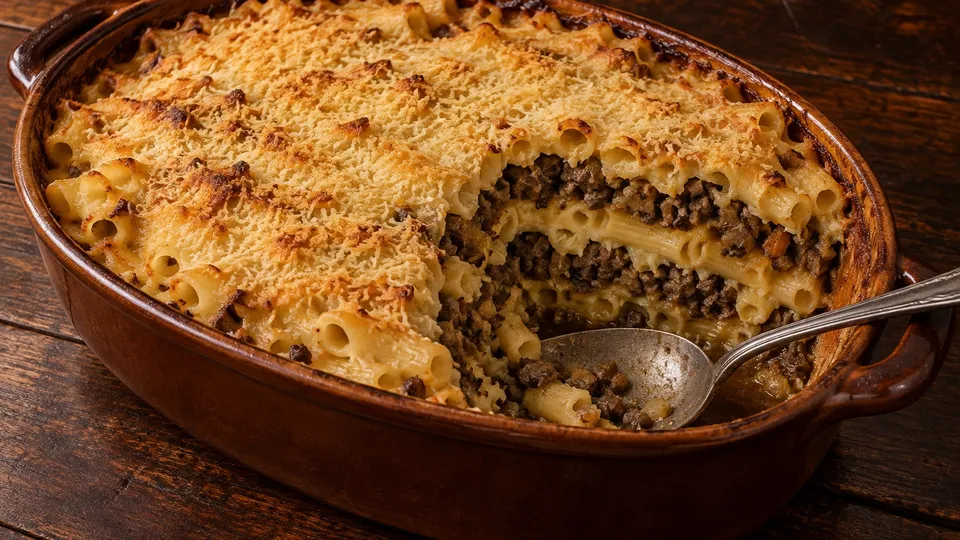
Potage à la Camerani (1805)
Potage à la Camerani, 1805: macaroni, chopped chicken livers cooked in butter with celery and pot vegetables, and grated Parmesan, layered in the dish and simmered.
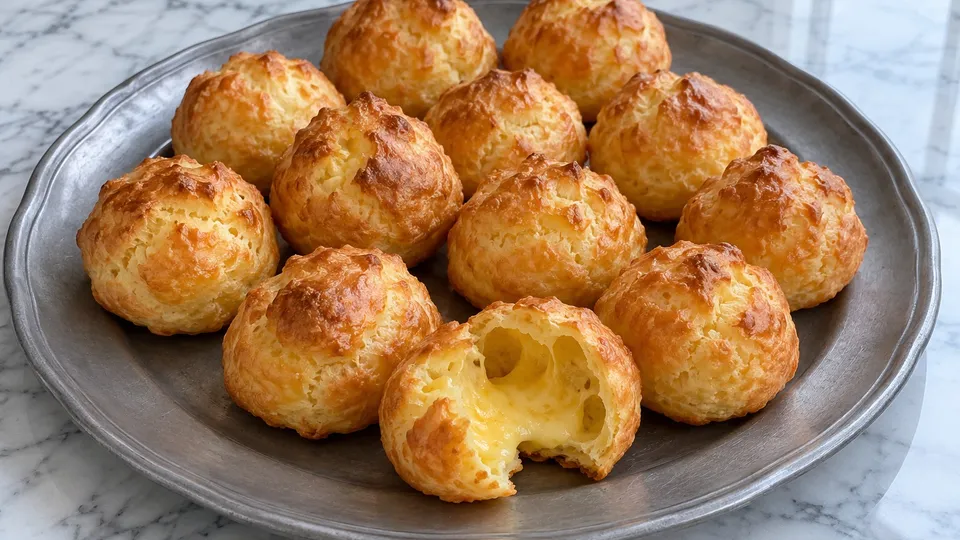
Cheese Ramequins (1827)
Louis Eustache Ude’s cheese ramequins: choux paste beaten with eggs, a spoonful of Parmesan and diced Swiss cheese, dropped in small mounds and baked until puffed.
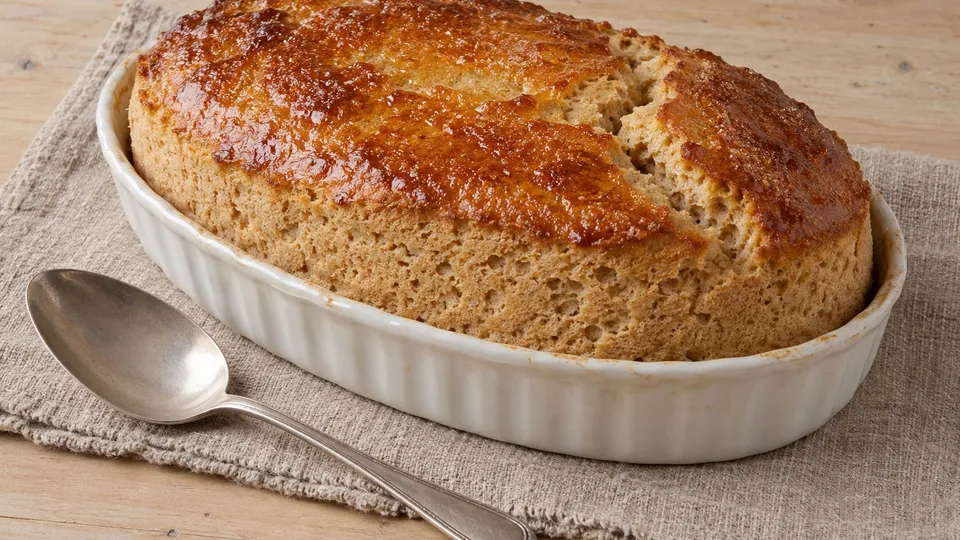
Chestnut Soufflé Omelette (1805)
Grimod’s chestnut soufflé omelette, 1805: a sweet cream of chestnut flour, egg yolks, milk, butter and sugar, cooked thick, folded into beaten whites and baked until risen.
Where Did the Victors Dine in Paris After Waterloo?
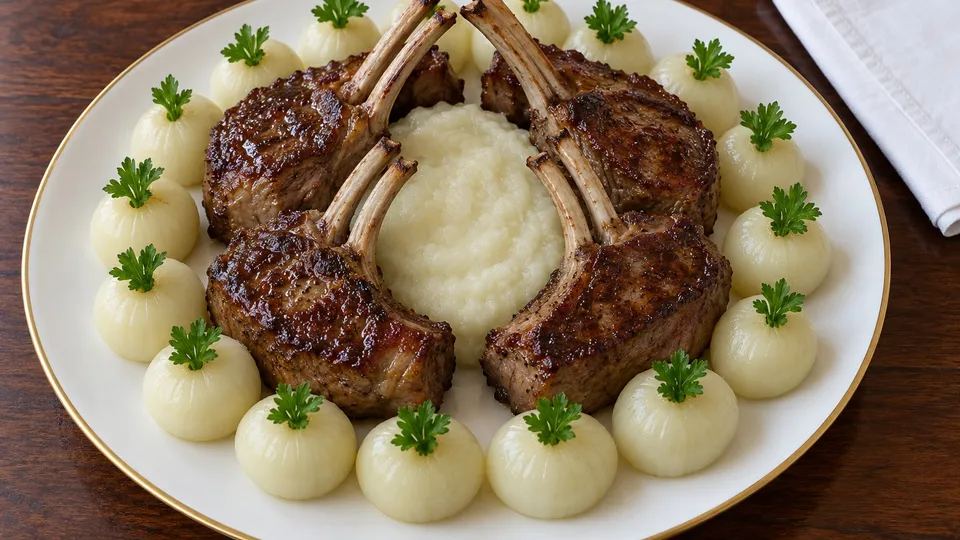
Lamb Cutlets à la Soubise (1814)
Lamb cutlets à la Soubise from Beauvilliers’s L’Art du cuisinier, 1814: double-rib cutlets larded with ham, braised, glazed in their own reduced liquor and ringed around a white onion purée.
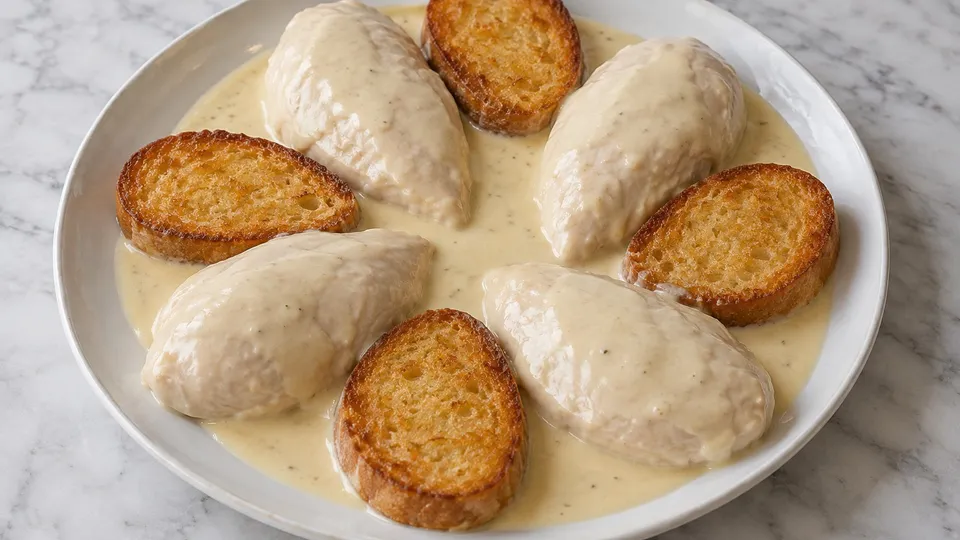
Chicken Suprême (1814)
Beauvilliers’s chicken suprême, 1814: breasts cooked white in butter and set in a crown with fried croûtons, under a sauce of reduced stock, velouté and butter.
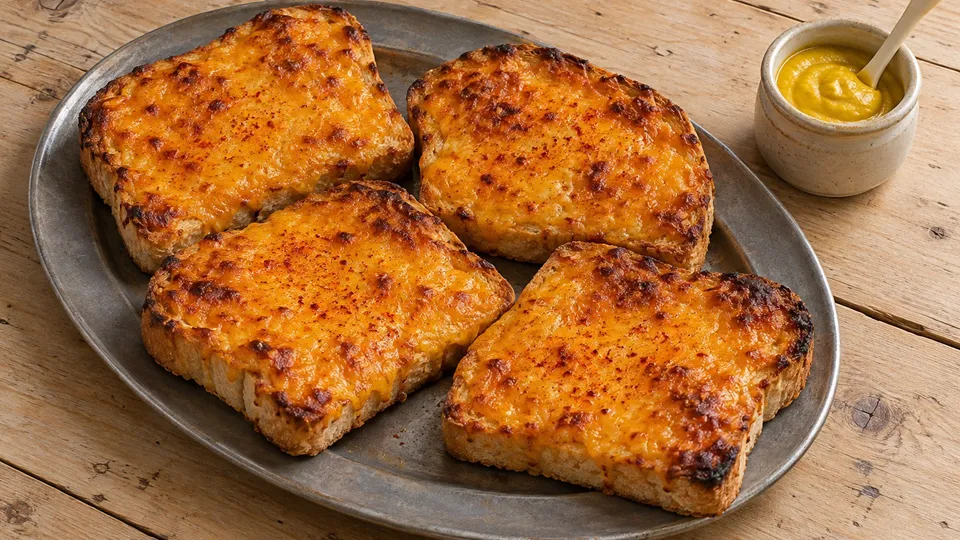
Welsh Rabbit (1814)
Gloucester cheese melted with a little water and Cayenne, spread on toast, browned and served with English mustard: a Paris restaurateur’s Welsh rabbit, 1814.
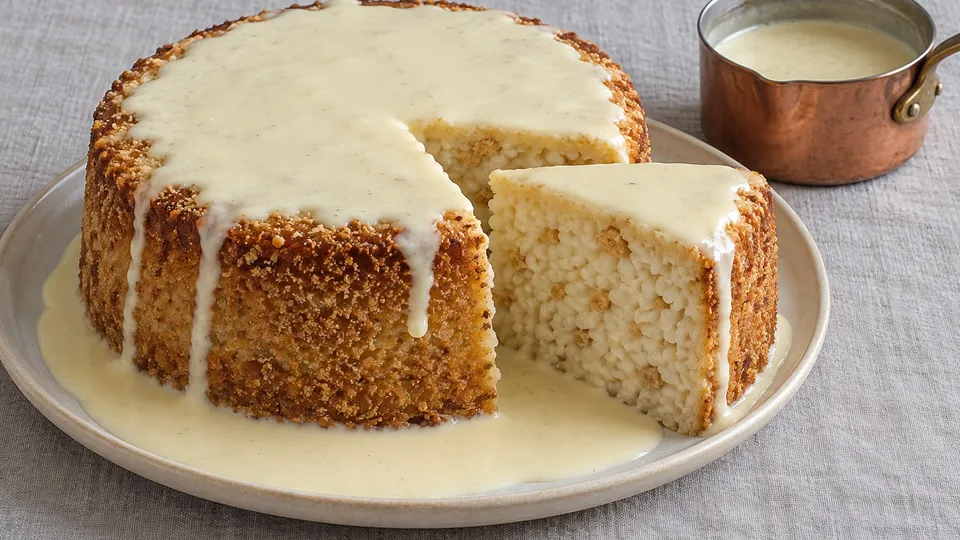
Rice Pudding with Macaroons (1814)
Beauvilliers’s rice pudding with macaroons, 1814: rice cooked firm in lemon milk, mixed with crushed bitter macaroons and eggs, baked in a mold and masked with an orange-flower cream sauce.
What Was in the Pot Accum Warned About in 1820?
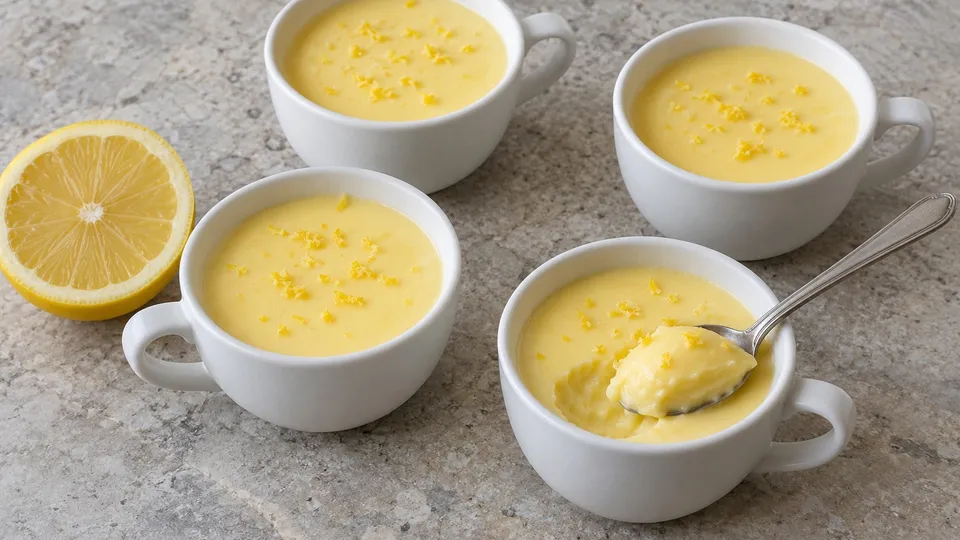
Lemon Custards (1806)
Maria Rundell’s lemon custards, 1806: egg yolks thickened with boiling water, grated lemon rind and sweetened juice, set in cups and eaten cold.
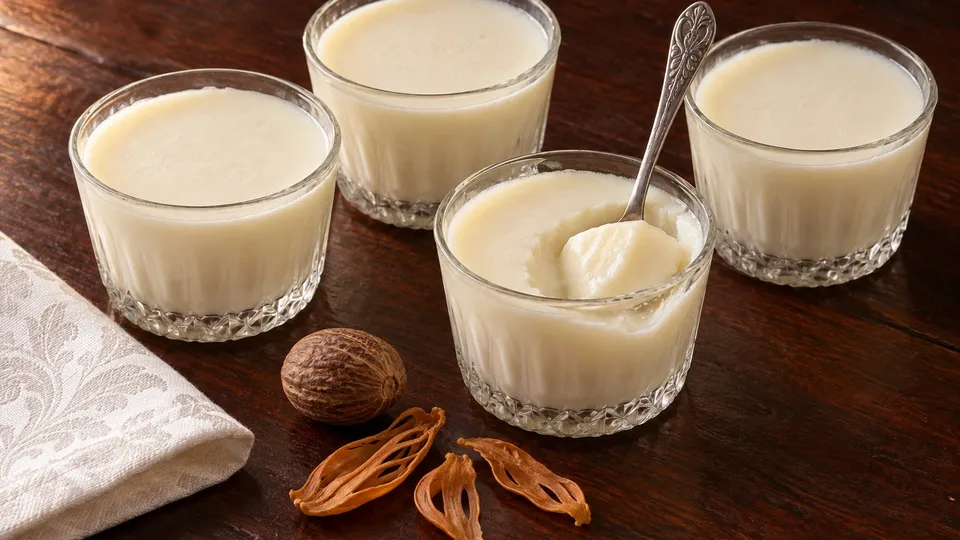
Arrowroot Blancmange (1837)
Eliza Leslie’s arrow root blanc-mange, Philadelphia, 1837: milk steeped with lemon, nutmeg and mace, strained, sweetened and set with arrowroot.
What Did the Cratchits Eat for Christmas Dinner?
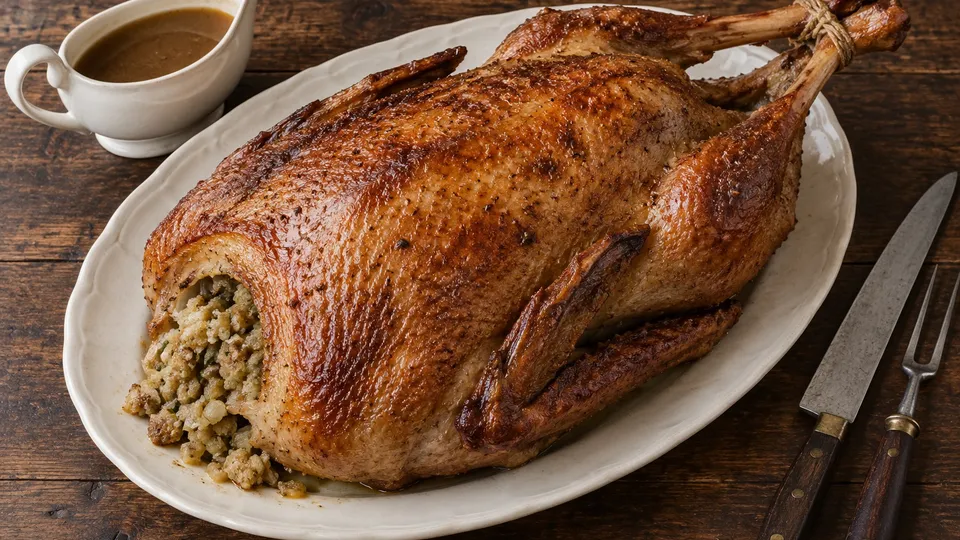
Roast Goose with Sage and Onion Stuffing (1861)
Isabella Beeton’s 1861 roast goose, stuffed with her mild sage and onion stuffing of parboiled onions and breadcrumbs, with a giblet gravy made ahead, for the goose at the Cratchits’ Christmas dinner.
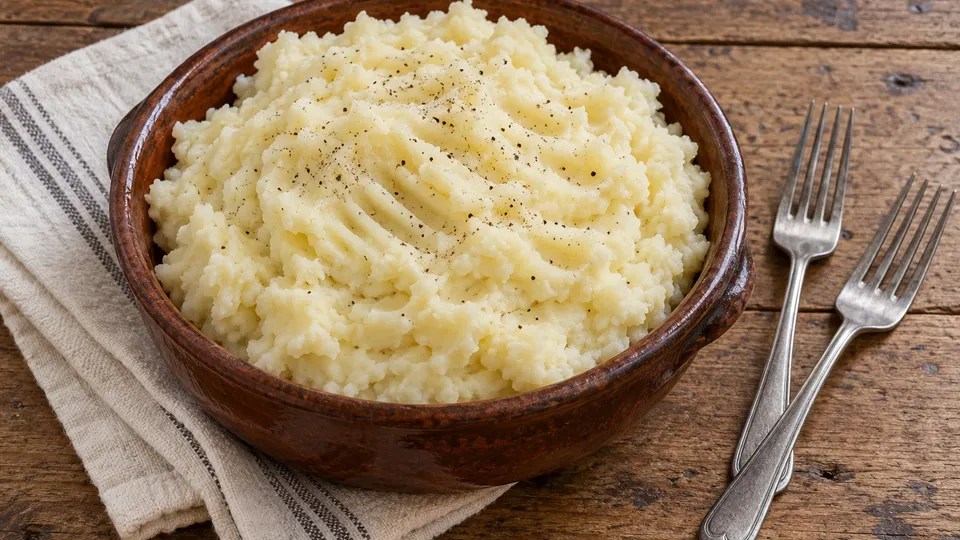
Mashed Potatoes (1854)
Alexis Soyer’s mashed potatoes from his 1854 cookbook for working families, beaten light with two forks and a little butter and milk, as served with the Cratchits’ Christmas goose.
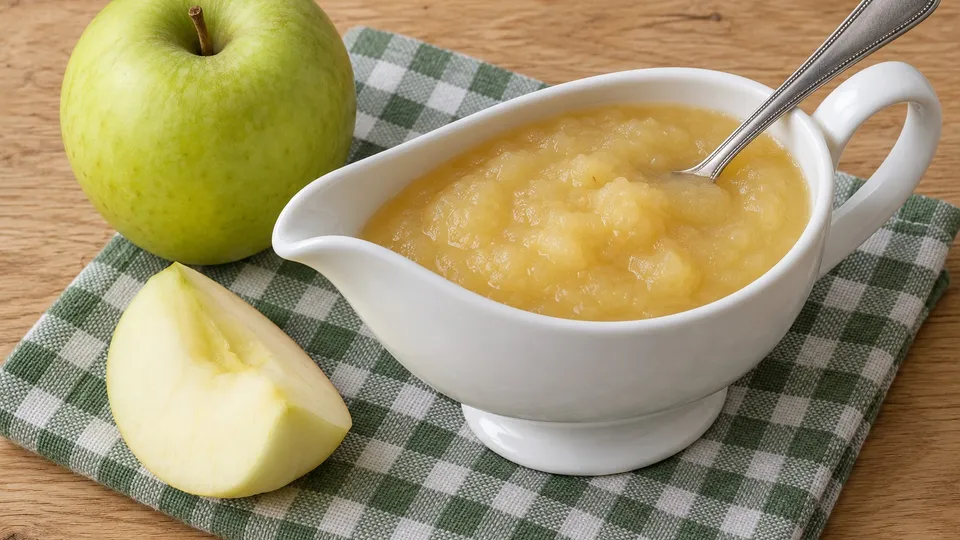
Apple Sauce for Goose (1861)
Isabella Beeton’s 1861 apple sauce for goose and pork: cooking apples boiled to a pulp with a little water, beaten with sugar to taste and a piece of butter.
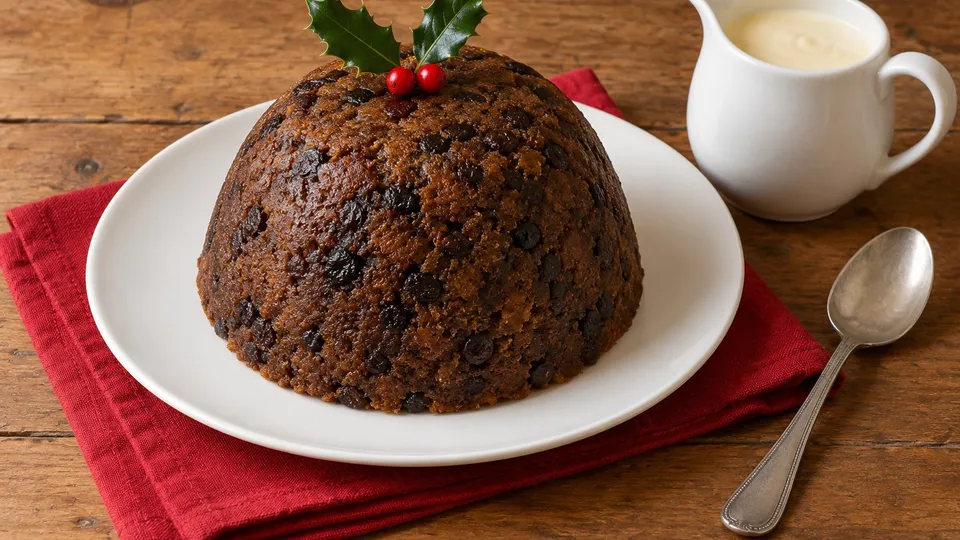
Plum Pudding (1854)
Alexis Soyer’s 1854 Christmas plum pudding of raisins, currants, suet, sugar, peel, flour and crumbs, boiled four hours in a mold: a working family’s Christmas pudding, with flour in it like Mrs. Cratchit’s.
How Did a Cook Make Ice Cream in Four Minutes in 1844?
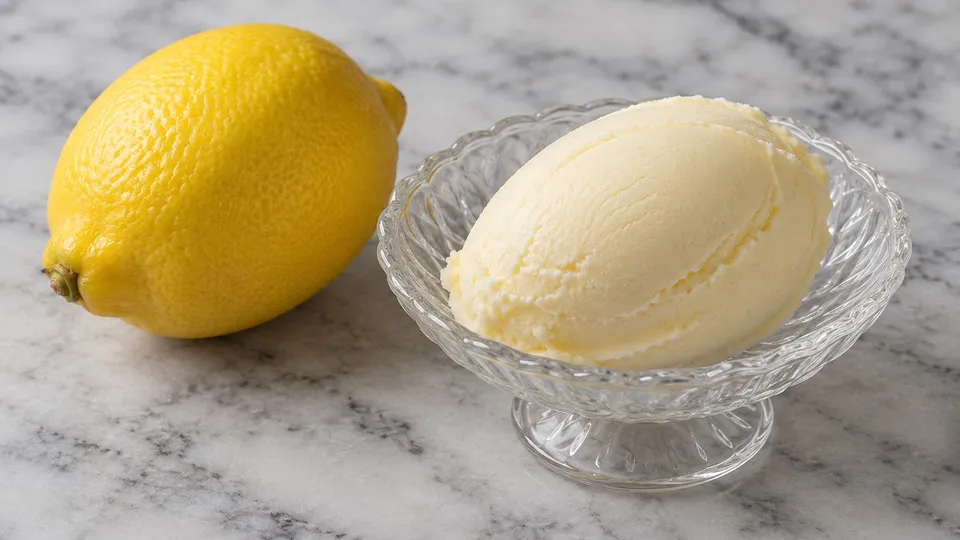
Lemon Ice Cream (1844)
Thomas Masters’s lemon ice cream of 1844: cream, sugar rubbed with lemon peel and the juice of two lemons, mixed cold and frozen.
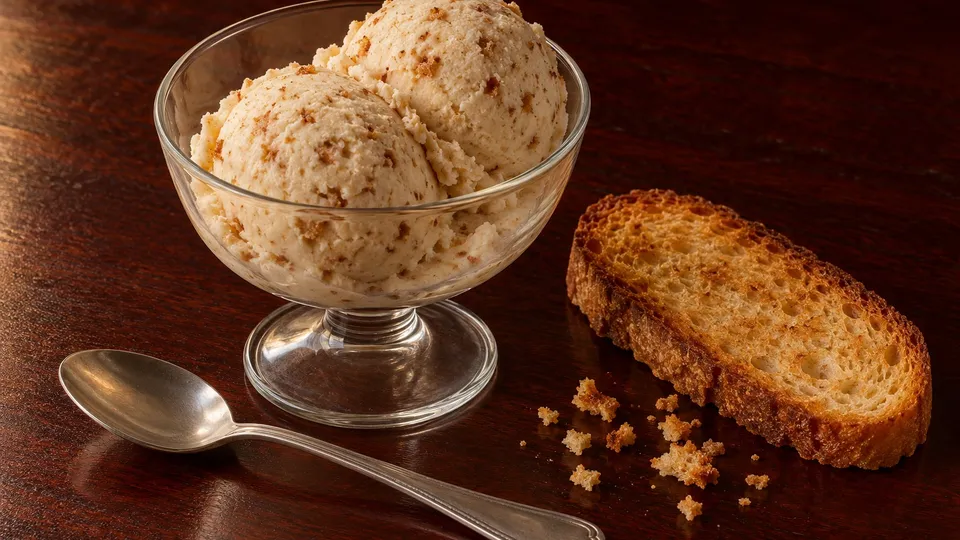
Brown-Bread Ice Cream (1844)
Brown-bread ice cream from Thomas Masters’s Ice Book of 1844: cream thickened with oven-browned bread and sponge fingers, frozen and finished with toasted crumbs and a little maraschino.
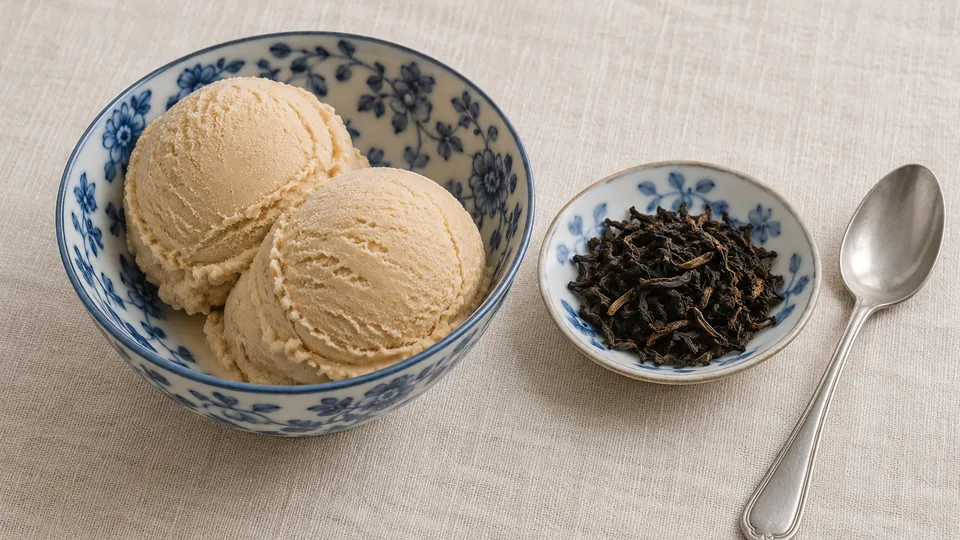
Howqua’s-Tea Ice Cream (1844)
Howqua’s-tea ice cream from Thomas Masters’s Ice Book of 1844: cream and sugar mixed with a cup of strong black tea and frozen. Howqua was the Western name of a great Canton tea merchant.
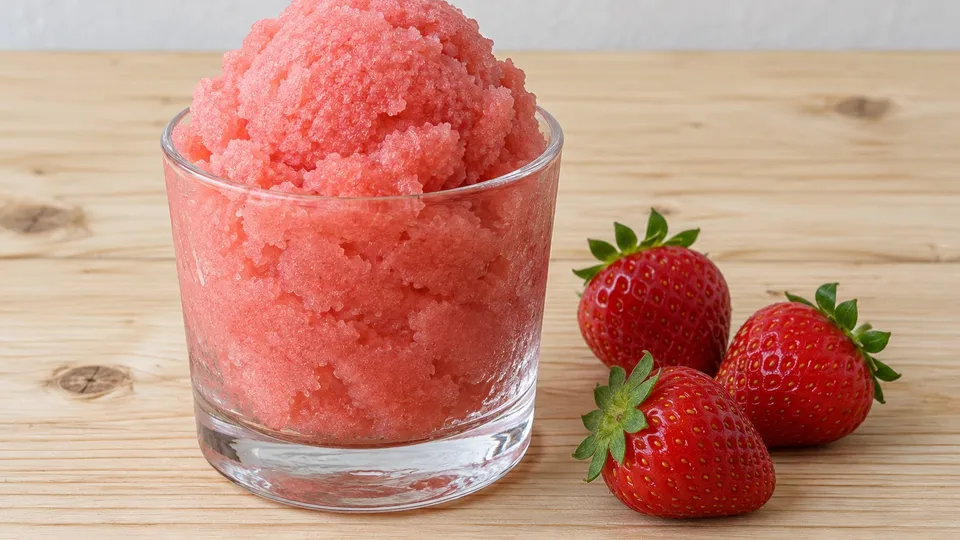
Strawberry Water Ice (1844)
Strawberry water ice from Thomas Masters’s Ice Book of 1844: strained strawberries, lemon and syrup frozen soft, in the flavor one of London’s first street ice sellers sold most.
What Did Soyer’s Dublin Soup Kitchen Serve in 1847?
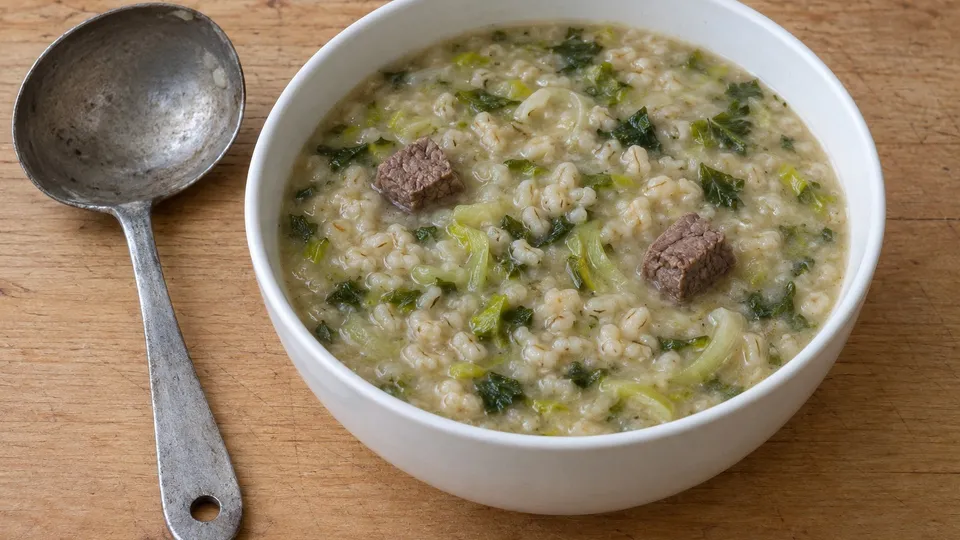
Soyer’s Soup No. 1 (1857)
Soyer’s Soup No. 1, his famine soup reprinted in 1857: a little beef fried with onion and vegetable trimmings, thickened with flour and pearl barley and simmered three hours.
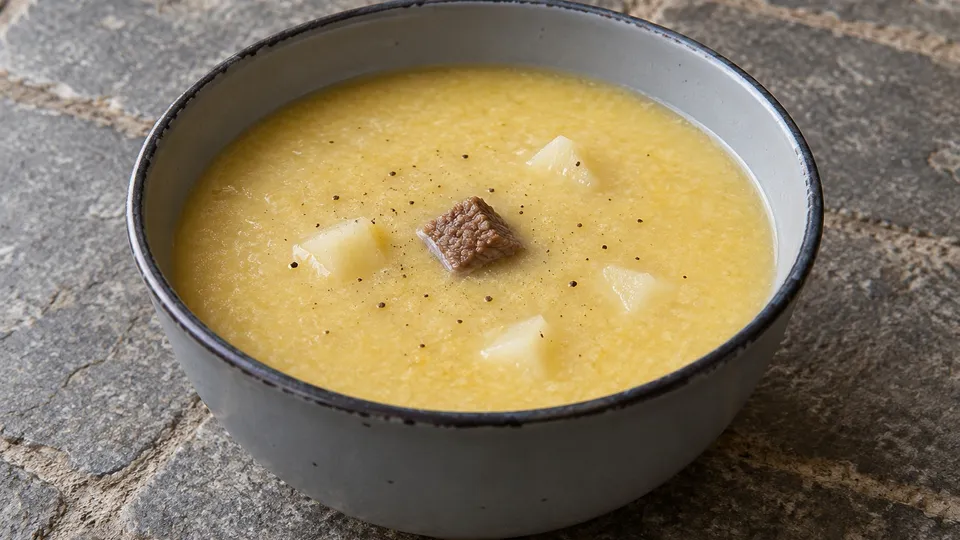
Soyer’s Soup No. 2 (1857)
Soyer’s Soup No. 2, his second receipt for the needy, printed in 1857: maize flour boiled two hours with a little beef and diced turnip, seasoned with garlic, mint and celery.
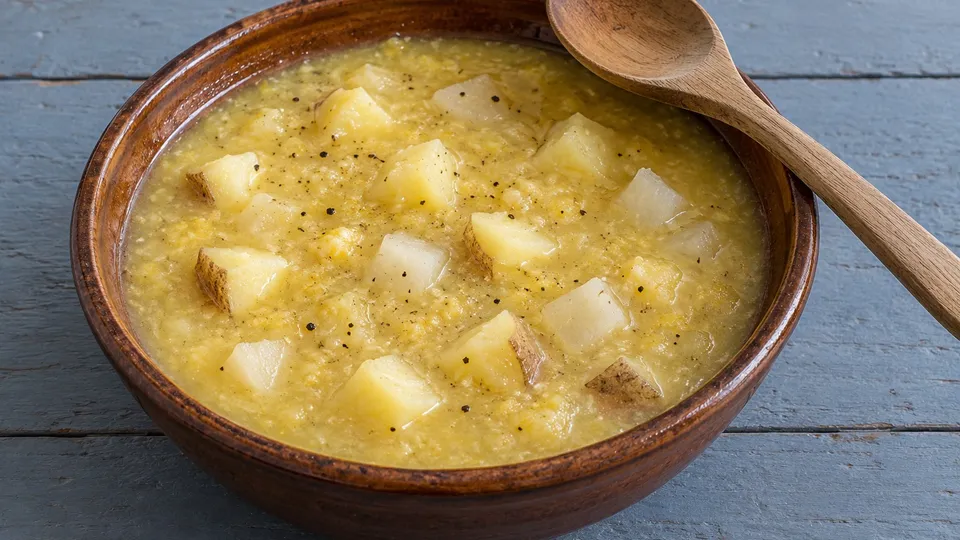
Soyer’s Potato Soup No. 3 (1857)
Soyer’s Potato Soup No. 3: his maize flour soup with a pound of diced potatoes boiled in for the last twenty minutes, written for famine families who could get potatoes once a week.
What Did Catherine Dickens Plan for a Winter Dinner Party?
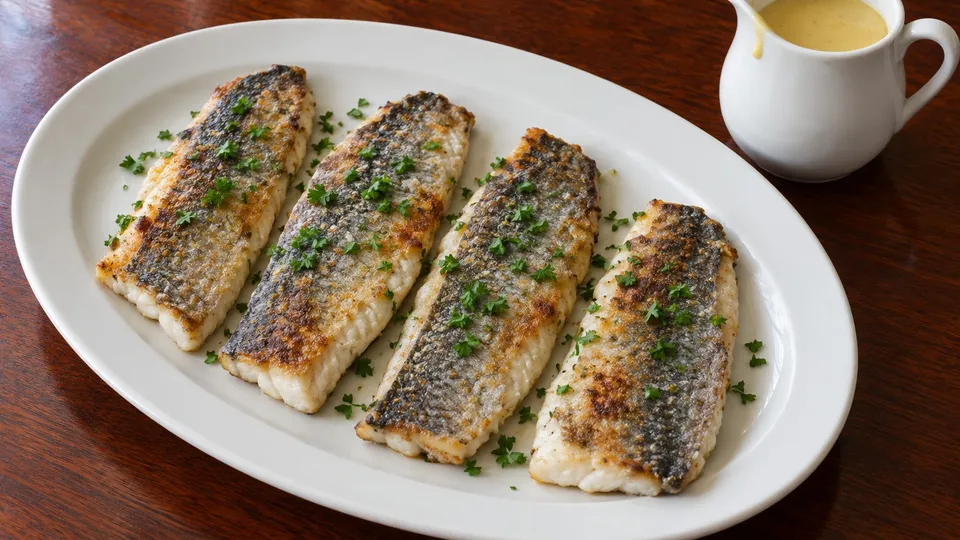
Broiled Herrings with Mustard Sauce (1846)
Broiled herring with mustard sauce from Alexis Soyer’s 1846 cookbook: floured fillets under the broiler, with a butter and Dijon mustard sauce in a jug.
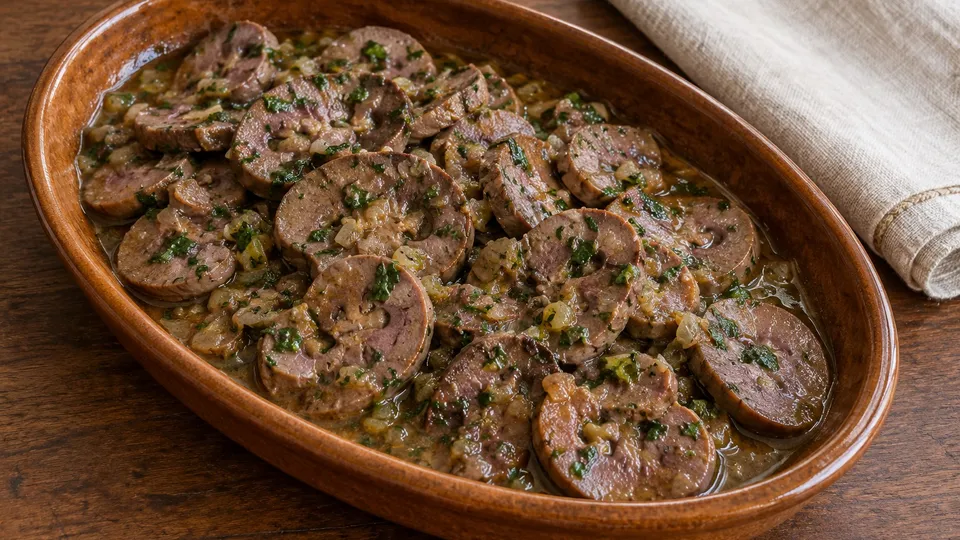
Stewed Kidneys with Sherry (1846)
Stewed kidneys in sherry sauce from Alexis Soyer’s 1846 cookbook: sliced beef kidneys browned with shallot, then simmered gently with sherry, parsley and bay.
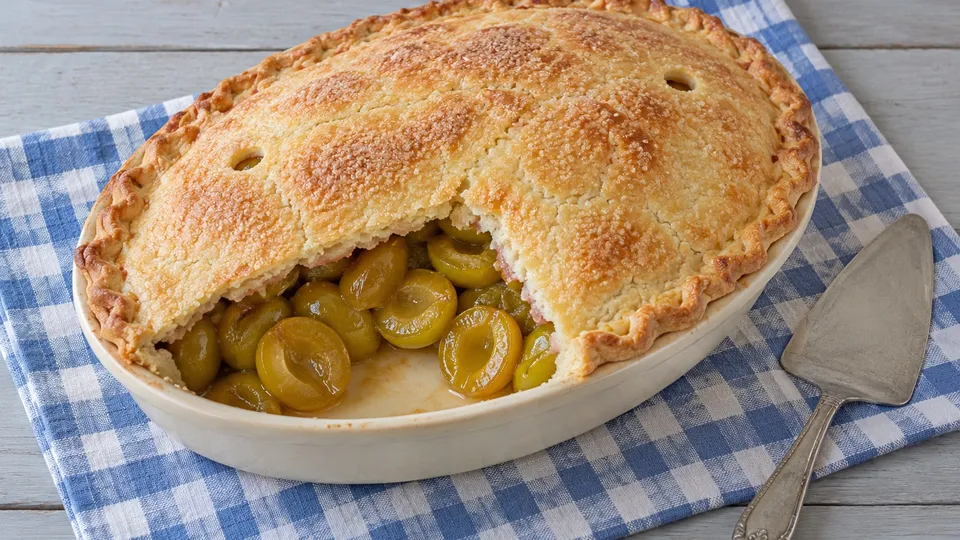
Greengage Tart (1846)
Greengage tart from Alexis Soyer’s 1846 cookbook: green plums domed in a pie dish under a sweet short-pastry lid, glazed with egg white and sugar, served cold.
What Was Served at the Dinner Inside the Iguanodon?
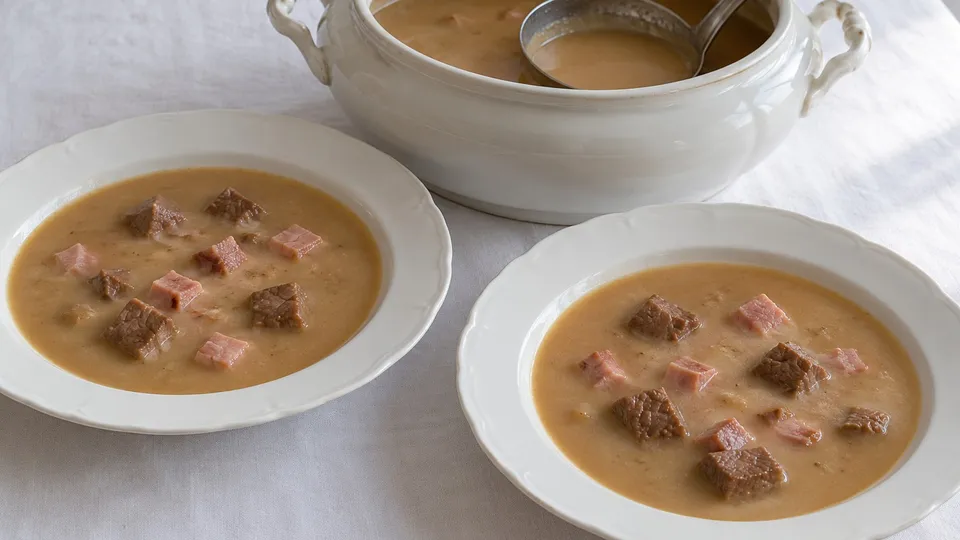
Mock Turtle Soup (1846)
Mock turtle soup after Alexis Soyer’s 1846 recipe: a light brown soup thickened with a roux, scented with savory, thyme, marjoram, basil and bay, with sherry.
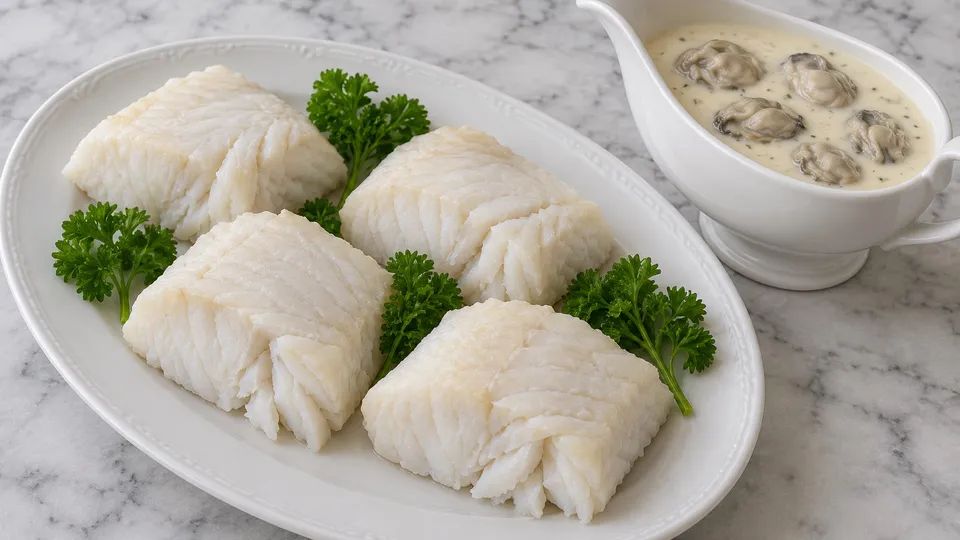
Cod with Oyster Sauce (1846)
Cod with oyster sauce after Alexis Soyer’s 1846 Cabillaud aux Huîtres: poached cod with parsley and a milk sauce of oysters, anchovy and mace in a boat.
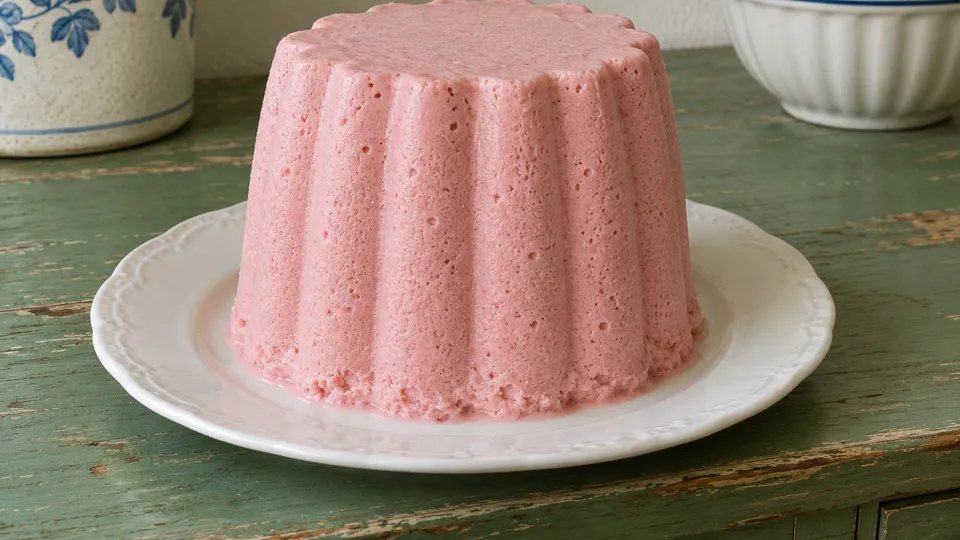
Strawberry Bavaroise (1846)
Strawberry Bavarian cream after Alexis Soyer’s 1846 Bavaroise aux Fraises: sieved strawberries set with gelatin, folded with whipped cream and turned out.
What Did Soyer Cook for the Soldiers at Scutari?
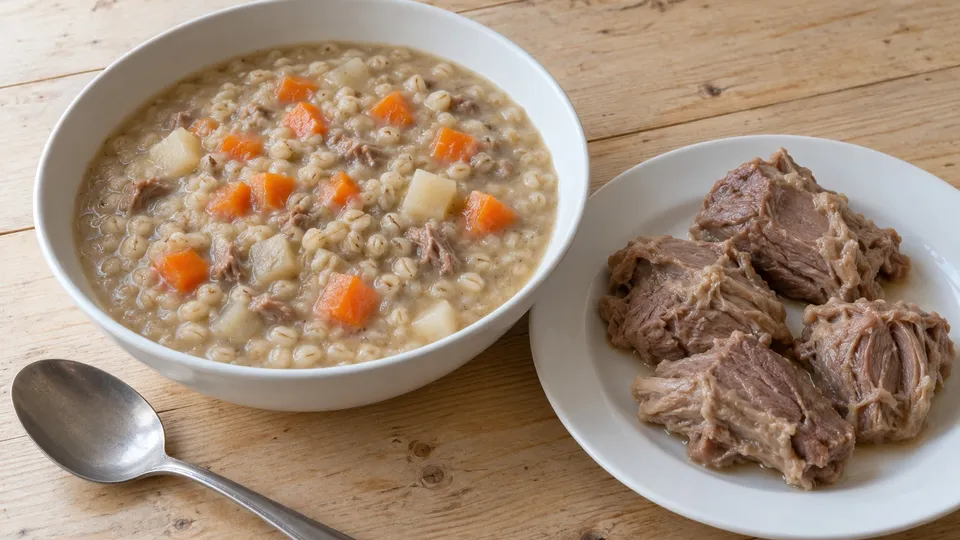
Semi-Stewed Mutton and Barley (1857)
Semi-stewed mutton and barley, Alexis Soyer’s hospital soup from Scutari: mutton or lamb simmered whole with barley, vegetables, salt, sugar and pepper, then thickened with a flour batter.
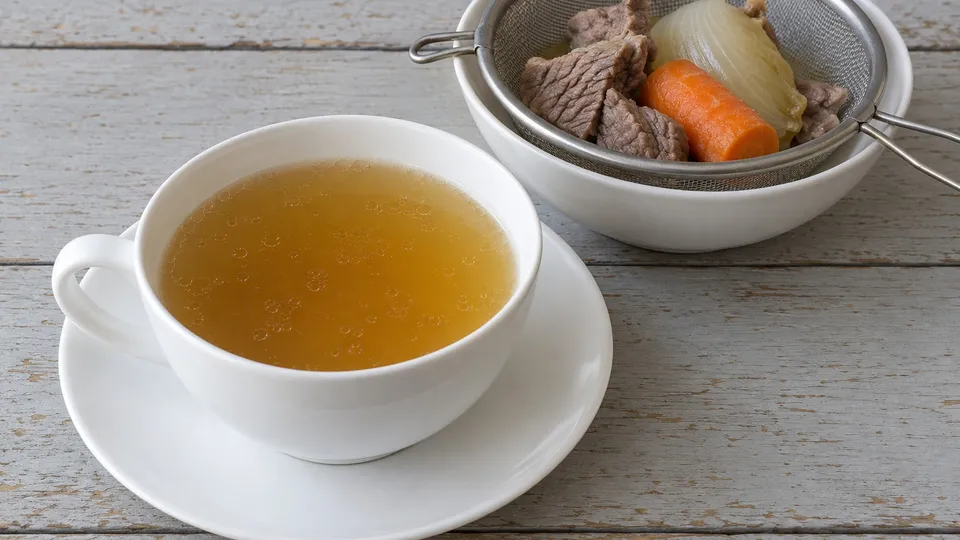
Beef Tea (1857)
Beef cooked down with butter, onion and carrot to a pale gravy, then simmered an hour in water and strained: Alexis Soyer’s beef tea from the Scutari hospitals.
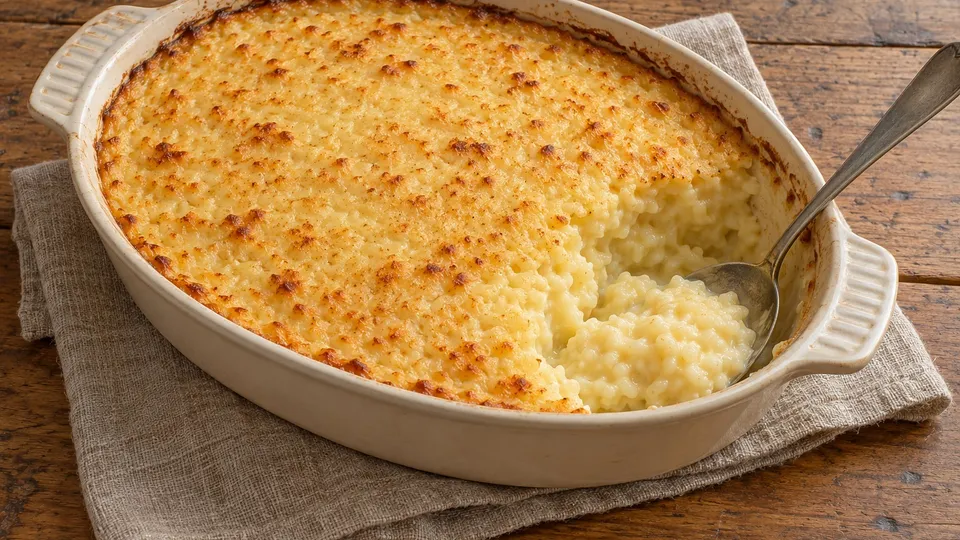
Rich Rice Pudding (1857)
Alexis Soyer’s rich rice pudding for the hospitals: rice simmered in milk and water with sugar, lemon peel and butter, then set with beaten eggs and baked quickly.
What Was Richmond Cooking in the Year of the Bread Riot?
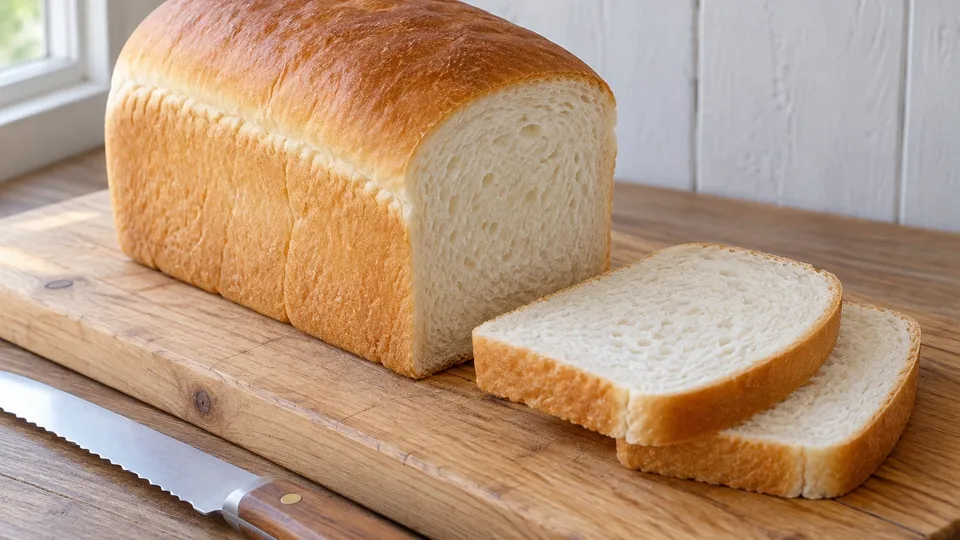
Rice Bread (1863)
Rice bread from the Confederate Receipt Book, printed in Richmond in 1863: a yeast loaf that stretches wheat flour with a cooked rice-flour paste.
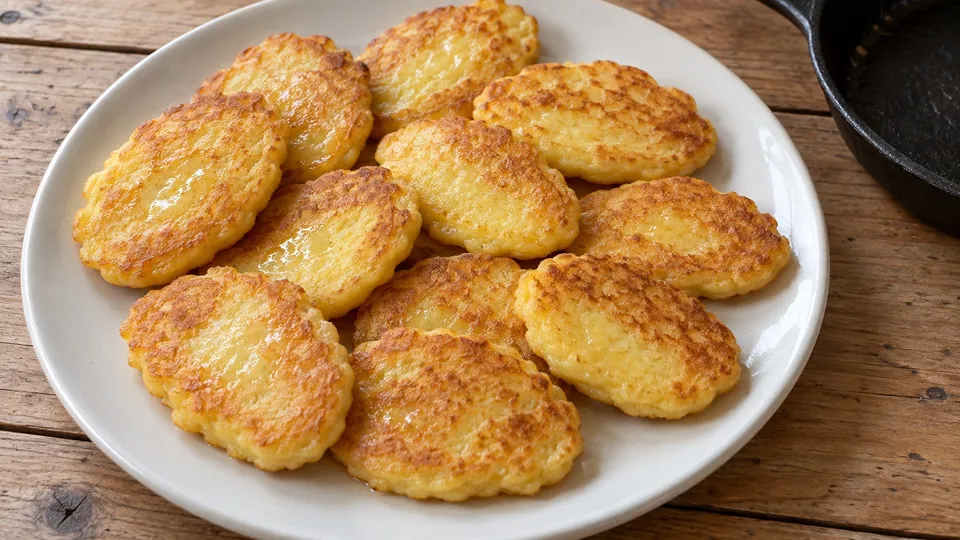
Artificial Oysters (1863)
Artificial oysters from the Confederate Receipt Book, printed in Richmond in 1863: grated green corn fritters, fried a spoonful at a time to the size of an oyster.
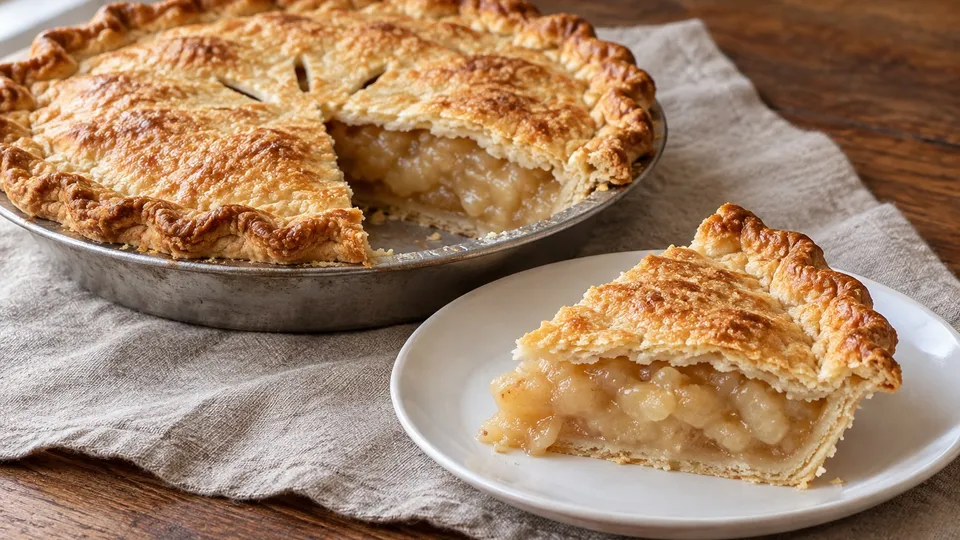
Apple Pie without Apples (1863)
An apple pie without apples from the Confederate Receipt Book of 1863: soaked crackers sharpened with tartaric acid, butter and nutmeg, in the same book’s potato pastry.
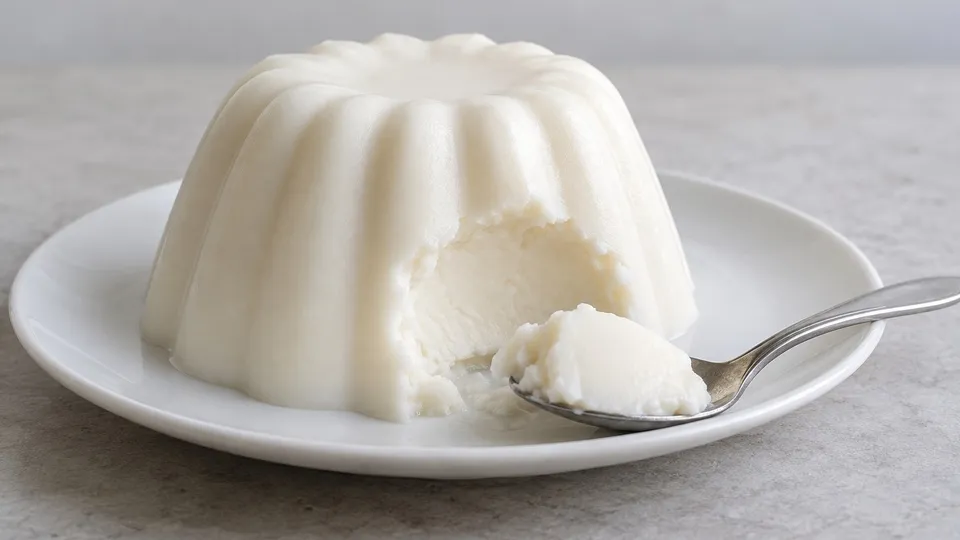
Rice Flour Blancmange (1863)
A rice flour blancmange from the Confederate Receipt Book, printed in Richmond in 1863: milk thickened with rice flour, sweetened, scented with rose water and molded.
What Was in the 1864 Sanitary Fair Cookbook?
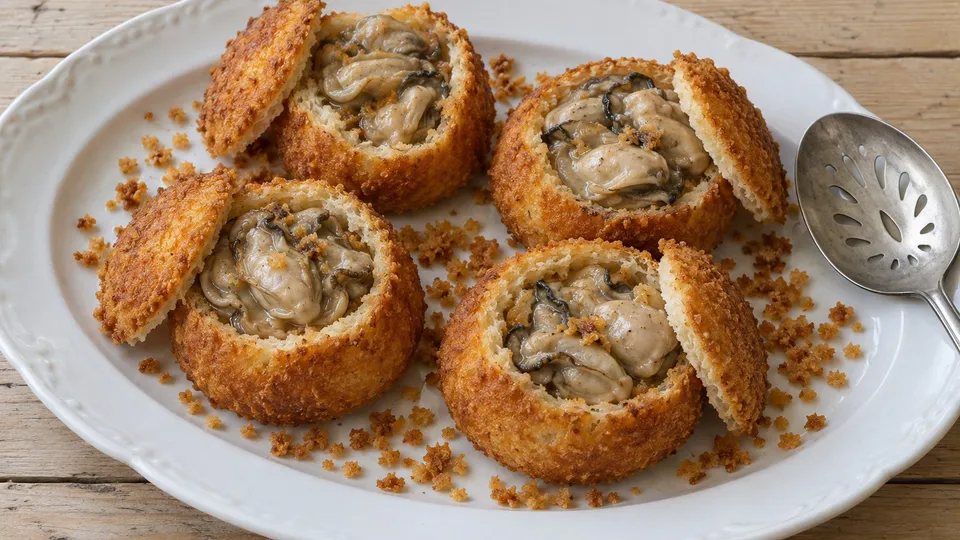
Oyster Loaves (1864)
Oyster loaves of 1864: small French rolls emptied, fried crisp in clarified butter and filled with oysters stewed in their liquor with white wine, gravy, lemon peel and mace.
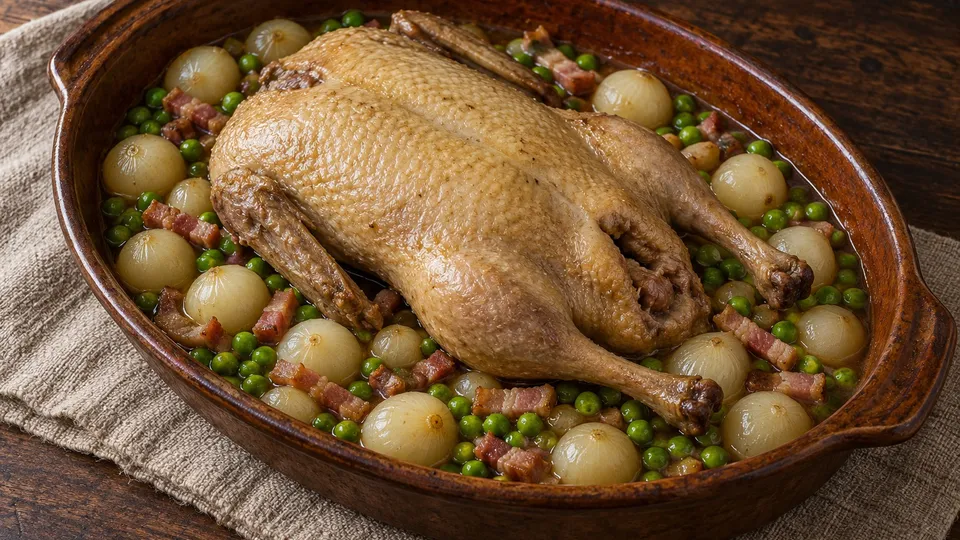
Stewed Duck and Peas (1864)
Stewed duck and peas from a recipe written as a poem: a whole duck stewed with butter, streaky bacon, twenty small onions, parsley, bay and cloves, finished with green peas.
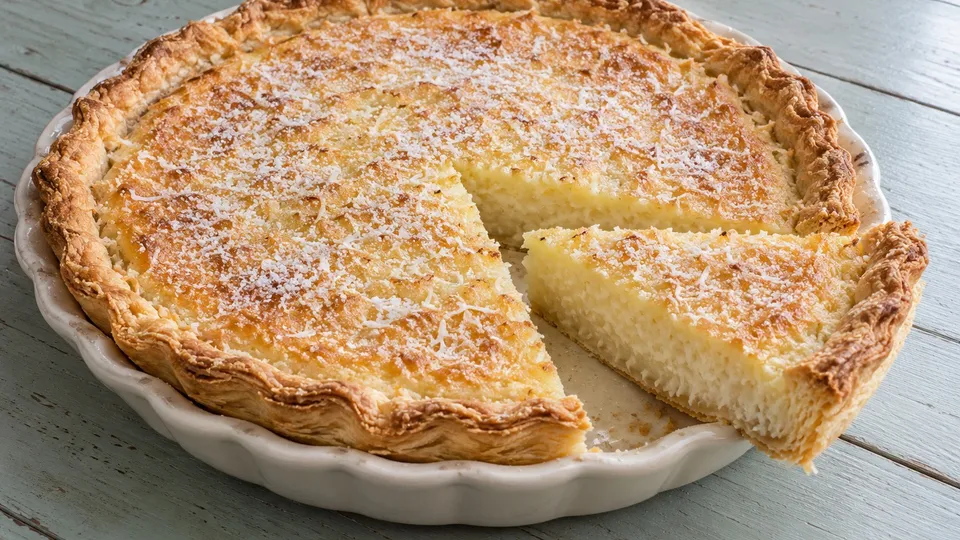
Cocoanut Pudding (1864)
A cocoanut pudding of 1864: freshly grated coconut folded into butter, sugar and stiffly beaten egg whites with rose water, wine and brandy, baked on puff pastry and dusted with sugar.
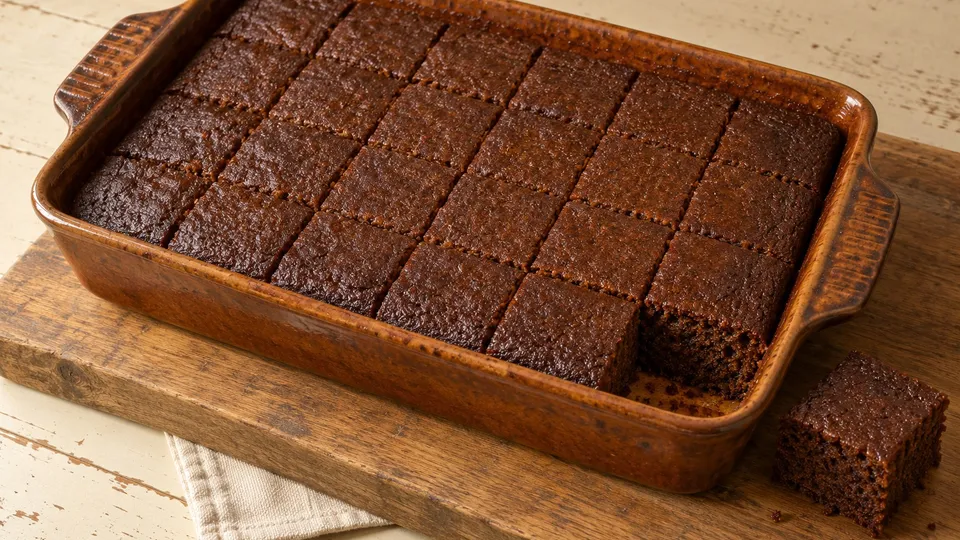
Lafayette Gingerbread (1864)
Lafayette gingerbread of 1864: a dark molasses cake with brown sugar, butter, five eggs, freshly ground cinnamon, allspice and cloves, a great deal of ginger and two lemons.
What Was on the Sweets Table at Lincoln’s Inaugural Ball?
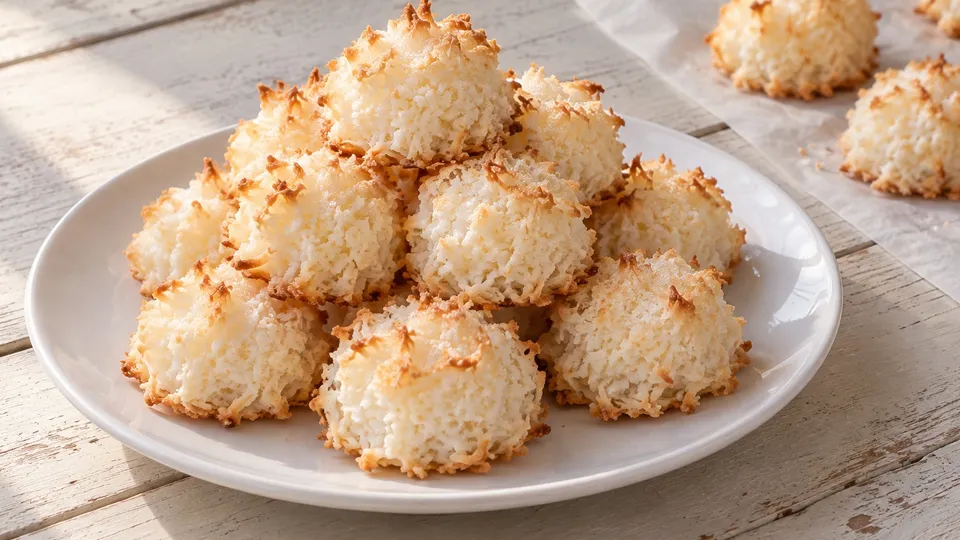
Cocoa-nut Maccaroons (1840)
Cocoa-nut maccaroons from Eliza Leslie’s best-selling American cookbook: little balls of grated coconut, sugar and beaten egg white, dusted with sugar and baked quickly.
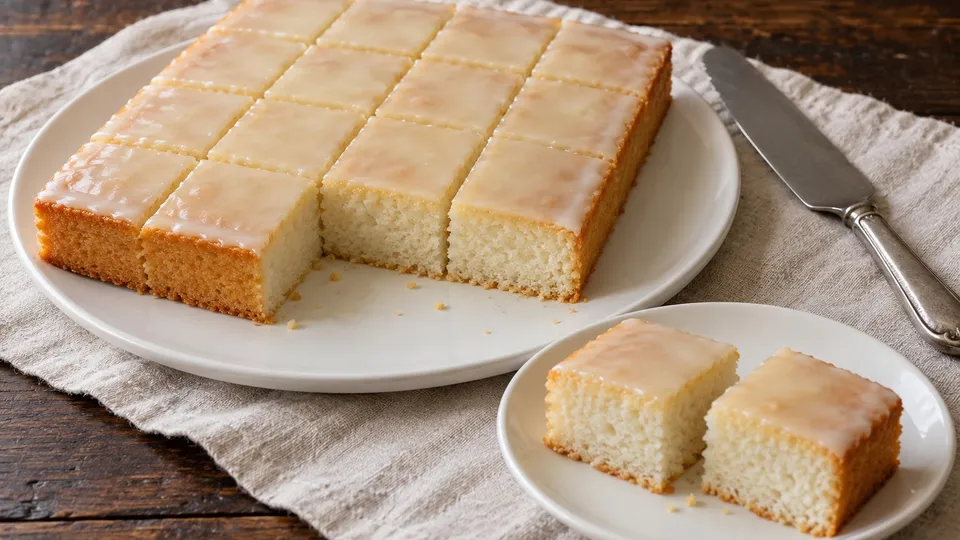
Lady Cake (1840)
Eliza Leslie’s lady cake, from her 1840 Directions for Cookery: a white almond butter cake raised only by beaten egg whites, baked in a square pan and iced with lemon.
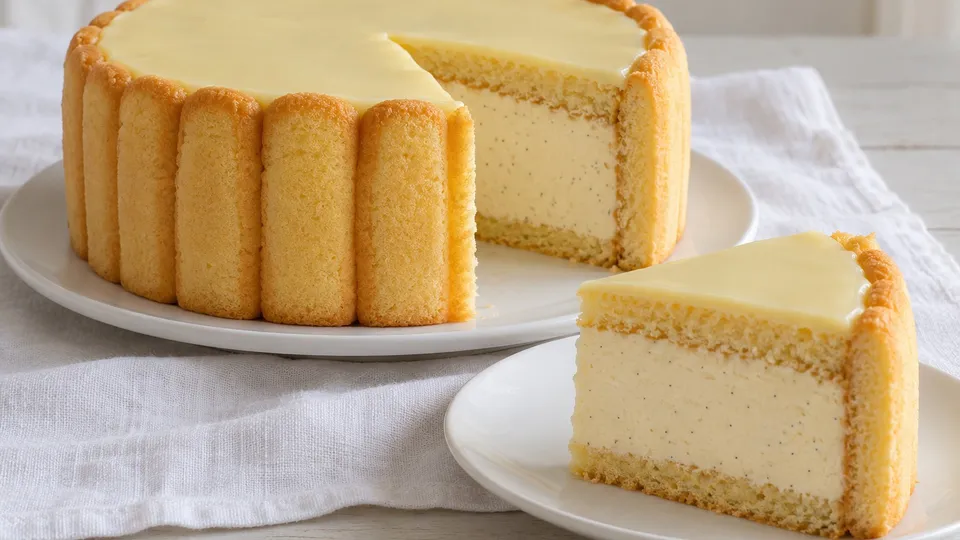
Charlotte Russe (1840)
Eliza Leslie’s charlotte russe, from her 1840 Directions for Cookery: vanilla custard and whipped cream set in a straight-sided mold lined with sponge cake, turned out and iced with lemon.
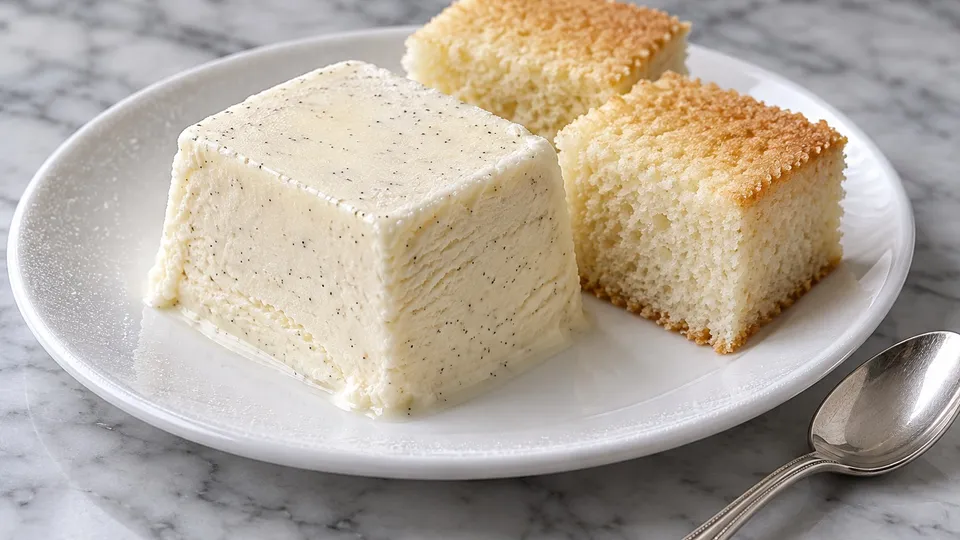
Vanilla Ice Cream (1840)
Eliza Leslie’s vanilla ice cream, 1840: cream sweetened with vanilla-steeped milk and sugar, churned, then packed into a mold and frozen a second time.
How Was Bread Baked at a Frontier Fort?
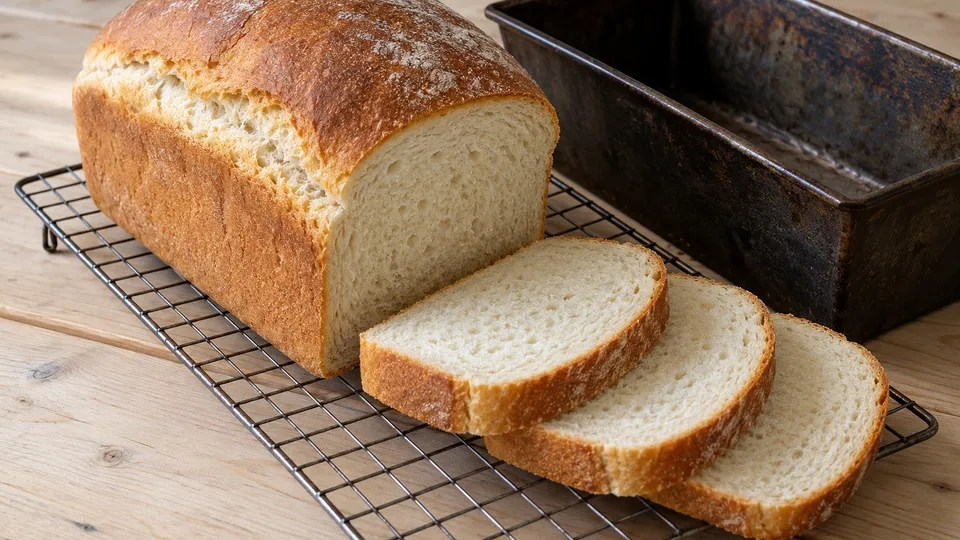
Army Potato Bread (1862)
Army potato bread from Captain Sanderson’s 1862 handbook for the troops: a one-pound loaf raised on an overnight ferment of potatoes, flour and yeast, cut down from an army baker’s method.
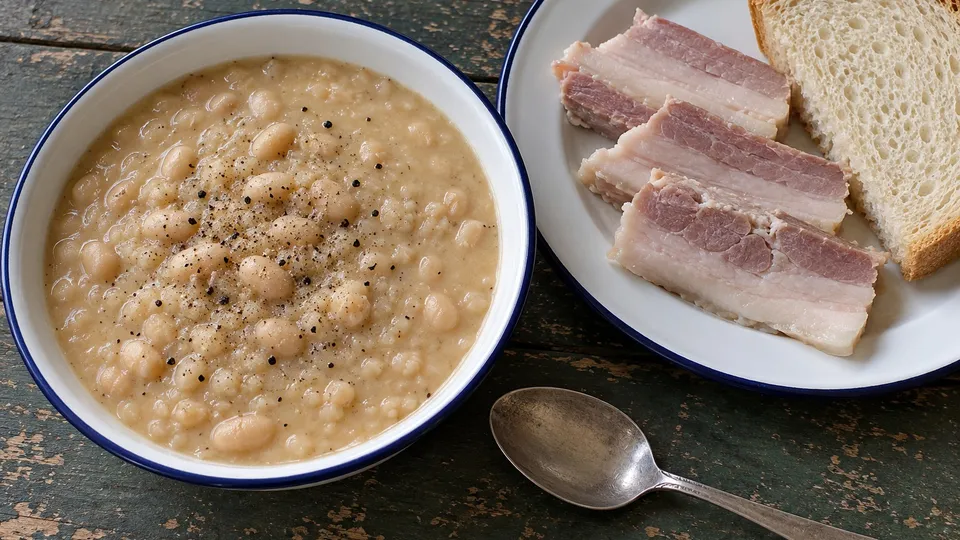
Pork and Bean Soup (1862)
Pork and bean soup from the company kitchen in Sanderson’s 1862 army handbook: navy beans boiled with salt pork, finished with onion, pepper and a dash of vinegar and mashed thick, the pork served on the side.
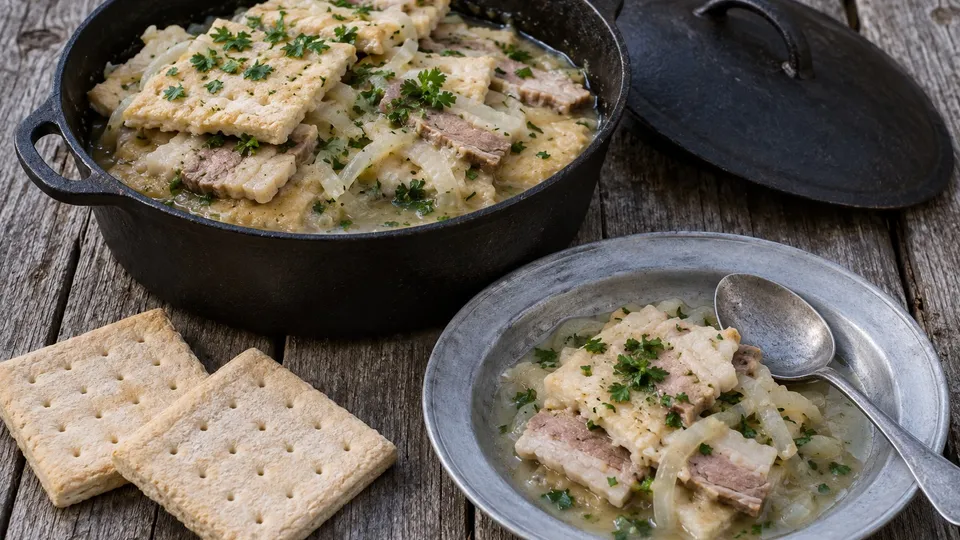
Salt Pork and Hard Bread (1896)
Salt pork and hard bread from the field-cooking pages of the War Department’s 1896 Manual for Army Cooks: hardtack soaked soft and layered in a pot with boiled salt pork, onions and parsley, then stewed gently.
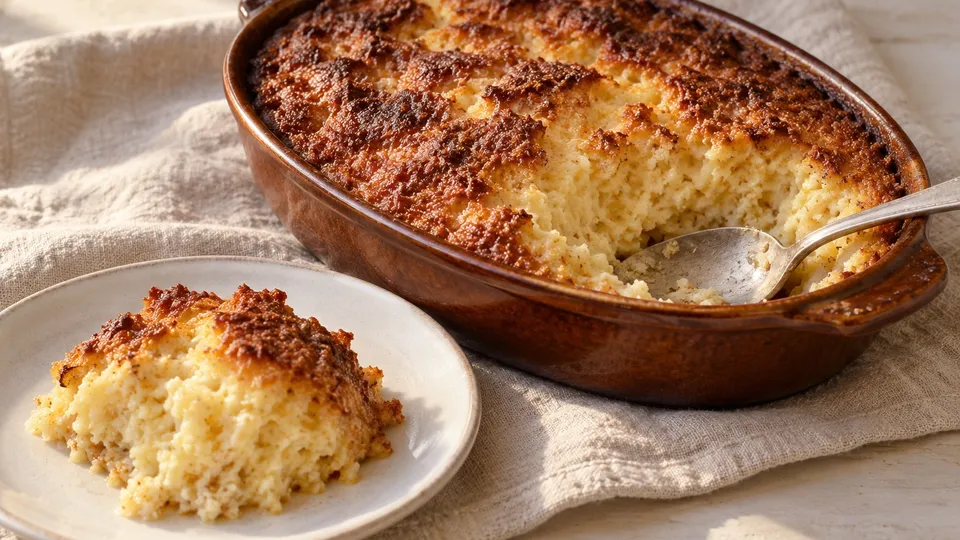
Baked Bread Pudding (1896)
A baked bread pudding from the War Department’s 1896 Manual for Army Cooks: dry crumbs soaked in boiling milk, enriched with egg yolks, butter and a little sugar, lightened with beaten whites and baked brown.
What Was on the Menu at the Suez Canal Opening in 1869?
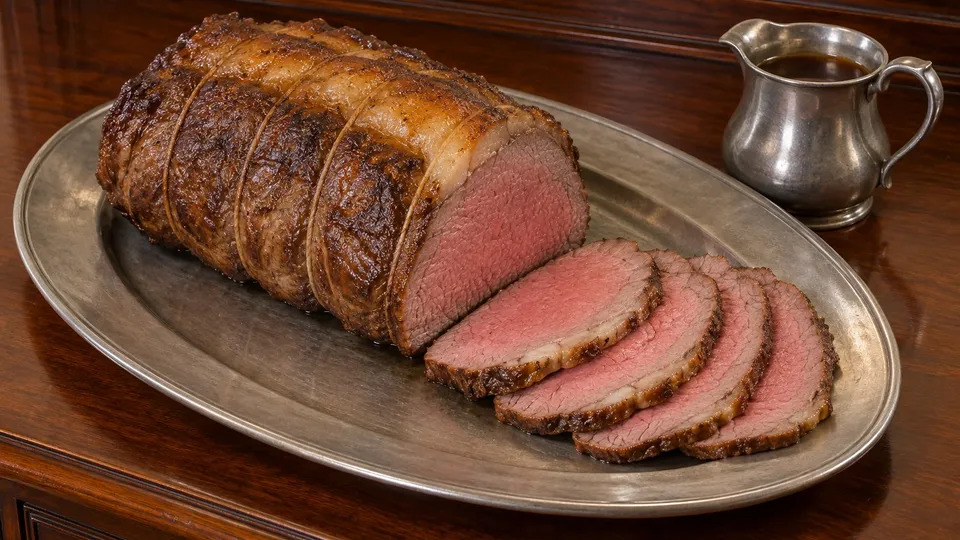
Roast Sirloin of Beef (1868)
Jules Gouffé’s roast sirloin of beef, 1868: a tied joint roasted plain, with no seasoning before it cooks, and its own juices poured over at the table.
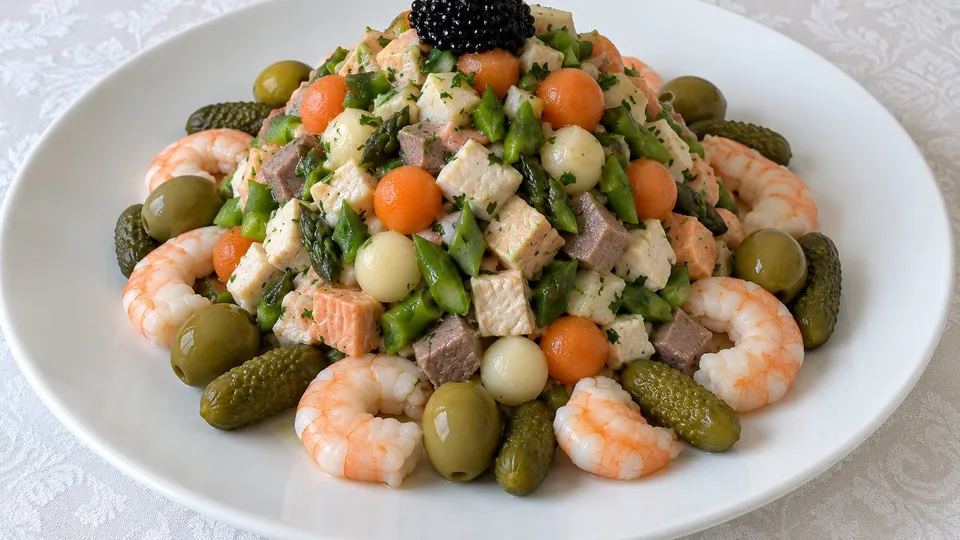
Russian Salad (1868)
Gouffé’s 1868 Russian salad: chicken, partridge, salmon and anchovy with small carrots, turnips, asparagus and beans in oil, vinegar and herbs.
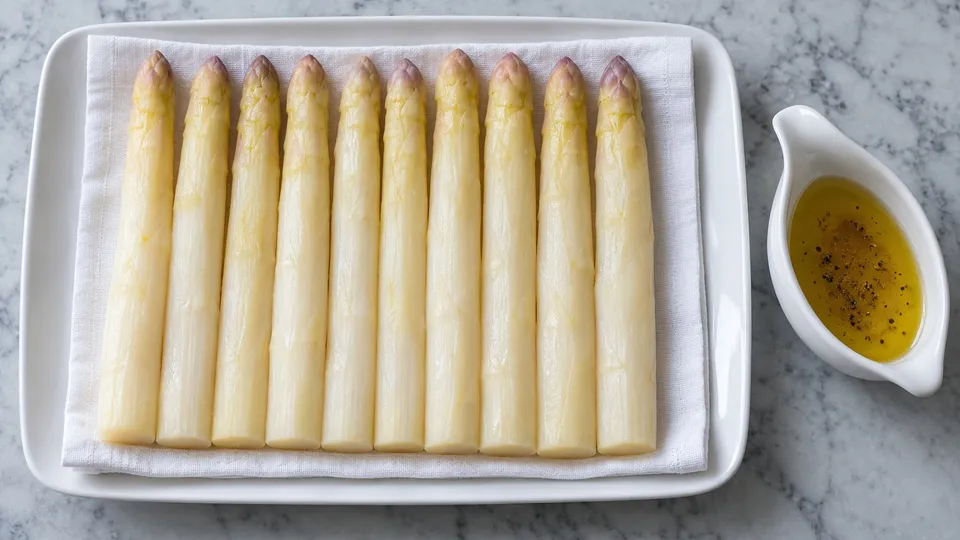
Asparagus with Oil and Vinegar (1868)
Gouffé’s cold asparagus with oil and vinegar, 1868: spears scraped, tied in bundles, boiled in salted water, chilled and served on a napkin with the dressing in a boat.
What Did Paris Eat Under Siege in 1870?
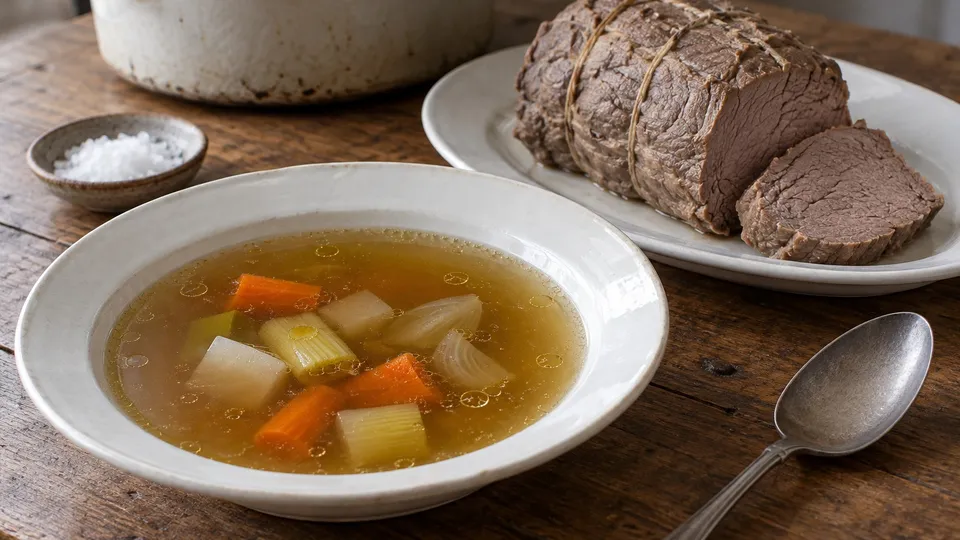
Pot-au-Feu (1868)
Jules Gouffé’s everyday pot-au-feu of 1868: a piece of beef and a bone simmered for hours with carrot, onion, leeks, turnip, parsnip and celery into a clear broth, with the boiled beef kept for another meal.
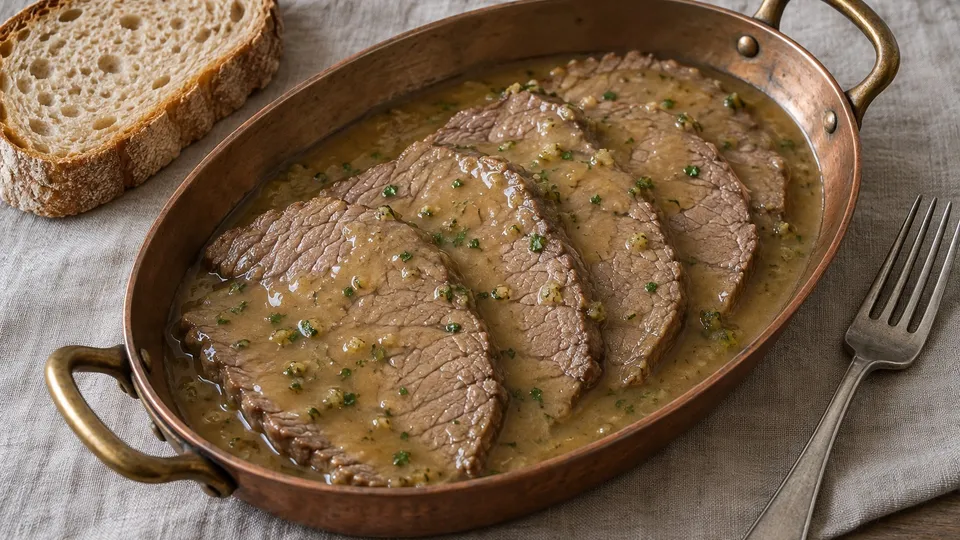
Boiled Beef with Sauce Piquante (1868)
Boiled beef with sauce piquante from Gouffé’s 1868 Royal Cookery Book: slices from a pot-au-feu warmed in broth under a sharp sauce of shallots, vinegar, gherkins and parsley.
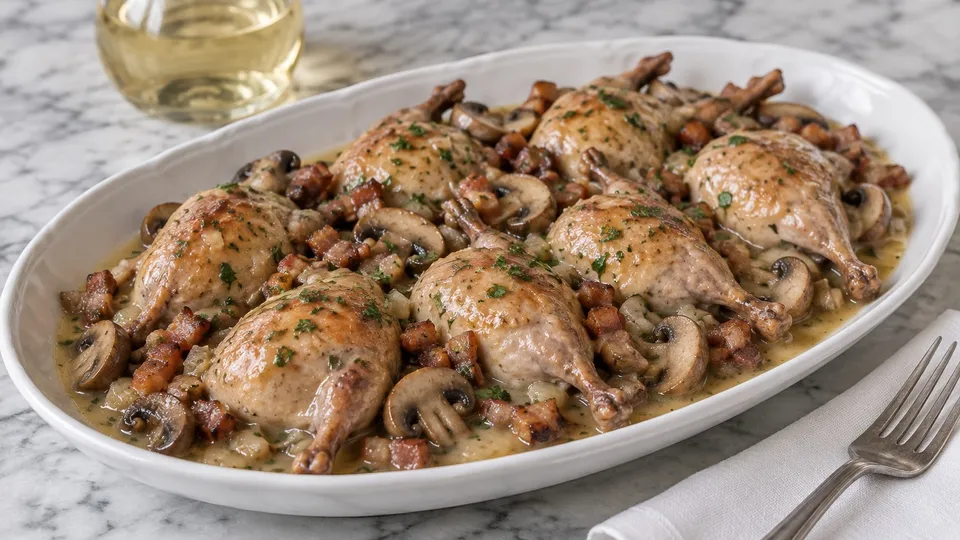
Salmi of Quail (1868)
A salmi of quail after Jules Gouffé’s quick household salmi of larks of 1868: quail browned with bacon and mushrooms, dusted with flour and finished in hot white wine with parsley.
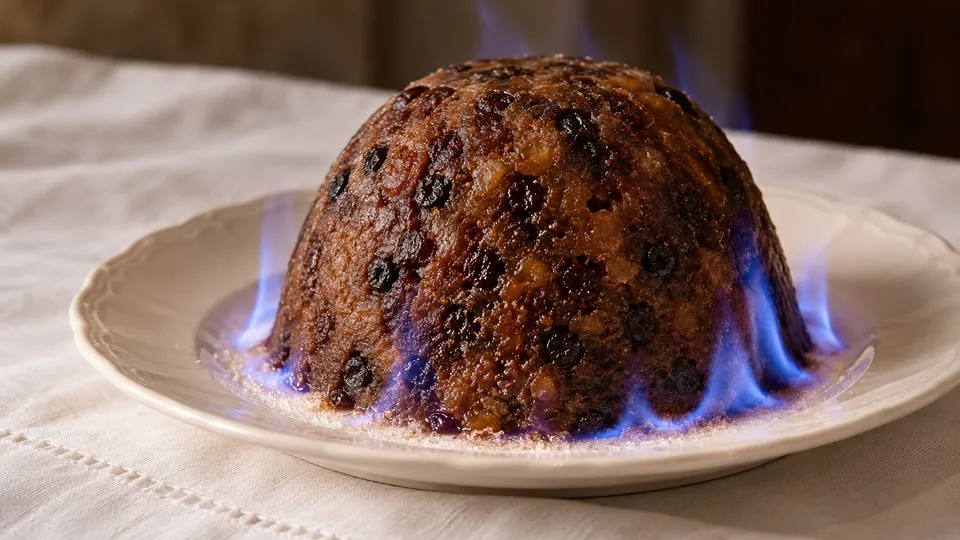
Plum Pudding with Rum (1868)
Jules Gouffé’s plum pudding with rum, 1868: suet, raisins, currants, candied peel, breadcrumbs and apple, mixed with rum, boiled four hours in a mold and flamed with warm rum at the table.
What Did a Total Abstinence Candy Society Eat Instead?
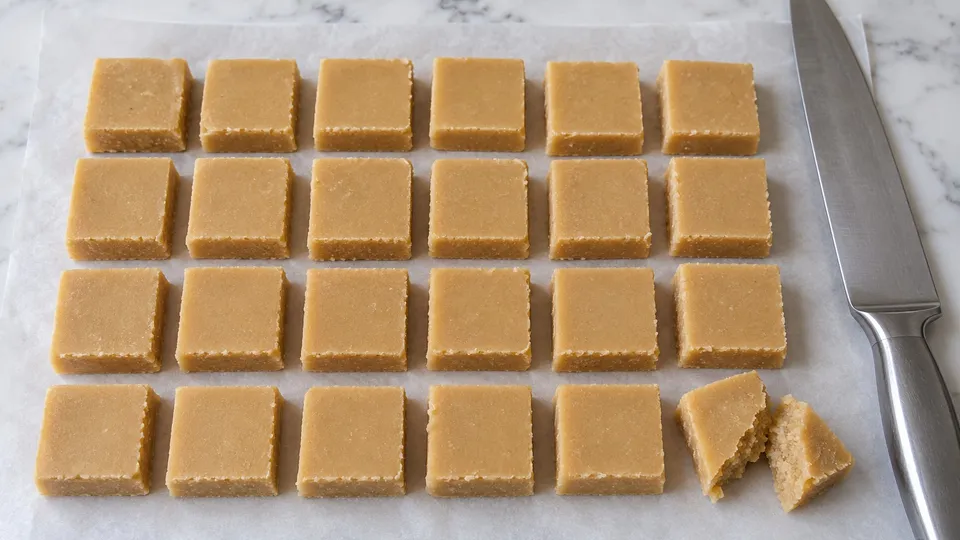
Maple Cream Candy (1884)
Maple cream candy after the one a Chicago candy maker sold over the counter in 1884: maple syrup boiled to a soft ball, cooled and stirred until pale and creamy, then set in a pan and cut into squares.
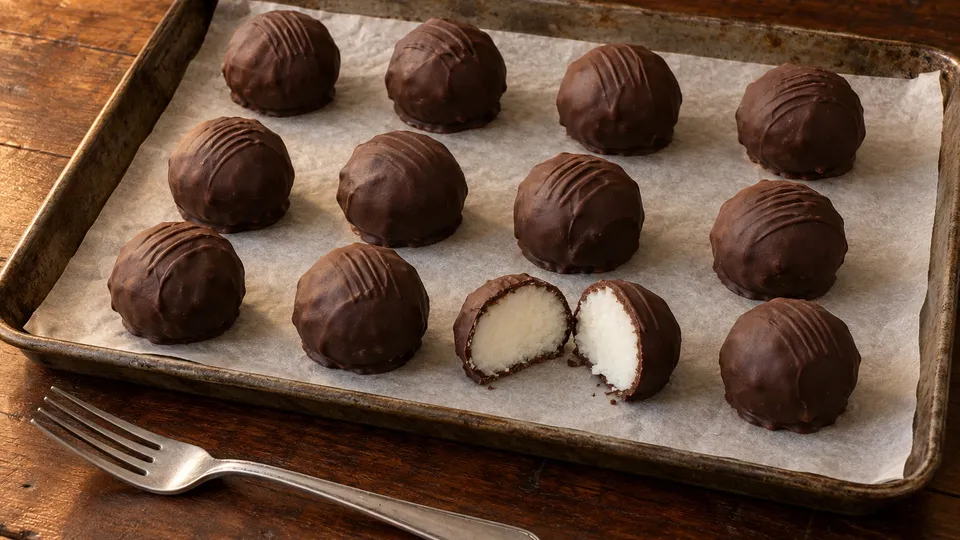
Chocolate Cream Drops (1884)
Balls of soft white fondant dipped in sweet chocolate melted with a little ground cinnamon, after the chocolate cream drops in an 1884 Chicago candy maker’s trade manual.
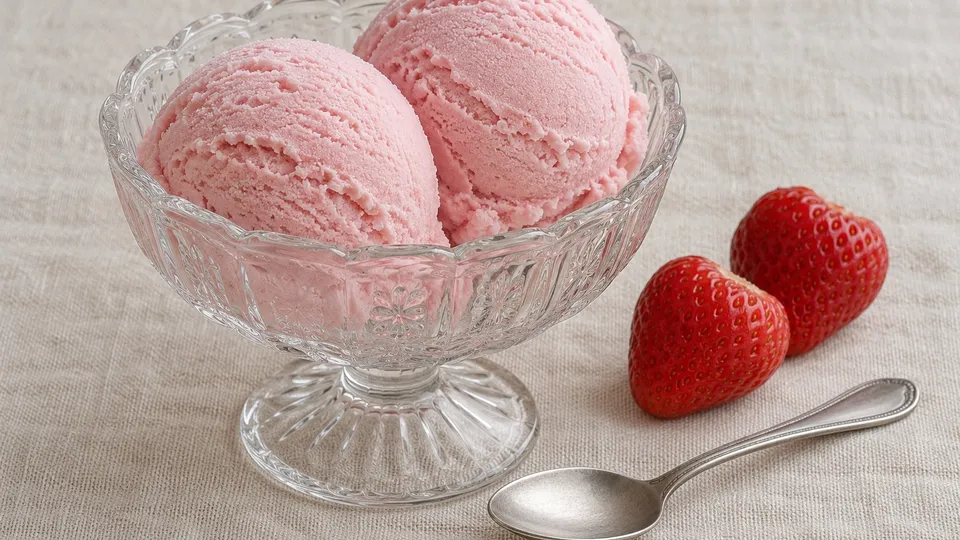
Strawberry Ice Cream (1896)
Fannie Merritt Farmer’s strawberry ice cream, from her Boston Cooking-School Cook Book of 1896: fresh berries sugared, mashed and sieved, folded into a light cream base thickened with a little arrowroot.
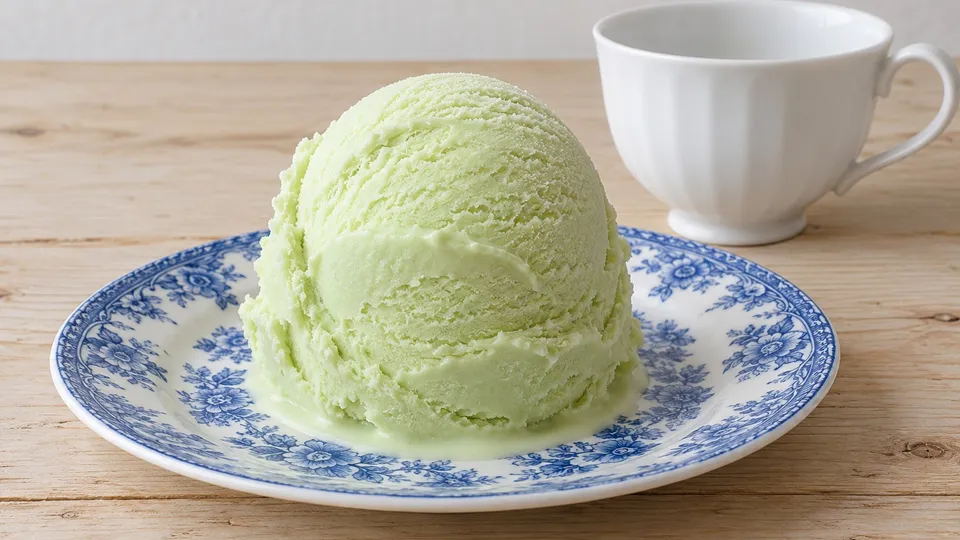
Pistachio Ice Cream (1896)
Pistachio ice cream with no pistachios in it: a pale green custard ice cream flavored with vanilla and almond, after Fannie Merritt Farmer’s Boston Cooking-School Cook Book of 1896.
What Did the Southwest’s Tamales Look Like in Print?
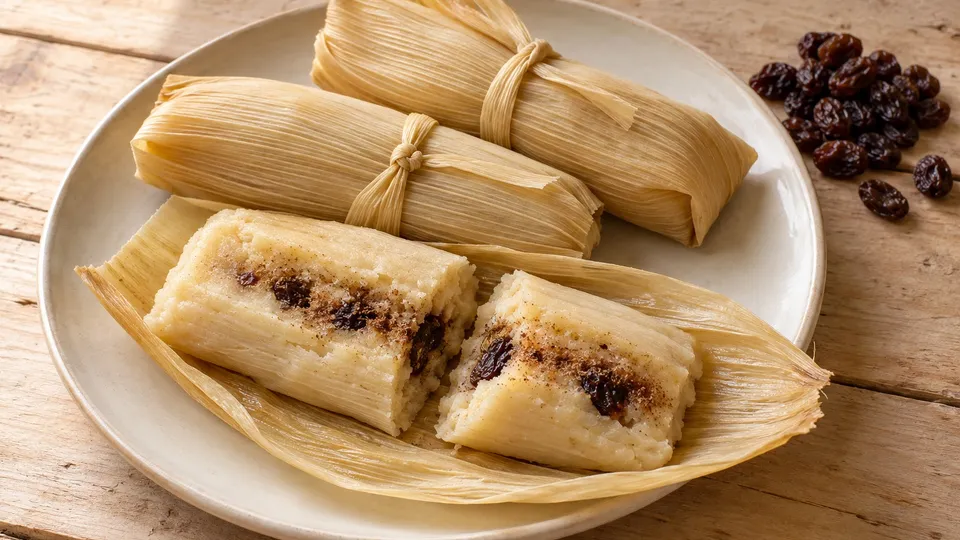
Tamales de Dulce (1893)
Tamales de dulce, sweet corn tamales from New Mexico: masa beaten until it floats, enriched with lard and sugar, filled with ground cinnamon and raisins, tied in husks and steamed, from Vicenta Labadie de Chaves’s recipe of 1893.
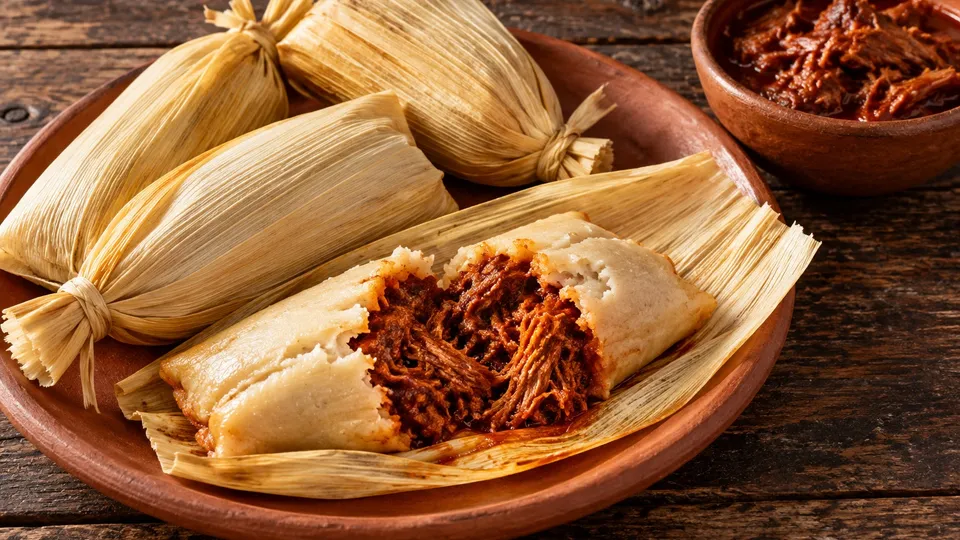
Tamales de Chile (1893)
Tamales de chile from Vicenta Labadie de Chaves’s New Mexican recipes of 1893: pork cooked in red chile and salt, on the same beaten masa as the sweet tamales they refer back to.
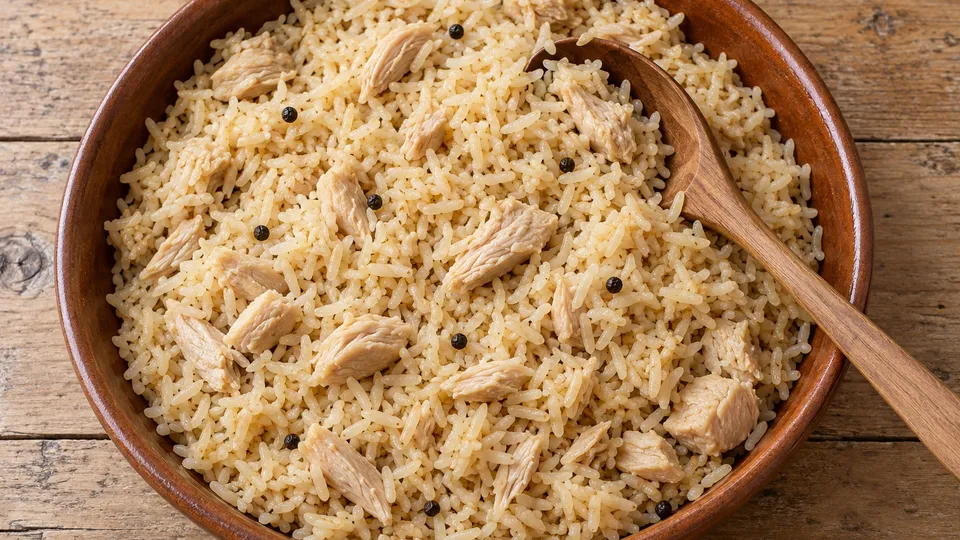
Pollo con Arroz (1893)
Pollo con arroz from Vicenta Labadie de Chaves’s New Mexican recipe of 1893: chicken boiled until tender, folded into rice fried with onion in lard and cooked in the strained broth with whole peppercorns.
What Did a Chafing-Dish Supper Serve?
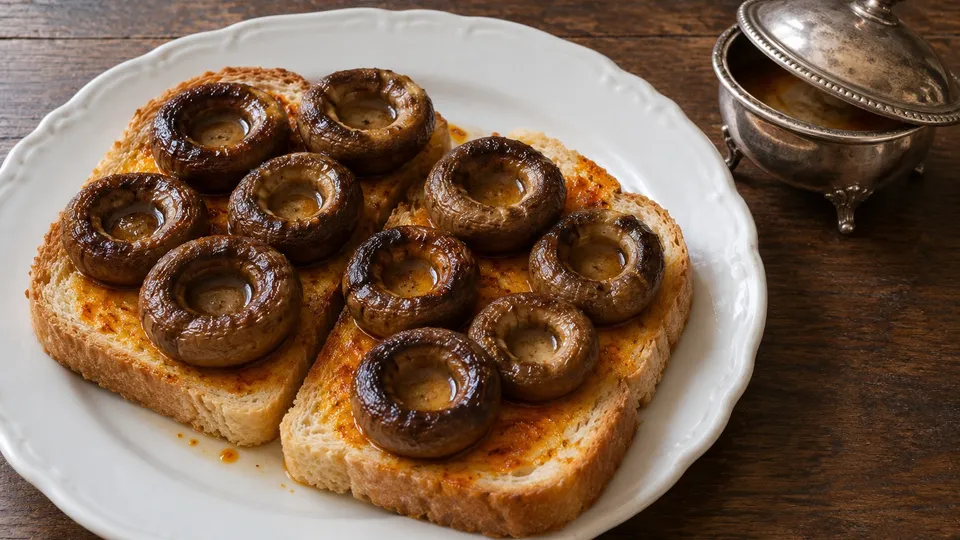
Mushrooms on Toast (1896)
Mushrooms on toast, the bachelor’s chafing-dish supper from Deshler Welch, 1896: caps browned under a lid in olive oil with paprika, on bread warmed in the same pan.
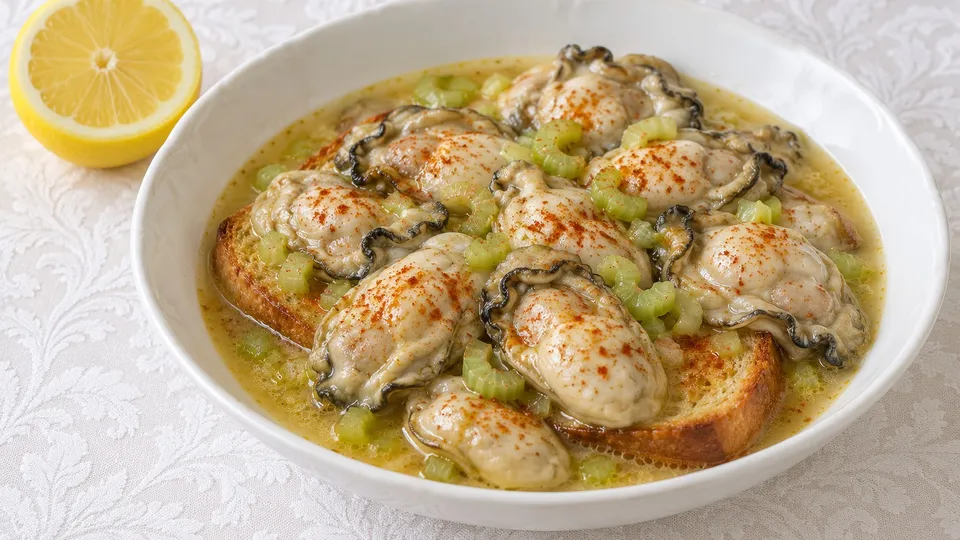
Chafing-Dish Oysters (1896)
Chafing-dish oysters à la George Trimble Davidson, 1896: oysters warmed in butter and their liquor with celery, paprika, Tabasco, lemon and sherry, poured over hot toast.
What Did People Eat for Breakfast in the 1890s?
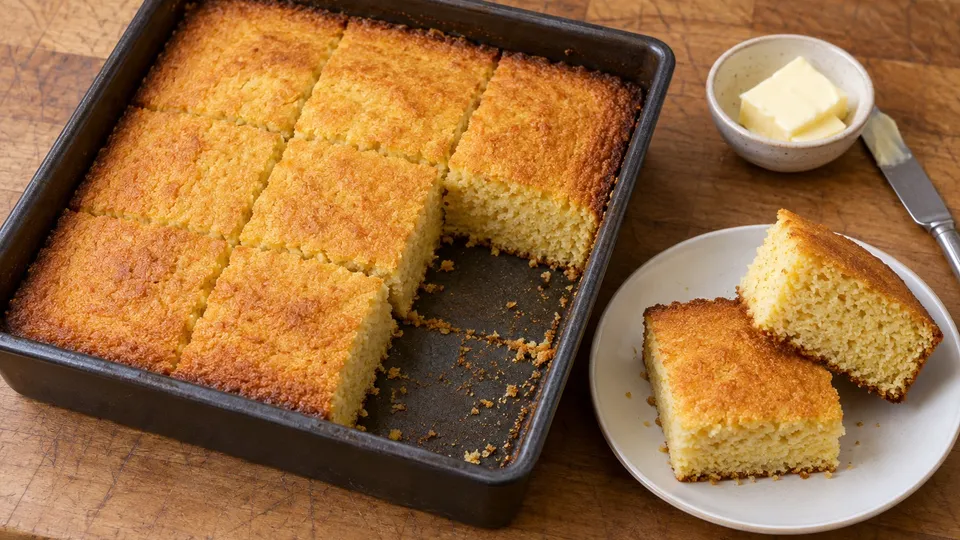
Golden Corn Cake (1896)
Golden corn cake, Fannie Farmer’s sweetened cornbread of 1896: yellow cornmeal, wheat flour, milk and one egg, baked in a shallow pan in twenty minutes.
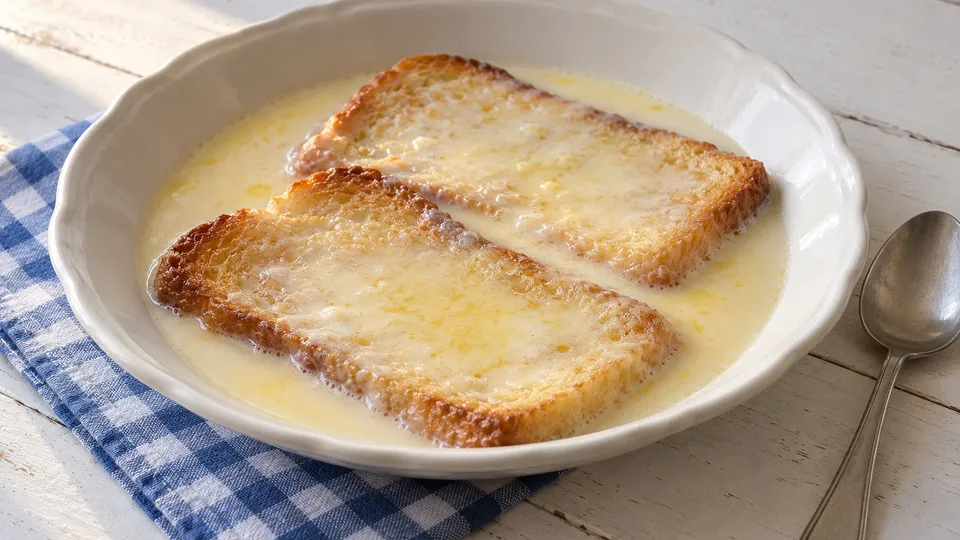
Milk Toast (1896)
Milk toast as Fannie Farmer made it in 1896: dry toast dipped slice by slice in a milk sauce cooked for twenty minutes, then covered with the rest of the sauce.
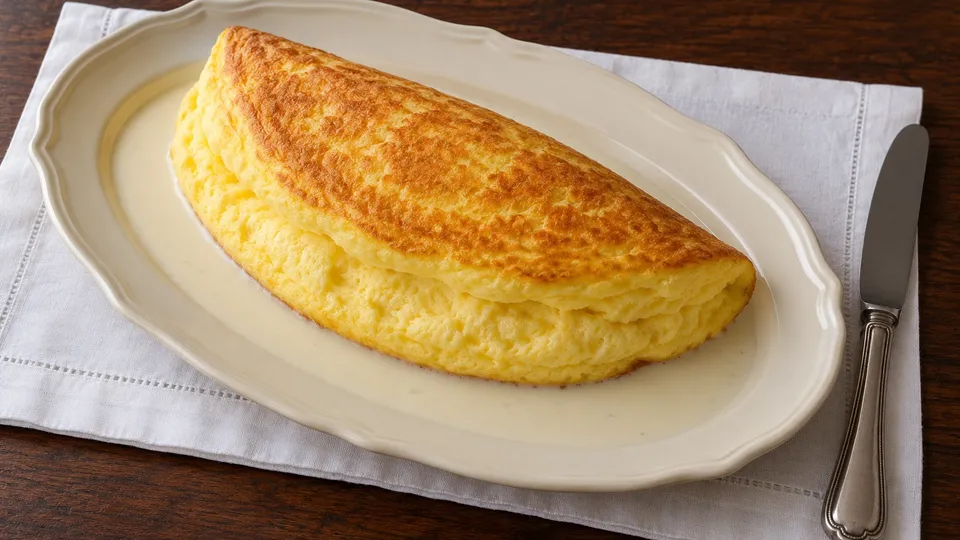
Plain Omelet with White Sauce (1896)
Plain omelet the 1896 way: Fannie Farmer’s puffed omelet of separately beaten eggs, browned slowly, finished in the oven and folded onto a thin white sauce.
What Did Klondike Stampeders Eat on the Trail?
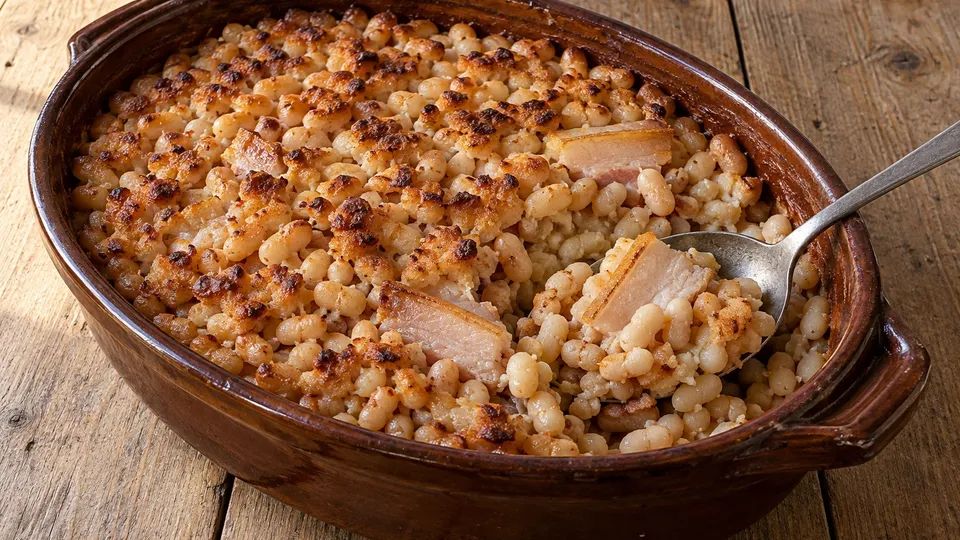
Baked Pork and Beans (1896)
Baked pork and beans after the War Department’s Manual for Army Cooks, 1896: navy beans soaked overnight, boiled, layered with parboiled salt pork and baked slowly until nearly dry.
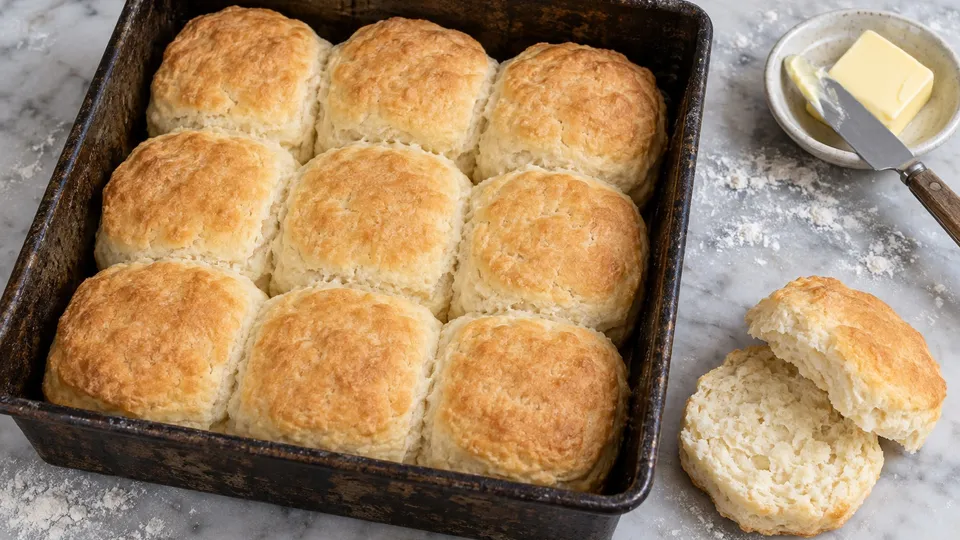
Baking-Powder Biscuits (1896)
Plain baking-powder biscuits of flour, salt and a little lard, rolled thick and baked close together, from the War Department’s Manual for Army Cooks, 1896.
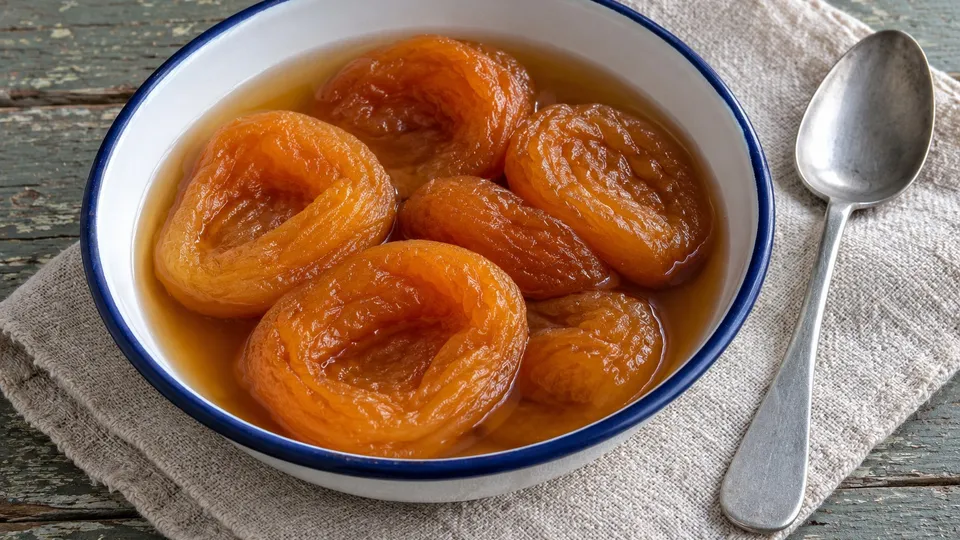
Stewed Dried Peaches (1896)
Stewed dried peaches from the War Department’s Manual for Army Cooks, 1896: soaked overnight, simmered under a lid, sweetened at the end and served cold.
What Was the ‘Embalmed Beef’ Scandal of 1898?
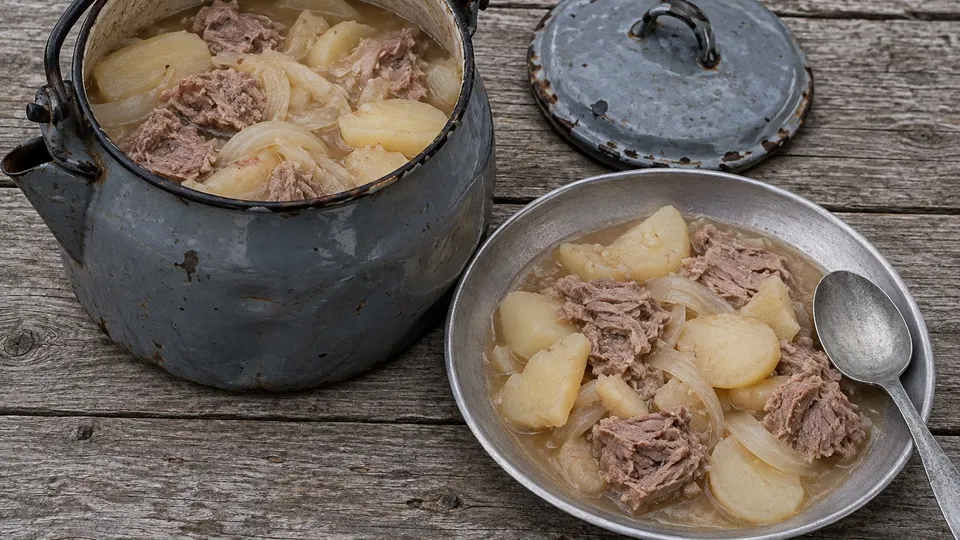
Stew with Canned Meat (1896)
A stew with canned meat from the 1896 Manual for Army Cooks: sliced potatoes and onions stewed soft in a covered pot, then canned beef cut up and simmered in for ten minutes.
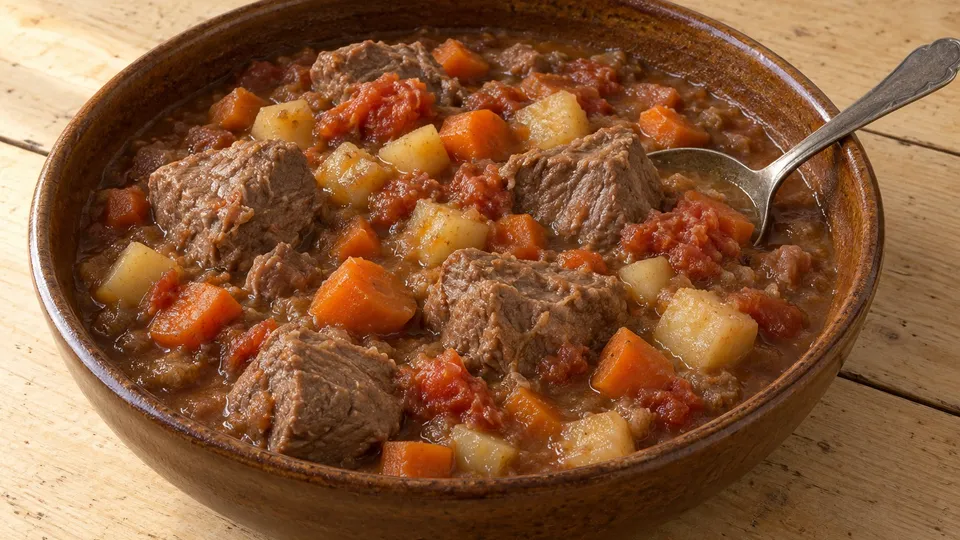
Fresh Beef Stew (1896)
A fresh beef stew from the 1896 Manual for Army Cooks: stewing beef simmered two hours with bay, then an hour more with potatoes, tomatoes, onions and carrots, kept thick.
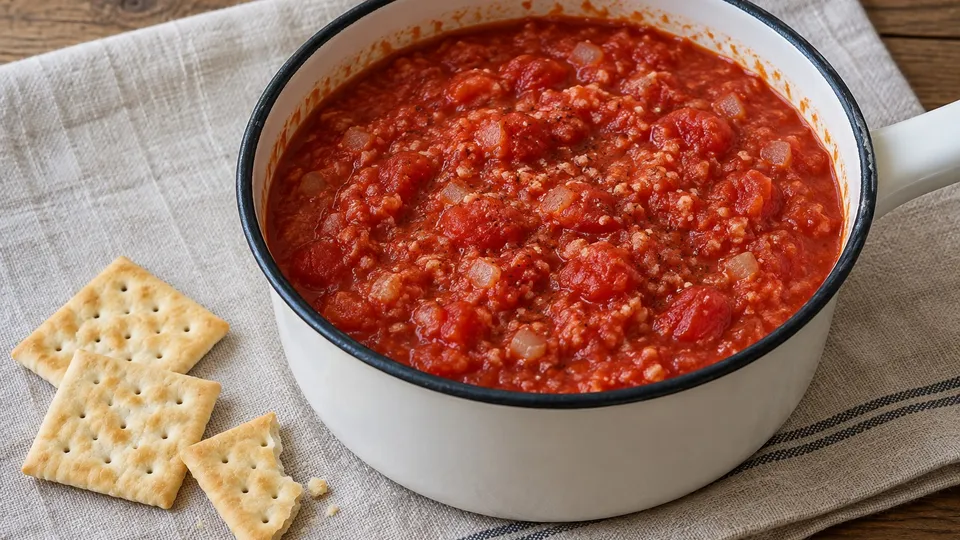
Stewed Tomatoes (1896)
Stewed tomatoes from the army’s 1896 Manual for Army Cooks: peeled ripe tomatoes stewed gently with butter, salt, pepper and a little onion, then thickened with rolled cracker.
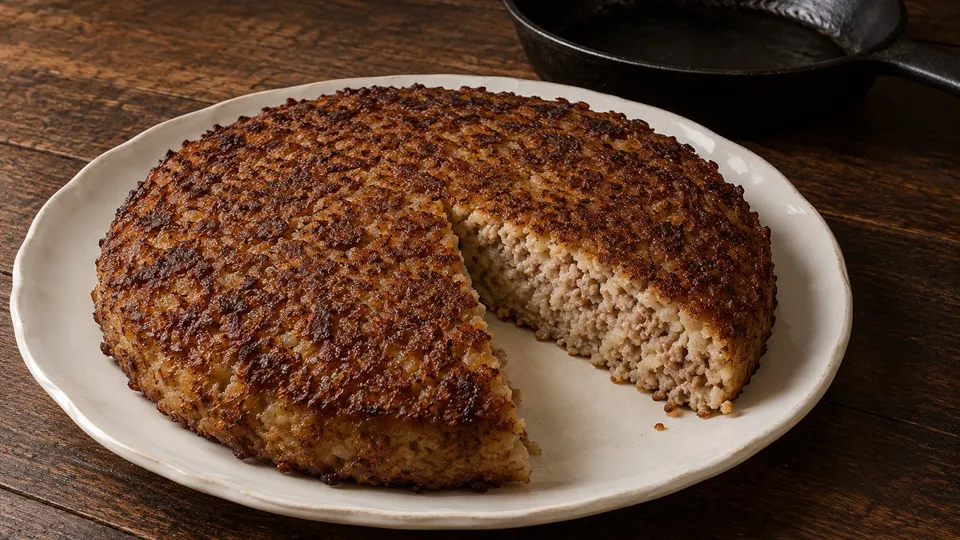
Dry Beef Hash (1896)
Dry beef hash from the 1896 Manual for Army Cooks: cold cooked beef, potato and parboiled onion minced, moistened with stock and fried in dripping until brown underneath.
Was Chicken Marengo Really Cooked on the Battlefield?
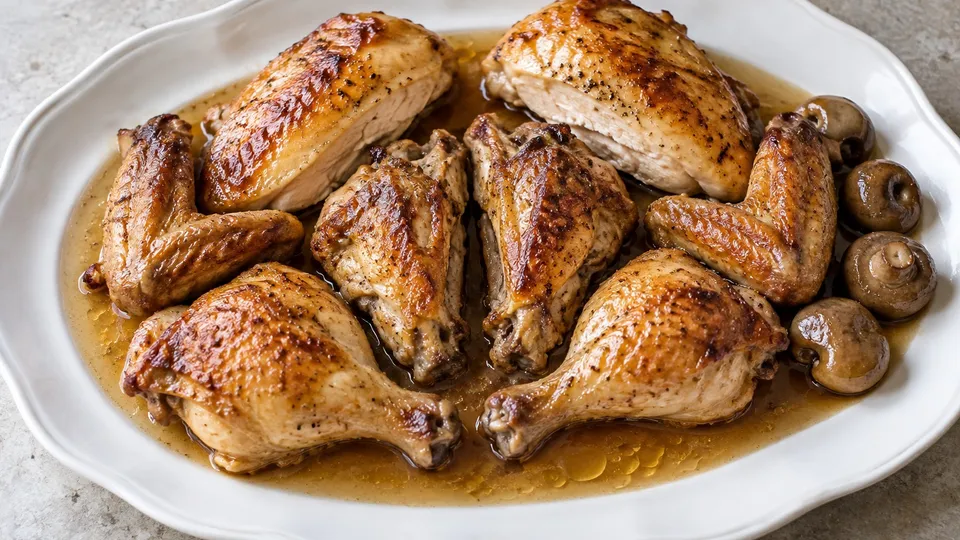
Chicken à la Marengo (1868)
Gouffé’s 1868 chicken à la Marengo: chicken fried in oil with shallots, garlic and herbs, with a glossy pan sauce of flour and broth.
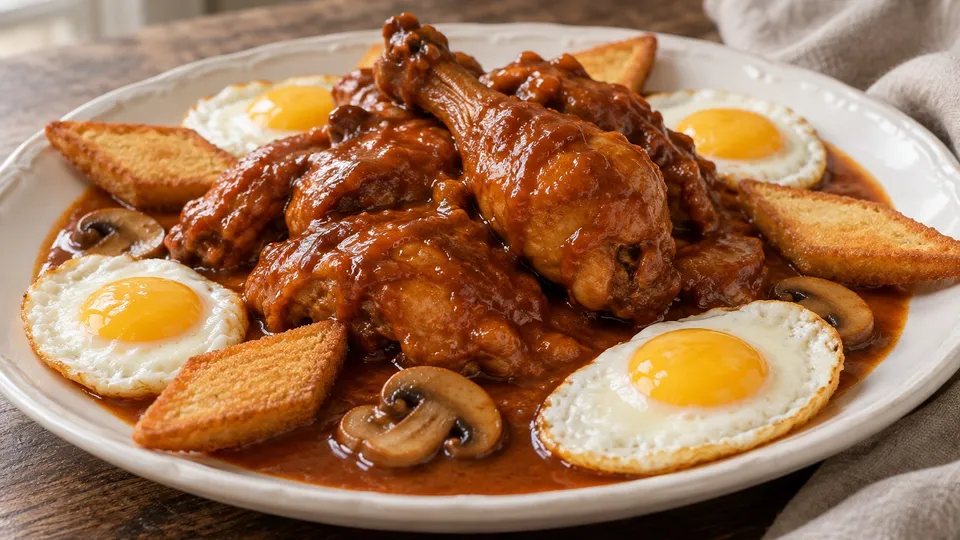
Chicken Marengo with Fried Eggs (1890)
Agnes Marshall’s 1890 chicken Marengo with fried eggs: chicken with onions, bacon, tomatoes, sherry and brown sauce, served with the eggs and kite-shaped croûtons.
More recipes
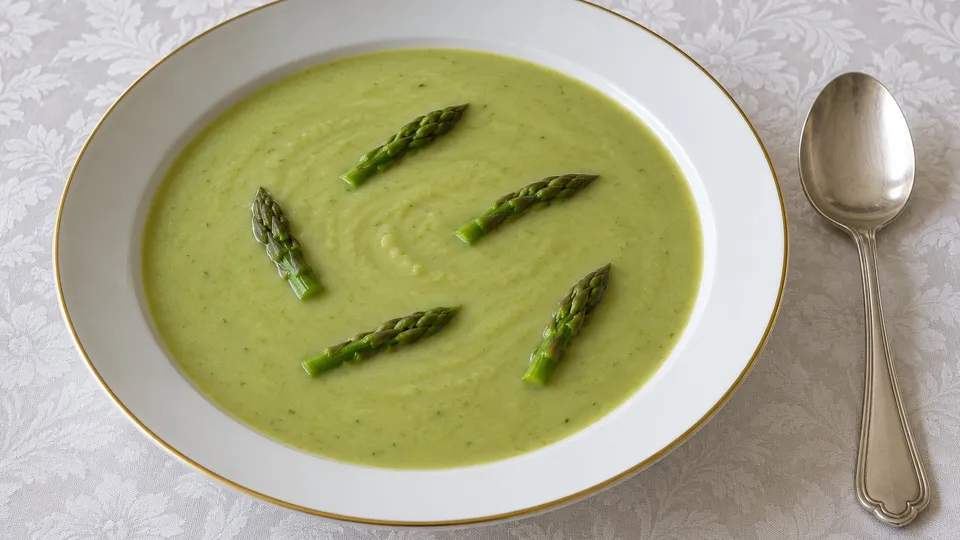
Cream of Asparagus Soup (1894)
Delmonico’s cream of asparagus from Ranhofer’s Epicurean (1894): asparagus fried in butter, sieved with broth and velouté, finished with egg yolks and cream.
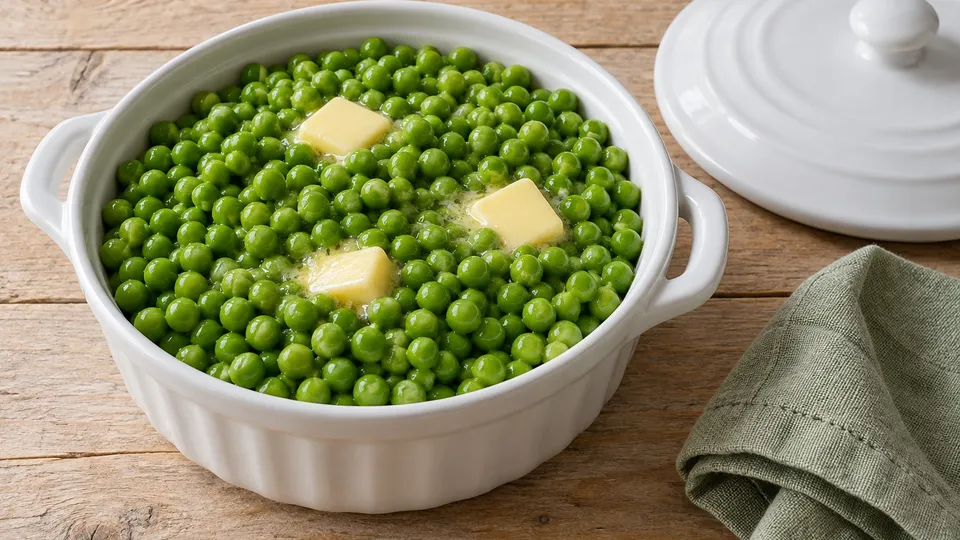
Green Peas, English Style (1894)
Green peas boiled with a few mint leaves, then tossed with salt, sugar and pats of butter: Ranhofer’s petits pois à l’Anglaise from The Epicurean, 1894.
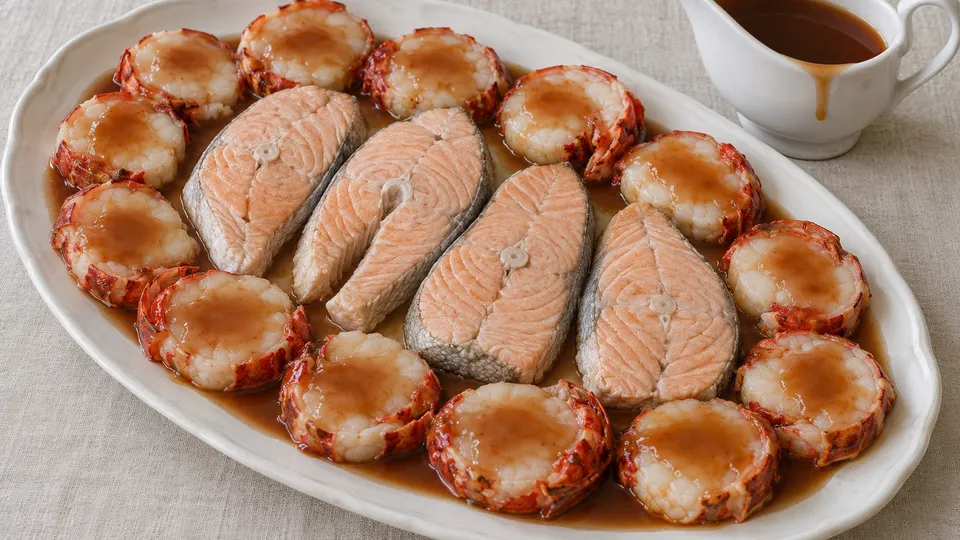
Salmon à la Victoria (1894)
Salmon slices cooked in a ham and vegetable stock with red wine, the stock reduced to a buttered sauce, served with lobster: Ranhofer’s Epicurean, 1894.
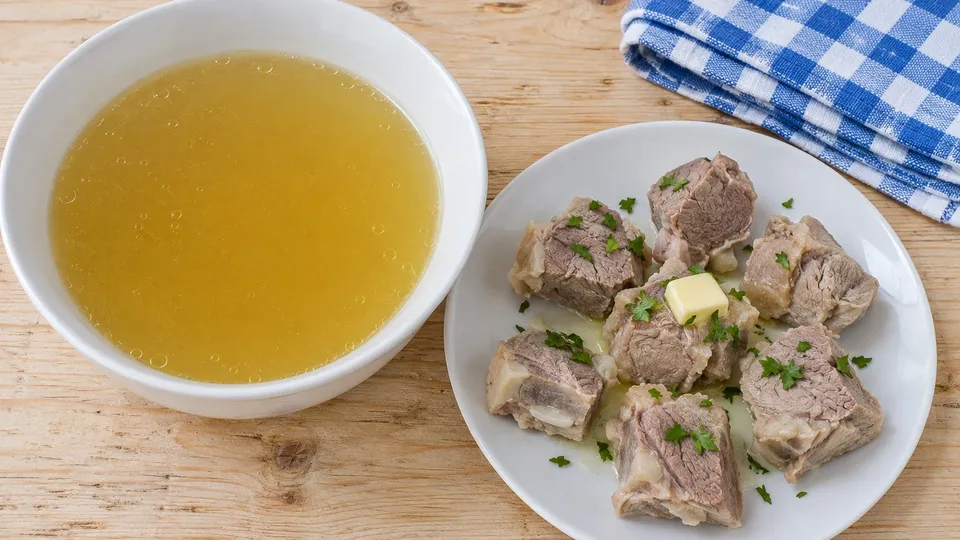
Soyer’s Stock for Clear Soup (1854)
Alexis Soyer’s first lesson in A Shilling Cookery for the People, 1854: veal, bacon and onion stirred down to a pale gravy, then simmered in water, skimmed and strained into a clear stock.
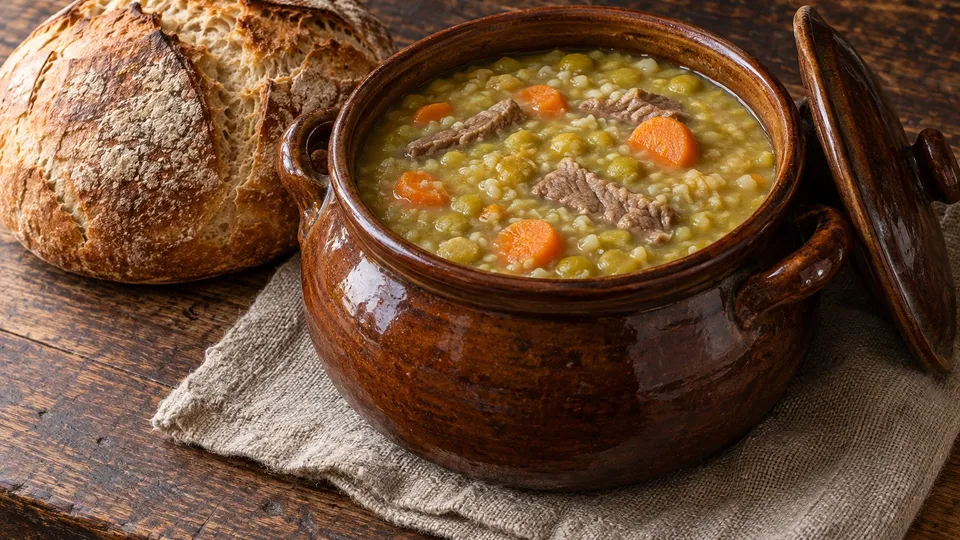
Baked Soup for the Poor (1806)
Maria Rundell’s baked soup for the poor, 1806: sliced meat, split peas, a little rice, onions and carrots, covered close in an earthen pot and baked slowly, made to give away.
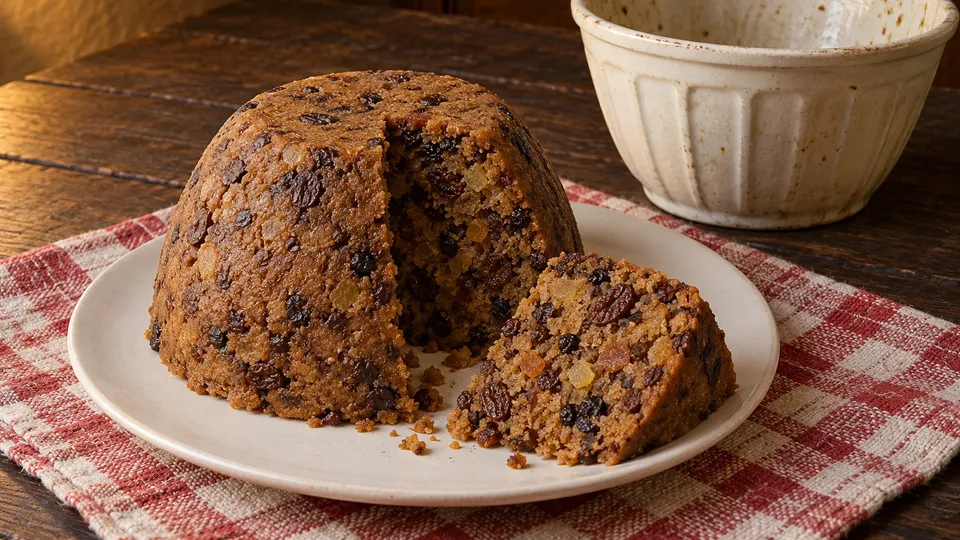
Christmas Plum Pudding (1861)
Isabella Beeton’s Christmas plum pudding of raisins, currants, peel, breadcrumbs, suet and eggs, with no sugar or flour, steamed in a basin. Brandy optional.
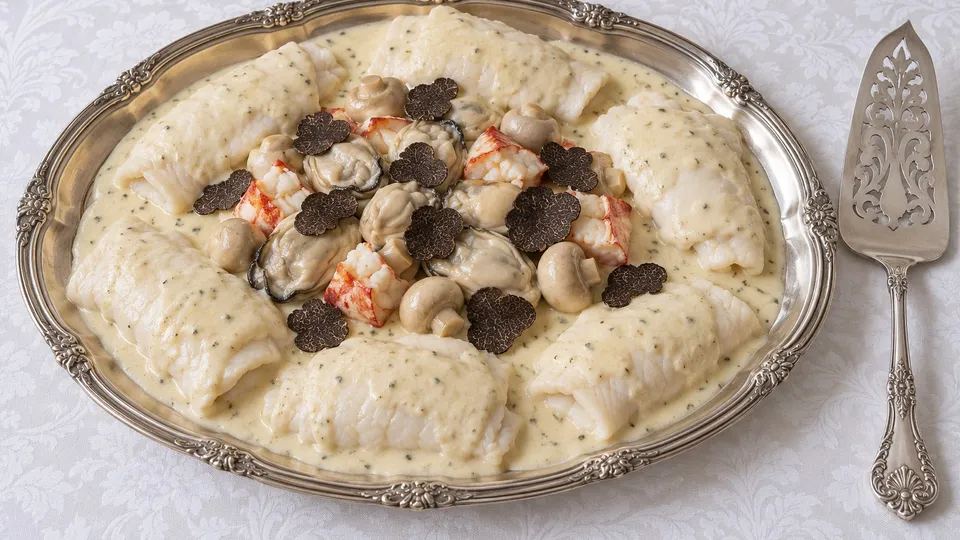
Fillets of Sole à la Normande (1894)
Agnes Marshall’s fillets of sole à la Normande, about 1894: cooked under buttered paper, in cream sauce made on a spiced fish stock, with oysters, mushrooms, lobster and truffle.
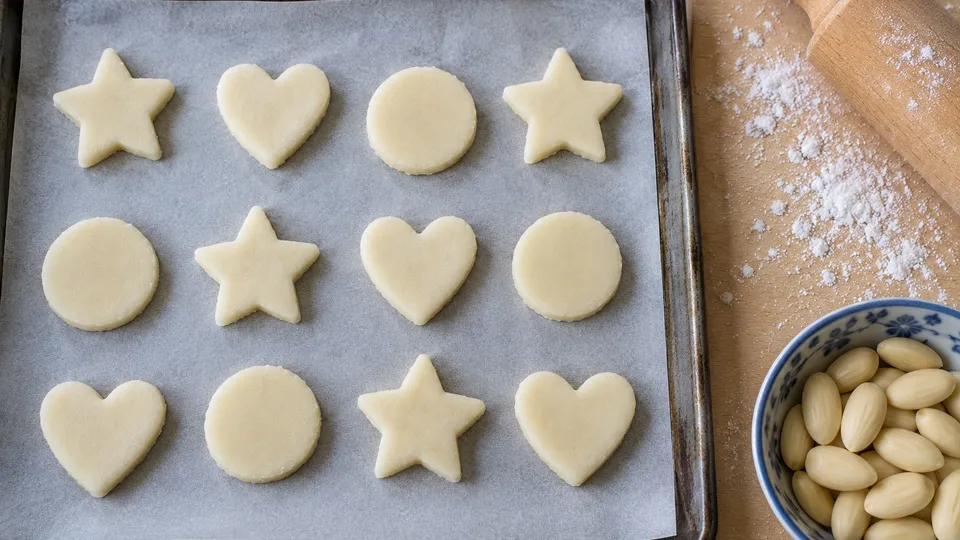
Lübeck Marzipan (1858)
Henriette Davidis’s Lübeck marzipan: almonds ground with orange flower water, stirred with sugar over low heat, rolled and cut into small soft white shapes.
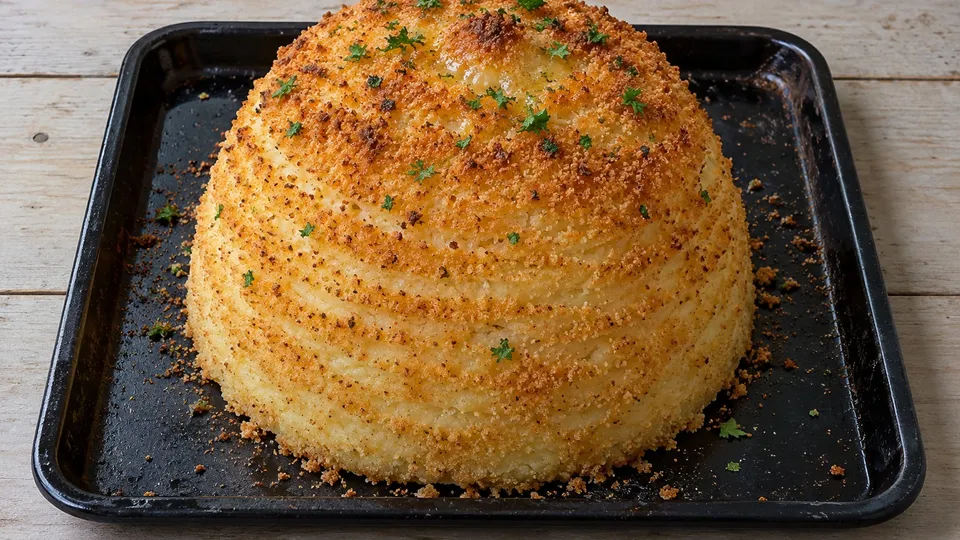
Mashed Potatoes Baked (1894)
Agnes Marshall’s mashed potatoes baked, about 1894: buttery mash piled into a beehive, coated with crumbs from baked crusts, dotted with butter and browned in the oven.
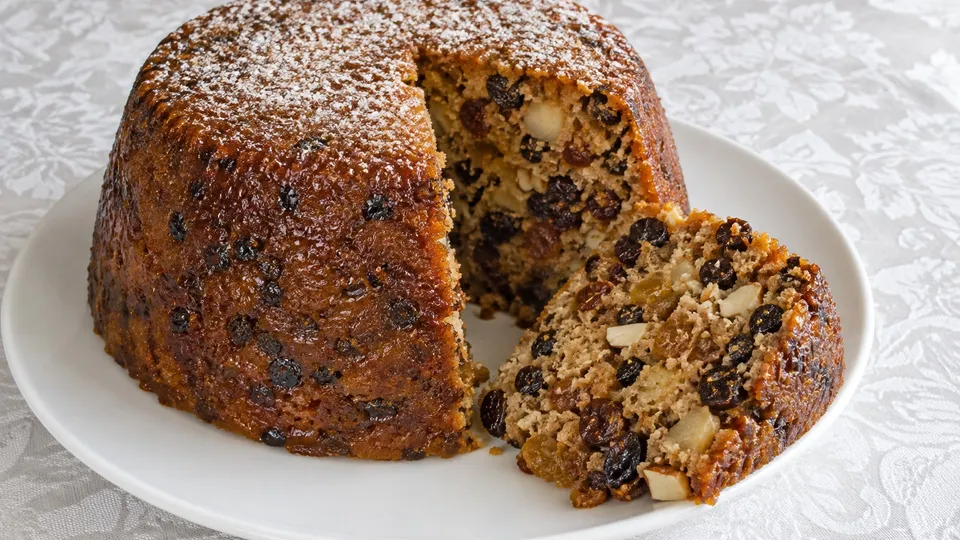
Plum Pudding (1894)
Agnes Marshall’s plum pudding of suet, raisins, currants, sultanas, chopped apple, almonds and peel, raised with baking powder and steamed in a basin, about 1894.
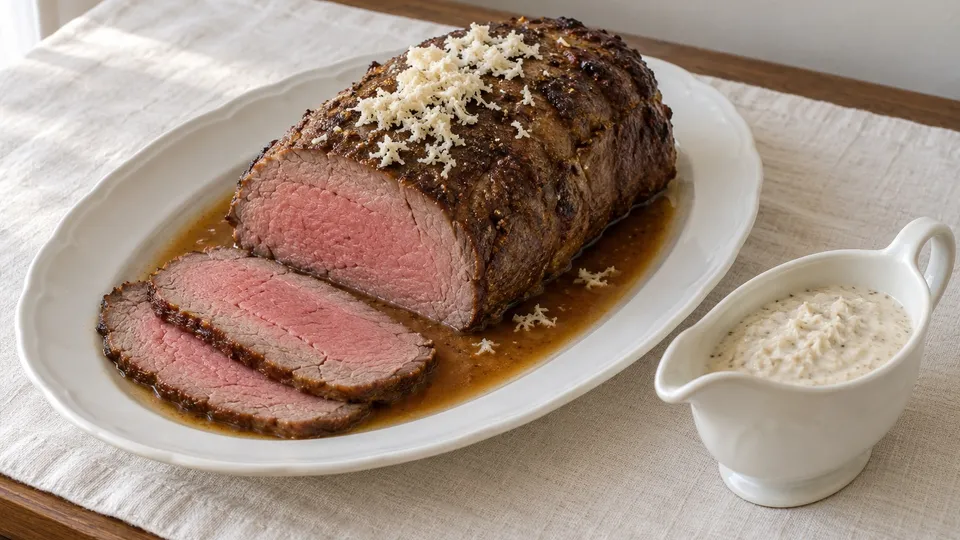
Roast Beef with Horseradish Sauce (1894)
Agnes Marshall’s roast beef with horseradish sauce, about 1894: a joint roasted under greased paper, with a cold sauce of grated horseradish, two mustards and whipped cream.
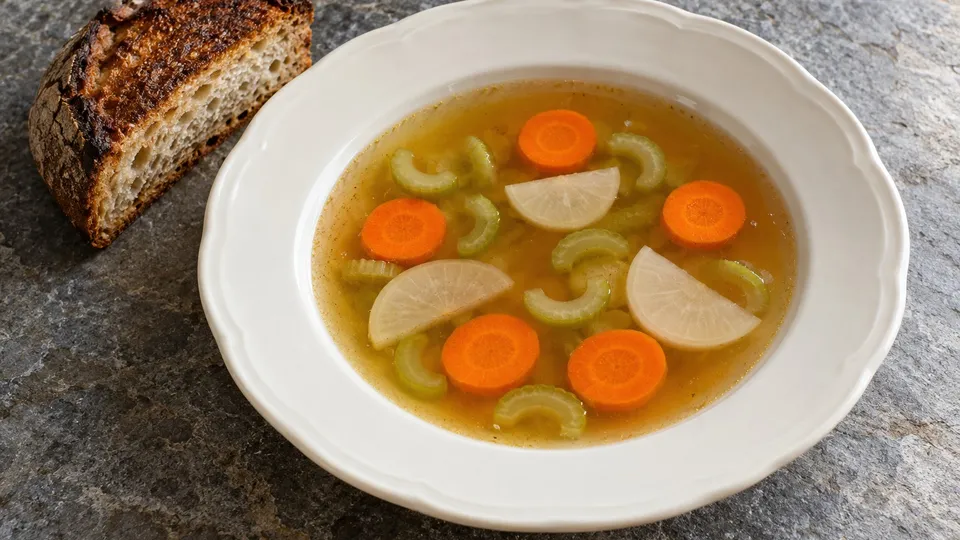
Vegetable Soup with a Toasted Crust (1806)
Maria Rundell’s meatless vegetable soup with a toasted crust, 1806: onions, potatoes, carrots and turnips fried in butter, stewed with celery, herbs and a crust toasted hard, then strained.
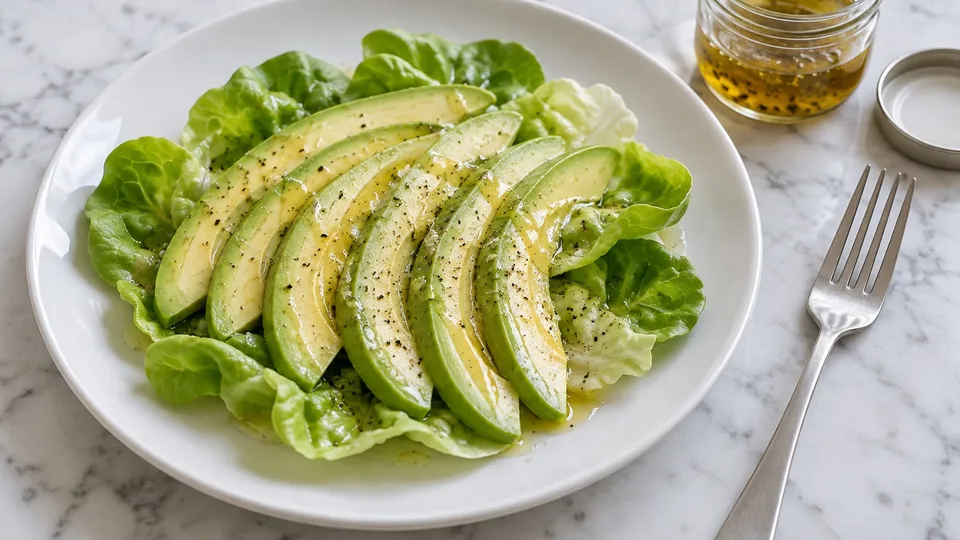
Alligator Pear Salad (1899)
Alligator pear salad, the 1899 name for avocado: long thin strips served very cold with French dressing and a few drops of onion juice, after De Loup (1899) and Farmer (1910).
What did people eat in the 1800s?
It depended on where and who. A Paris household’s everyday dish was Pot-au-Feu, beef and vegetables simmered to a clear broth with the beef kept for the next day. The poor of Dublin and Spitalfields queued for soup, while a grand supper such as the Suez Canal opening’s served English roast beef, Russian Salad and asparagus with oil and vinegar.
What did soldiers eat in the 1800s?
Bread, soup and stew from the ration. Soyer’s Mutton and Barley Soup fed the Scutari wards in 1855, the army’s 1862 method baked Army Potato Bread, and the 1896 Manual for Army Cooks gives Fresh Beef Stew and a stew of canned beef, the meat at the center of the 1898 embalmed beef scandal.
What did people eat on the trail?
Beans and bacon, bread and butter, dried fruit and coffee. In August 1897 a tent hotel on the Dyea Trail served exactly that for 75 cents, and much the same plate cost $3.50 in Dawson that winter. Our Baked Pork and Beans, Baking-Powder Biscuits and Stewed Dried Peaches make the meal.
What they drank with it
Forgotten Drink, our sister site, follows the century in the glass, from switchel and cider at harvest and negus and orgeat at the ball to saloon whiskey and soda-fountain phosphates, in its 1800s drinks (opens in a new tab).