26 recipes
Victorian Recipes
Victorian recipes from 1837 to 1901: Masters’s ice creams of 1844, Soyer’s famine and hospital soups, Mrs. Beeton’s plum pudding and Agnes Marshall’s dinners.
These Victorian recipes come from British cookbooks printed in Queen Victoria’s reign, 1837 to 1901, and each is tied to a meal or a moment that left a record. The earliest are ices. In February 1844 a London magazine watched Thomas Masters’s freezing machine turn out two and a half quarts of ice cream in under four minutes, and later that year Masters printed his own recipes in The Ice Book: lemon, brown bread, a black tea he named for the merchant Howqua, and a strawberry water ice. The story is in How Did a Cook Make Ice Cream in Four Minutes in 1844?
Alexis Soyer, the French chef of London’s Reform Club, cooked for the hungry twice. In April 1847, during the Great Famine, he opened a model soup kitchen beside the Royal Barracks in Dublin, and in the spring of 1855 he took over the cooking at the British army hospitals at Scutari, weighing every ration and hanging his receipts on the kitchen wall. He reprinted both sets in Soyer’s Culinary Campaign in 1857, and the soups, beef tea and rice pudding here follow them. What Did Soyer’s Dublin Soup Kitchen Serve in 1847? and What Did Soyer Cook for the Soldiers at Scutari? tell those stories.
The rest are puddings and dinners. Mrs. Beeton’s Christmas plum pudding of 1861 is the kind of pudding British soldiers sent across no man’s land at Christmas 1914. Agnes Marshall, who ran a London cookery school, printed the roast beef, baked mashed potatoes and plum pudding that match the card for the King’s Dinner to London’s poor in 1902, the sole à la Normande that matches the first Nobel dinner, and a chicken Marengo with fried eggs. Each recipe names its book, says how close that book stands to the event, and gives amounts for a kitchen today.
What Did the Cratchits Eat for Christmas Dinner?
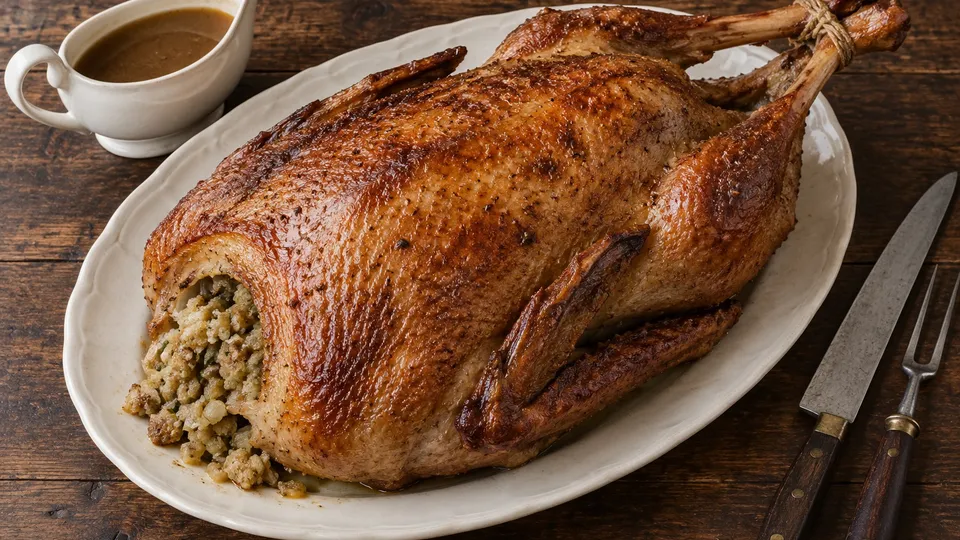
Roast Goose with Sage and Onion Stuffing (1861)
Isabella Beeton’s 1861 roast goose, stuffed with her mild sage and onion stuffing of parboiled onions and breadcrumbs, with a giblet gravy made ahead, for the goose at the Cratchits’ Christmas dinner.
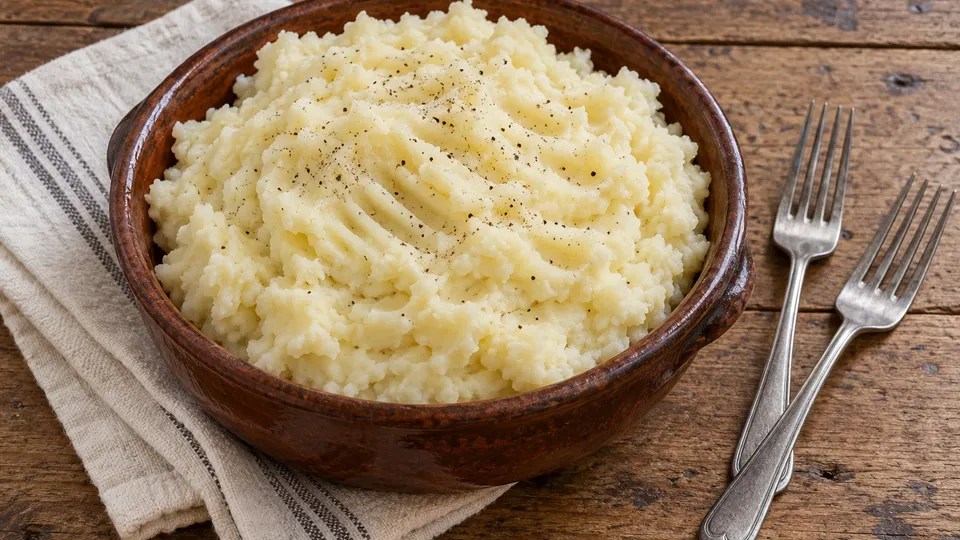
Mashed Potatoes (1854)
Alexis Soyer’s mashed potatoes from his 1854 cookbook for working families, beaten light with two forks and a little butter and milk, as served with the Cratchits’ Christmas goose.
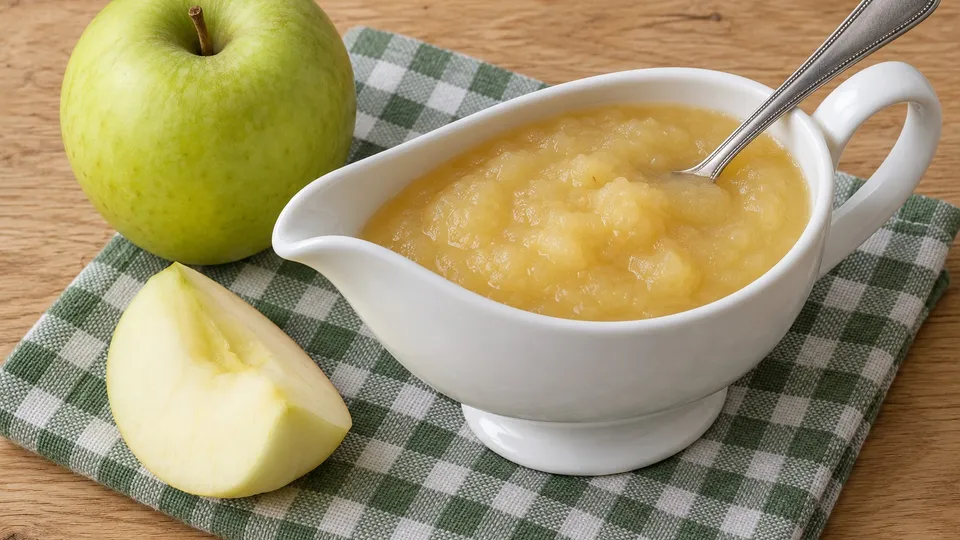
Apple Sauce for Goose (1861)
Isabella Beeton’s 1861 apple sauce for goose and pork: cooking apples boiled to a pulp with a little water, beaten with sugar to taste and a piece of butter.
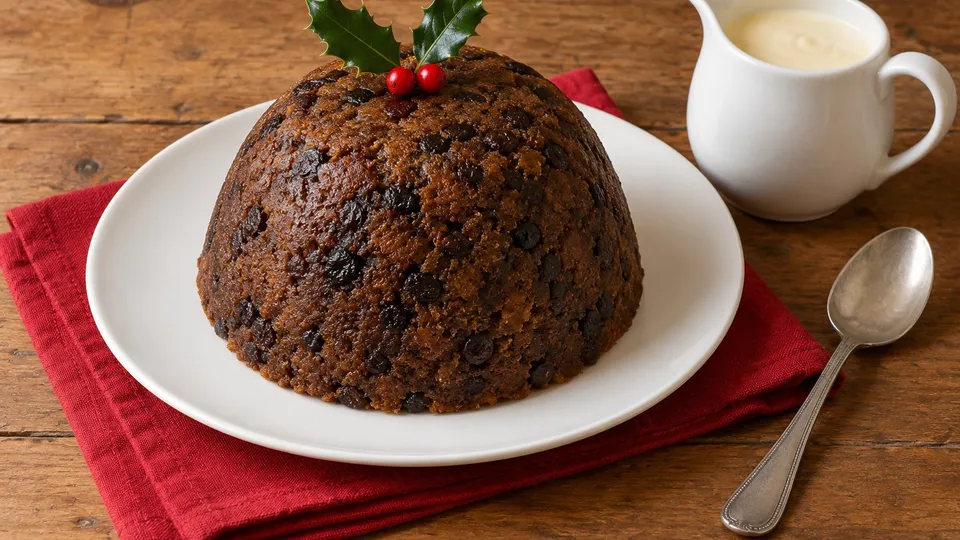
Plum Pudding (1854)
Alexis Soyer’s 1854 Christmas plum pudding of raisins, currants, suet, sugar, peel, flour and crumbs, boiled four hours in a mold: a working family’s Christmas pudding, with flour in it like Mrs. Cratchit’s.
How Did a Cook Make Ice Cream in Four Minutes in 1844?
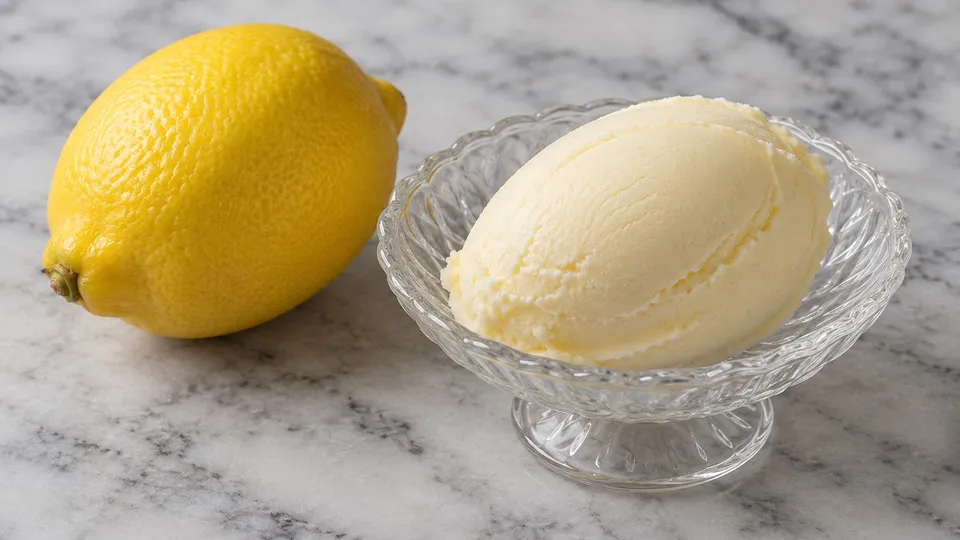
Lemon Ice Cream (1844)
Thomas Masters’s lemon ice cream of 1844: cream, sugar rubbed with lemon peel and the juice of two lemons, mixed cold and frozen.
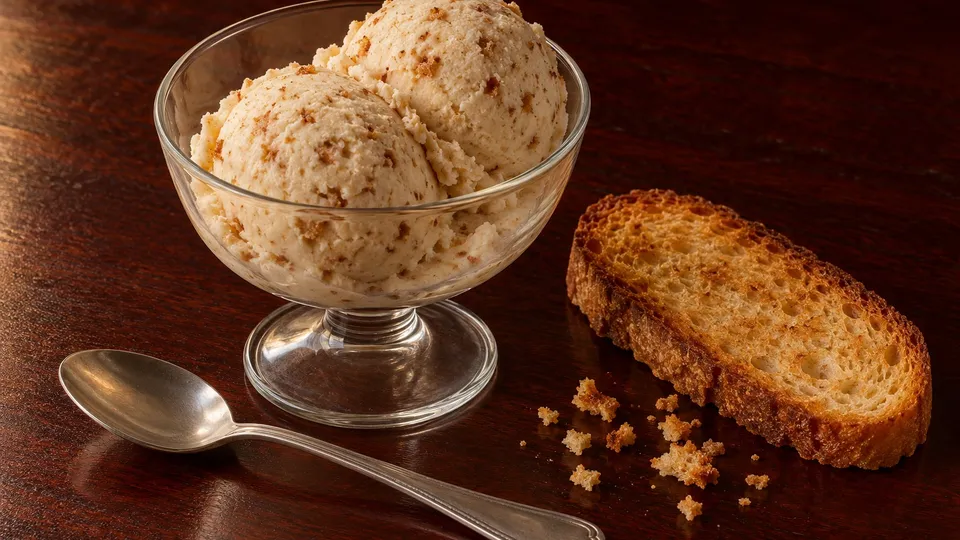
Brown-Bread Ice Cream (1844)
Brown-bread ice cream from Thomas Masters’s Ice Book of 1844: cream thickened with oven-browned bread and sponge fingers, frozen and finished with toasted crumbs and a little maraschino.
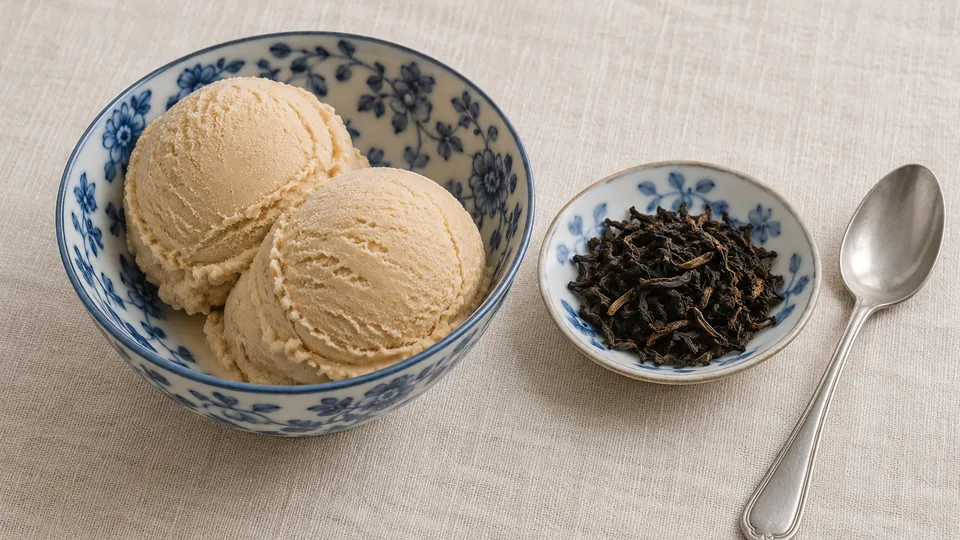
Howqua’s-Tea Ice Cream (1844)
Howqua’s-tea ice cream from Thomas Masters’s Ice Book of 1844: cream and sugar mixed with a cup of strong black tea and frozen. Howqua was the Western name of a great Canton tea merchant.
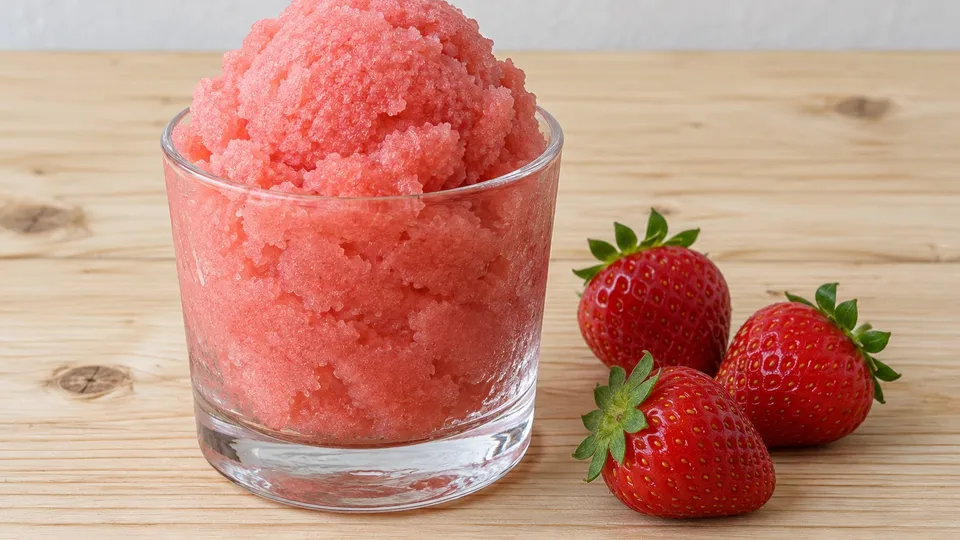
Strawberry Water Ice (1844)
Strawberry water ice from Thomas Masters’s Ice Book of 1844: strained strawberries, lemon and syrup frozen soft, in the flavor one of London’s first street ice sellers sold most.
What Did Soyer’s Dublin Soup Kitchen Serve in 1847?
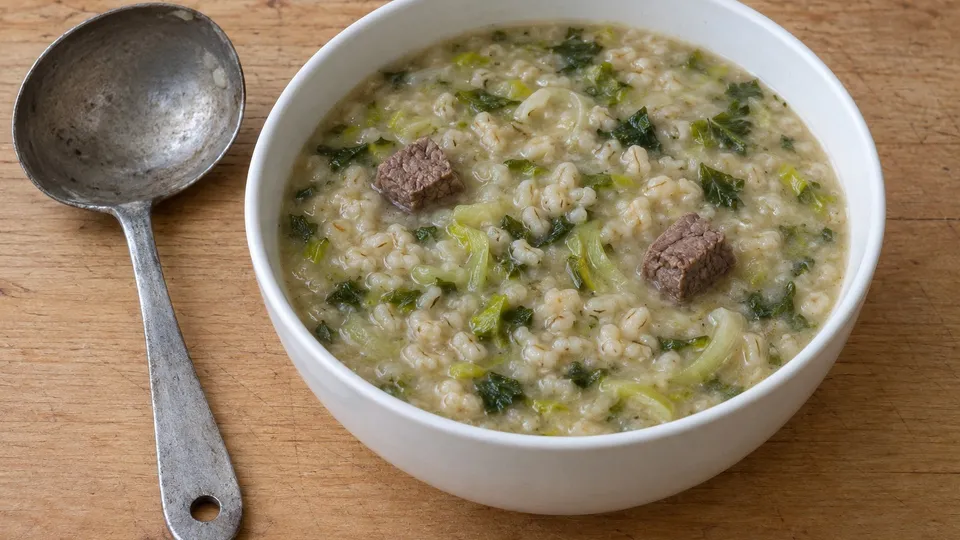
Soyer’s Soup No. 1 (1857)
Soyer’s Soup No. 1, his famine soup reprinted in 1857: a little beef fried with onion and vegetable trimmings, thickened with flour and pearl barley and simmered three hours.
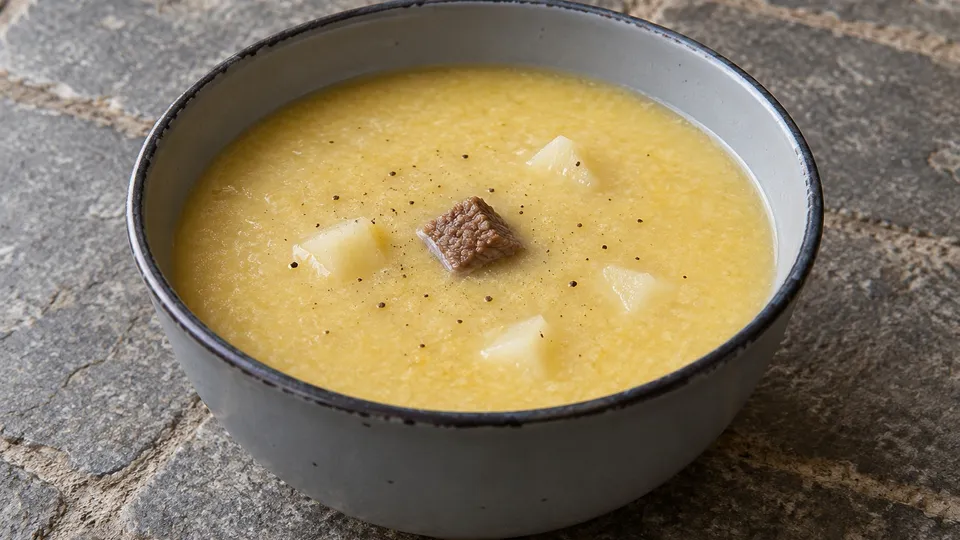
Soyer’s Soup No. 2 (1857)
Soyer’s Soup No. 2, his second receipt for the needy, printed in 1857: maize flour boiled two hours with a little beef and diced turnip, seasoned with garlic, mint and celery.
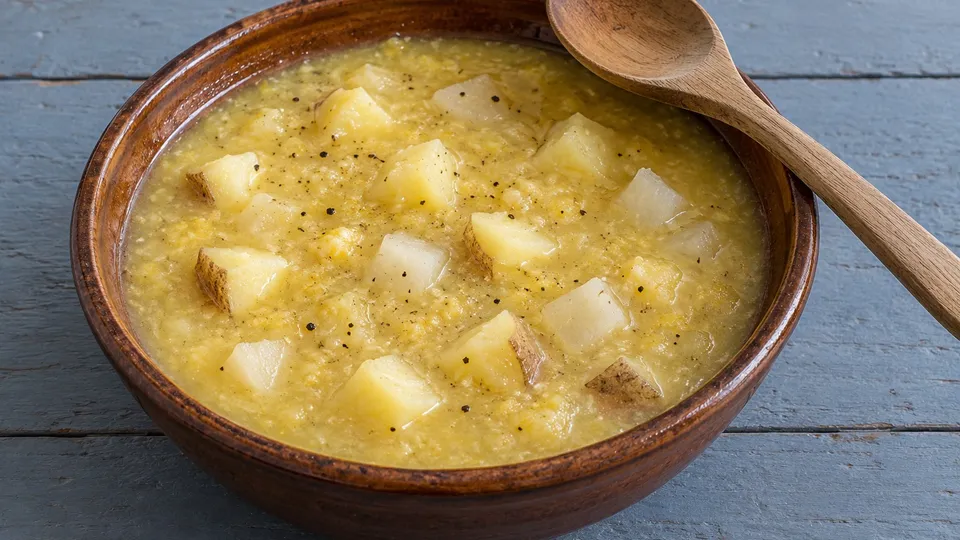
Soyer’s Potato Soup No. 3 (1857)
Soyer’s Potato Soup No. 3: his maize flour soup with a pound of diced potatoes boiled in for the last twenty minutes, written for famine families who could get potatoes once a week.
What Did Catherine Dickens Plan for a Winter Dinner Party?
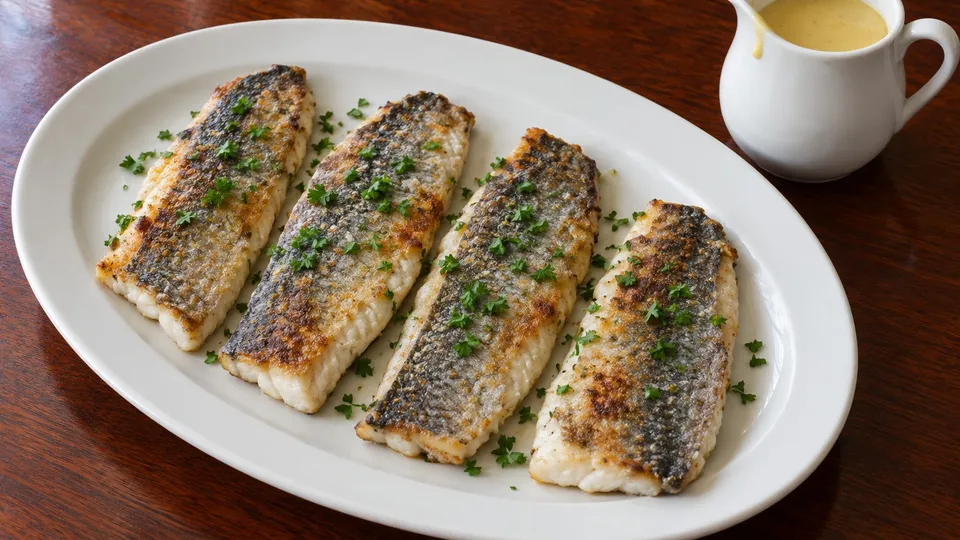
Broiled Herrings with Mustard Sauce (1846)
Broiled herring with mustard sauce from Alexis Soyer’s 1846 cookbook: floured fillets under the broiler, with a butter and Dijon mustard sauce in a jug.
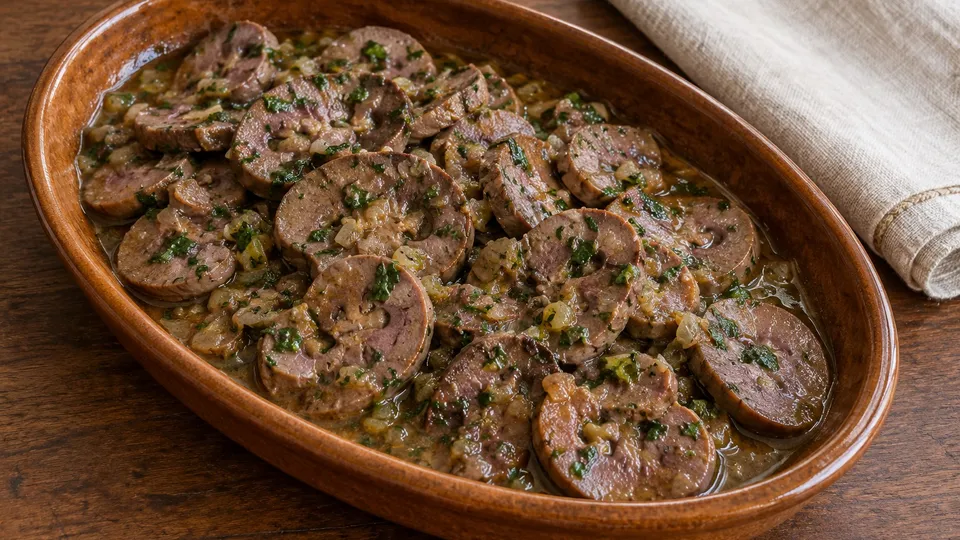
Stewed Kidneys with Sherry (1846)
Stewed kidneys in sherry sauce from Alexis Soyer’s 1846 cookbook: sliced beef kidneys browned with shallot, then simmered gently with sherry, parsley and bay.
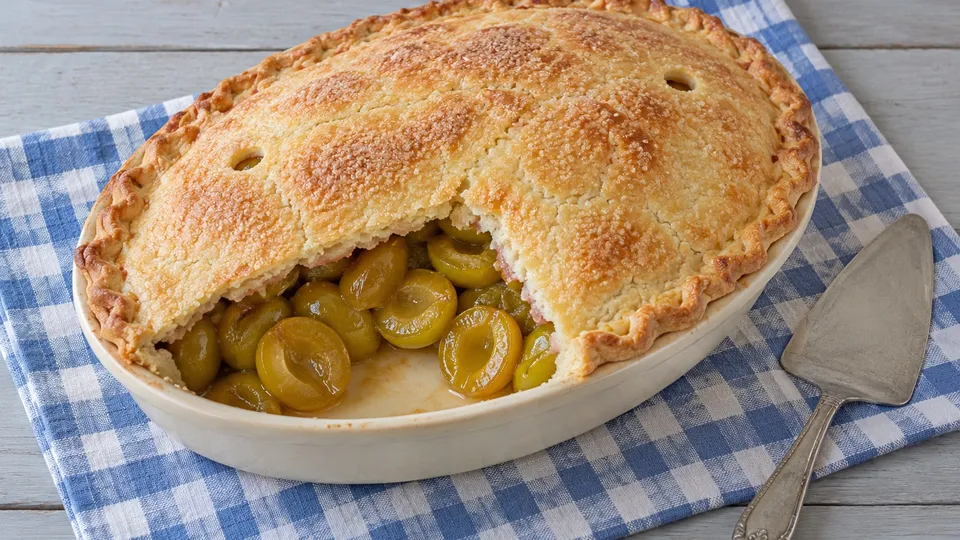
Greengage Tart (1846)
Greengage tart from Alexis Soyer’s 1846 cookbook: green plums domed in a pie dish under a sweet short-pastry lid, glazed with egg white and sugar, served cold.
What Was Served at the Dinner Inside the Iguanodon?
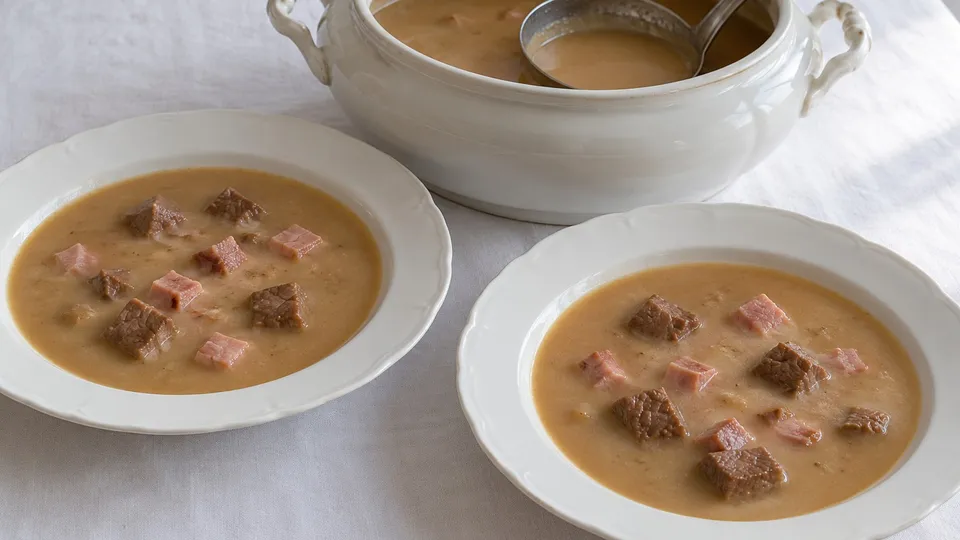
Mock Turtle Soup (1846)
Mock turtle soup after Alexis Soyer’s 1846 recipe: a light brown soup thickened with a roux, scented with savory, thyme, marjoram, basil and bay, with sherry.
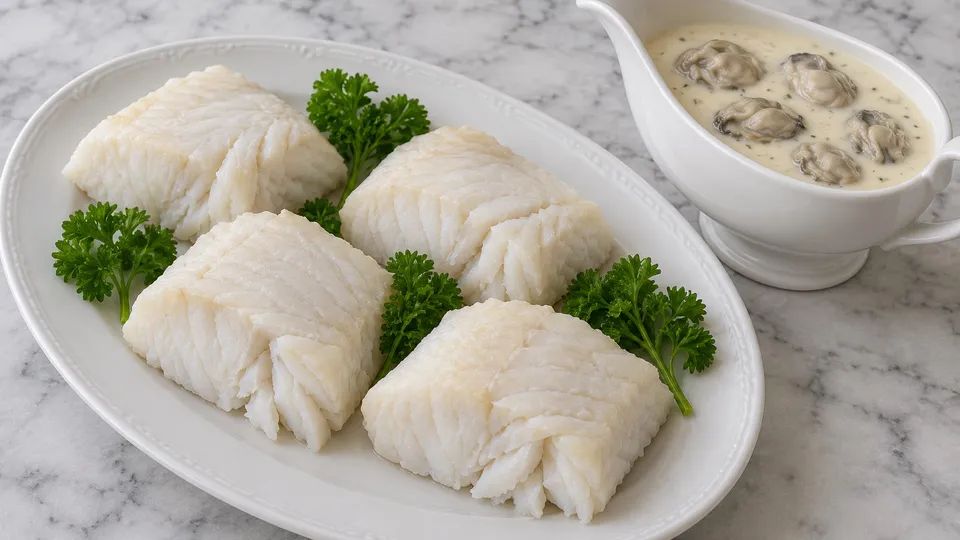
Cod with Oyster Sauce (1846)
Cod with oyster sauce after Alexis Soyer’s 1846 Cabillaud aux Huîtres: poached cod with parsley and a milk sauce of oysters, anchovy and mace in a boat.
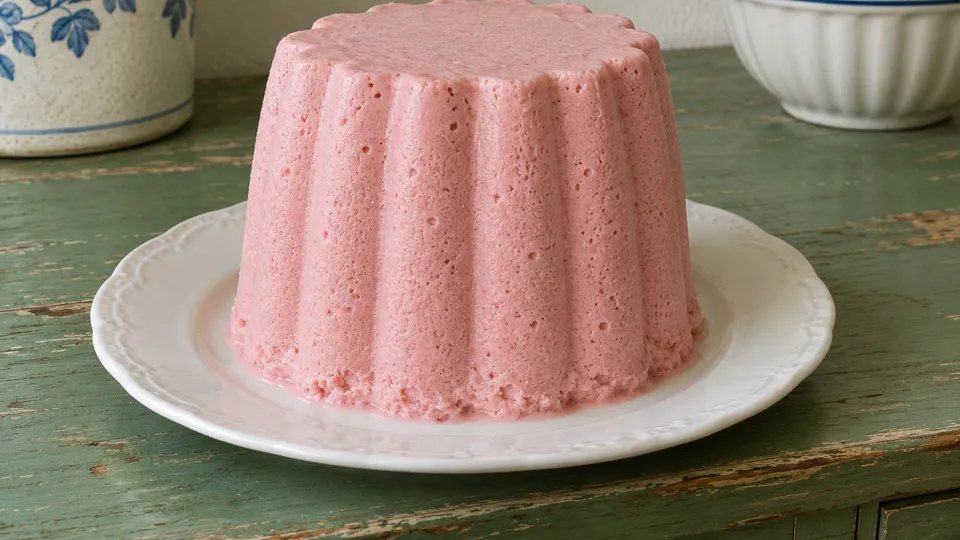
Strawberry Bavaroise (1846)
Strawberry Bavarian cream after Alexis Soyer’s 1846 Bavaroise aux Fraises: sieved strawberries set with gelatin, folded with whipped cream and turned out.
What Did Soyer Cook for the Soldiers at Scutari?
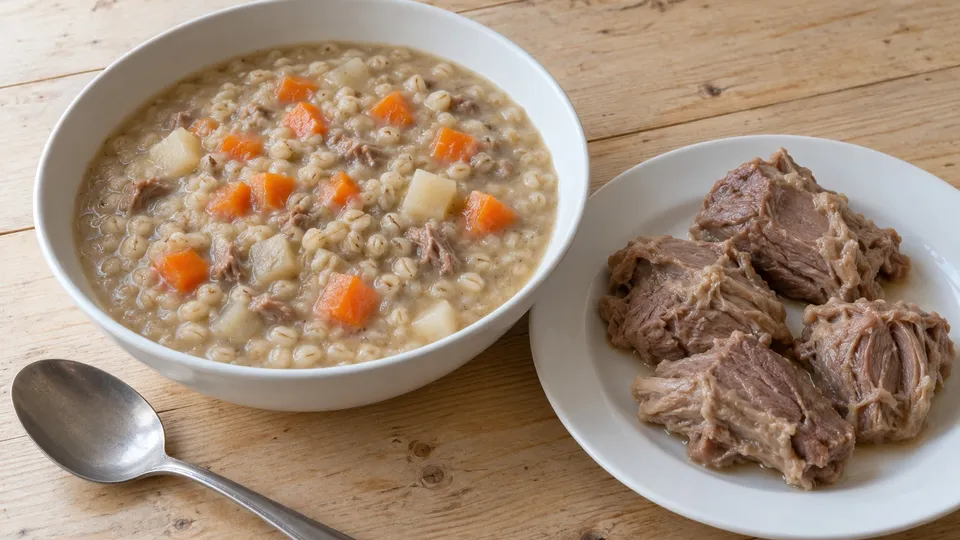
Semi-Stewed Mutton and Barley (1857)
Semi-stewed mutton and barley, Alexis Soyer’s hospital soup from Scutari: mutton or lamb simmered whole with barley, vegetables, salt, sugar and pepper, then thickened with a flour batter.
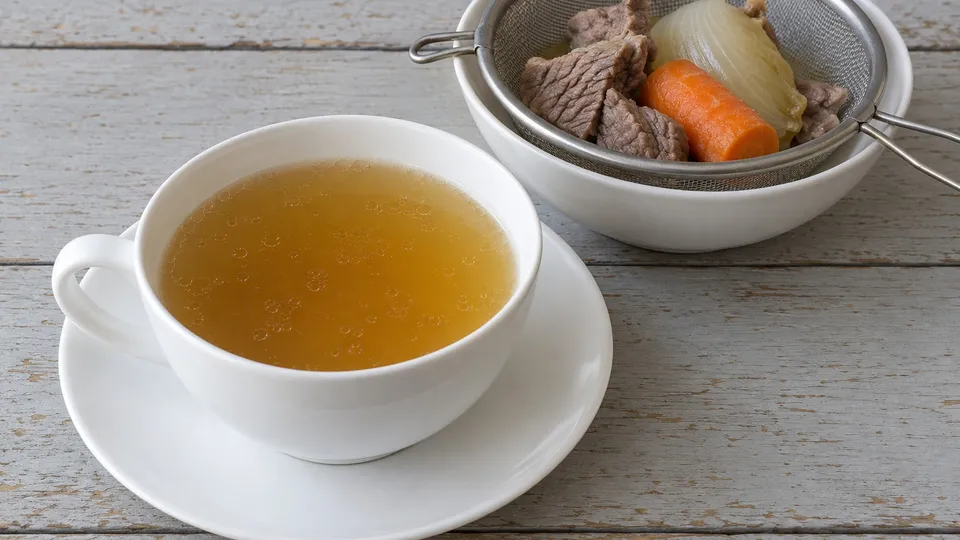
Beef Tea (1857)
Beef cooked down with butter, onion and carrot to a pale gravy, then simmered an hour in water and strained: Alexis Soyer’s beef tea from the Scutari hospitals.
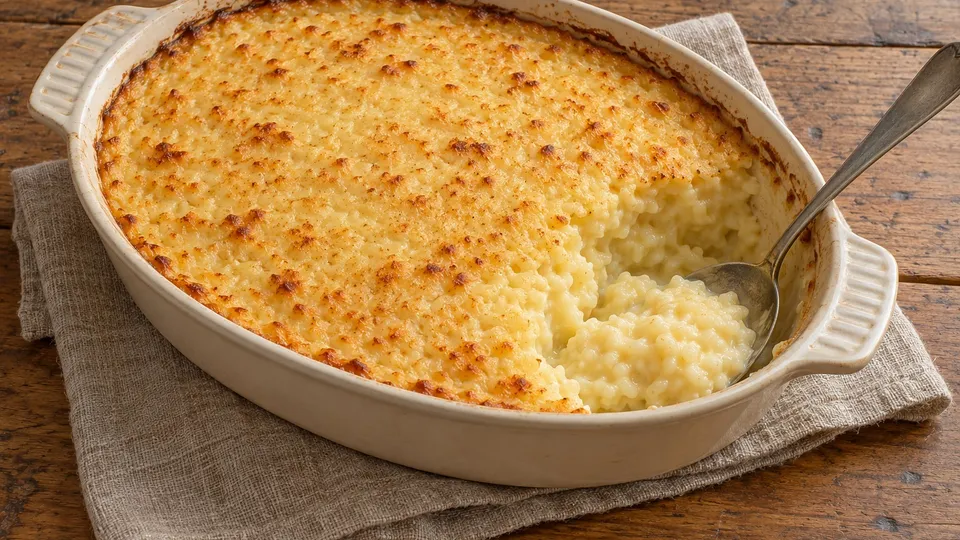
Rich Rice Pudding (1857)
Alexis Soyer’s rich rice pudding for the hospitals: rice simmered in milk and water with sugar, lemon peel and butter, then set with beaten eggs and baked quickly.
What Did the Soldiers Share in the Christmas Truce of 1914?
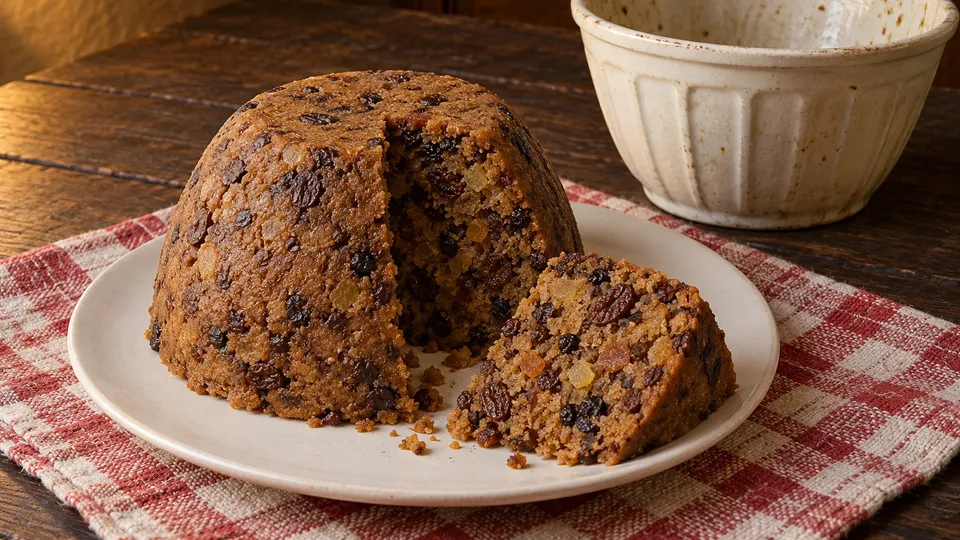
Christmas Plum Pudding (1861)
Isabella Beeton’s Christmas plum pudding of raisins, currants, peel, breadcrumbs, suet and eggs, with no sugar or flour, steamed in a basin. Brandy optional.
Was Chicken Marengo Really Cooked on the Battlefield?
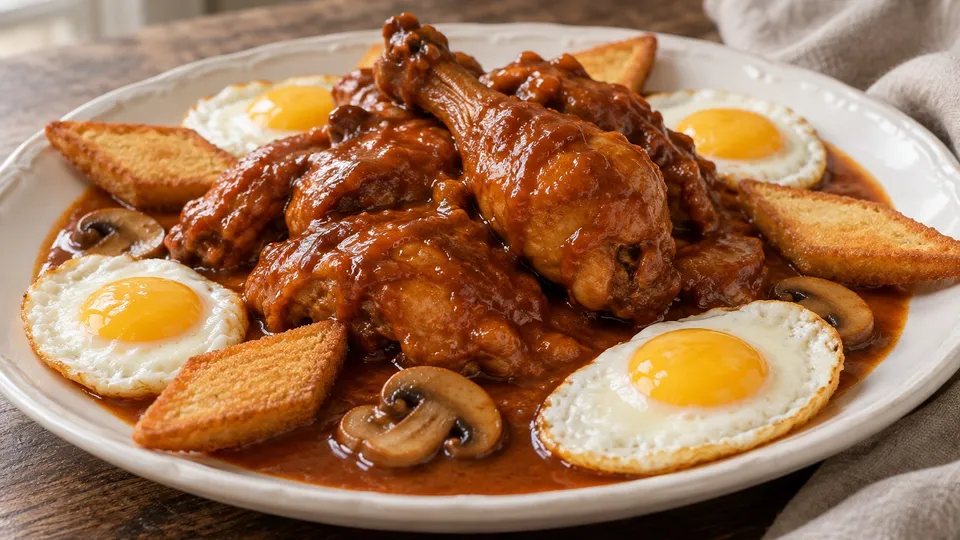
Chicken Marengo with Fried Eggs (1890)
Agnes Marshall’s 1890 chicken Marengo with fried eggs: chicken with onions, bacon, tomatoes, sherry and brown sauce, served with the eggs and kite-shaped croûtons.
What Did London’s Poor Eat at the King’s Dinner in 1902?
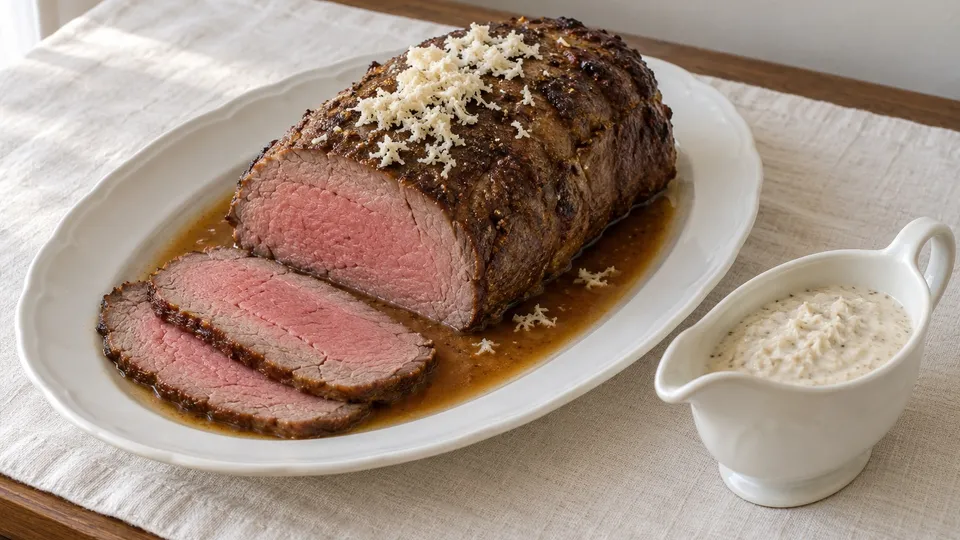
Roast Beef with Horseradish Sauce (1894)
Agnes Marshall’s roast beef with horseradish sauce, about 1894: a joint roasted under greased paper, with a cold sauce of grated horseradish, two mustards and whipped cream.
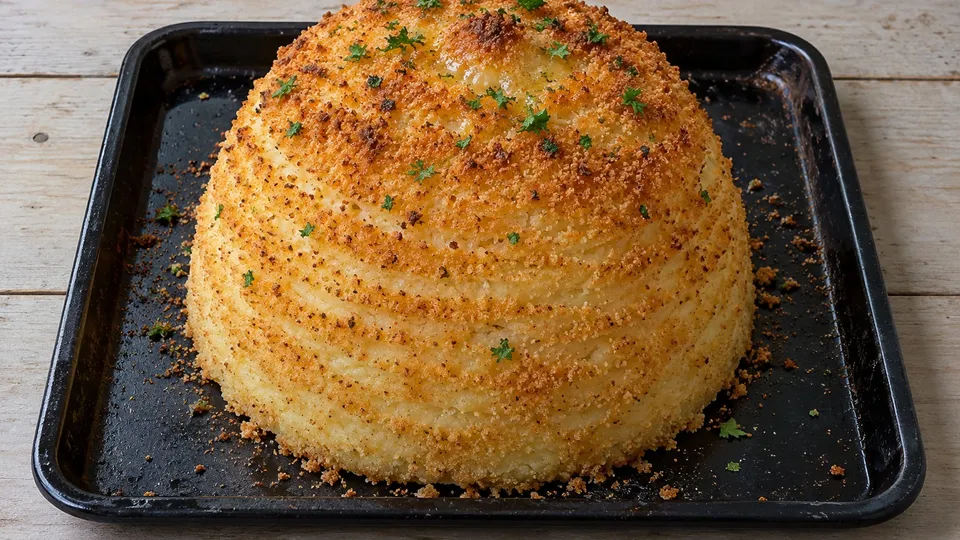
Mashed Potatoes Baked (1894)
Agnes Marshall’s mashed potatoes baked, about 1894: buttery mash piled into a beehive, coated with crumbs from baked crusts, dotted with butter and browned in the oven.
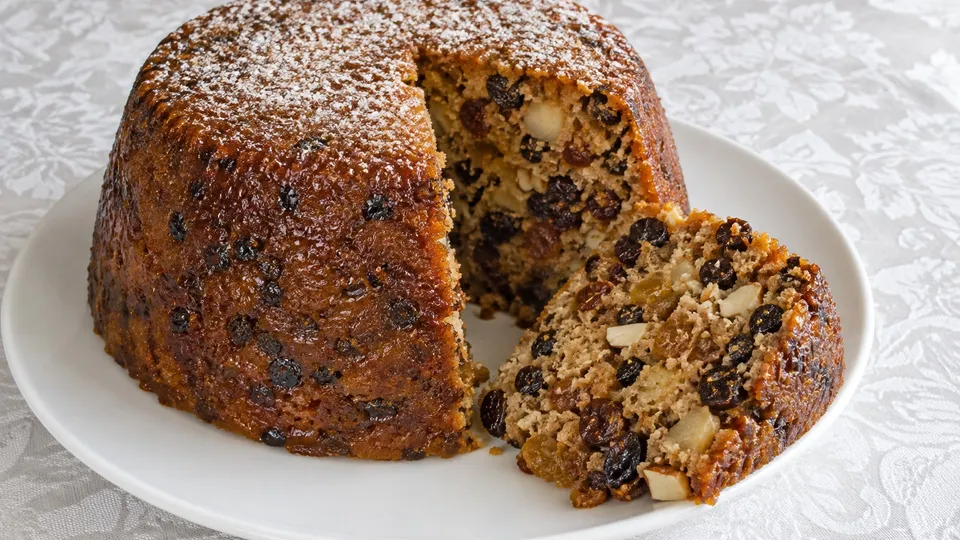
Plum Pudding (1894)
Agnes Marshall’s plum pudding of suet, raisins, currants, sultanas, chopped apple, almonds and peel, raised with baking powder and steamed in a basin, about 1894.
What Was Served at the First Nobel Dinner in 1901?
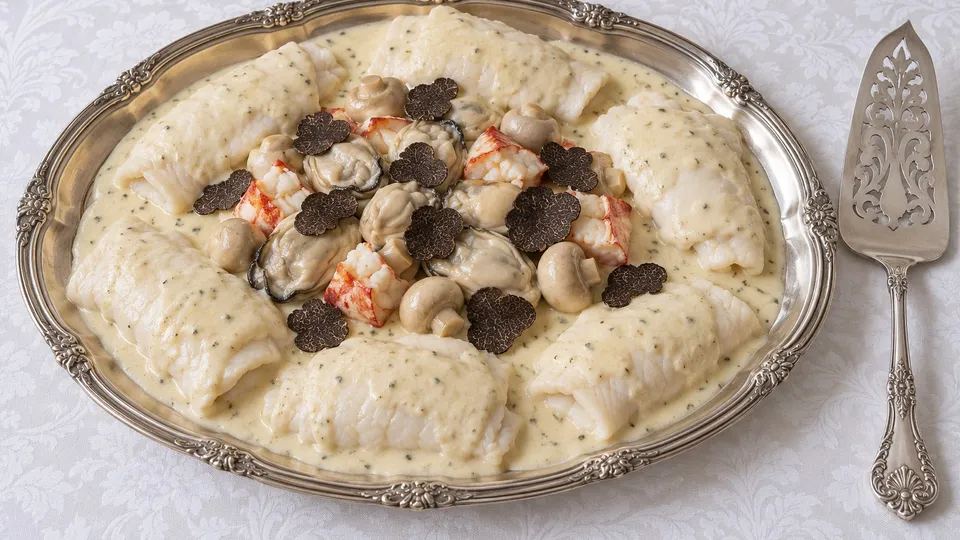
Fillets of Sole à la Normande (1894)
Agnes Marshall’s fillets of sole à la Normande, about 1894: cooked under buttered paper, in cream sauce made on a spiced fish stock, with oysters, mushrooms, lobster and truffle.
What did Victorians eat for dinner?
It depended on the table. A plain English dinner was a roast: when London’s boroughs gave the poor a dinner in Edward VII’s name in July 1902, Fulham’s card promised roast beef and sauce, potatoes, bread, plum pudding and cheese, and Agnes Marshall’s Roast Beef with Horseradish Sauce and Baked Mashed Potatoes show how a cook of the 1890s made them.
A grand dinner was French in name and dressed up on the plate. Marshall’s Fillets of Sole à la Normande come under a cream sauce with oysters, mushrooms, lobster and truffle, and her Chicken Marengo of 1890 is garnished with fried eggs.
What did Victorians eat at Christmas?
In A Christmas Carol of 1843 the Cratchits sit down to a roast goose with sage and onion stuffing, apple sauce and mashed potatoes, and Mrs. Cratchit carries in the pudding blazing. What Did the Cratchits Eat for Christmas Dinner? follows that dinner, with Roast Goose with Sage and Onion Stuffing from Mrs. Beeton and a Plum Pudding from Soyer’s shilling cookery book for working families.
The pudding came above all. Mrs. Beeton printed hers in 1861, sweet from its fruit alone, and Agnes Marshall’s of about 1894 adds chopped apple, almonds and peel. In 1868 the Paris chef Jules Gouffé printed one with rum as the English Christmas dish. Our Christmas Plum Pudding (1861) is the Beeton, and What Did the Soldiers Share in the Christmas Truce of 1914? follows the puddings that crossed the line.
What did Victorians eat for dessert?
Ices and puddings. Masters’s Ice Book of 1844 gives Lemon Ice Cream, a Brown-Bread Ice Cream thickened with browned bread and sponge fingers, a black tea ice cream and a strawberry water ice. A chemistry professor who saw his machine that year was served cherry, ginger, lemon and vanilla ices. For everyday puddings, Soyer’s Rich Rice Pudding is rice simmered in milk with lemon peel and butter and set with eggs.
What did poor Victorians eat?
Bread and soup, when charity or the state stepped in. Soyer’s Dublin soup of 1847 put about two ounces of beef into each gallon, with onions, leeks, celery, turnips, flour and barley, and doctors in London, Edinburgh and Dublin said it held too little food. Soyer’s Soup No. 1 follows his receipt. The penny soup London sold the poor in 1799, before Victoria’s reign, is on our 18th-century recipes page.
What they drank with it
Forgotten Drink, our sister site, pours what went with these dinners: tea, cocoa and coffee-tavern drinks, lemonade and ginger beer, negus, punch, mulled wine and bishop, all from period books, in What Did Victorians Drink? (opens in a new tab)