14 recipes
Civil War Recipes
Civil War recipes from both sides: Richmond’s Confederate Receipt Book of 1863, Union army bread, the 1864 Sanitary Fair cookbook and Lincoln’s ball.
These Civil War recipes come from four places on both sides of the war. In the Confederate capital, food prices in the spring of 1863 were almost ten times what they had been in 1861, and on April 2 hundreds of people, led by women, marched through Richmond’s streets. That same year a Richmond publisher printed the Confederate Receipt Book, “adapted to the times,” with rice flour to stretch the wheat, boiled potato in the pie crust and soaked crackers where there were no apples. Four of its recipes are here, with the story in What Was Richmond Cooking in the Year of the Bread Riot?
The Union army baked its own bread. A baker’s method printed in 1862 sets a ferment of potatoes and yeast the night before, gives the dough a long rise and bakes it about fifty minutes, the work a post like Fort Larned in Kansas did in one brick oven that took 340 loaves at a time. The army’s company bean soup comes from the same years: How Was Bread Baked at a Frontier Fort?
In the North, food also raised money. Maria J. Moss gave A Poetical Cook-Book to Philadelphia’s Great Central Fair of June 1864, which raised over a million dollars for sick and wounded Union soldiers; its oyster loaves, stewed duck, coconut pudding and gingerbread are in What Was in the 1864 Sanitary Fair Cookbook? And when Lincoln began his second term, a Washington confectioner laid the supper at his inaugural ball on March 6, 1865, with pyramids of sweets, a dozen cakes, charlottes and six ice creams. The four sweets we give for it come from Eliza Leslie’s Directions for Cookery, a Philadelphia book that stayed in print into the 1890s and covers nearly every dish on the sweet side of that bill: What Was on the Sweets Table at Lincoln’s Inaugural Ball?
What Was Richmond Cooking in the Year of the Bread Riot?
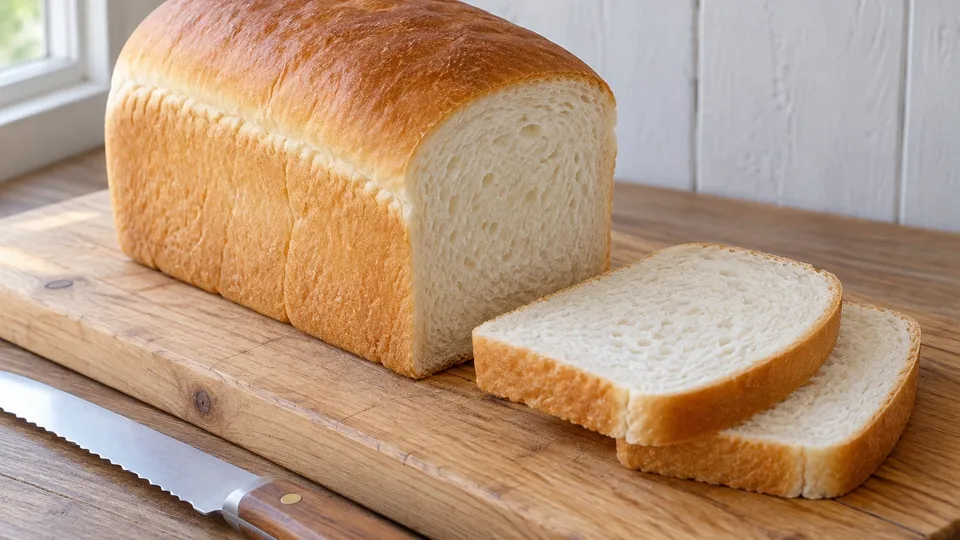
Rice Bread (1863)
Rice bread from the Confederate Receipt Book, printed in Richmond in 1863: a yeast loaf that stretches wheat flour with a cooked rice-flour paste.
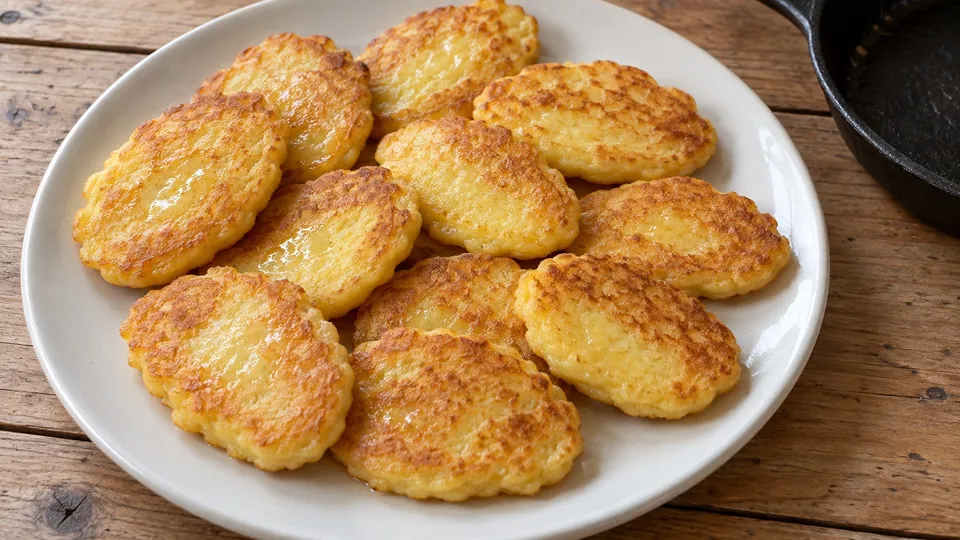
Artificial Oysters (1863)
Artificial oysters from the Confederate Receipt Book, printed in Richmond in 1863: grated green corn fritters, fried a spoonful at a time to the size of an oyster.
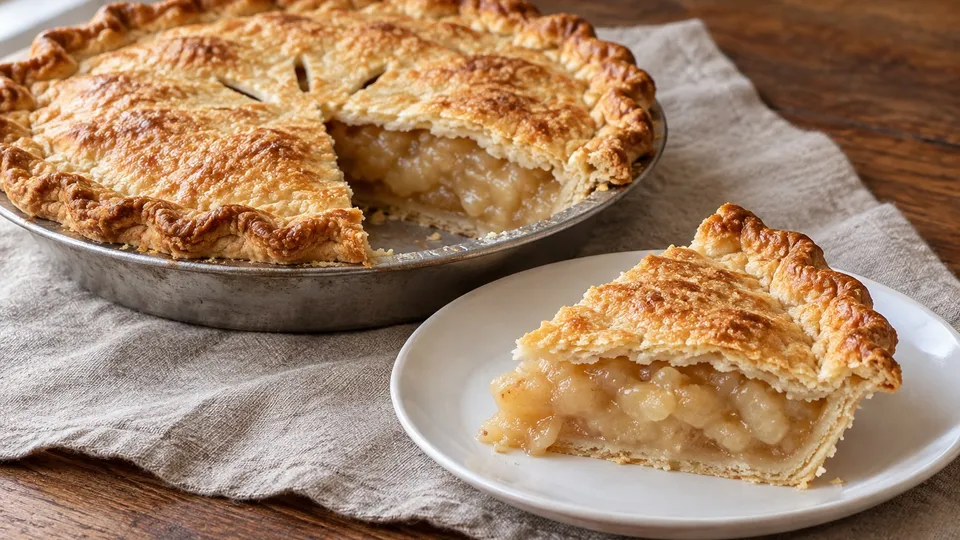
Apple Pie without Apples (1863)
An apple pie without apples from the Confederate Receipt Book of 1863: soaked crackers sharpened with tartaric acid, butter and nutmeg, in the same book’s potato pastry.
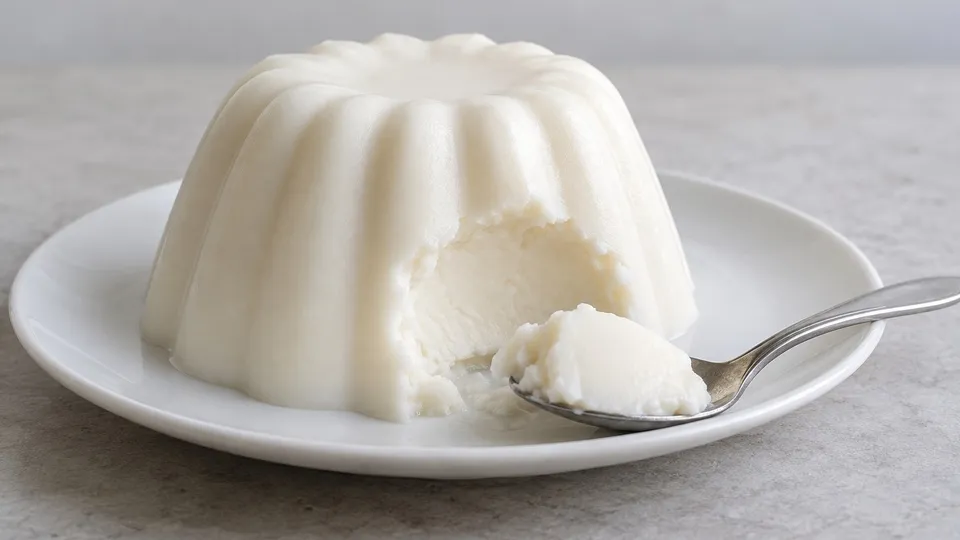
Rice Flour Blancmange (1863)
A rice flour blancmange from the Confederate Receipt Book, printed in Richmond in 1863: milk thickened with rice flour, sweetened, scented with rose water and molded.
How Was Bread Baked at a Frontier Fort?
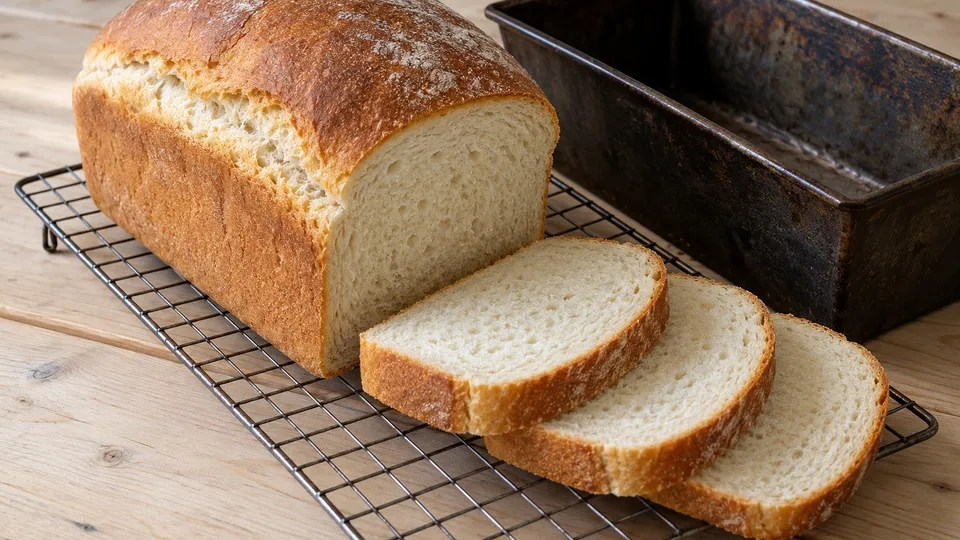
Army Potato Bread (1862)
Army potato bread from Captain Sanderson’s 1862 handbook for the troops: a one-pound loaf raised on an overnight ferment of potatoes, flour and yeast, cut down from an army baker’s method.
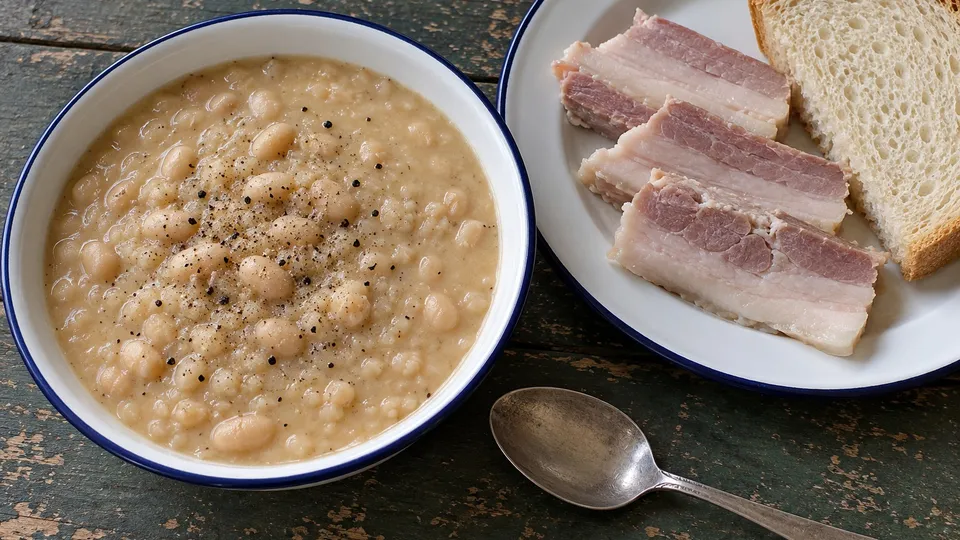
Pork and Bean Soup (1862)
Pork and bean soup from the company kitchen in Sanderson’s 1862 army handbook: navy beans boiled with salt pork, finished with onion, pepper and a dash of vinegar and mashed thick, the pork served on the side.
What Was in the 1864 Sanitary Fair Cookbook?
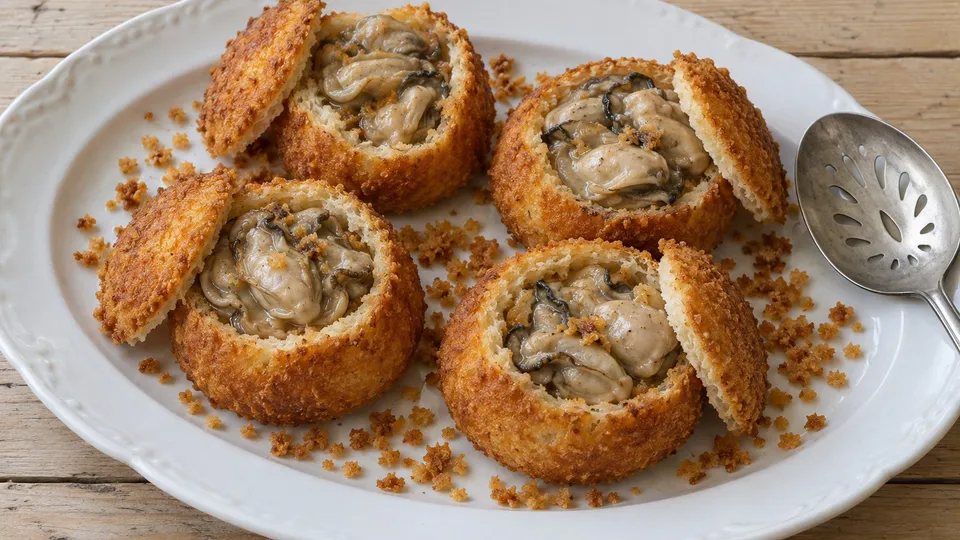
Oyster Loaves (1864)
Oyster loaves of 1864: small French rolls emptied, fried crisp in clarified butter and filled with oysters stewed in their liquor with white wine, gravy, lemon peel and mace.
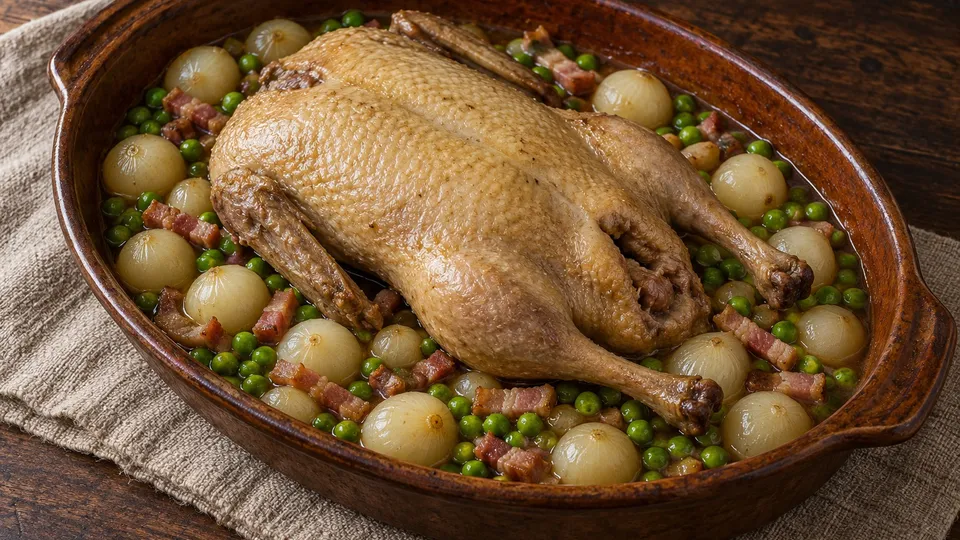
Stewed Duck and Peas (1864)
Stewed duck and peas from a recipe written as a poem: a whole duck stewed with butter, streaky bacon, twenty small onions, parsley, bay and cloves, finished with green peas.
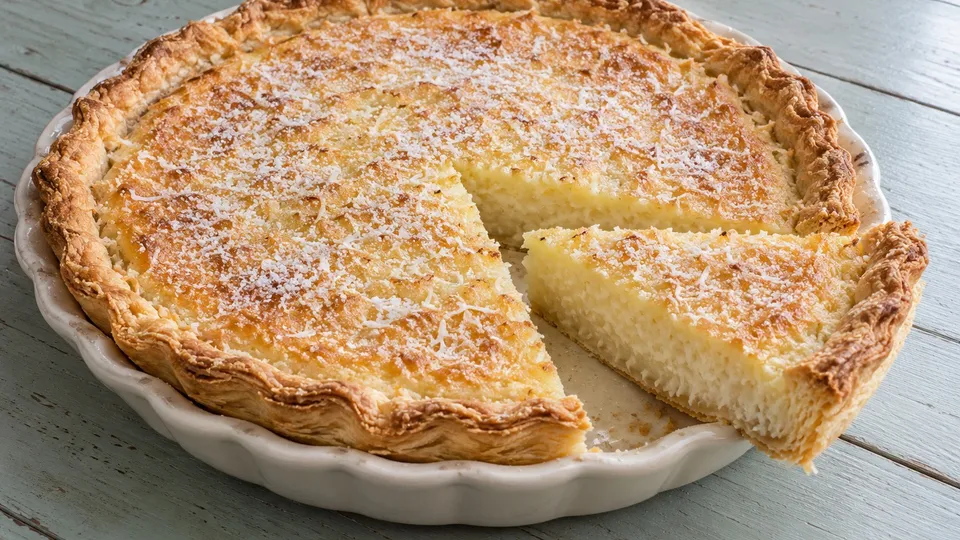
Cocoanut Pudding (1864)
A cocoanut pudding of 1864: freshly grated coconut folded into butter, sugar and stiffly beaten egg whites with rose water, wine and brandy, baked on puff pastry and dusted with sugar.
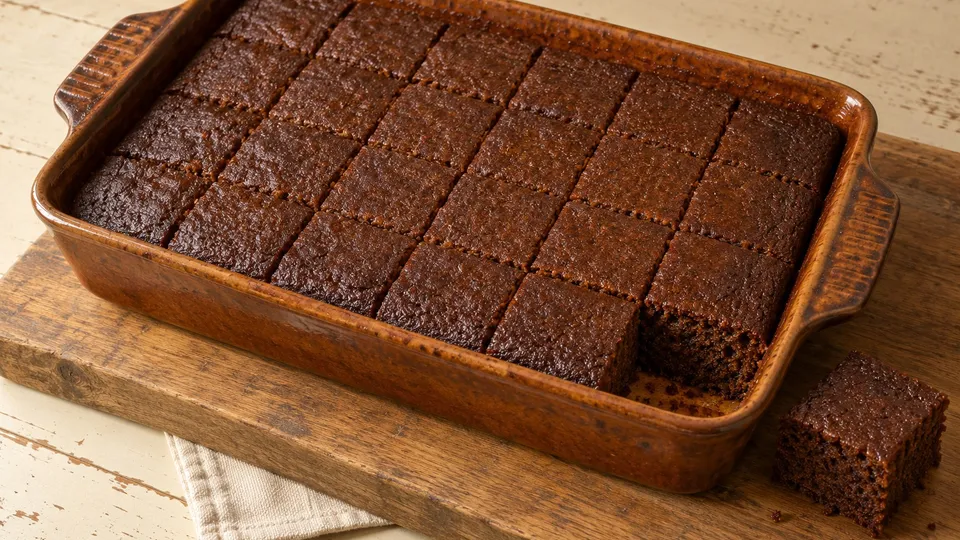
Lafayette Gingerbread (1864)
Lafayette gingerbread of 1864: a dark molasses cake with brown sugar, butter, five eggs, freshly ground cinnamon, allspice and cloves, a great deal of ginger and two lemons.
What Was on the Sweets Table at Lincoln’s Inaugural Ball?
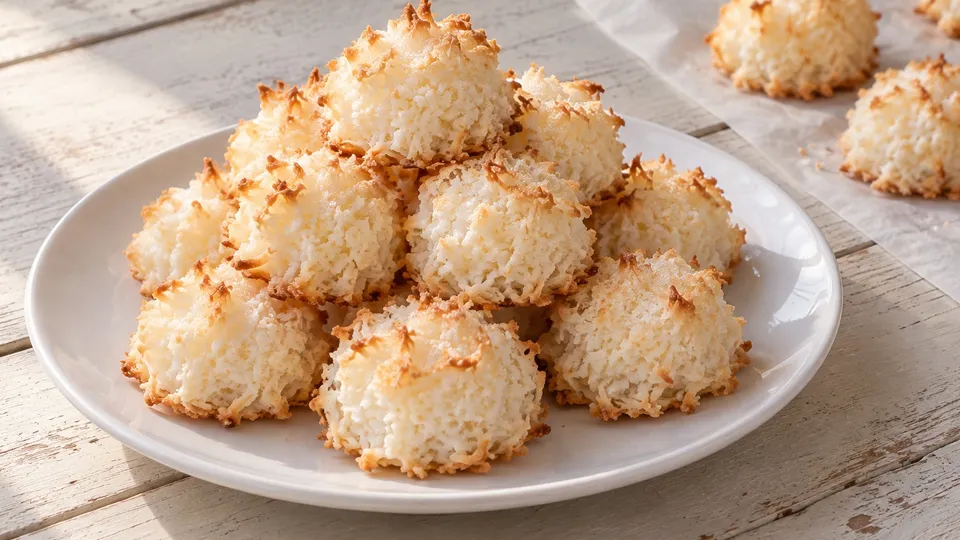
Cocoa-nut Maccaroons (1840)
Cocoa-nut maccaroons from Eliza Leslie’s best-selling American cookbook: little balls of grated coconut, sugar and beaten egg white, dusted with sugar and baked quickly.
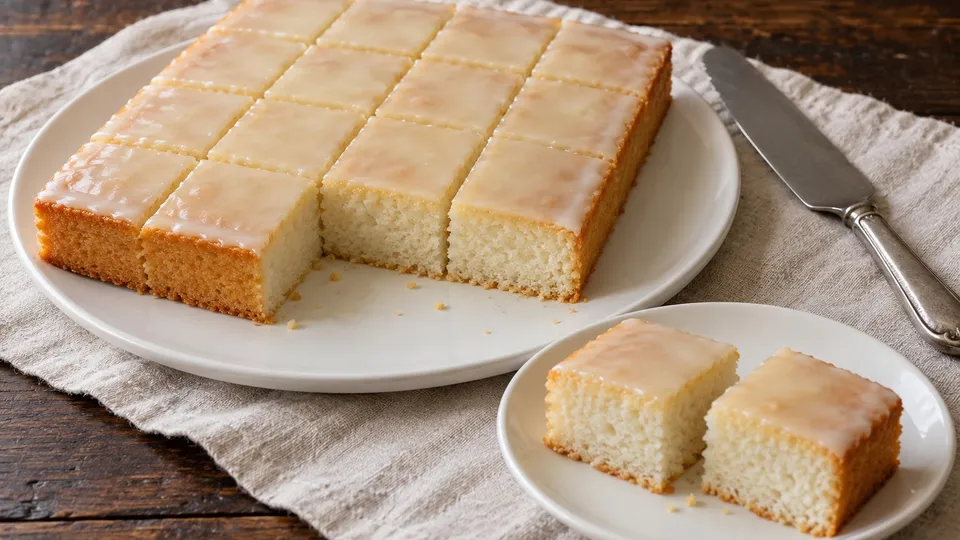
Lady Cake (1840)
Eliza Leslie’s lady cake, from her 1840 Directions for Cookery: a white almond butter cake raised only by beaten egg whites, baked in a square pan and iced with lemon.
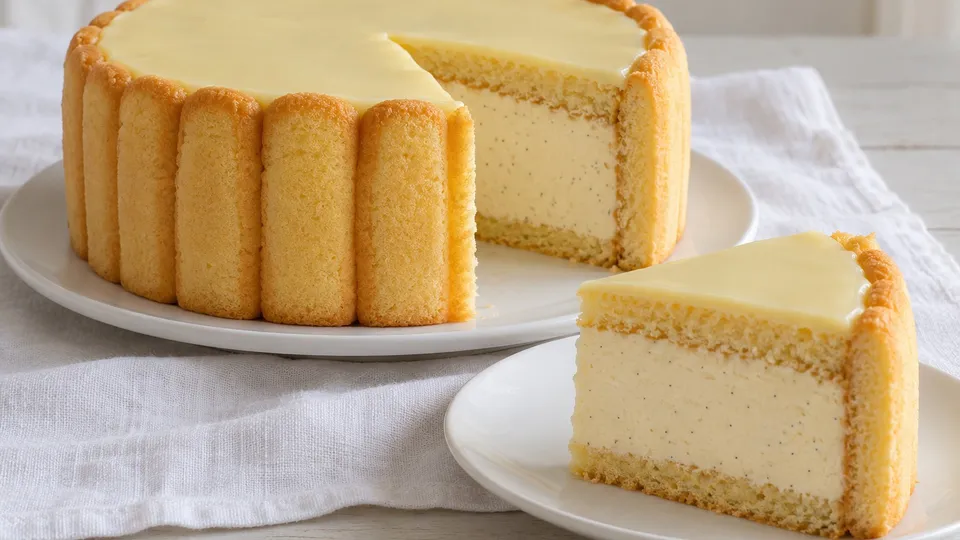
Charlotte Russe (1840)
Eliza Leslie’s charlotte russe, from her 1840 Directions for Cookery: vanilla custard and whipped cream set in a straight-sided mold lined with sponge cake, turned out and iced with lemon.
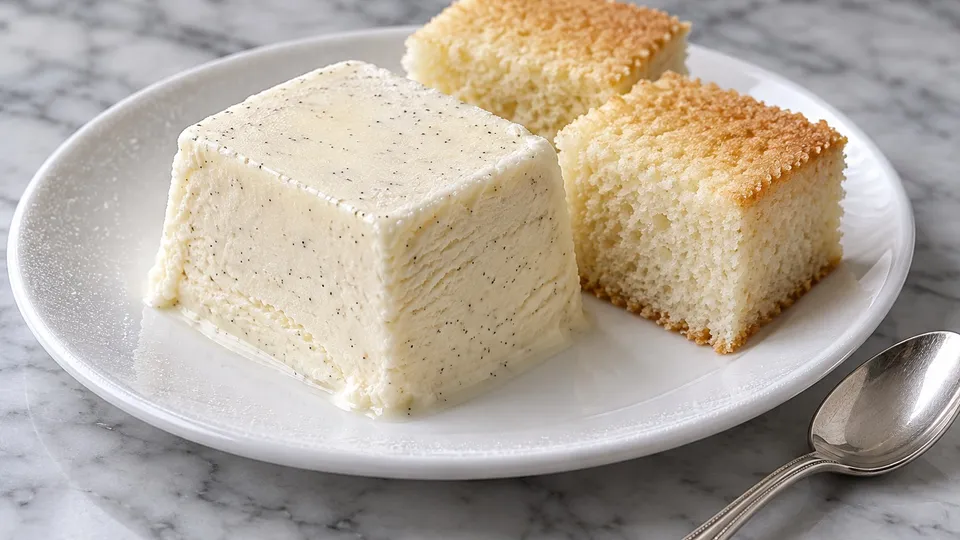
Vanilla Ice Cream (1840)
Eliza Leslie’s vanilla ice cream, 1840: cream sweetened with vanilla-steeped milk and sugar, churned, then packed into a mold and frozen a second time.
What did Civil War soldiers eat?
Our sources show the bread and soup of the Union army, baked at the post or cooked by the company. The army baker’s method of 1862 behind our Army Potato Bread makes loaves of about a pound of flour each, and the Pork and Bean Soup of an 1862 company kitchen mashes navy beans and salt pork thick with onion, pepper and vinegar.
What did the South eat during the Civil War?
Less than it needed, and at prices it could not pay. The Confederate Receipt Book of 1863 shows Richmond’s kitchens making do: Rice Bread kneaded from a cooked rice-flour paste and wheat flour, corn fritters called Artificial Oysters, and a Rice Flour Blancmange scented with rose water.
What desserts were made during the Civil War?
At the top, a confectioner’s table: Lincoln’s 1865 ball had pyramids of nougat, caramel and macaroon, calf’s-foot jelly, charlottes, blanc mange, six ice creams and three fruit ices. Our Charlotte Russe and Lady Cake follow Eliza Leslie. At home in Philadelphia, the Sanitary Fair cookbook baked a Cocoanut Pudding on puff pastry and a dark Lafayette Gingerbread.
Was mock apple pie a Civil War recipe?
One was printed during the war. The Confederate Receipt Book of 1863 gives an apple pie without apples: soaked crackers with tartaric acid, sugar, butter and nutmeg, baked in a pastry made with potato. Our Apple Pie without Apples follows it.
What they drank with it
In camp the drink was coffee. Forgotten Drink, our sister site, makes the Union Army’s camp coffee and camp tea of 1862 and follows the drink rations of the army and the navy in Soldiers’ and Sailors’ Drinks (opens in a new tab).