11 recipes
Old-Fashioned Ice Cream Recipes
Old-fashioned ice cream recipes, 1840 to 1931: Eliza Leslie’s vanilla, Thomas Masters’s 1844 ices, Fannie Farmer’s pistachio and a Prohibition sundae.
These old-fashioned ice cream recipes span ninety years of freezing by hand. The oldest is Eliza Leslie’s vanilla ice cream of 1840, churned and then frozen again in a mold. In 1843 Nancy Johnson patented a hand-cranked ice cream freezer in America, and in February 1844 a London magazine watched Thomas Masters’s machine, “little bigger than an ordinary tea-pot,” make two and a half quarts of ice cream in under four minutes. Masters printed his recipes that year in The Ice Book, and four of them are here: How Did a Cook Make Ice Cream in Four Minutes in 1844?
Ice cream marked an occasion. Lincoln’s inaugural ball in 1865 set out six ice creams and three fruit ices; and Fannie Farmer’s pistachio and strawberry of 1896, the two flavors of the ice cream ducks in an 1889 New York novel, show what a home cook made then. The Titanic’s first-class dinner of April 14, 1912, served an iced punch romaine between the courses, and the Sultan of Morocco’s train menu of 1945 ended with Escoffier’s apricot ice.
In the dry years ice cream stood in for a drink: Bertha Stockbridge’s book of 1920 offered a hot fudge sundae in place of one. In 1931 the government’s radio housekeeper, Aunt Sammy, read out a strawberry ice cream made with light cream and no eggs. Each recipe names its book and comes with a version for a modern ice cream maker or the old freezer and salt.
How Did a Cook Make Ice Cream in Four Minutes in 1844?
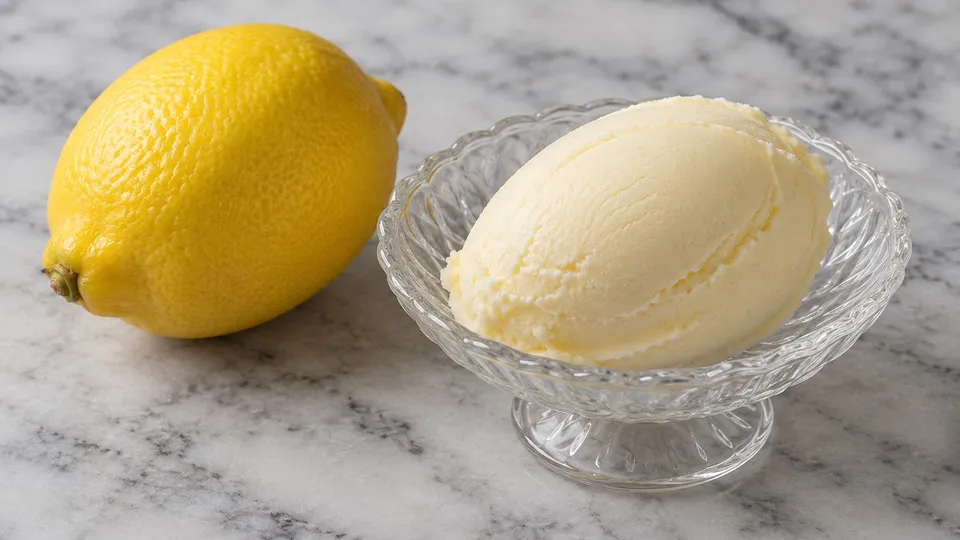
Lemon Ice Cream (1844)
Thomas Masters’s lemon ice cream of 1844: cream, sugar rubbed with lemon peel and the juice of two lemons, mixed cold and frozen.
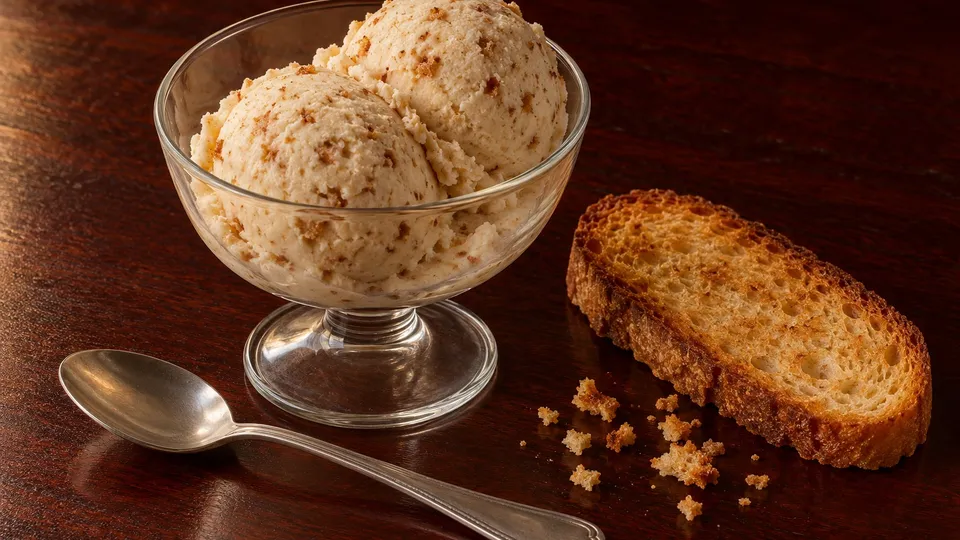
Brown-Bread Ice Cream (1844)
Brown-bread ice cream from Thomas Masters’s Ice Book of 1844: cream thickened with oven-browned bread and sponge fingers, frozen and finished with toasted crumbs and a little maraschino.
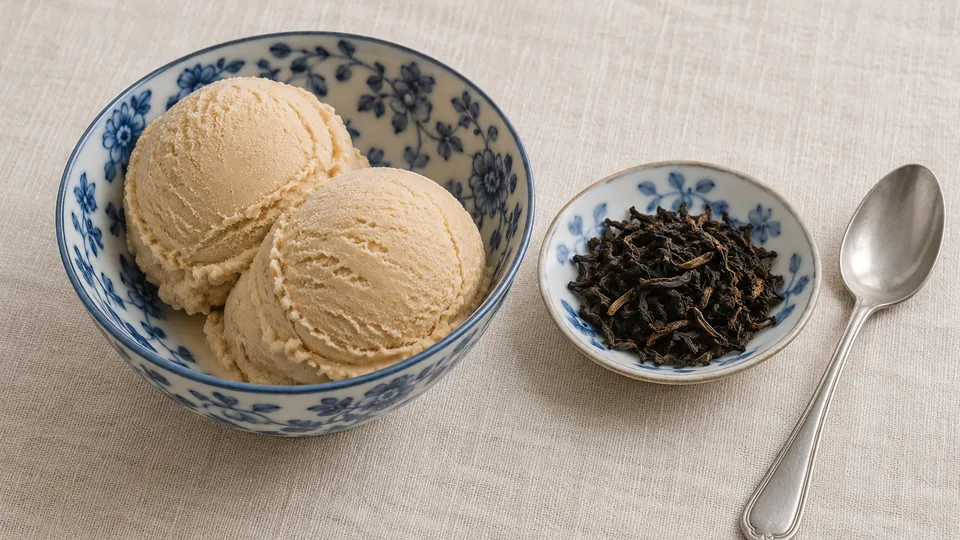
Howqua’s-Tea Ice Cream (1844)
Howqua’s-tea ice cream from Thomas Masters’s Ice Book of 1844: cream and sugar mixed with a cup of strong black tea and frozen. Howqua was the Western name of a great Canton tea merchant.
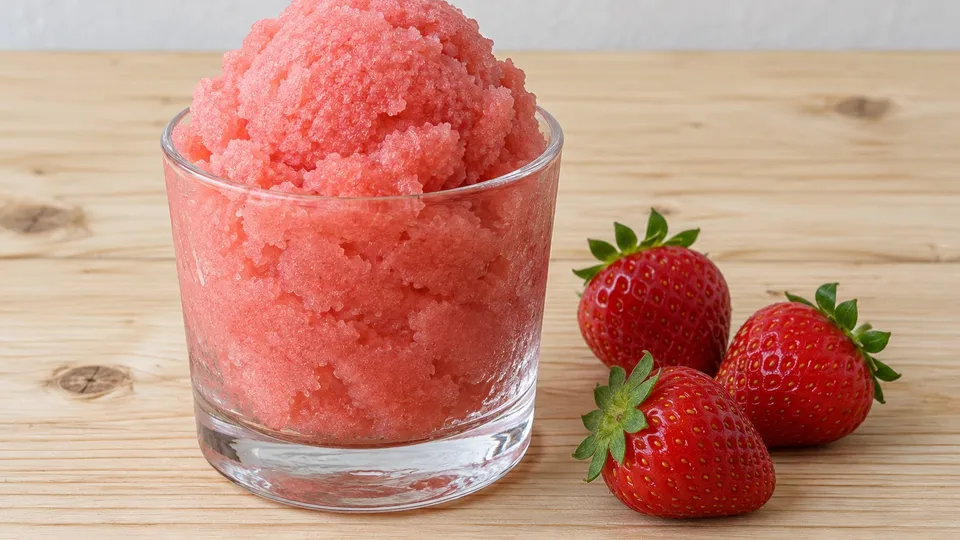
Strawberry Water Ice (1844)
Strawberry water ice from Thomas Masters’s Ice Book of 1844: strained strawberries, lemon and syrup frozen soft, in the flavor one of London’s first street ice sellers sold most.
What Was on the Sweets Table at Lincoln’s Inaugural Ball?
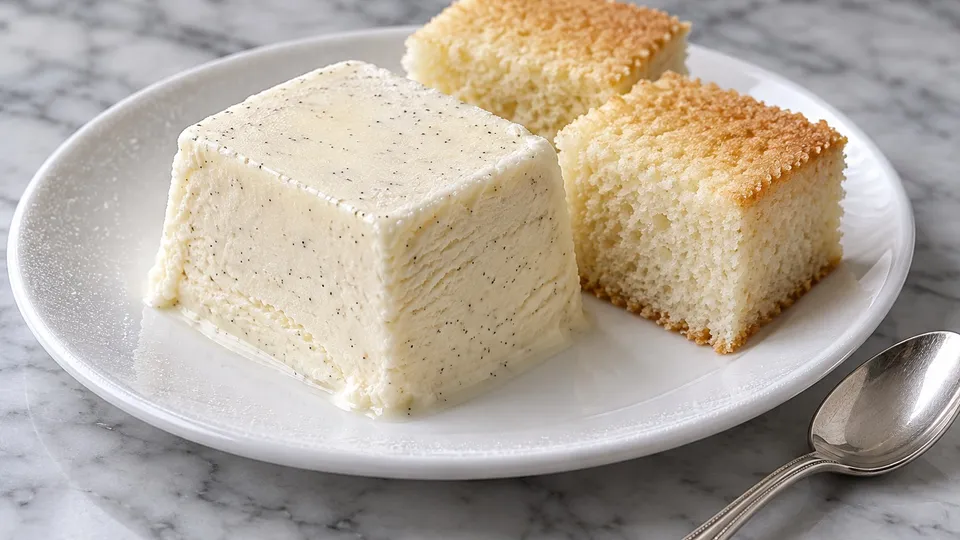
Vanilla Ice Cream (1840)
Eliza Leslie’s vanilla ice cream, 1840: cream sweetened with vanilla-steeped milk and sugar, churned, then packed into a mold and frozen a second time.
What Did a Total Abstinence Candy Society Eat Instead?
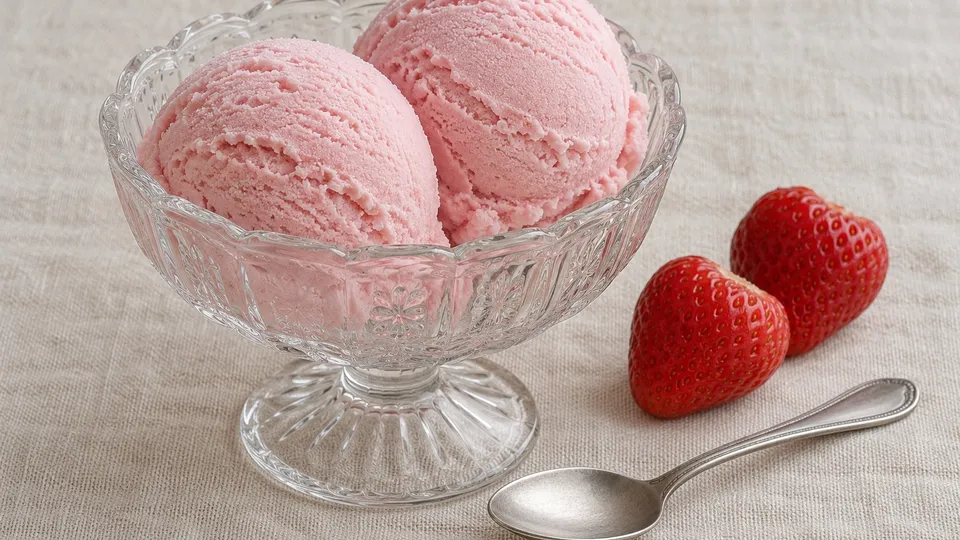
Strawberry Ice Cream (1896)
Fannie Merritt Farmer’s strawberry ice cream, from her Boston Cooking-School Cook Book of 1896: fresh berries sugared, mashed and sieved, folded into a light cream base thickened with a little arrowroot.
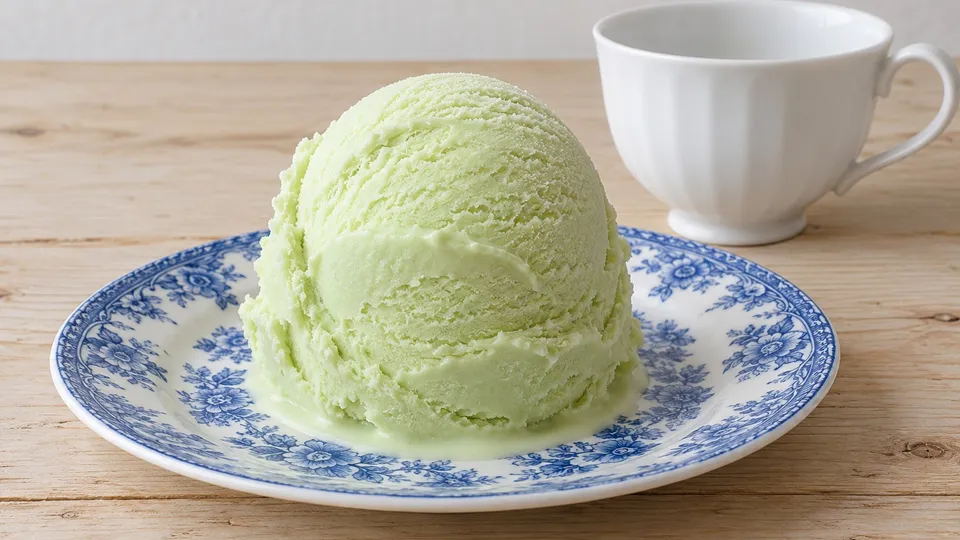
Pistachio Ice Cream (1896)
Pistachio ice cream with no pistachios in it: a pale green custard ice cream flavored with vanilla and almond, after Fannie Merritt Farmer’s Boston Cooking-School Cook Book of 1896.
What Was the Last First-Class Dinner on the Titanic?
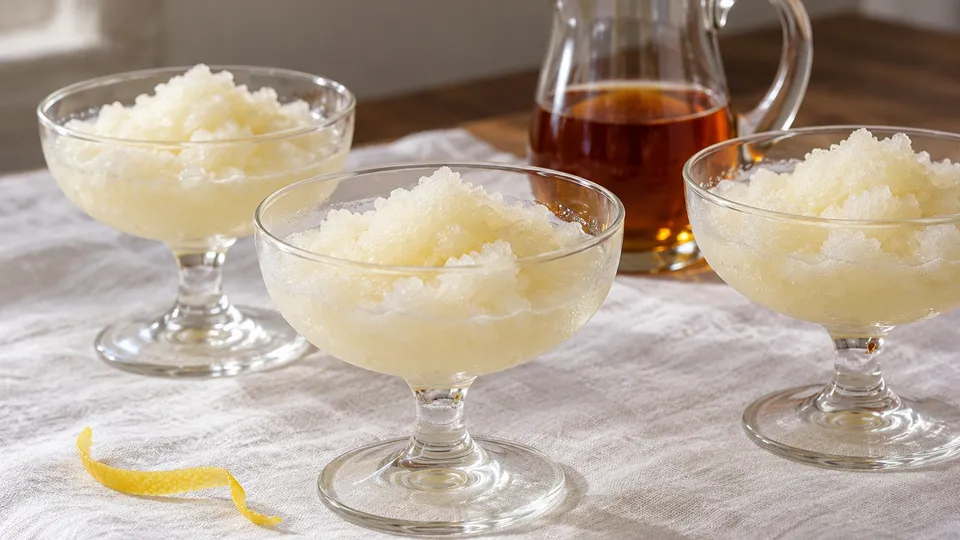
Punch à la Romaine (1912)
Punch à la romaine, the iced course of the Titanic’s first-class dinner on April 14, 1912: Escoffier’s soft wine and citrus ice with Italian meringue and rum, served in glasses.
What Did Americans Cook When the Bars Closed in 1920?
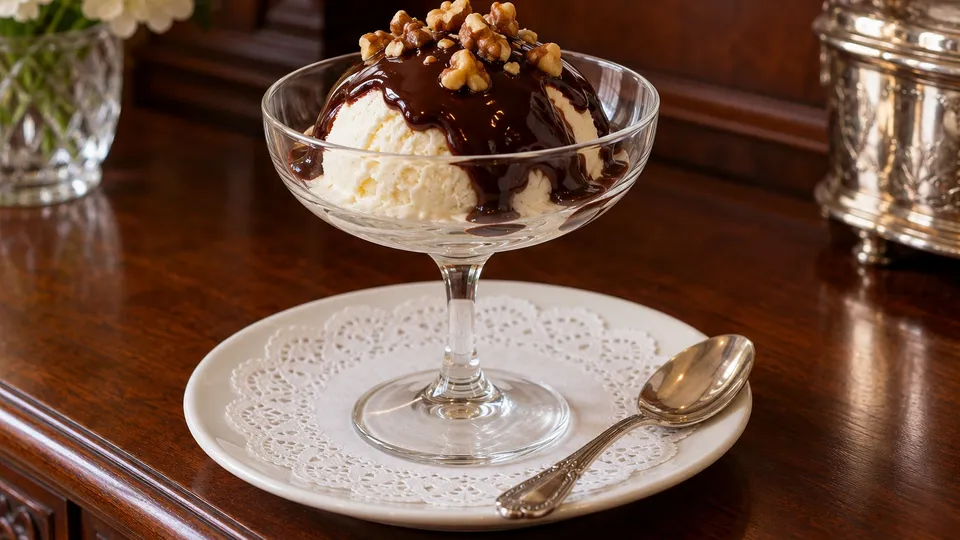
Hot Fudge Sundae (1920)
A hot fudge sundae from What to Drink, Bertha Stockbridge’s 1920 book for the hostess of the dry years: vanilla ice cream under her heavy fudge sauce, kept hot in a double boiler and finished with nuts.
What Did Aunt Sammy Tell Listeners to Cook in July 1931?
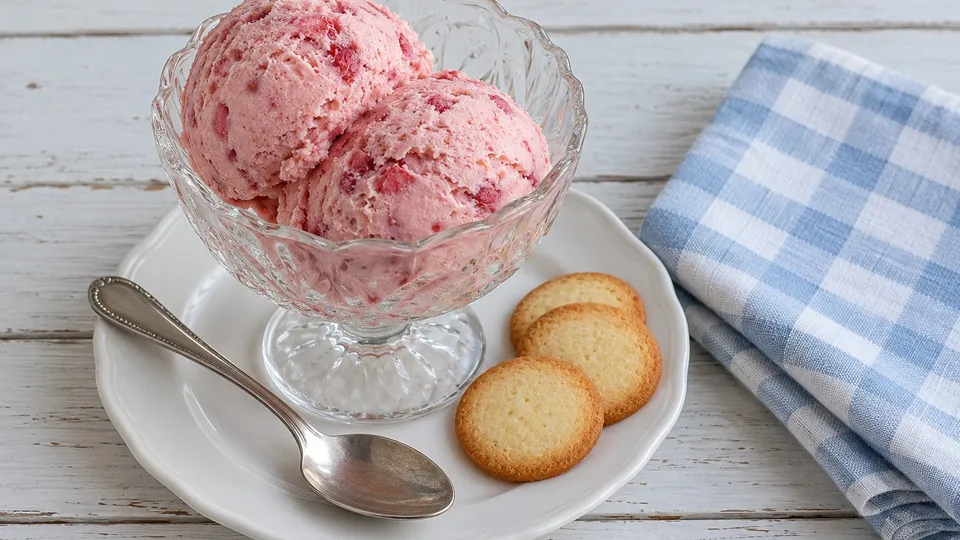
Strawberry Ice Cream (1931)
Strawberry ice cream from Aunt Sammy’s Radio Recipes Revised, 1931: fresh berries stood in sugar, pressed through a colander and churned with light cream and lemon juice.
What Was on the Royal Train’s Menu in 1945?
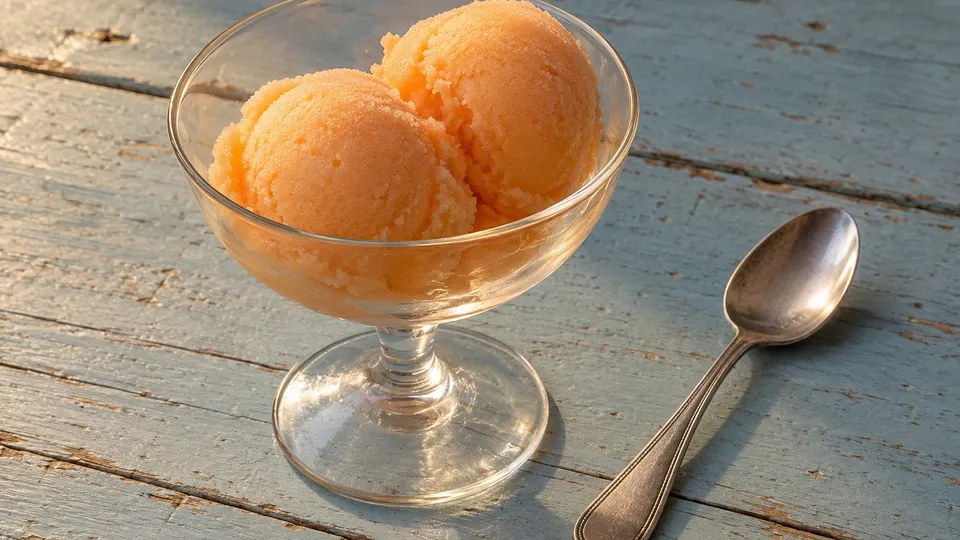
Apricot Ice (1907)
Ripe apricot purée, sugar syrup and lemon juice, frozen smooth: Escoffier’s apricot ice of 1907, the Glace aux Abricots on a 1945 train menu.
How was ice cream made in the 1800s?
In a can turning in a freezing mixture. Ice cream that freezes standing still separates, Masters explained in 1844, so confectioners beat it by hand while it froze. His machine spun the can while a fixed blade scraped the frozen cream off the cold wall, so it froze and was beaten in one motion. The cold came from ice or snow with salt, or from stronger chemical salts.
Where did the ice come from?
In London in 1844 the ice for fashionable confectioners was still cut from suburban ponds, “as in the days of Pepys,” the Mechanics’ Magazine wrote. Masters claimed his freezing salts could make solid ice from spring water, and expected his machine to end the trade in natural ice.
What ice cream flavors were there in the 1800s?
More than vanilla and strawberry. Masters’s Ice Book gives Lemon, Brown-Bread and Howqua’s Tea ice creams, and a visitor to his stand in 1844 was served cherry, ginger, lemon and vanilla. Fannie Farmer’s Pistachio Ice Cream of 1896 is a green vanilla custard flavored with almond extract, with no nuts in it at all.
How do you make ice cream without eggs the old way?
Many of the old recipes had none. Masters’s lemon ice cream is cream, sugar rubbed on lemon peel and lemon juice, mixed cold and churned. Aunt Sammy’s Strawberry Ice Cream (1931) is sugared berries pressed through a colander and frozen with light cream, and a water ice such as Strawberry Water Ice leaves out the cream as well.
What they drank with it
Ice cream also went into the glass. Forgotten Drink, our sister site, makes ice cream sodas, phosphates, the egg cream and root beer from the soda-fountain manuals in its old-fashioned sodas (opens in a new tab).