37 recipes
Edwardian Recipes
Edwardian recipes, 1901 to 1914: the Titanic’s last first-class dinner, Scott’s Midwinter feast, paper-bag cookery and the first Nobel dinner.
These Edwardian recipes come from the years between Queen Victoria’s death in 1901 and the First World War, and from tables that left a record. The best known is the first-class dinner card on the Titanic for Sunday, April 14, 1912: oysters, consommé Olga, salmon with mousseline sauce, roast duckling with apple sauce, an iced punch romaine and peaches in Chartreuse jelly, a menu for a grand London hotel served on a ship in the North Atlantic. What Was the Last First-Class Dinner on the Titanic? gives the card and four of its dishes.
Far to the south, Robert Falcon Scott’s men sat down at Cape Evans on June 22, 1911, the middle of the polar winter, to seal soup, roast beef with Yorkshire pudding, a flaming plum pudding, mince pies and a savory of cod’s roe, all with champagne; out on the ice they lived on pemmican hoosh. Mrs. Beeton’s 1906 edition gives the home dishes: What Did Scott’s Men Eat for Midwinter at Cape Evans?
At home, the Edwardian kitchen tried new ways to cook. In 1911 Nicolas Soyer, chef at Brooks’s Club in London, promised nearly a whole dinner from a greased paper bag in an ordinary oven, and American households of the same years cooked in the fireless cooker, an insulated box that finished dinner on its own heat. Escoffier’s Guide of 1903 and its 1907 English edition supply the grand dinners: the first Nobel banquet in Stockholm on December 10, 1901, and the Pan American Society’s dinner at the Waldorf Astoria in 1912. Each recipe names its book and says how close it stands to the event.
What Was the Last First-Class Dinner on the Titanic?
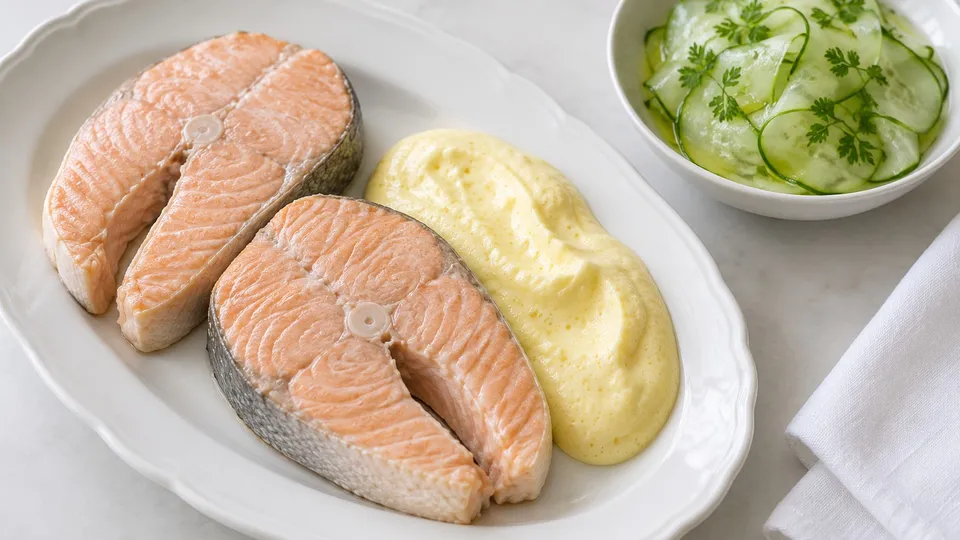
Poached Salmon with Mousseline Sauce (1912)
Poached salmon with mousseline sauce, the fish course of the Titanic’s first-class dinner on April 14, 1912: salmon in court-bouillon, with Escoffier’s sauce and cucumber salad.
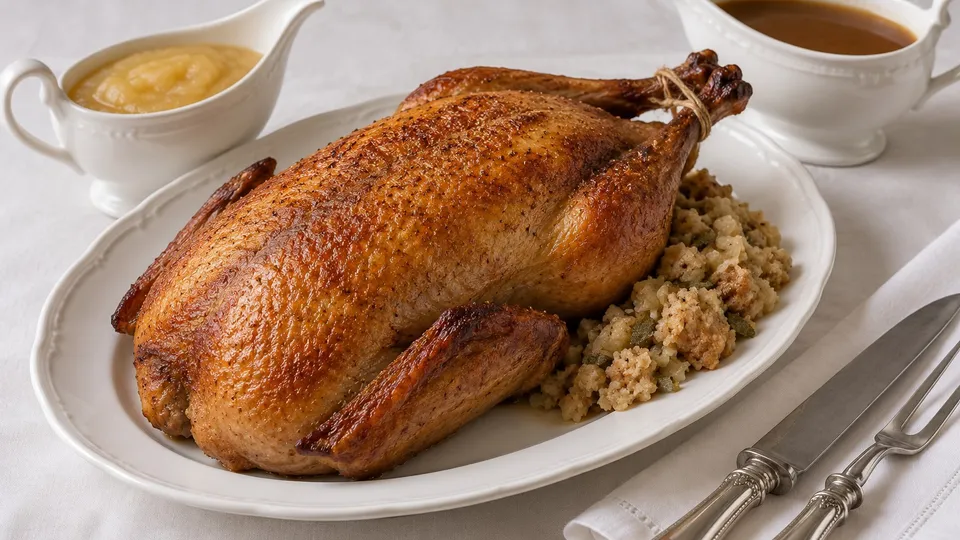
Roast Duckling with Apple Sauce (1912)
Roast duckling with apple sauce, one of three meat dishes on one line of the Titanic’s first-class dinner card of April 14, 1912, cooked from Mrs. Beeton’s 1906 edition with sage and onion stuffing.
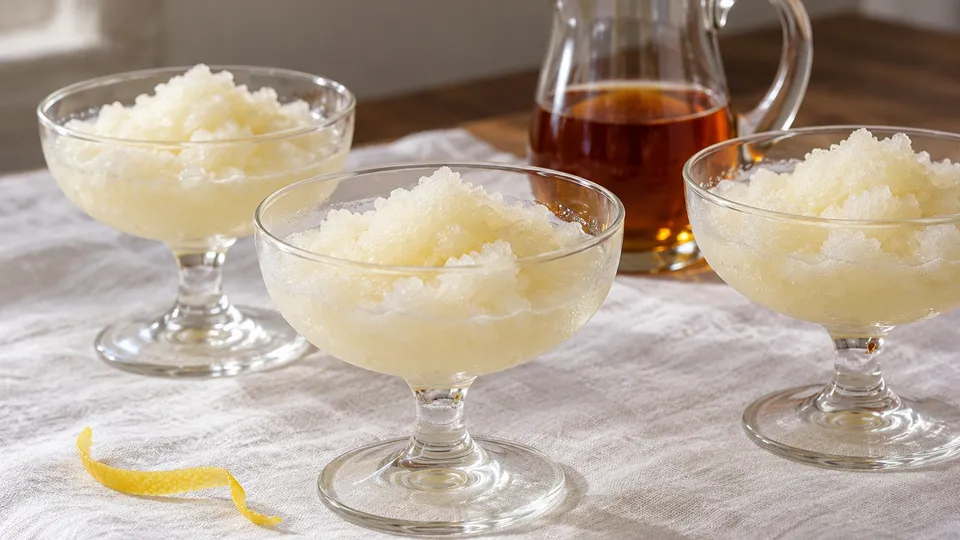
Punch à la Romaine (1912)
Punch à la romaine, the iced course of the Titanic’s first-class dinner on April 14, 1912: Escoffier’s soft wine and citrus ice with Italian meringue and rum, served in glasses.
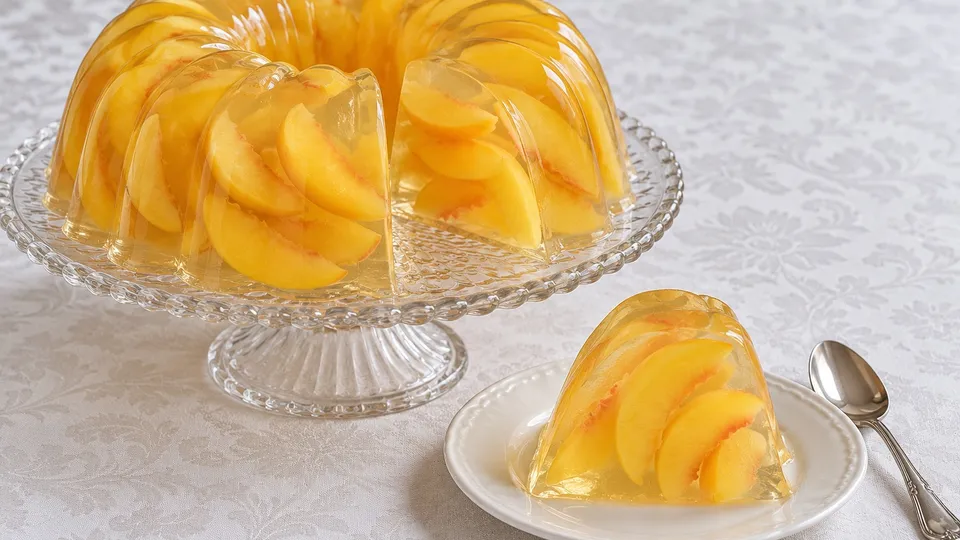
Peaches in Chartreuse Jelly (1912)
Peaches in Chartreuse jelly, a dessert from the Titanic’s first-class dinner of April 14, 1912, rebuilt from two of Agnes Marshall’s 1890 jellies: peach slices set in a clear, liqueur-scented jelly.
What Did Third-Class Passengers Eat on the Titanic?
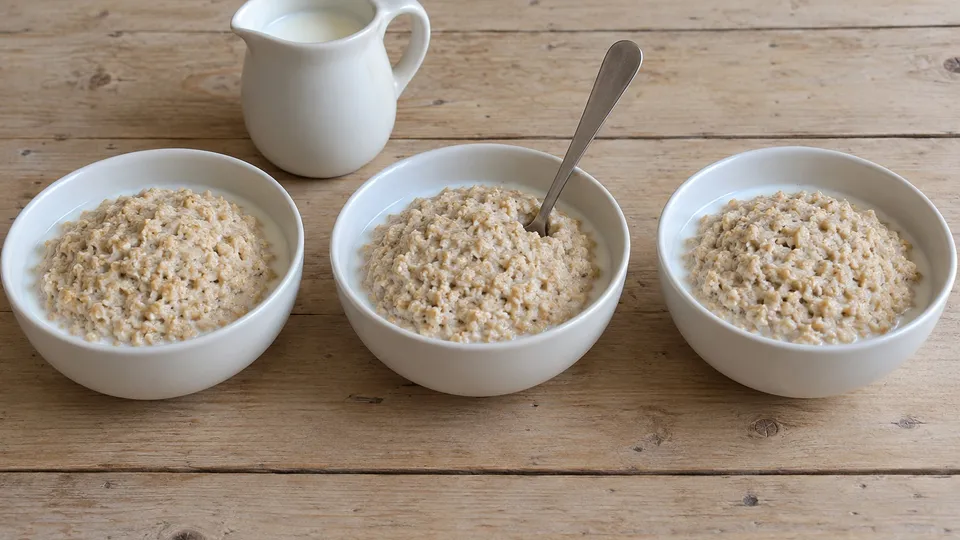
Oatmeal Porridge (1906)
Oatmeal porridge with milk, the first dish at third-class breakfast on the Titanic on April 14, 1912: coarse oatmeal soaked overnight, from the 1906 Beeton.
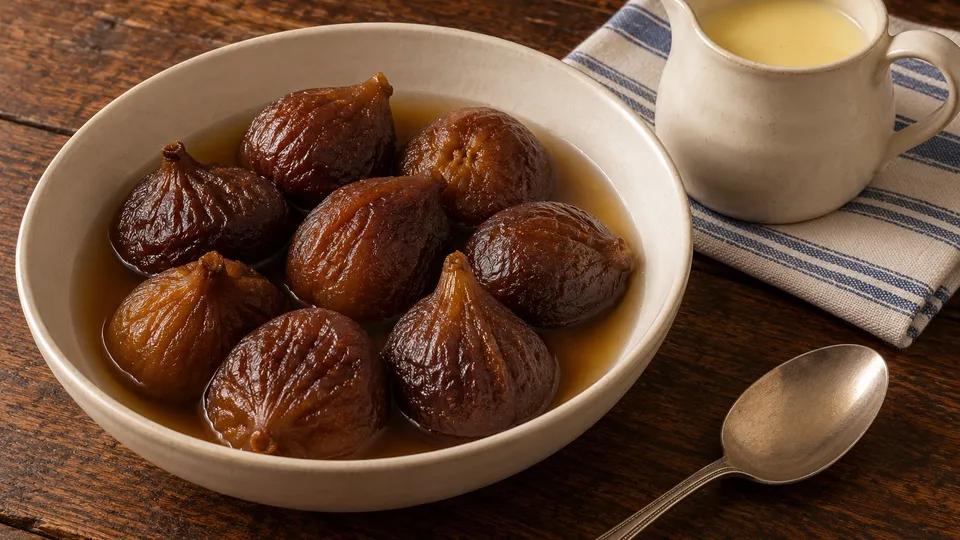
Stewed Figs (1906)
Stewed figs, the sweet at Titanic third-class tea on April 14, 1912: dried figs stewed with sugar and lemon, with custard sauce from the 1906 Mrs. Beeton.
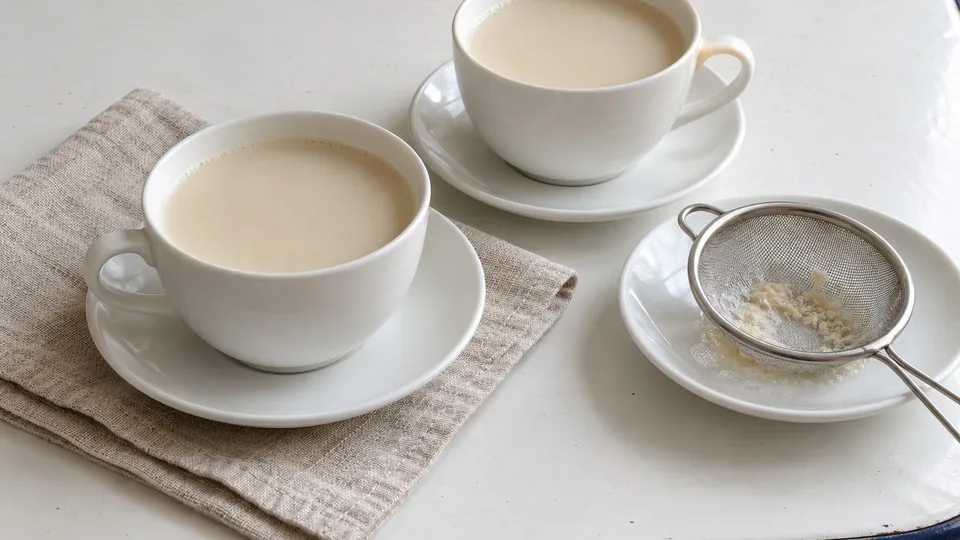
Oatmeal Gruel (1906)
Oatmeal gruel, the first item at Titanic third-class supper on April 14, 1912: fine oatmeal simmered in milk and water, then strained, from the 1906 Beeton.
What Did Scott’s Men Eat for Midwinter at Cape Evans?
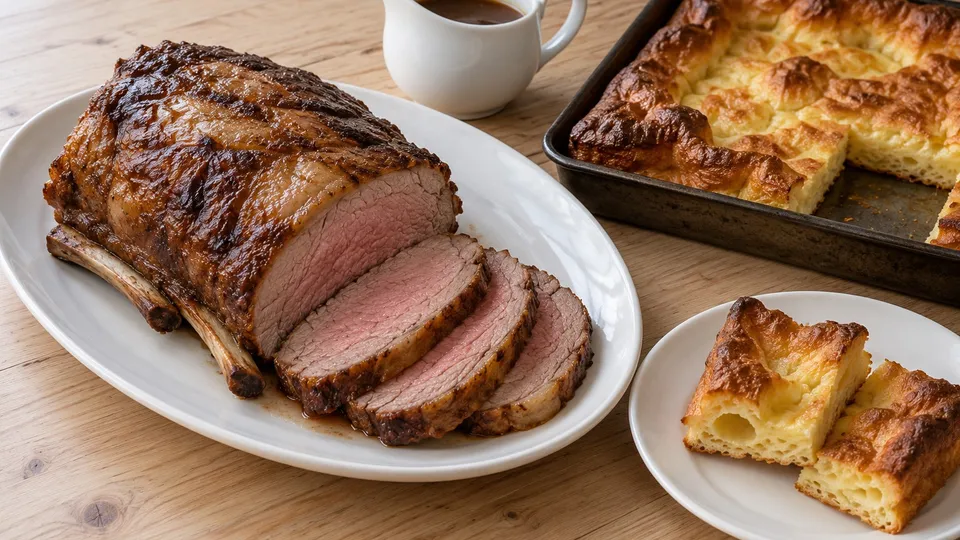
Roast Beef and Yorkshire Pudding (1906)
Roast beef and Yorkshire pudding from the 1906 edition of Mrs Beeton’s Book of Household Management: a two-rib roast cooked by her rule of fifteen minutes to the pound, with the batter pudding baked in the dripping.
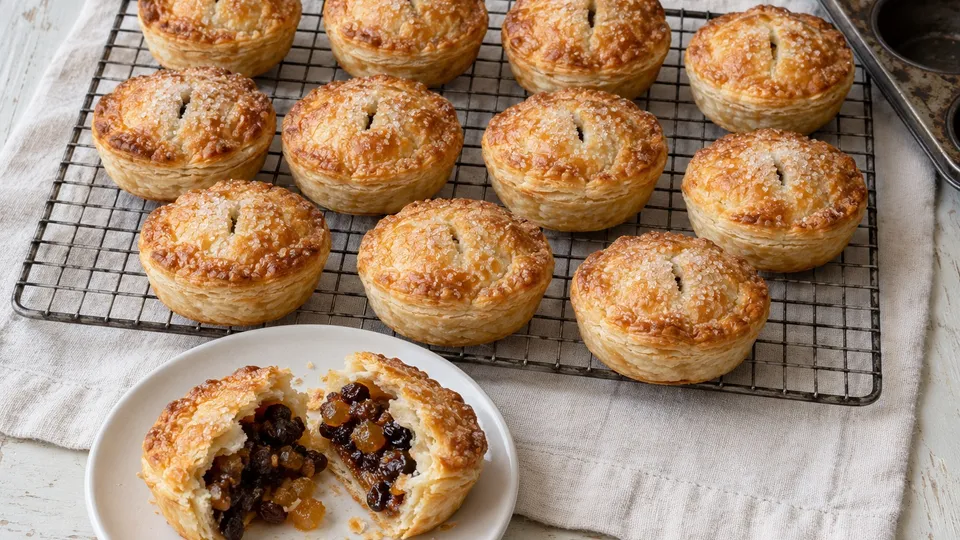
Mince Pies (1906)
Mrs Beeton’s mince pies from her 1906 Book of Household Management: suet, currant, raisin and apple mincemeat with candied peel and a little brandy, baked in puff pastry and dredged with sugar.
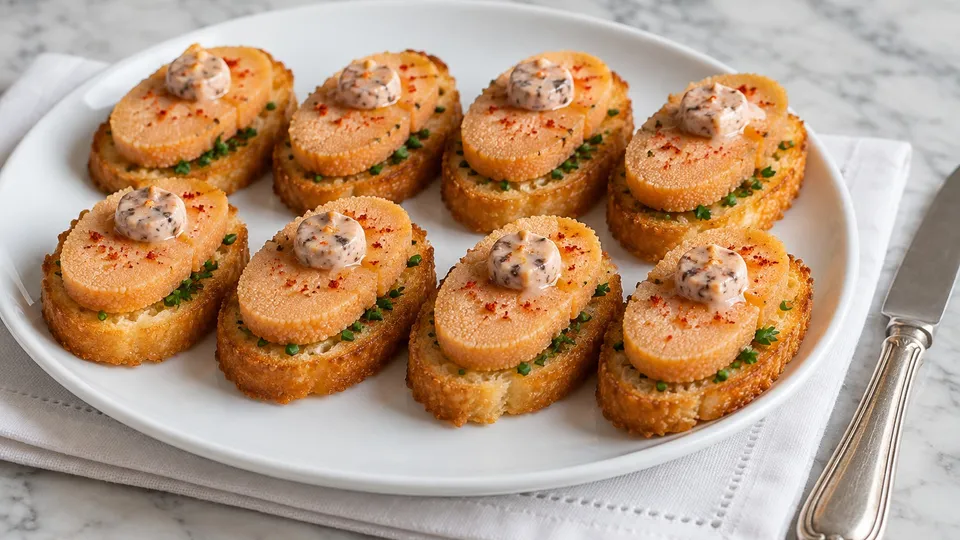
Croûtes of Cod’s Roe (1906)
Croûtes of cod’s roe from Mrs Beeton’s 1906 Book of Household Management: smoked roe fried in butter on rounds of fried bread with shallot, parsley and cayenne, finished with anchovy butter.
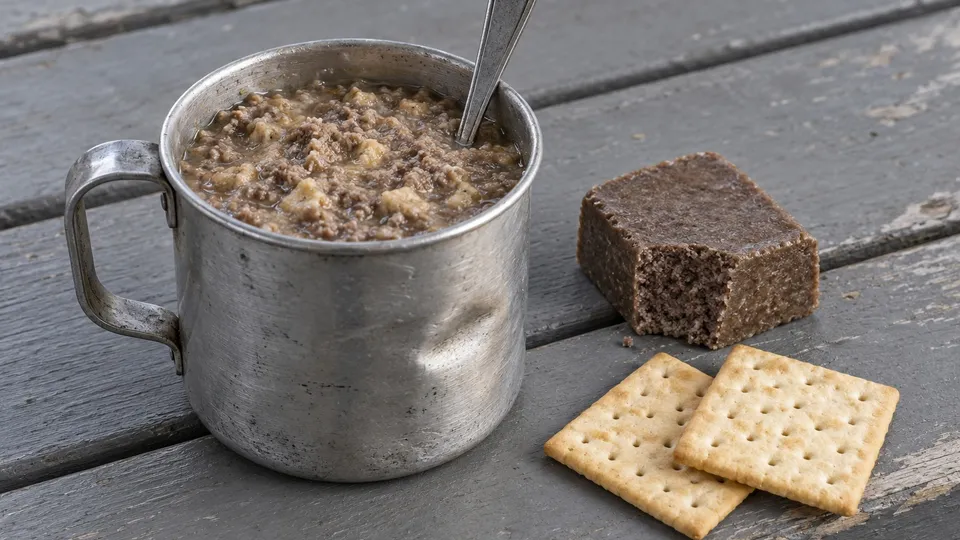
Sledging Hoosh (1911)
Sledging hoosh, the thick camp soup of Scott’s sledge journeys, made at home: beef pemmican boiled with water and broken ship’s biscuit, with an optional pinch of curry powder.
Why Did London Cook Dinner in Paper Bags in 1911?
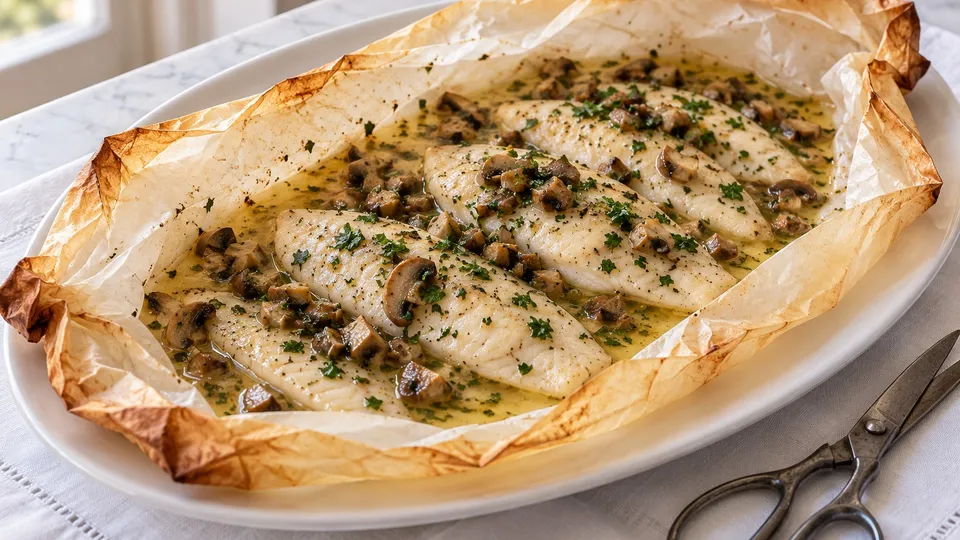
Filleted Soles Fines Herbes (1911)
Filleted soles fines herbes from the 1911 paper-bag cookery craze: fillets baked in a sealed bag with parsley, mushrooms, shallot, butter and a splash of sherry.
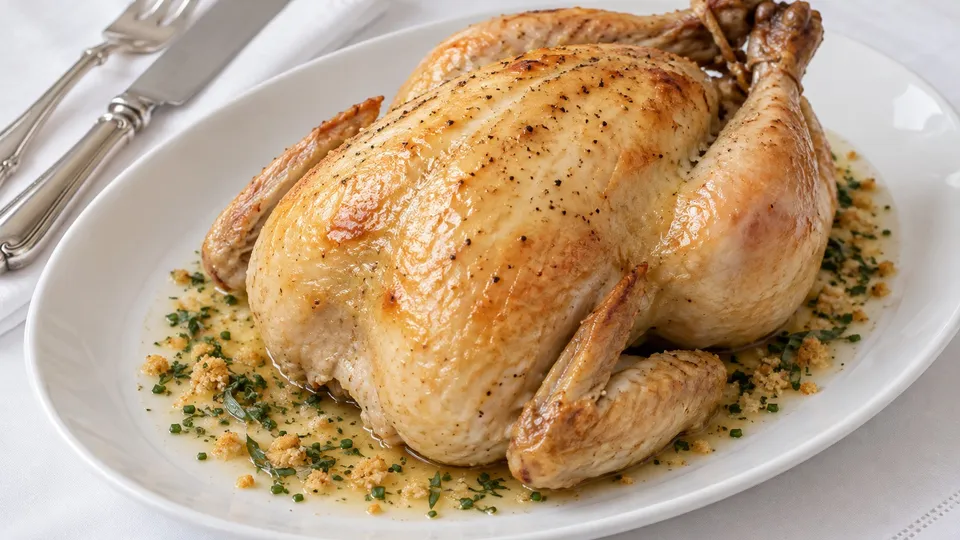
Roast Fowl with Savory Crumbs (1911)
Roast fowl with savory crumbs from the 1911 paper-bag supper: a whole chicken roasted in a closed bag with its liver, a shallot and buttered crumbs with chives and tarragon.
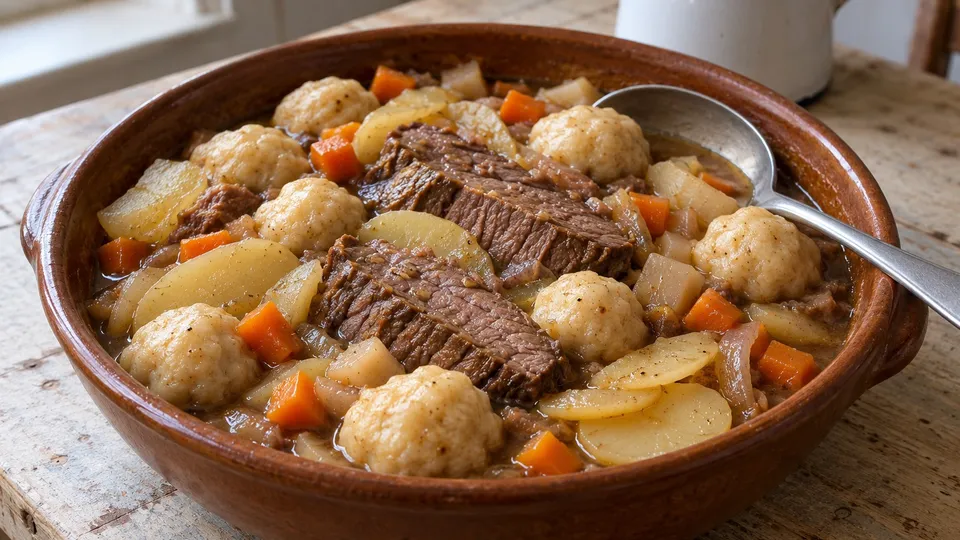
Beef in the Farmer Fashion (1911)
Beef in the farmer fashion, a whole Sunday dinner in one bag from 1911: floured flank of beef pressed among potatoes, carrots, turnips, onions and little dripping dumplings.
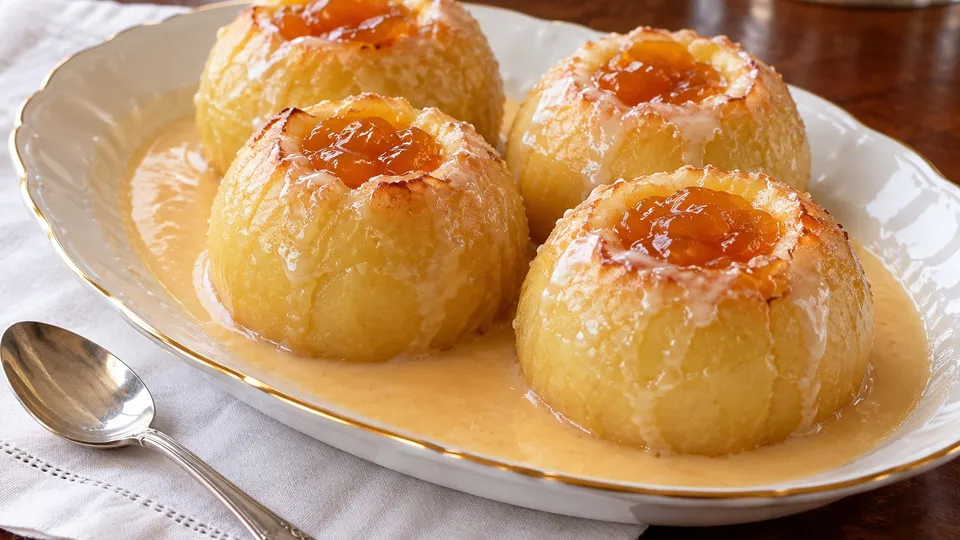
Pommes à la Mascotte (1911)
Pommes à la mascotte: peeled, cored apples rolled in vanilla egg and confectioners’ sugar, baked in a paper case inside a bag, then filled with apricot jam and served with apricot cream.
Why Did Kitchens of the 1910s Cook Dinner in a Box?
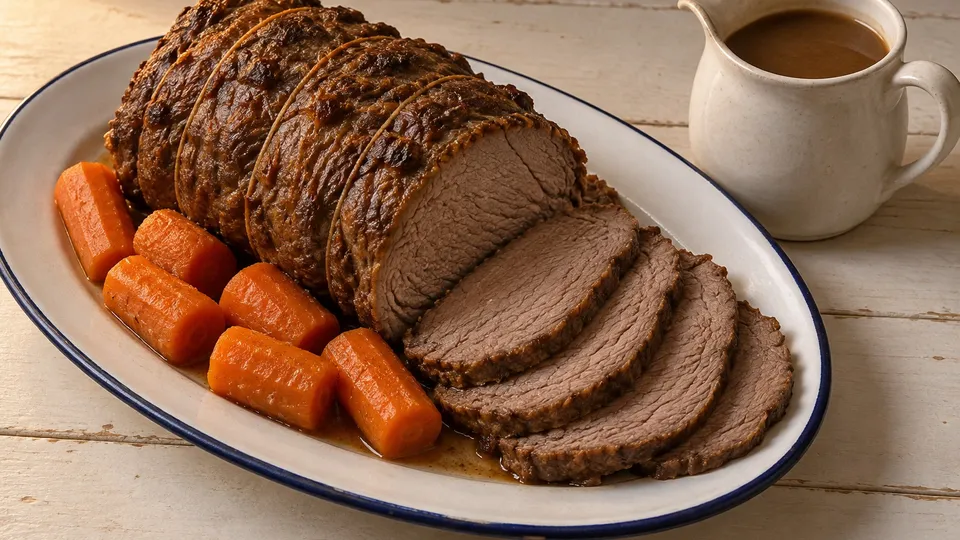
Fireless Cooker Pot Roast (1909)
A fireless cooker pot roast from The Fireless Cook Book, 1909: beef rump dredged in flour, browned, simmered with onion, carrot, bay and parsley, then cooked for hours on retained heat.
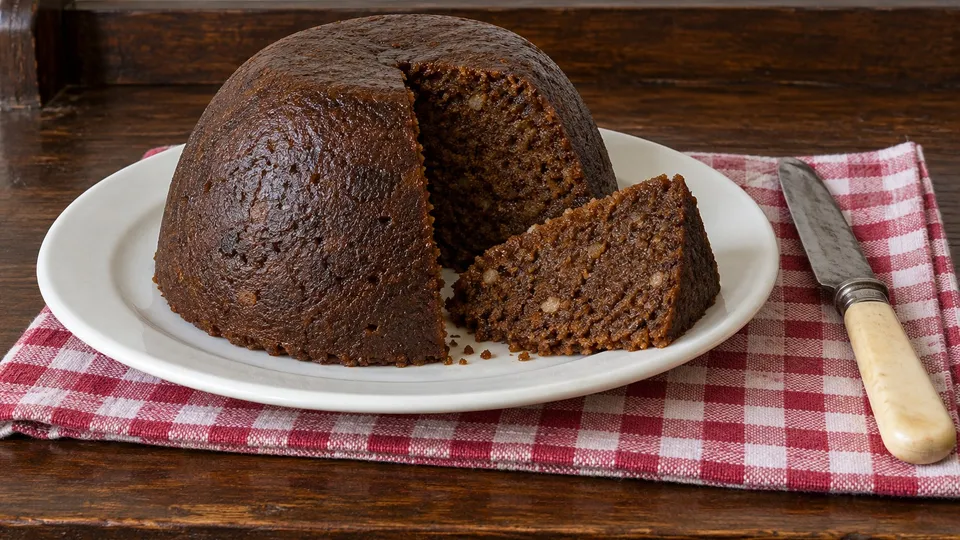
Fireless Cooker Suet Pudding (1909)
A fireless cooker suet pudding from The Fireless Cook Book, 1909: a dark steamed pudding of suet, molasses, buttermilk and flour, spiced with ginger, nutmeg, cloves and cinnamon.
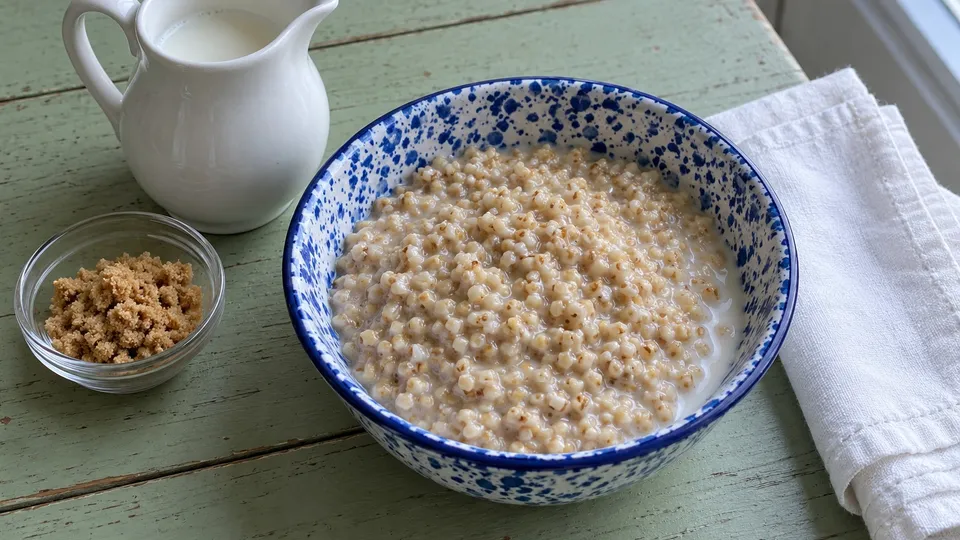
Fireless Cooker Steel Cut Oatmeal (1909)
Fireless cooker steel cut oatmeal after The Fireless Cook Book, 1909: oats soaked all day, boiled hard for ten minutes and cooked slowly overnight for breakfast.
What Was Served at the First Nobel Dinner in 1901?
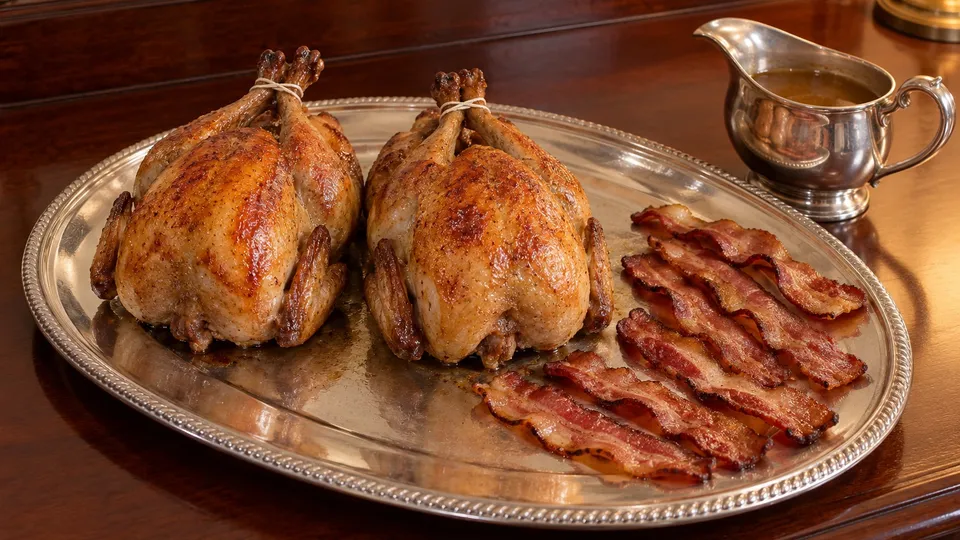
Roast Hazel Grouse (1903)
Escoffier’s one-line roast hazel grouse of 1903, for the game course of the first Nobel dinner: a small bird barded with fat and roasted hot, with Cornish hens.
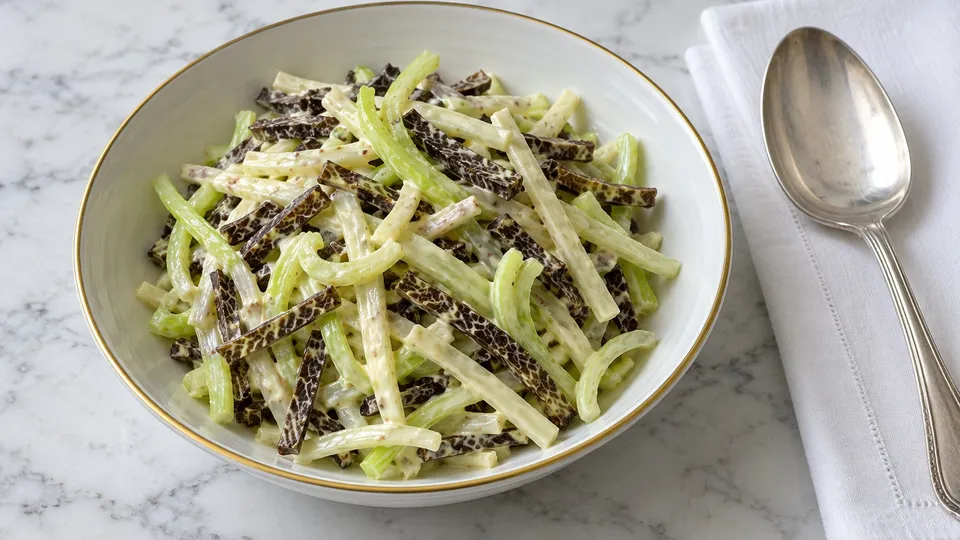
Estrées Salad (1903)
Escoffier’s Estrées salad of 1903: curled white celery and black truffle in equal parts, cut in matchsticks and dressed with a mustard mayonnaise and cayenne.
What Was Served at the Pan American Society’s Dinner in 1912?
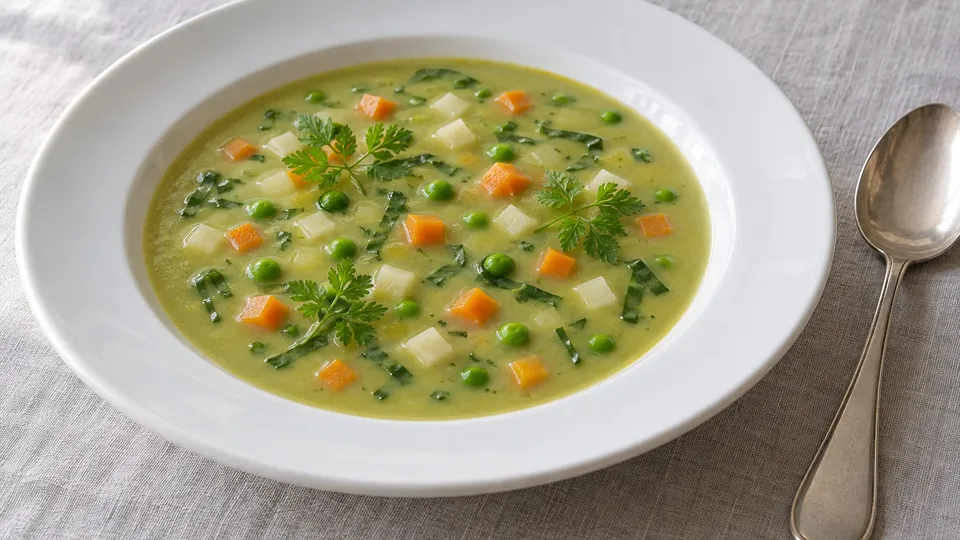
Sorrel Soup, Printanière (1907)
Sorrel soup printanière after Escoffier’s Germiny (1907): sorrel melted in butter in consommé, thickened with egg yolks and cream and garnished with spring carrots, turnips and peas.
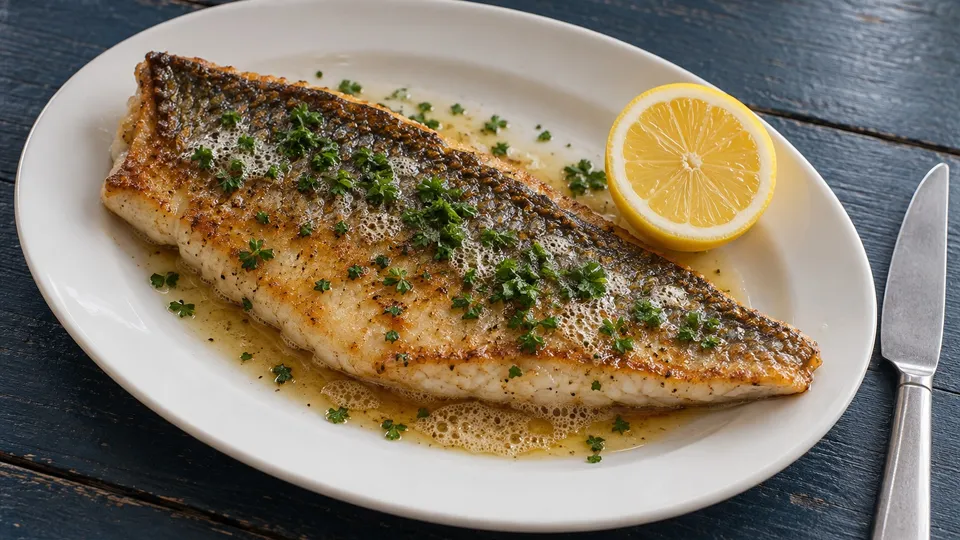
Sea Bass Meunière (1907)
Sea bass meunière after Escoffier (1907): fillets dusted with flour, fried golden in butter and finished with lemon, parsley and butter cooked until it smells of nuts.
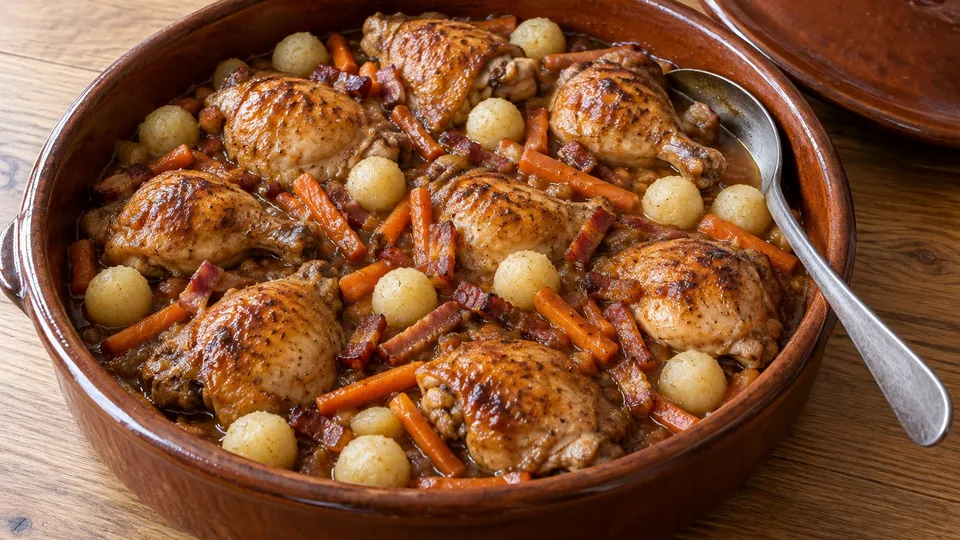
Squab Chicken en Casserole (1910)
Squab chicken en casserole from Fannie Farmer’s 1910 cookbook: two small young chickens baked with bacon, carrot, potato balls, brown sauce and sherry.
What Did a Chafing-Dish Supper Serve?
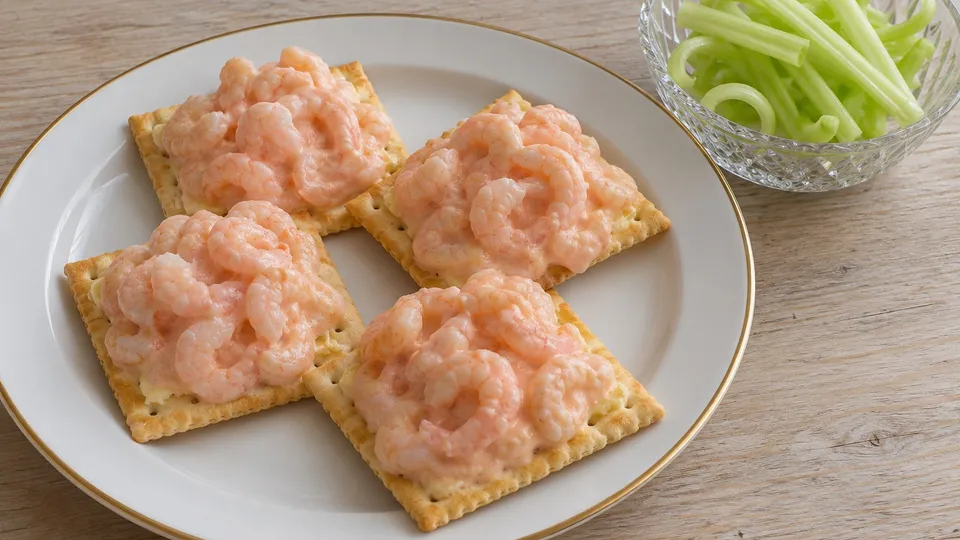
Cosmos Club Shrimps (1914)
Cosmos Club shrimps, a Midnight Feasts spread of 1914: cooked shrimps heated in a cream sauce tinted pink with tomato and sharpened with cayenne and lemon, on hot buttered crackers.
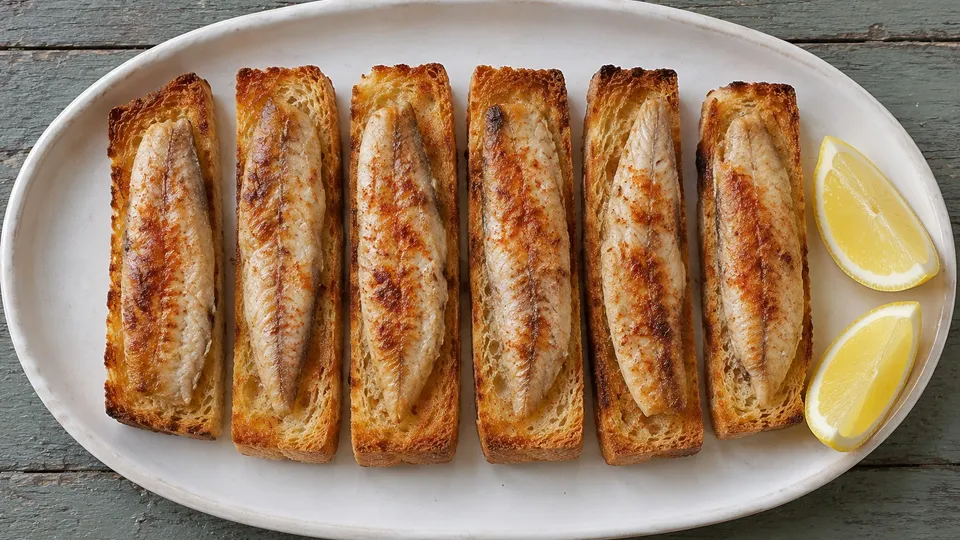
Grilled Sardines on Toast (1914)
Grilled sardines on toast, a Midnight Feasts chafing-dish spread of 1914: boneless sardines turned once in hot olive oil, seasoned with salt, cayenne and lemon, on narrow strips of toast.
More recipes
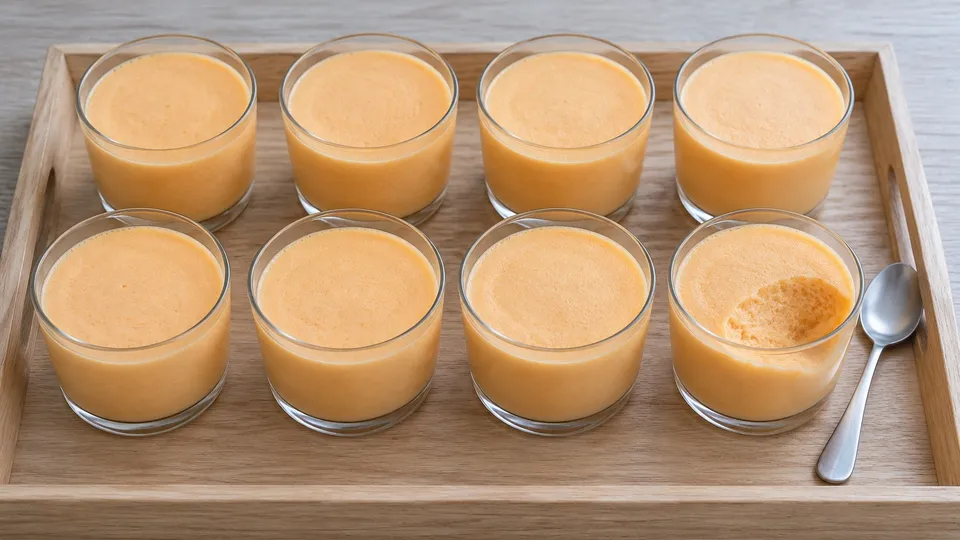
Apricot Bavarois (1907)
Escoffier’s apricot bavarois of 1907: poached apricot purée, sugar syrup and lemon set lightly with gelatin and folded with whipped cream, served in cups.
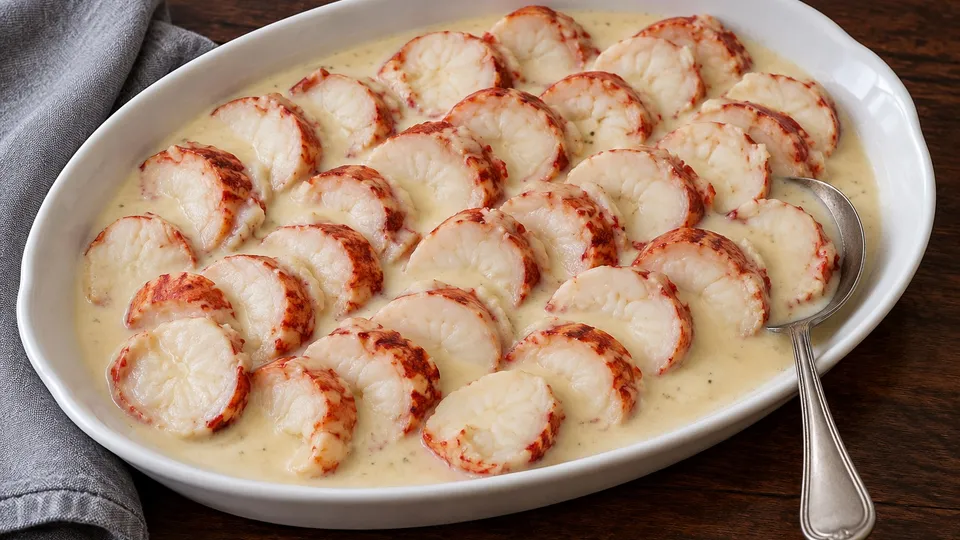
Lobster with Sauternes (1907)
Lobster with Sauternes, after Escoffier’s lobster Newburg of 1907: slices of poached lobster warmed in butter, glazed with the wine and finished in a cream and egg-yolk sauce.
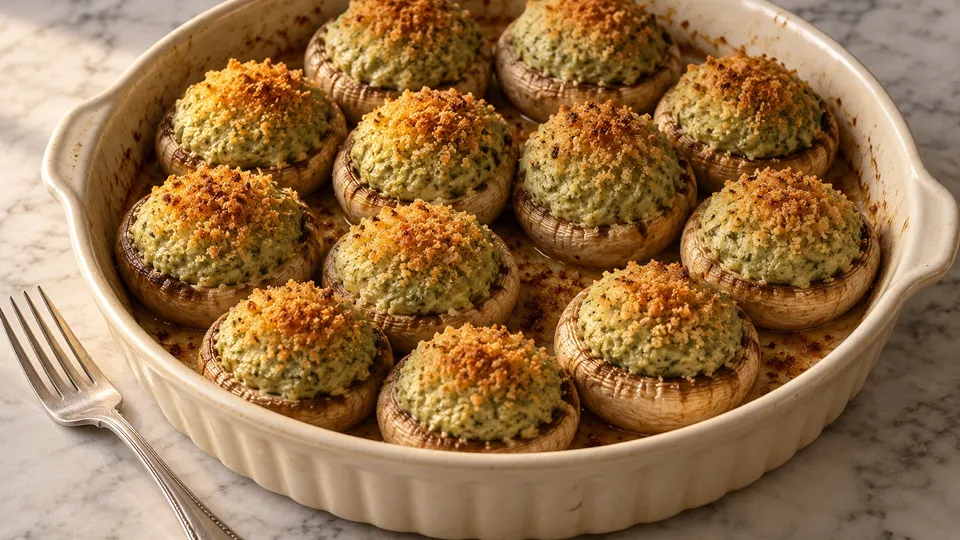
Mushrooms Princesse (1907)
Mushrooms princesse, after Escoffier’s stuffed mushrooms and bean purée of 1907: white caps baked with a dome of green bean and flageolet purée under a crust of crumbs.
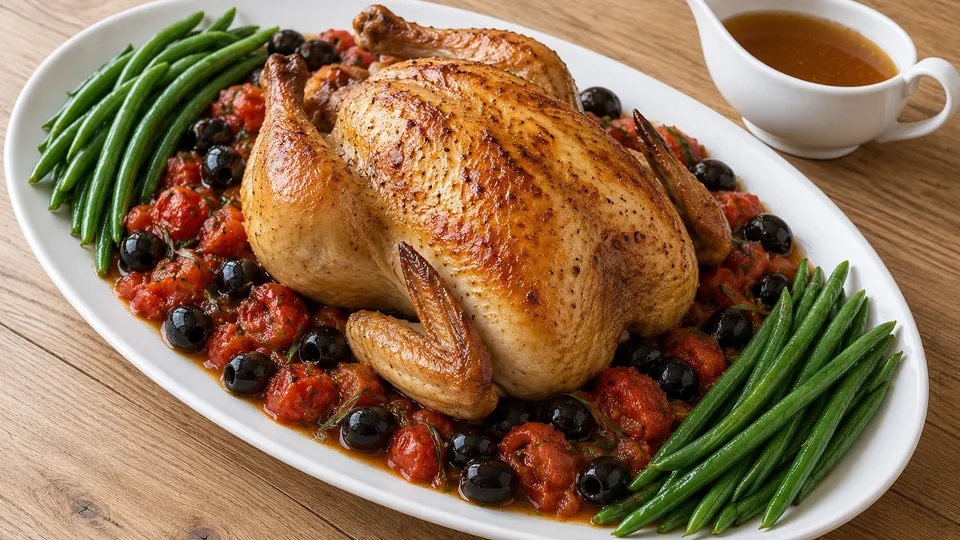
Poularde Niçoise (1903)
Poularde niçoise after Escoffier (1903): a chicken pot-roasted in butter on aromatic vegetables, with green beans, tomatoes sautéed with garlic and tarragon, and pitted olives.
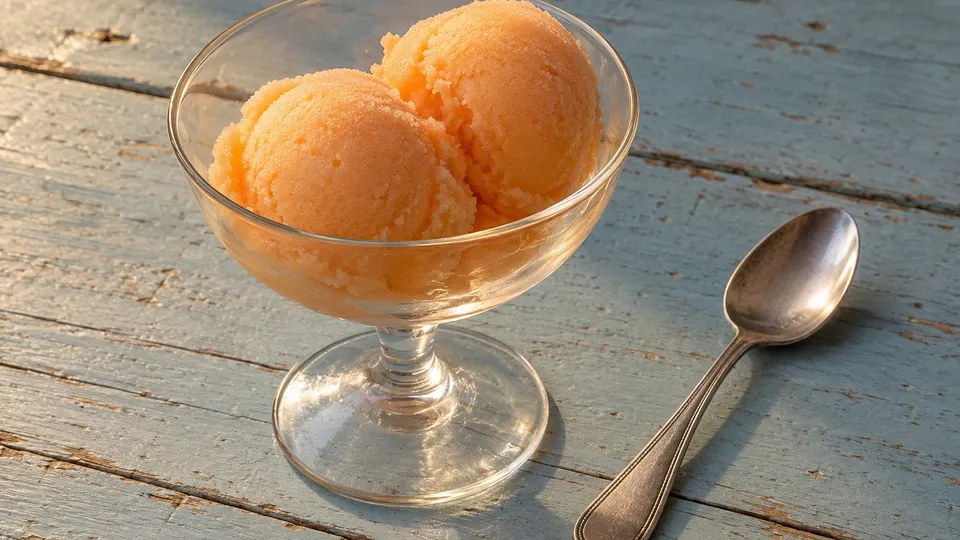
Apricot Ice (1907)
Ripe apricot purée, sugar syrup and lemon juice, frozen smooth: Escoffier’s apricot ice of 1907, the Glace aux Abricots on a 1945 train menu.
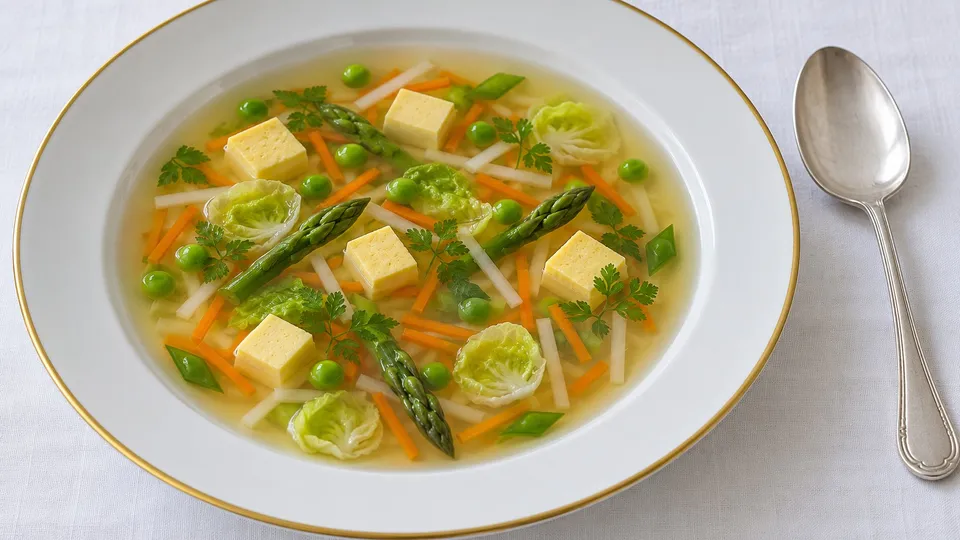
Consommé Printanier Royal (1907)
Consommé printanier royal after Escoffier (1907): clear chicken consommé with tiny rods of carrot and turnip, peas, green beans, asparagus tips and squares of chervil royale custard.
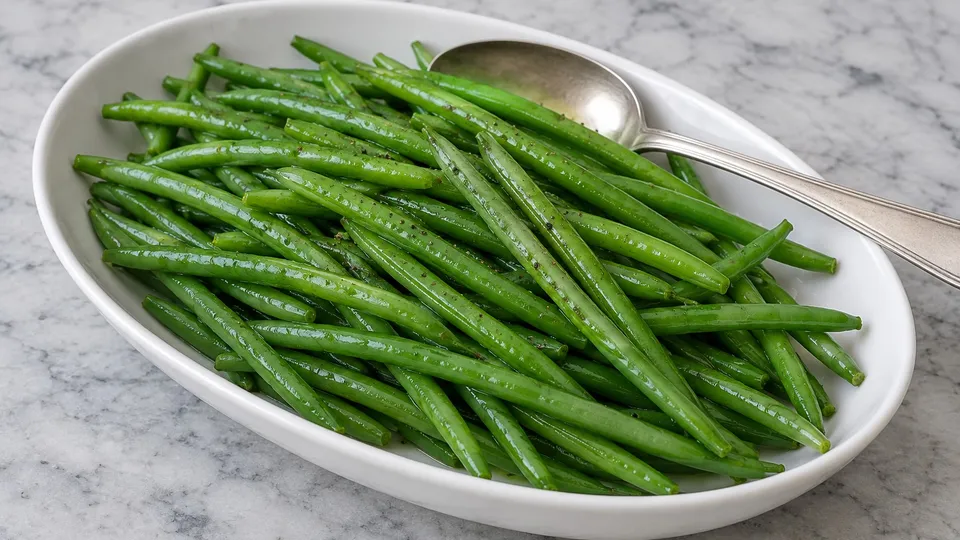
French Beans (1907)
French beans as Escoffier wrote them in 1907: thin green beans boiled until just firm, tossed over the heat to dry, then finished with fresh butter, salt and pepper.
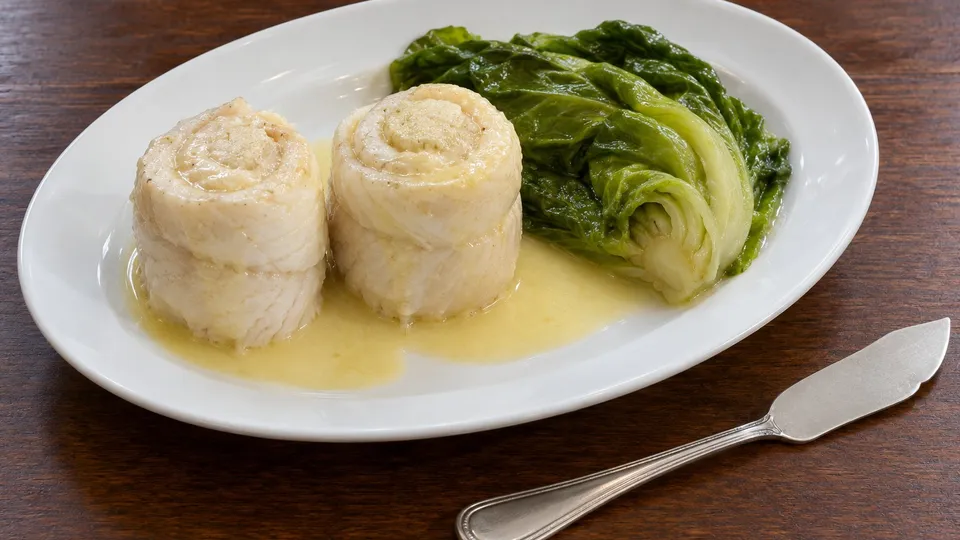
Paupiettes of Sole Choisy (1907)
Paupiettes of sole Choisy after Escoffier (1907): fillets spread with fish mousseline, rolled, stood upright and poached in fish stock, with braised lettuce for the Choisy garnish.
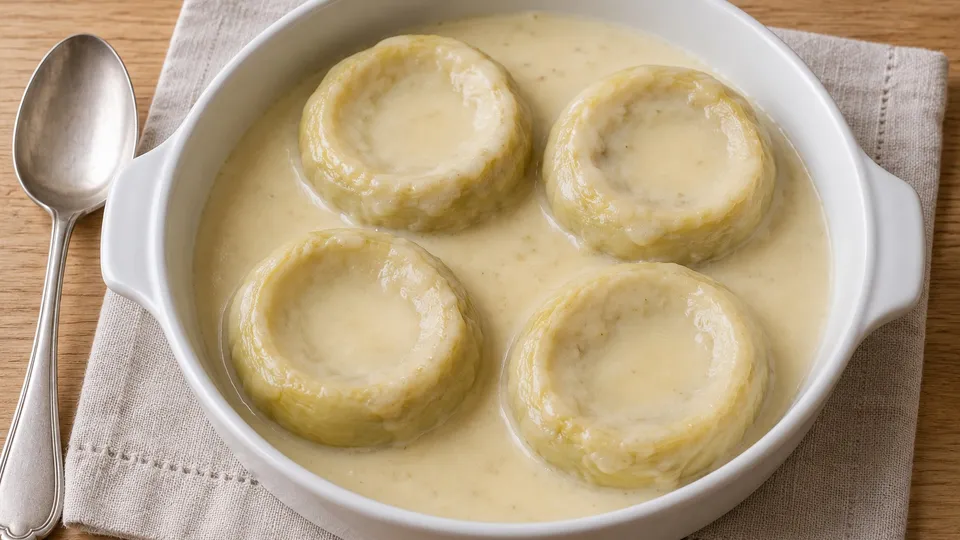
Artichoke Bottoms with Velouté (1907)
Artichoke bottoms with velouté, after Escoffier’s 1907 method: globe artichoke bottoms simmered white in a lemon and flour court-bouillon, finished in butter and coated with a simple velouté sauce.
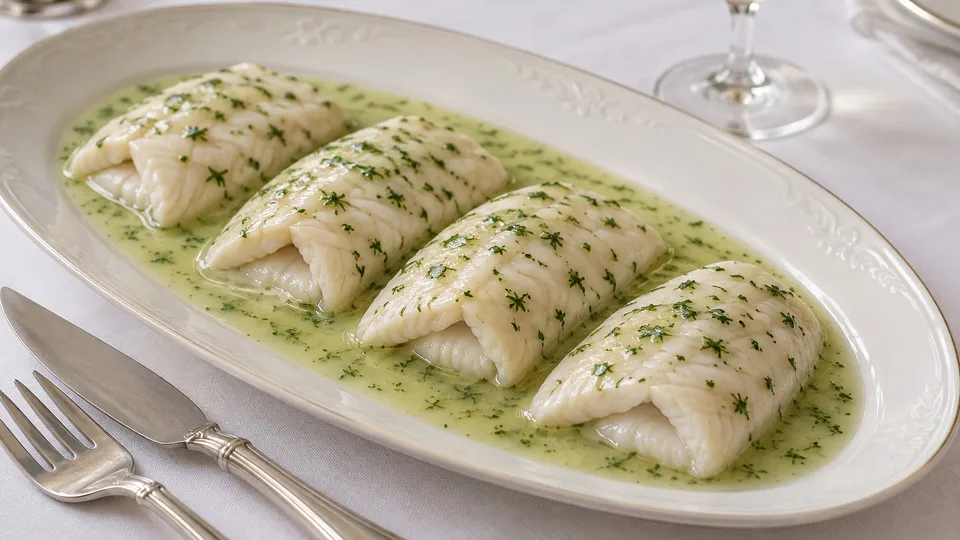
Bass with Venetian Sauce (1907)
Bass with Venetian sauce, after Escoffier: sea bass fillets poached in white wine and fish stock under a white wine fish sauce sharpened with tarragon vinegar and turned green with herb juice.
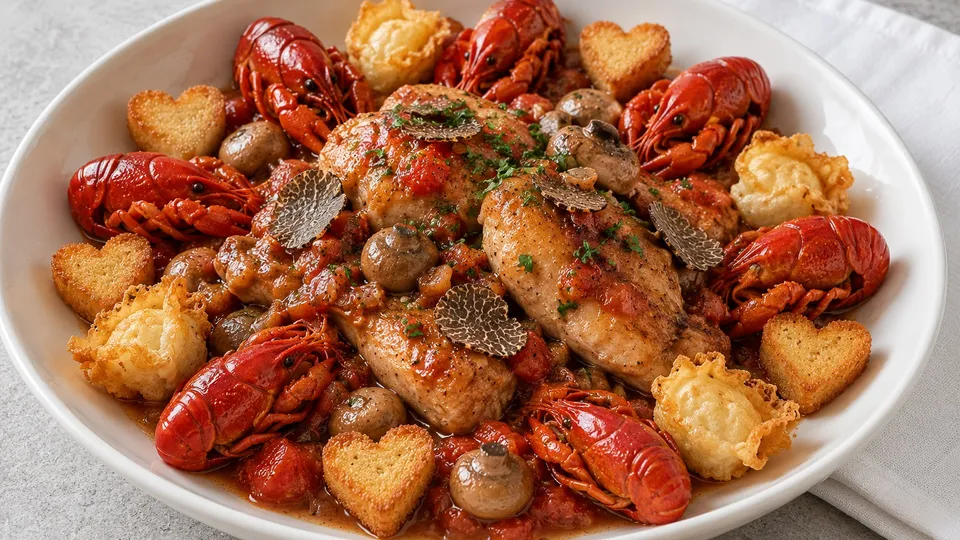
Chicken Marengo with Crayfish (1907)
Escoffier’s 1907 chicken Marengo with crayfish: chicken sautéed in oil with white wine, tomato and mushrooms, garnished with croûtons, fried eggs and the crayfish.
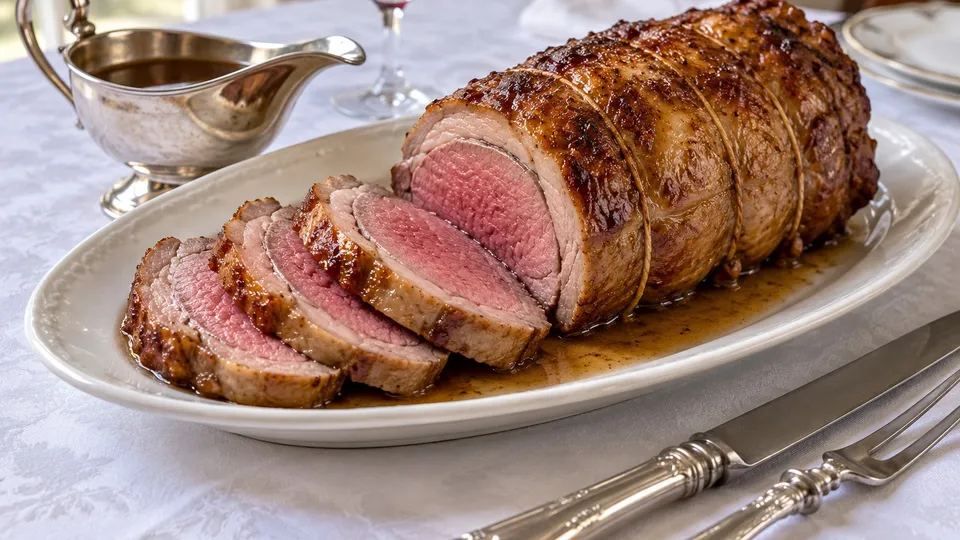
Pot-Roasted Saddle of Lamb (1907)
A pot-roasted saddle of lamb after Escoffier’s 1907 method for house lamb: boned, rolled and cooked in butter in a covered pot on a bed of vegetables, browned at the end and served with its own strained gravy.
What did Edwardians eat for dinner?
A grand dinner ran through many courses with French names. The first Nobel banquet in 1901 served brill in the Norman style, fillet of beef, roast hazel grouse with an Estrée salad and a pastry named for the hotel; our Roast Hazel Grouse and Estrées Salad follow Escoffier. A plainer English dinner was a roast, such as Mrs. Beeton’s Roast Beef and Yorkshire Pudding.
What was on the Titanic’s last dinner menu?
The first-class card for April 14, 1912, offered oysters, consommé Olga, salmon with mousseline sauce, filet mignon, roast duckling with apple sauce, sirloin of beef, punch romaine, roast squab, asparagus, pâté de foie gras and desserts from Waldorf pudding to peaches in Chartreuse jelly. Start with the Salmon with Mousseline Sauce or the Punch à la Romaine.
What did Scott’s men eat in Antarctica?
In the hut, on Midwinter Day 1911, a full English dinner: seal soup, roast beef and Yorkshire pudding, plum pudding, Mince Pies and Croûtes of Cod’s Roe. On the march, Sledging Hoosh: pemmican boiled with broken biscuit into a thick soup.
What they drank with it
For the glasses on these tables, Forgotten Drink, our sister site, goes through an Edwardian country house, from sherry and champagne at dinner and claret cup at tennis teas to lemon squash, barley water and beer money downstairs, in What Did People Drink in an Edwardian Country House? (opens in a new tab)