10 recipes
First World War Recipes
First World War recipes from American cookbooks of 1918, made without wheat or with margarine, and the French Senate’s lunch for the peacemakers in 1919.
These First World War recipes come from American kitchens asked to save wheat, meat, fats and sugar, and from the table where the war’s end was negotiated. In January 1918 the US Food Administration, headed by Herbert Hoover, asked the whole country to go without wheat two days a week and at one meal every day, in public eating places as well as at home. Bertha E. Nettleton, who ran a lunch room at Teachers College in New York, published every recipe that year sized for a hundred portions: chowders thickened with rice flour, loaves of dried peas and rice where the meat would have been, breads of barley and oats, and cornmeal puddings. How Did You Feed a Hundred People Without Wheat in 1918? follows her book, and our versions are cut down for a family.
Fat was the other shortage. American cookbooks of 1918 put oleomargarine where butter had been, in sauces, cakes and baked apples, and the story of why yellow margarine cost so much more than white begins with a tax and a Supreme Court case of 1904: Why Did Butter Make Margarine Expensive?
The peace had its own table. On January 20, 1919, two days after the Paris Peace Conference opened, the French Senate gave Woodrow Wilson and some 250 guests lunch at the Palais du Luxembourg: sea bass in the Venetian style, a saddle of Pauillac lamb and artichoke bottoms in velouté. Escoffier’s guide gives all three dishes, and What Did the Peacemakers Eat in Paris in 1919? gives the whole menu.
How Did You Feed a Hundred People Without Wheat in 1918?

Corn Chowder (1918)
A wheatless corn chowder from a 1918 lunch-room book: corn and potato in a celery-leaf stock thickened with rice flour and cornstarch and finished with milk.
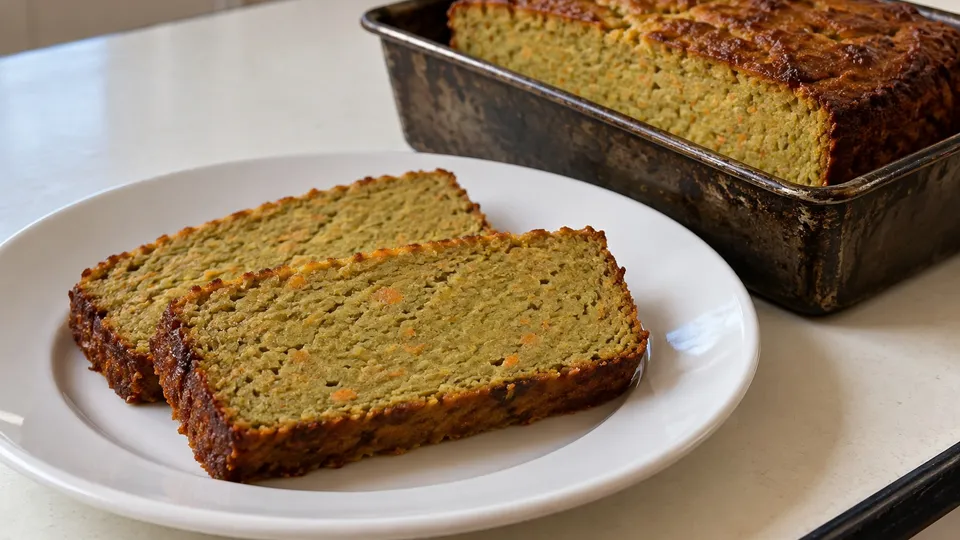
Carrot and Green Pea Loaf (1918)
A carrot and green pea loaf from the meat substitutes chapter of a 1918 lunch-room book: dried green peas, carrots and rice, bound with egg and baked.
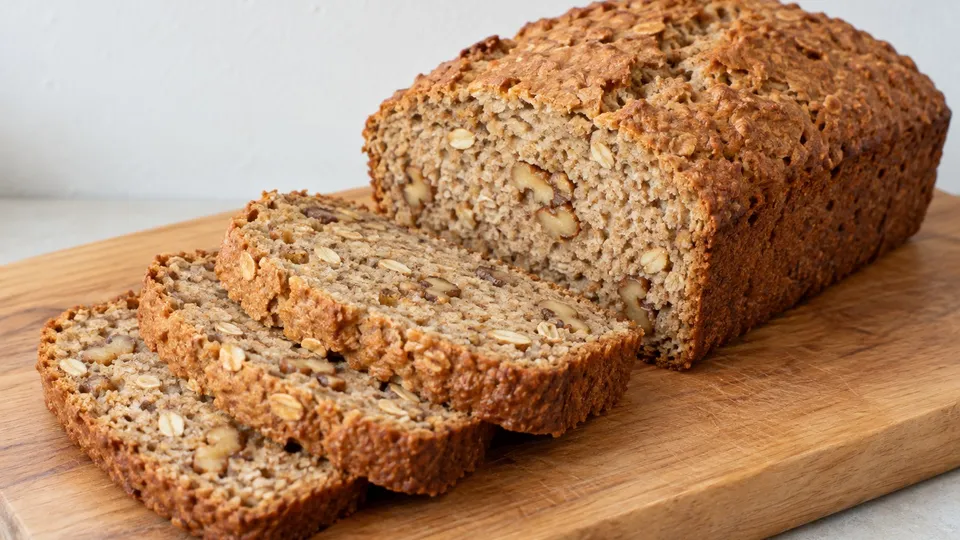
Barley Nut Bread (1918)
Barley nut bread from a 1918 lunch-room book: a wheatless, yeastless loaf of barley flour, rolled oats and walnuts, raised with baking powder, with no added fat.
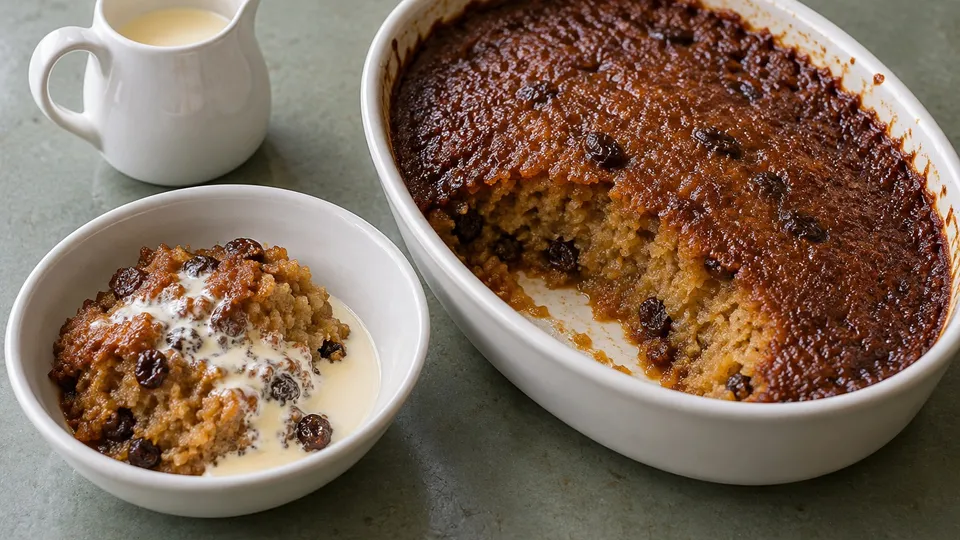
Baked Indian Pudding (1918)
Baked Indian pudding from a 1918 lunch-room book of wheatless recipes: cornmeal and molasses with suet and raisins, baked slowly for hours, with no egg.
Why Did Butter Make Margarine Expensive?
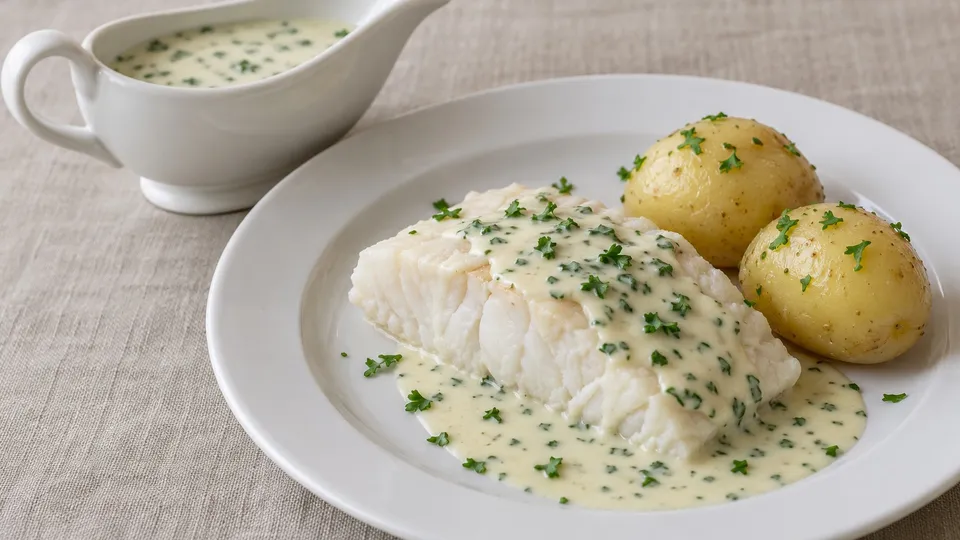
Drawn Butter Sauce (1918)
Drawn butter sauce from a First World War cookbook of 1918: a plain white sauce for fish and vegetables made with margarine in place of butter, sharpened with cayenne and parsley, the last of the fat stirred in just before serving.
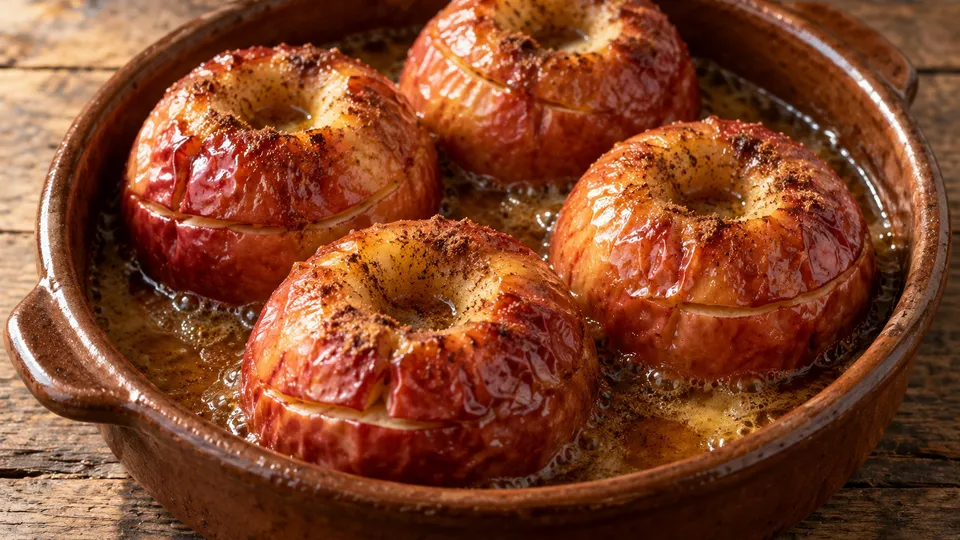
Baked Honey Apples (1918)
Baked honey apples from a Pittsburgh club’s cookbook of the First World War: whole apples scored and cored, baked in honey syrup thickened with a little flour, dotted with oleomargarine and dusted with cinnamon.
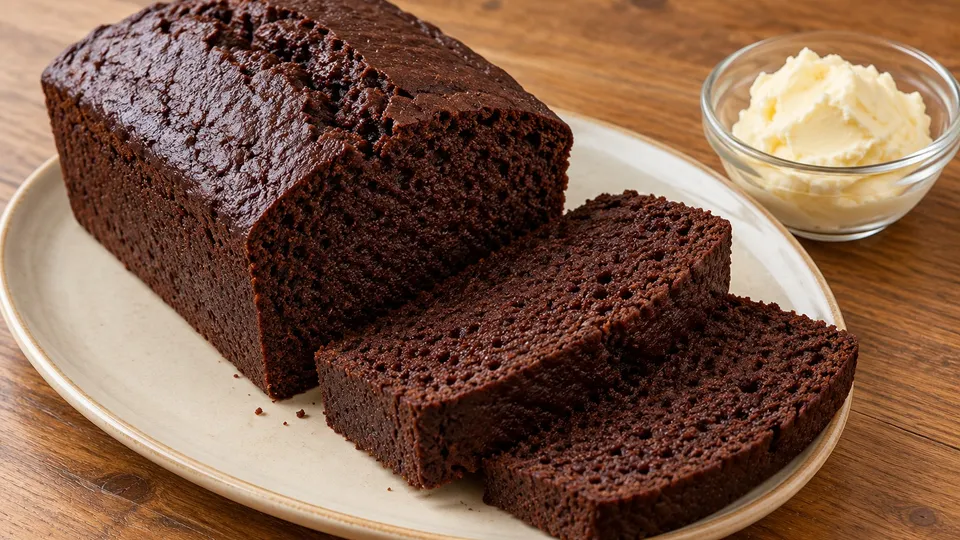
Chocolate Potato Cake (1918)
Chocolate potato cake from Carolyn Putnam Webber’s war-time recipes of 1918: a loaf made with oleomargarine, mashed potato and barley flour, half sweetened with corn syrup.
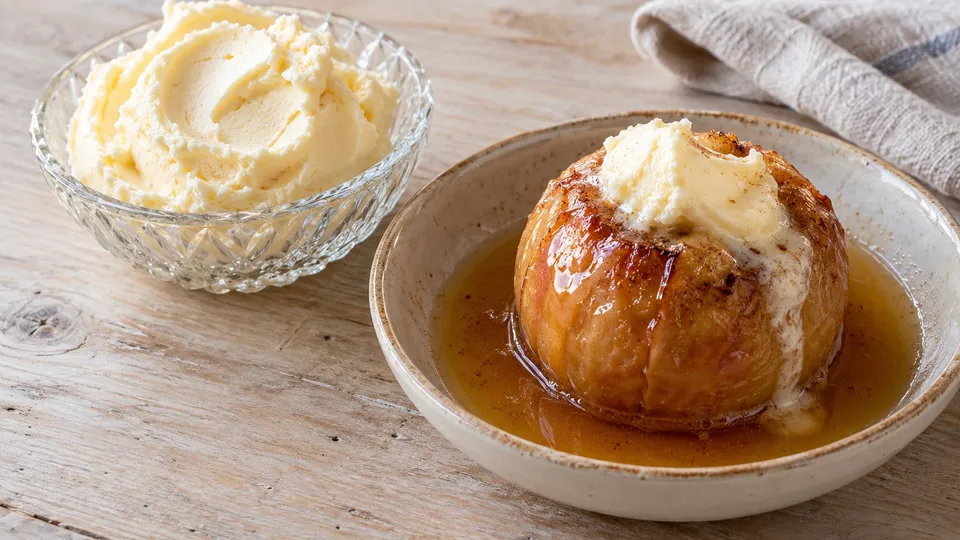
Hard Sauce (1918)
Hard sauce remade for the First World War: margarine in place of butter and corn syrup doing the work of two-thirds of the sugar, flavored with vanilla, from a wartime cookbook of 1918.
More recipes
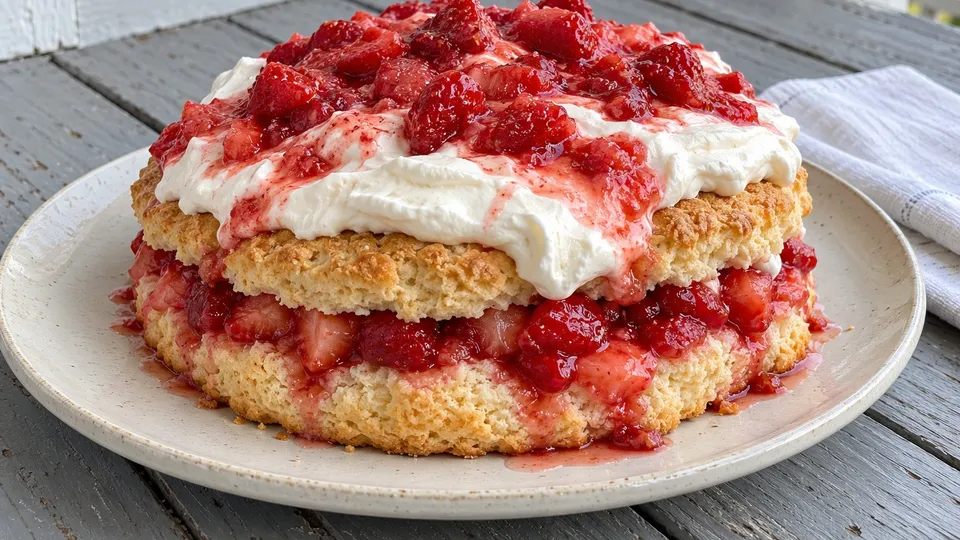
Strawberry Shortcake (1918)
Fannie Farmer’s strawberry shortcake: biscuit dough baked in two pans, split and buttered, with warm crushed strawberries and her whipped Cream Sauce I.
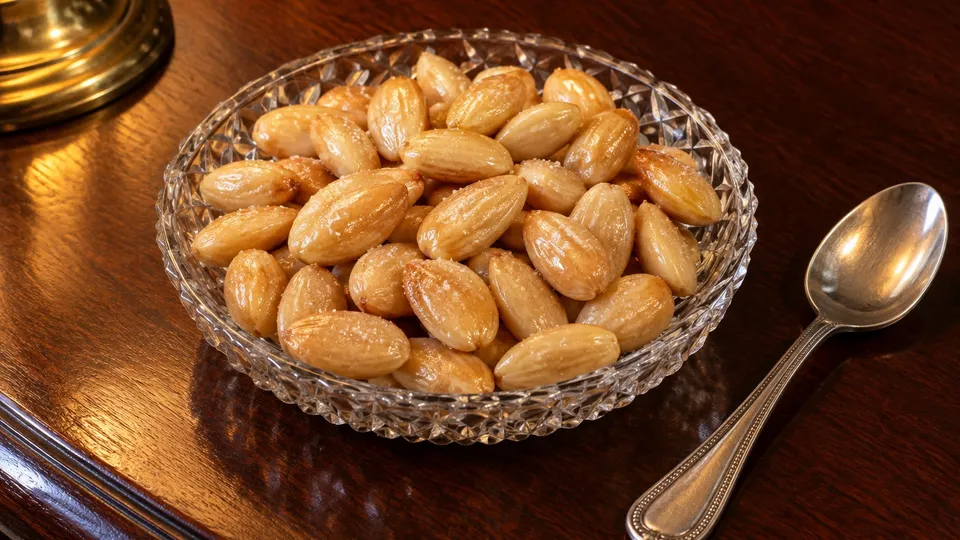
Salted Almonds (1918)
Salted almonds Fannie Farmer’s way, for the cocktail list’s salted nuts: blanched almonds fried a handful at a time in olive oil until pale gold, drained on paper and salted.
What were wheatless days?
Days without wheat, asked of every American from late January 1918: two days a week and one meal every day, at home and in restaurants. Cooks used corn, barley, rice, oats and dried peas instead, as in Barley Nut Bread, raised with baking powder and made with no wheat at all, and Corn Chowder thickened with rice flour.
What did people eat at home in WW1?
In America, meals built around what the Food Administration asked people to save. Meat gave way to loaves like the Carrot and Green Pea Loaf, puddings used cornmeal and molasses, as in Baked Indian Pudding, and cakes used mashed potato, barley flour and corn syrup, as in the Chocolate Potato Cake.
What was on the peacemakers’ lunch menu in 1919?
At the French Senate’s lunch for Wilson: sea bass in the Venetian style, a saddle of Pauillac lamb, young turkey roasted on the spit, artichoke bottoms in velouté, a fruit dessert with kirsch, petits fours, fruit, cheese and coffee. Our Bass with Venetian Sauce and Pot-Roasted Saddle of Lamb follow Escoffier.
What they drank with it
In Britain the war rationed the pub as well as the bread: from 1915, in much of the country, buying someone else a drink was an offense, though a cup of tea stayed legal. Forgotten Drink, our sister site, tells how in No Rounds Allowed: The Wartime Treating Orders of 1915 (opens in a new tab).