Hard Sauce (1918)
Reader ratingsHard sauce remade for the First World War: margarine in place of butter and corn syrup doing the work of two-thirds of the sugar, flavored with vanilla, from a wartime cookbook of 1918.
- Recipe makes
- About 1 cup, for 8
- Prep
- Total
No cooking. Beat it up in 10 minutes and chill for about 30 minutes, until firm enough to scoop. Take it out of the refrigerator a few minutes before serving.
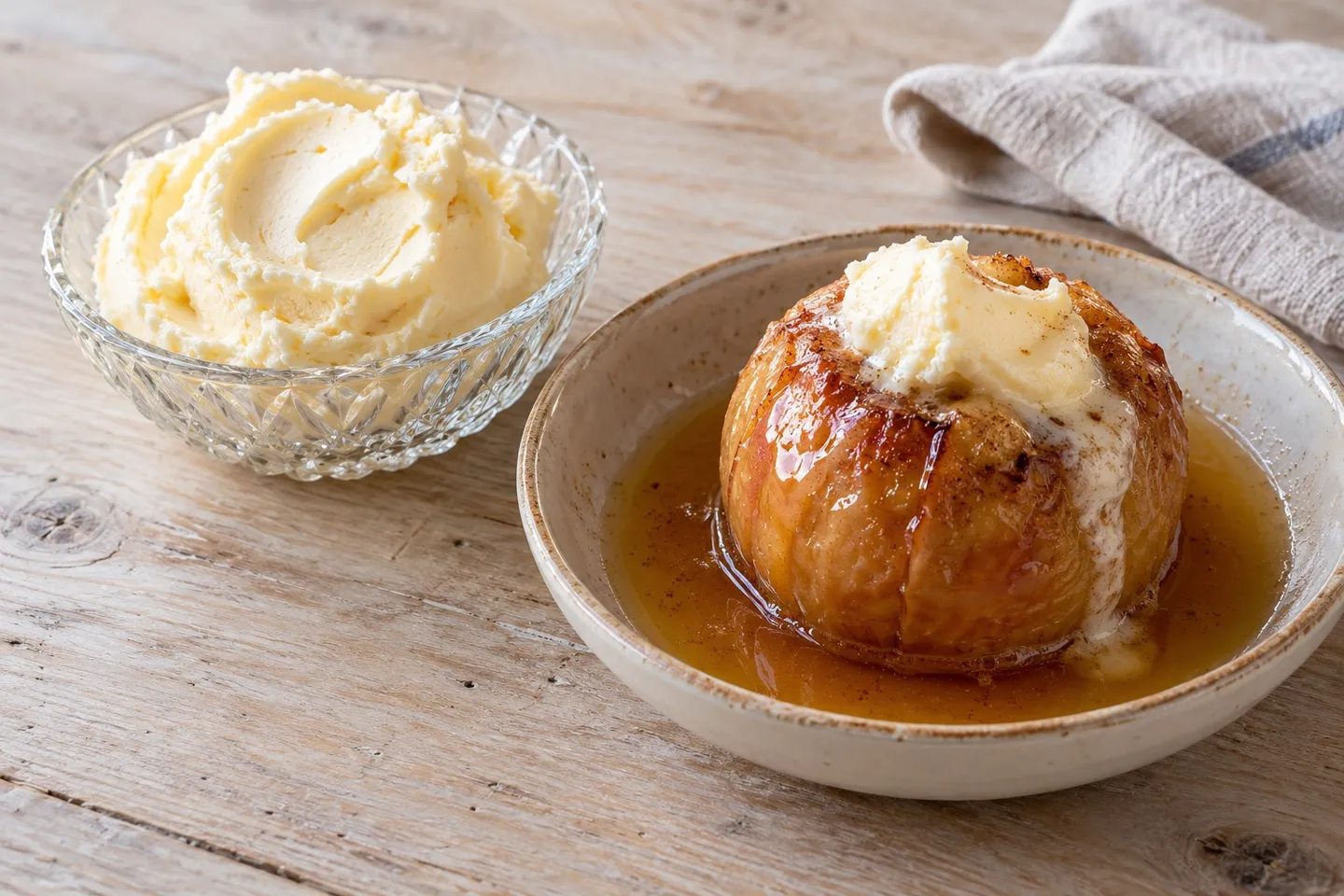
Hard sauce with a baked apple.
The story behind the recipe
A third of the sugar and none of the butter: that was hard sauce in 1918, the cold creamed sauce spooned onto a hot pudding, where it melts. Fannie Merritt Farmer’s Boston Cooking-School Cook Book of 1896 gives the older version in one line of method: a third of a cup of butter and a cup of powdered sugar, creamed, with lemon and vanilla. The wartime one came from C. Houston Goudiss and Alberta M. Goudiss.
Corn syrup for sugar
Their Foods That Will Win the War and How to Cook Them makes it with equal thirds of a cup of “butter substitute or hydrogenated oil,” corn syrup and sugar, and a teaspoon of flavoring. “This method reduces the necessary sugar two-thirds,” they wrote. Against Farmer’s, the arithmetic holds: a third of a cup of sugar where she used a whole cup, with corn syrup making up the bulk.
It sits in a run of corn-syrup sauces: on the same page, their lemon or orange sauce and their cranberry sauce with raisins call for it too.
Read more about this recipe
Making it today
We use stick margarine and powdered sugar. The Goudisses say only “sugar,” but Farmer’s hard sauce uses powdered, and granulated sugar can stay gritty in a sauce that is never heated. Their “flavoring” is ours to choose, and we use vanilla. Chill it before serving so that it holds its shape on the spoon.
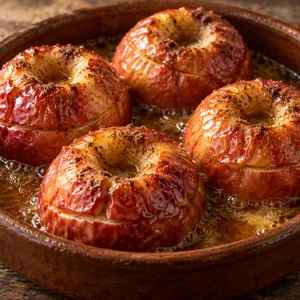
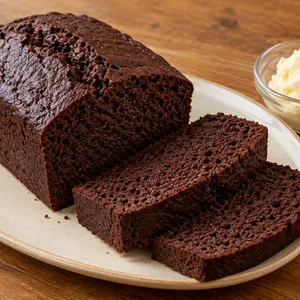
Spoon it onto the Baked Honey Apples (1918) or a slice of the Chocolate Potato Cake (1918). The tax behind the margarine is in Why Did Butter Make Margarine Expensive?.
⅓ cup butter substitute or hydrogenated oil ...
Recipe makes: About 1 cup, for 8
Ingredients
For about 1 cup, for 8. Quantities are shown as written.
Quantities as written here, for about 1 cup, for 8.
- Stick margarine, softened1/3 cup
- Powdered sugar1/2 cup
- Light corn syrup1/3 cup
- Vanilla extract1 tsp
Measurement notes
Ingredients as written here
- ⅓ cup stick margarine, softened
- ½ cup powdered sugar
- ⅓ cup light corn syrup
- 1 tsp vanilla extract
Equipment
- Medium bowl
- Electric hand mixer or wooden spoon
- Small serving dish
Instructions
Beat the stick margarine in the bowl until soft and pale, about 1 minute with a mixer.
Beat in the powdered sugar a spoonful at a time, then add the corn syrup a little at a time, beating until each addition disappears.
Beat in the vanilla.
Pile the sauce into the serving dish, smooth or swirl the top, and chill for about 30 minutes, until firm enough to scoop. Serve cold on hot puddings, baked apples or warm cake.
Nutrition
130calories per serving
- Recipe makes
- About 1 cup, for 8
- Servings
- 8
Estimated per 2-tablespoon serving from USDA FoodData Central values for the listed ingredients.
Recipe notes
When adjusting quantities
Scale the fat, sugar and corn syrup together.
Notes
Quantities mentioned in these notes don’t change when you adjust the servings.
Powdered sugar weighs less by the cup than the granulated sugar the Goudisses most likely meant, so we use ½ cup to match their sweetness; ⅓ cup superfine sugar is the same weight as theirs. Add the corn syrup slowly; poured in all at once it is hard to beat into the fat. Farmer’s 1896 version is ⅓ cup butter and 1 cup powdered sugar, creamed, with ⅓ teaspoon lemon extract and ⅔ teaspoon vanilla. Covered, the sauce keeps for 1 week in the refrigerator. Many margarines contain milk.
Scaling changes the ingredients only; pan sizes and cooking times need their own judgment. To adapt this recipe further, try the recipe tool at TuneMyRecipe (opens in a new tab), our sister site.

Sources and attribution
After C. Houston Goudiss and Alberta M. Goudiss, Foods That Will Win the War and How to Cook Them (New York, 1918), Hard Sauce