Roast Hazel Grouse (1903)
Reader ratingsEscoffier’s one-line roast hazel grouse of 1903, for the game course of the first Nobel dinner: a small bird barded with fat and roasted hot, with Cornish hens.
- Recipe makes
- 4 servings, half a bird each
- Prep
- Cook
- Total
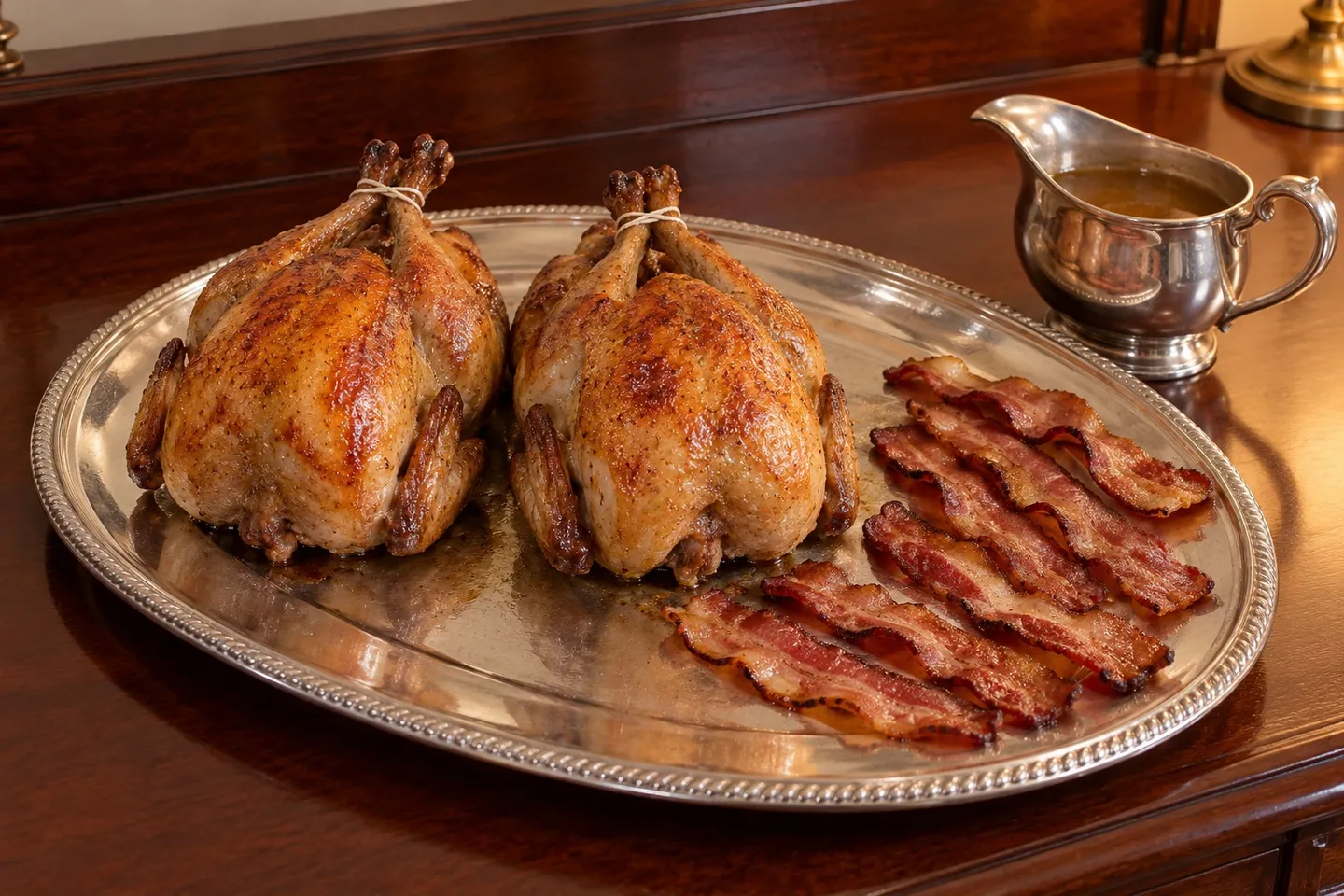
Game hens are bigger than hazel grouse, so they roast for about 40 to 45 minutes at a high heat, against Escoffier’s 15 to 18. Let them rest for 10 minutes before you halve them, and make the pan juices meanwhile.
Two small barded roast birds on a silver platter with their bacon and pan juices.
The story behind the recipe
Auguste Escoffier gave the roast hazel grouse fifteen words in his Guide culinaire of 1903: use it fresh, cover it well with fat, and roast it for 15 to 18 minutes. At the first Nobel banquet, in Stockholm on December 10, 1901, gelinottes rôties came after the fillet of beef, with an Estrée salad beside them and only the pastry still to follow.
What is a hazel grouse?
A small grouse of the forests of northern and eastern Europe, the bird the Swedes call järpe. Escoffier grouped it with the grouse, the coq de bruyère and the prairie hens. Some of these birds, he wrote, the grouse and the gelinotte among them, “sont d’une incomparable finesse,” of incomparable delicacy, and the whole group was mostly served roast. All of these birds had to be used very fresh, and the grouse, he added, didn’t stand up to travel.
The menu names the bird and no more; the method here is Escoffier’s, from a book that came out two years after the dinner. Nothing in it is from the Grand Hôtel, and his entry assumes a cook who already knew how to bard and roast a bird. Read with its neighbors on the page, his times place the bird by size: thrushes roast in 10 to 12 minutes, a young partridge in 20 and a poussin in 12 to 15. The hazel grouse sits just under the partridge.
Read more about this recipe
Making it today
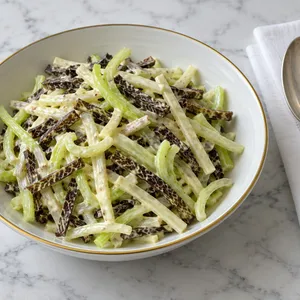
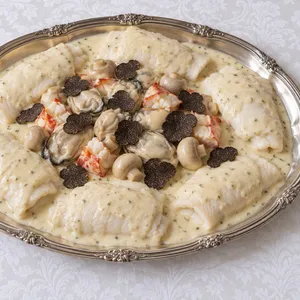
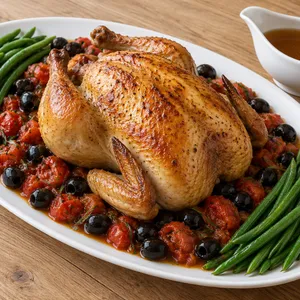
Hazel grouse is a wild bird and hard to buy outside northern Europe. A partridge is the nearest in size and the one to use if your butcher has it; the Recipe notes give its timing. Our choice for a supermarket is the Cornish game hen, which the USDA describes as a small broiler of one to two pounds, larger than a partridge, so it needs longer in the oven. Thin slices of unsmoked bacon or pork fatback stand in for Escoffier’s sheet of pork fat. On the menu the birds came with an Estrée salad, made here as Escoffier’s celery and truffle Estrées Salad (1903), and the rest of the dinner, from the brill to the hotel’s own pastry, is read course by course in What Was Served at the First Nobel Dinner in 1901?.
Gelinotte. — Doit être employée fraîche. Bien la barder et la rôtir pendant 15 à 18 minutes.
Recipe makes: 4 servings, half a bird each
Ingredients
For 4 servings, half a bird each. Quantities are shown as written.
Quantities as written here, for 4 servings, half a bird each.
- Cornish game hens (about 2 birds)2.5 lb
- Salt1 tsp
- Black pepper1/2 tsp
- Unsmoked bacon or thin pork fatback6 slices
- Butter, melted1 tbsp
- Water, for the pan juices1/2 cup
Measurement notes
Ingredients as written here
- 2.5 lb Cornish game hens (about 2 birds)
- 1 tsp salt
- 1/2 tsp black pepper
- 6 slices unsmoked bacon or thin pork fatback
- 1 tbsp butter, melted
- 1/2 cup water, for the pan juices
Equipment
- Roasting pan with a rack, just large enough for the birds
- Kitchen string
 Instant-read thermometer
- Poultry shears or a heavy knife
 Small saucepan
Instructions
Heat the oven to 425°F (220°C).
Pat the Cornish game hens dry inside and out with paper towels. Season them inside and out with the salt and black pepper, and tie the legs together with string.
Lay the bacon over the breasts, dividing it evenly between the birds, and tie it in place with string.
Set the hens breast up on the rack in the roasting pan and roast for 30 minutes.
Snip the string over the breasts and lift off the bacon; keep it warm on a plate. Brush the breasts with the melted butter and the fat in the pan, and roast for another 10 to 15 minutes, until the skin is golden and the thickest part of the thigh reads 165°F (74°C), with the juices running clear.
Lift the hens onto a board, cover them loosely with foil and let them rest for 10 minutes.
Meanwhile, pour off most of the fat from the roasting pan. Add the water for the pan juices, set the pan over medium heat and scrape up the browned bits. Pour it into the small saucepan, simmer for 2 minutes and season to taste.
Cut each hen in half along the backbone with the shears. Serve half a bird to each person, with the bacon, the pan juices in a jug and the Estrées salad beside it.
Nutrition
470calories per serving
- Recipe makes
- 4 servings, half a bird each
- Servings
- 4
Estimated per serving (half a bird with skin) from USDA FoodData Central values for roasted Cornish game hen, with a share of the bacon fat and butter.
Recipe notes
Notes
Quantities mentioned in these notes don’t change when you adjust the servings.
Escoffier names no weight, temperature or seasoning, so the bird, the 425°F (220°C) oven, the times, the salt and pepper and the pan juices are our choices, as is taking the bacon off for the last minutes to brown the breast. The doneness temperature follows the USDA’s 165°F (74°C) for poultry. For partridge, allow one bird per person, lift off the bacon after 12 minutes and start checking the temperature at 18 minutes. Chill leftovers within 2 hours.
Scaling changes the ingredients only; pan sizes and cooking times need their own judgment. To adapt this recipe further, try the recipe tool at TuneMyRecipe (opens in a new tab), our sister site.
Sources and attribution
After A. Escoffier, Le Guide culinaire (Paris, 1903), Rôtis de gibier, Gelinotte; the dish as named on the Nobel banquet menu of December 10, 1901
Recipe details
- Course
- Main course
- Dish family
- Meat & Poultry
- Region
- French
- Era
- Edwardian
- Source decade
- 1900s
- Main ingredient
- Poultry & game birds
- Difficulty
- Intermediate
- Occasion
- Dinner partyState banquet
- Season
- Winter