Recipes
Dishes from history’s famous tables, from the old menus and cookbooks. Each one names its source and scales to the size of your table.
Dishes from history’s famous tables.
1–12 of 213 recipes
Matching articles:
Try a different ingredient or recipe name, or use Clear filters above to see the full collection.
Recipes could not be loaded. or browse this collection page without filters.
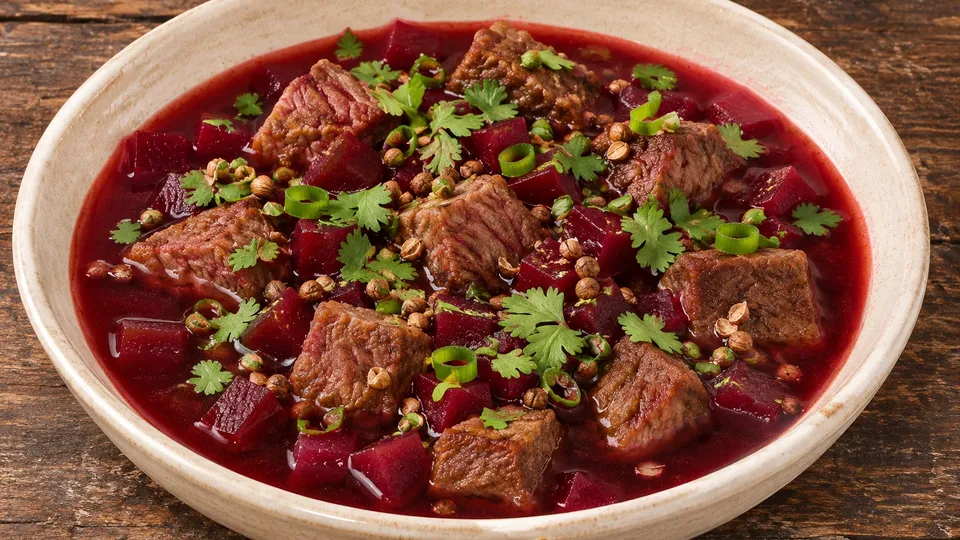
Ancient Babylonian Lamb and Beet Stew (Tuh’u)
Seared lamb leg simmered with beer, red beet, onion, arugula, shallot and cumin, finished with coriander seed and fresh greens, after tuh’u on the Yale culinary tablet of about 1730 BC.
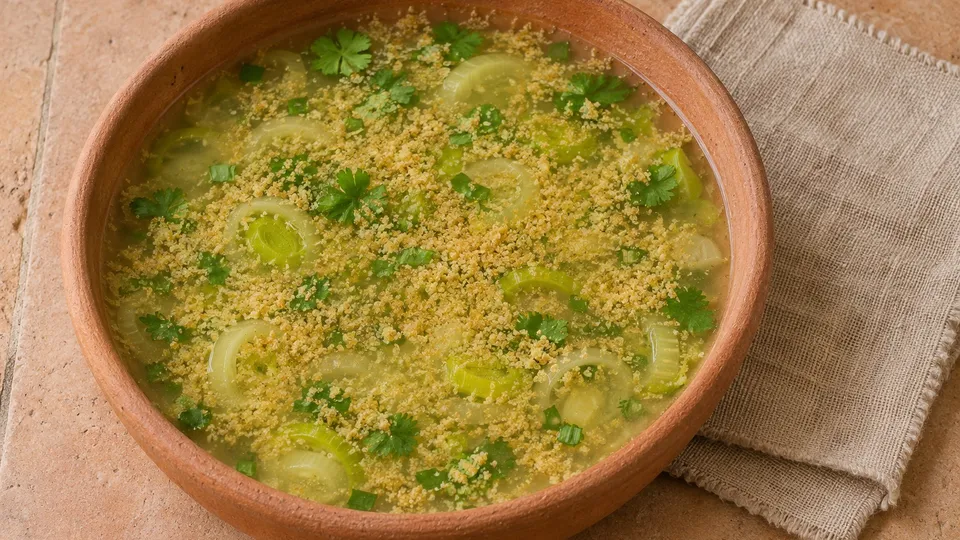
Ancient Babylonian Leek Broth with Sourdough Crumbs (Pašrūtum)
A meatless Babylonian broth of leek, garlic, kurrat and cilantro from the Yale culinary tablet of about 1730 BC, finished with dried sourdough pounded, sifted and scattered over the pot.
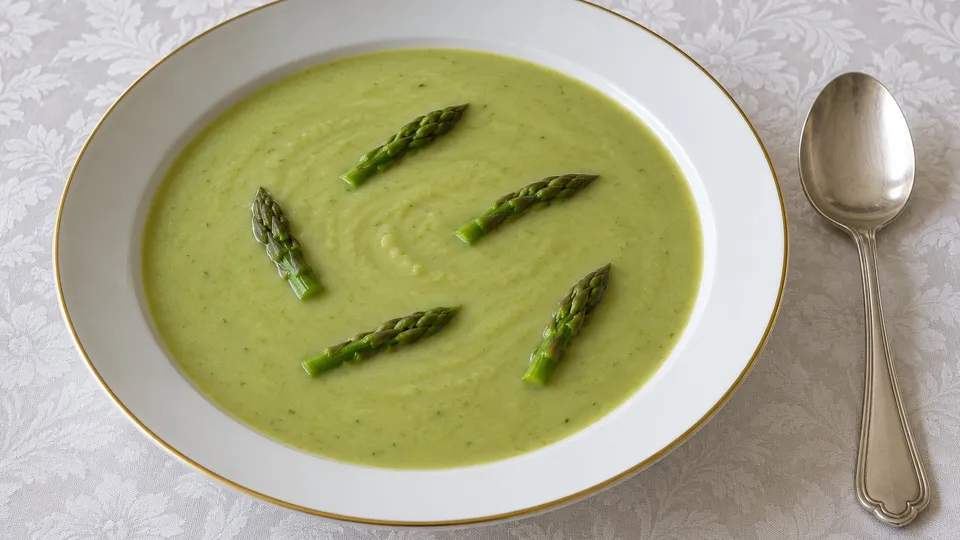
Cream of Asparagus Soup (1894)
Delmonico’s cream of asparagus from Ranhofer’s Epicurean (1894): asparagus fried in butter, sieved with broth and velouté, finished with egg yolks and cream.
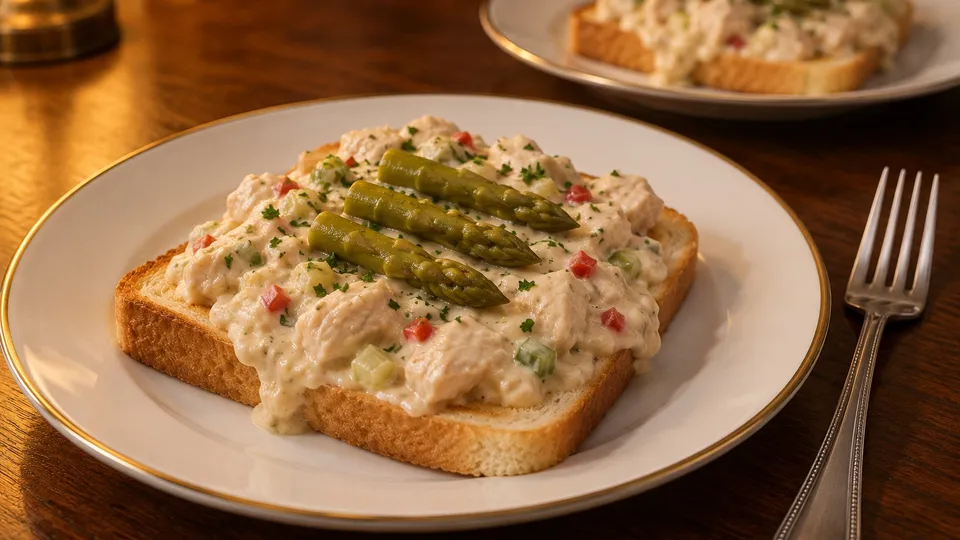
Creamed Chicken Delmonte (1920)
Poached chicken in a thick chicken-stock sauce with pimentos, celery, eggs and lemon, served on toast with asparagus tips: Creamed Chicken Delmonte, the second menu in Mrs. Wilson’s New Year’s Midnight Repast of 1920.
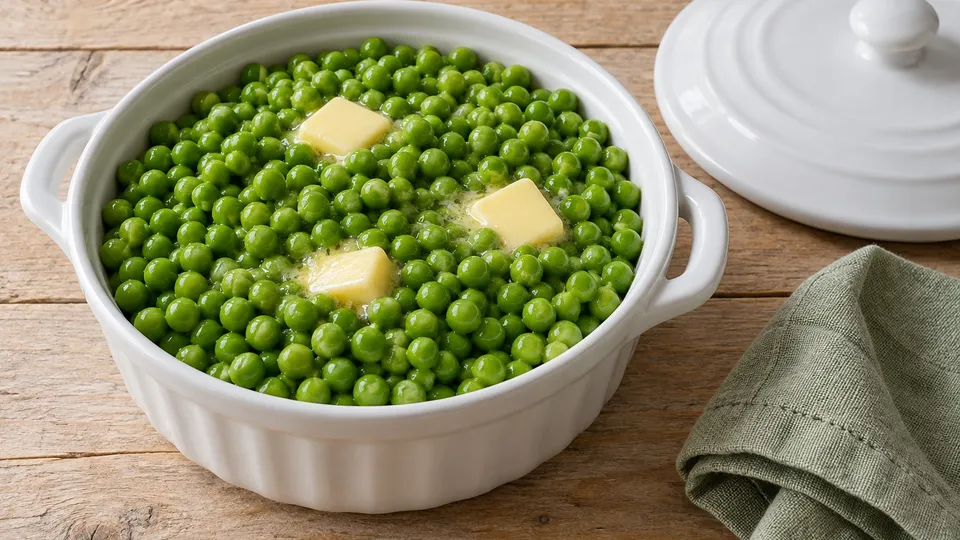
Green Peas, English Style (1894)
Green peas boiled with a few mint leaves, then tossed with salt, sugar and pats of butter: Ranhofer’s petits pois à l’Anglaise from The Epicurean, 1894.

New Year’s Punch (1920)
Fresh cider with sliced bananas and cut cherries, served in tall glasses from a bowl with a lump of ice: the loving-cup New Year’s punch of Mrs. Wilson’s Cook Book of 1920.
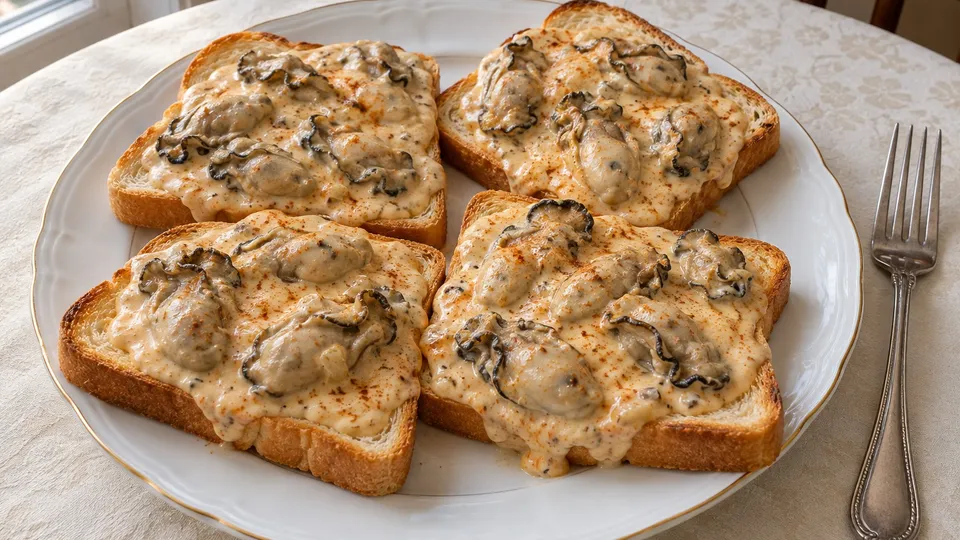
Oysters à la Newburg (1920)
Oysters heated in a thick cream sauce with egg yolks, lemon juice and paprika: the smaller oysters à la Newburg of Mrs. Wilson’s Cook Book of 1920, a cousin of the Newburg on her New Year’s midnight menu.

Pimento Sandwiches (1920)
Rye bread spread with seasoned butter and a filling of pimentos, celery, onion, parsley and cottage cheese, cut in triangles: the pimento sandwiches of a 1920 New Year’s midnight menu.
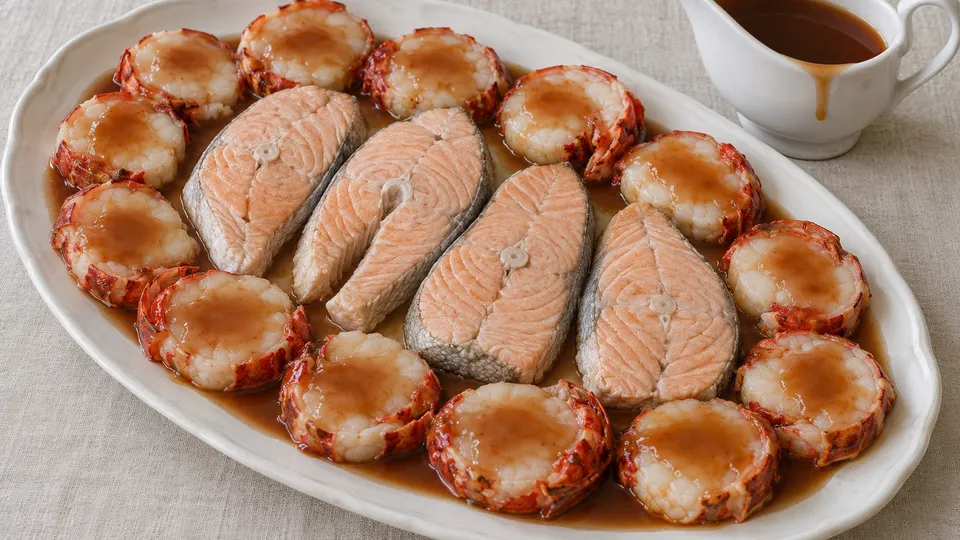
Salmon à la Victoria (1894)
Salmon slices cooked in a ham and vegetable stock with red wine, the stock reduced to a buttered sauce, served with lobster: Ranhofer’s Epicurean, 1894.
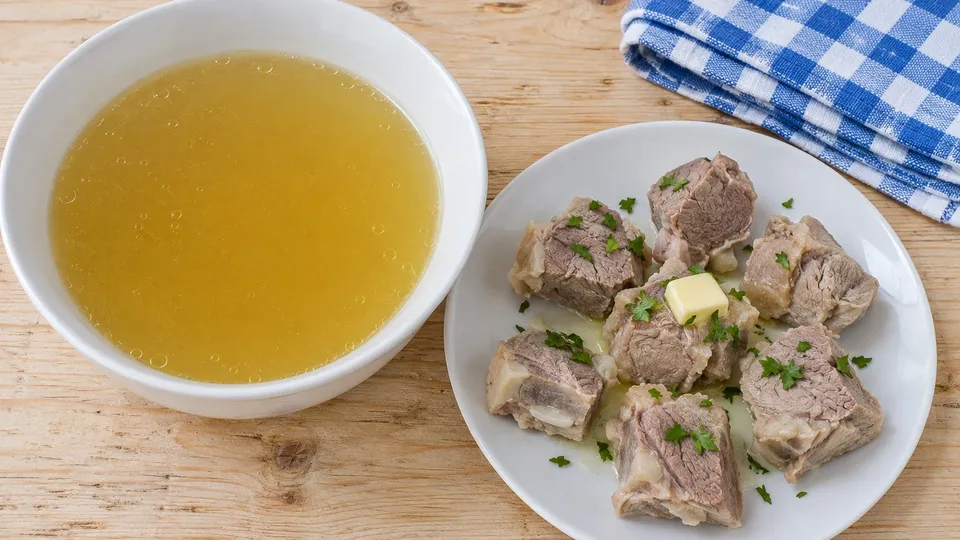
Soyer’s Stock for Clear Soup (1854)
Alexis Soyer’s first lesson in A Shilling Cookery for the People, 1854: veal, bacon and onion stirred down to a pale gravy, then simmered in water, skimmed and strained into a clear stock.
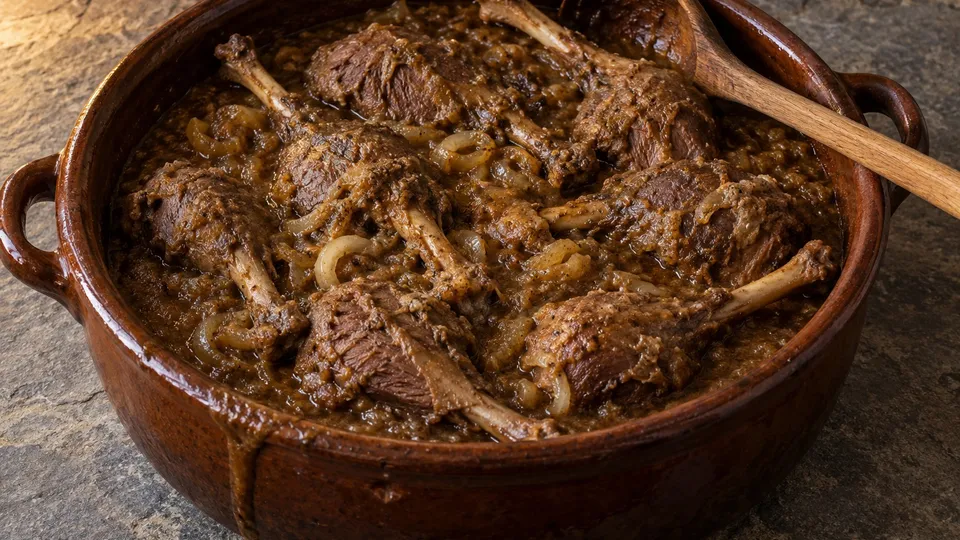
A Goos in Hogepotte, Goose Stewed with Ale (1430)
Medieval goose stew, a goos in hogepotte: goose simmered in pieces, thickened with dark toast, spices and ale, finished with fried onions and red wine.
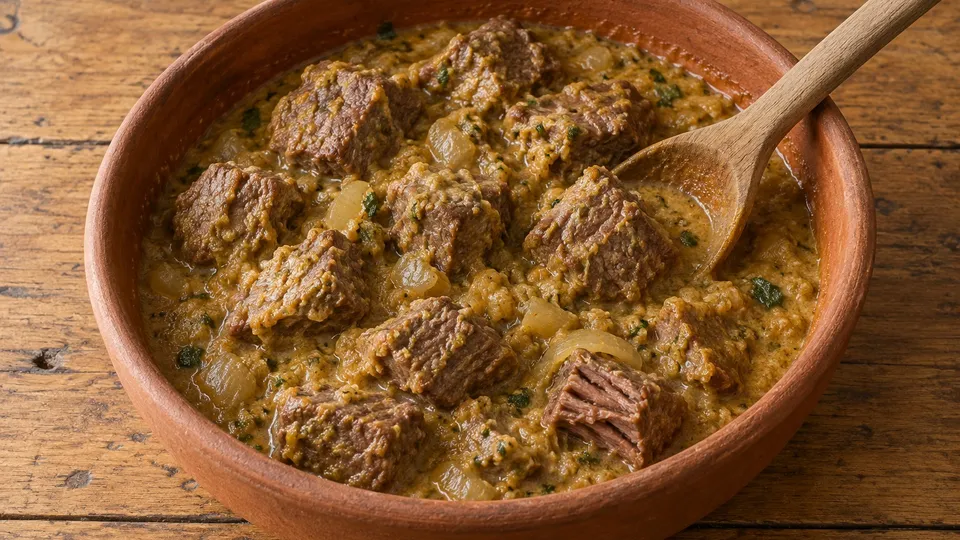
Beef y-Stywyd, Spiced Beef Stew (1430)
Beef y-Stywyd, a medieval spiced beef stew of about 1430: beef simmered in strained broth with cloves, mace, onion and sage, thickened with bread and vinegar.
Try one of these recipes
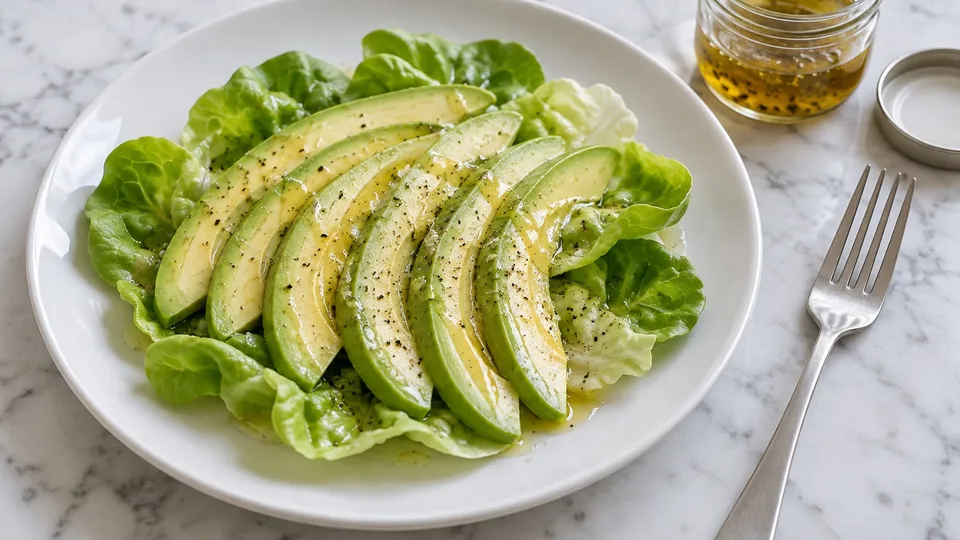
Alligator Pear Salad (1899)
Alligator pear salad, the 1899 name for avocado: long thin strips served very cold with French dressing and a few drops of onion juice, after De Loup (1899) and Farmer (1910).
Ancient Babylonian Lamb and Beet Stew (Tuh’u)
Seared lamb leg simmered with beer, red beet, onion, arugula, shallot and cumin, finished with coriander seed and fresh greens, after tuh’u on the Yale culinary tablet of about 1730 BC.
Ancient Babylonian Leek Broth with Sourdough Crumbs (Pašrūtum)
A meatless Babylonian broth of leek, garlic, kurrat and cilantro from the Yale culinary tablet of about 1730 BC, finished with dried sourdough pounded, sifted and scattered over the pot.