12 recipes
Ancient Roman Recipes
Ancient Roman recipes from Cato, Columella and Apicius, set beside Pompeii’s street counters and Trimalchio’s dinner.
These ancient Roman recipes come from three Latin books. The oldest is Cato’s farm manual, De agri cultura, written in the middle of the second century BC by a man who lived from 234 to 149 BC, held every high office in Rome and wrote down what his farmhouse baked: libum, a cheese bread set on leaves under a dish on the hearth; globi, honeyed cheese fritters; mustaceus, must cakes baked on bay leaves; savillum, a honey cheesecake; and epityrum, an olive relish. What Did a Roman Farmhouse Bake? follows them. From Columella’s book on farming comes moretum, a spread of herbs pounded with cheese.
The third book is the Roman cookbook that goes under the name of Apicius, the source of our duck with turnips, Vitellian fava beans, Lucanian sausages, honey sponge eggs and stuffed dates. Two stories put its dishes on a table. Pompeii had about eighty street counters selling hot food from jars set into the counter, and the one cleared in 2020 still held traces of duck, pork, goat, fish, snails and ground fava beans: What Did Pompeii Buy at the Street Counter? And Petronius wrote, about AD 60, a comic dinner for a rich freedman named Trimalchio, with sausages smoking on a silver grill and a boar hung with baskets of dates: What Was Actually Served at Trimalchio’s Dinner?
No Roman recipe gives amounts the way a modern one does, so each page here shows the Latin source in English, says what we chose, and measures it for a kitchen today.
What Did a Roman Farmhouse Bake?
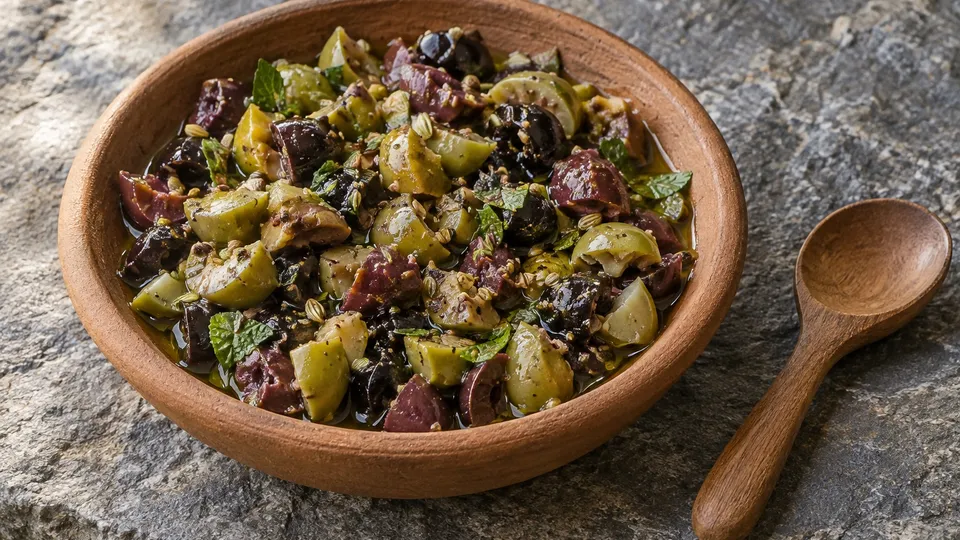
Epityrum, Olive Relish (Cato)
Epityrum, Cato’s farm relish: green, black and purple olives, stoned and chopped with oil, vinegar, coriander, cumin, fennel, mint and a little rue, kept under oil.
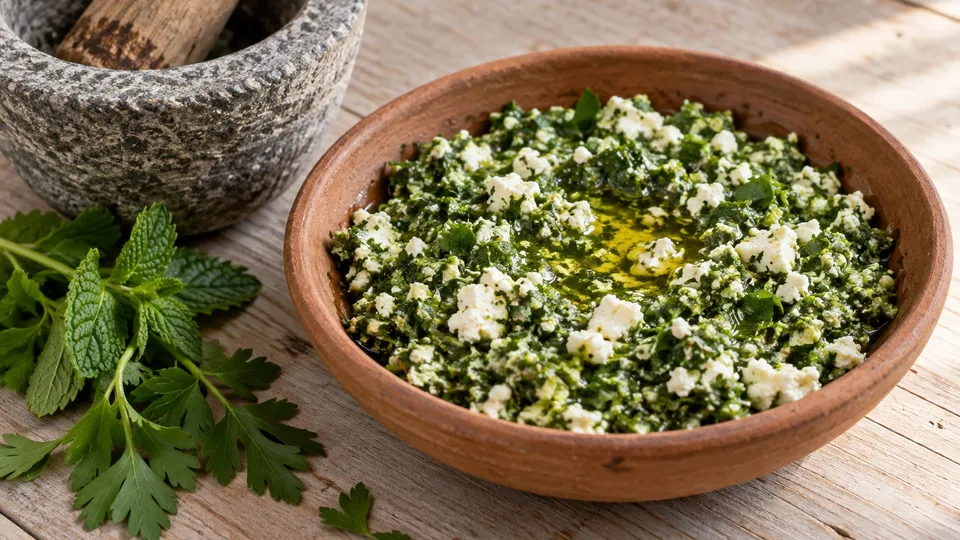
Moretum, Herb and Cheese Spread (Columella)
Moretum, a herb and cheese spread after Columella: mint, coriander, parsley, green onion, lettuce and arugula pounded with salted fresh cheese, dressed with peppered vinegar and olive oil.
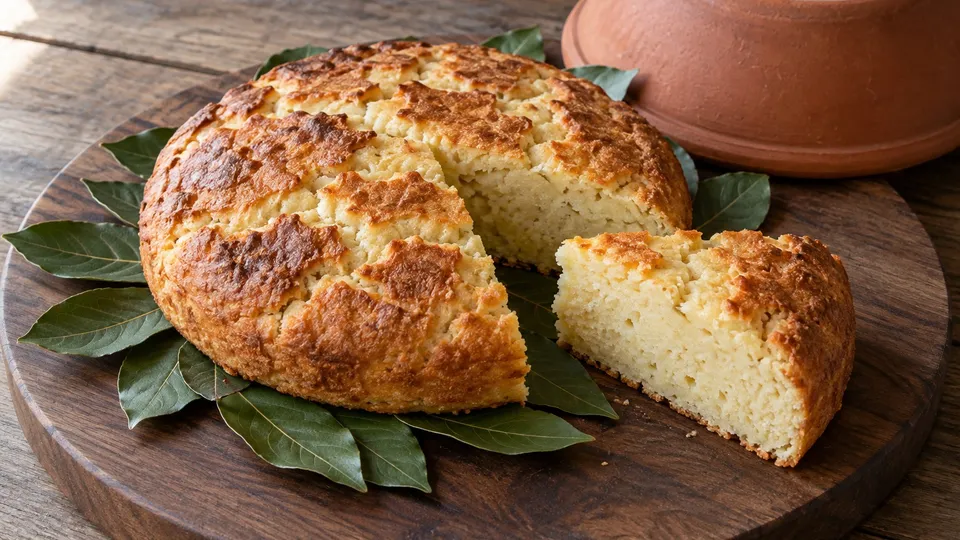
Libum, Cheese Bread (Cato)
Libum, the cheese bread of Cato’s farm manual: fresh cheese pounded with fine wheat flour and one egg, shaped into a round loaf and baked slowly on bay leaves under a covering dish.

Globi, Honeyed Cheese Fritters (Cato)
Balls of fresh cheese and semolina fried golden in olive oil, then spread with honey and sprinkled with poppy seed, after Cato’s globi of the second century BC.
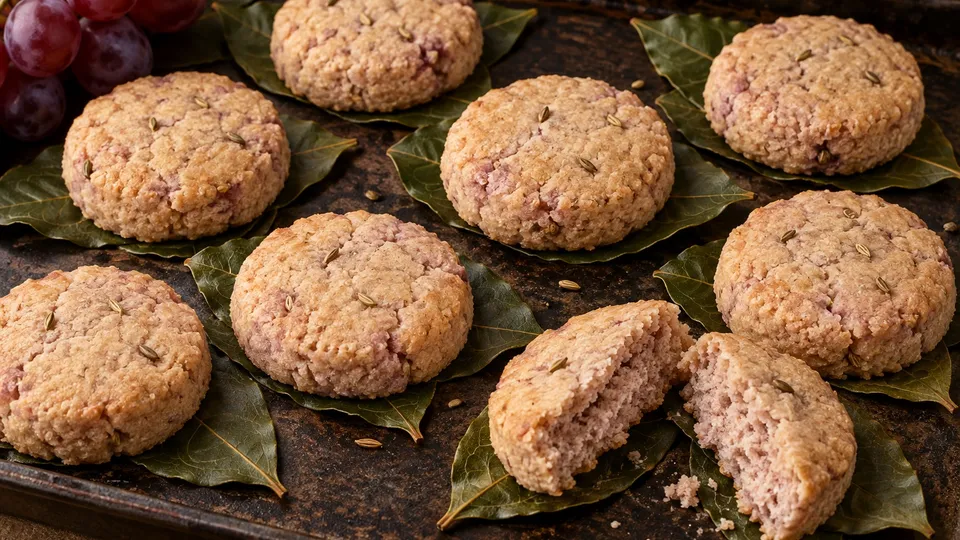
Mustaceus, Must Cake (Cato)
Mustaceus, the must cake of Cato’s farm manual: wheat flour wetted with grape must and worked with lard, cheese, anise and cumin, shaped into small cakes and baked on bay leaves.
What Did Pompeii Buy at the Street Counter?
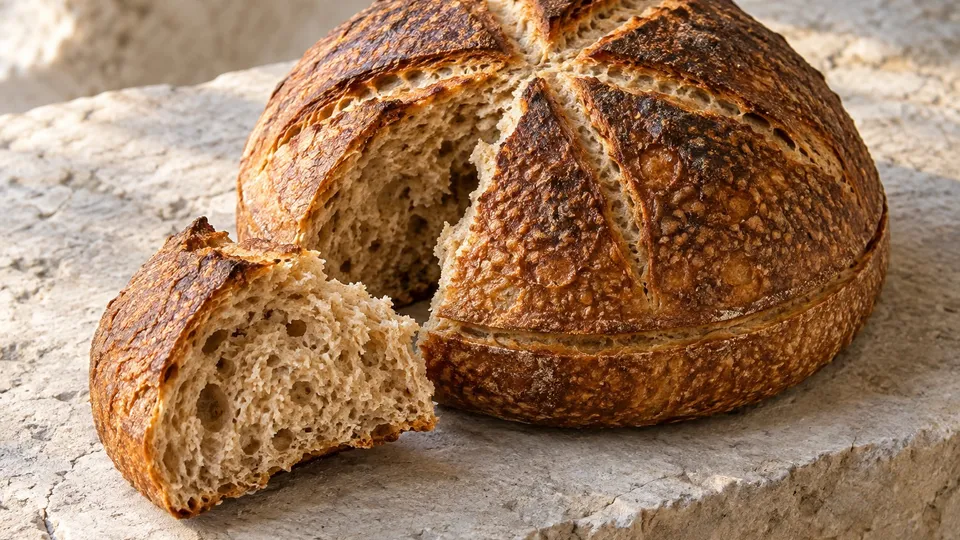
Pompeii Sourdough Loaf (AD 79)
A Pompeii sourdough loaf: a round wheat loaf raised with a piece of yesterday’s dough and scored into eight wedges before baking, built from Cato’s kneaded bread, Pliny’s leaven and the carbonized loaves of Pompeii and Herculaneum.
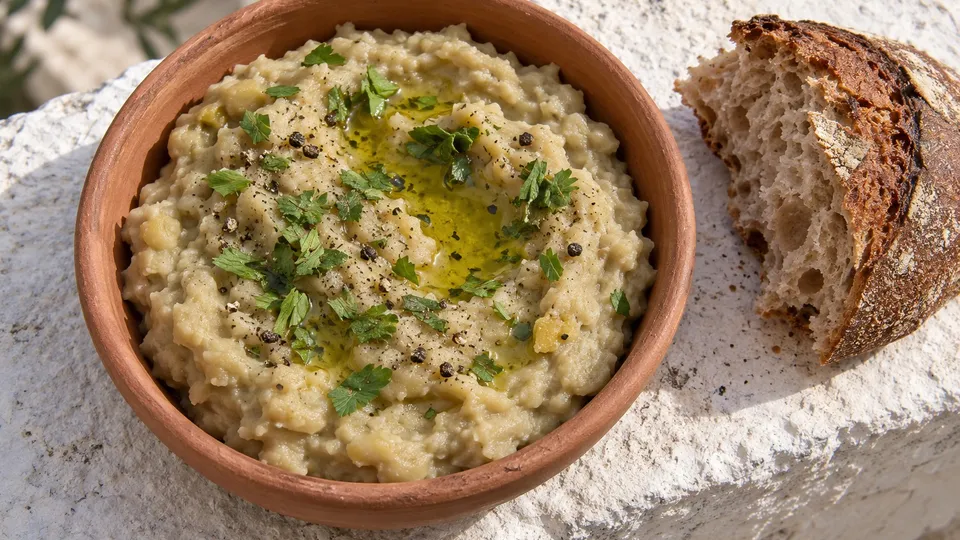
Fava Beans Vitellian Style (Apicius)
Fava beans Vitellian style, from the Roman cookbook Apicius: split beans simmered soft with leek and coriander, seasoned with pepper, lovage, oregano, fennel seed, fish sauce and wine, finished with green olive oil.
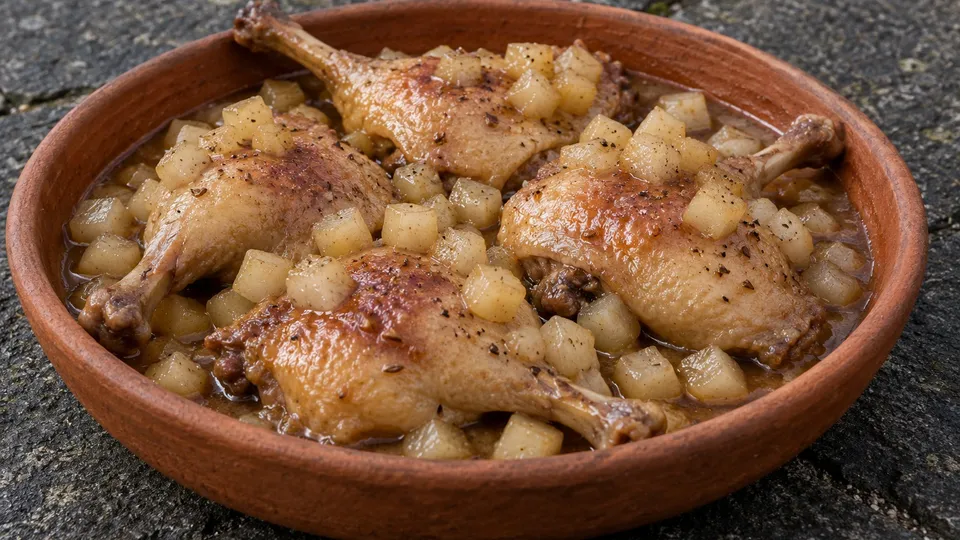
Duck with Turnips (Apicius)
Duck with turnips from the Roman cookbook Apicius: legs poached with dill, braised under chopped turnips with leek, coriander and grape syrup, and finished with a peppery cumin and vinegar sauce.
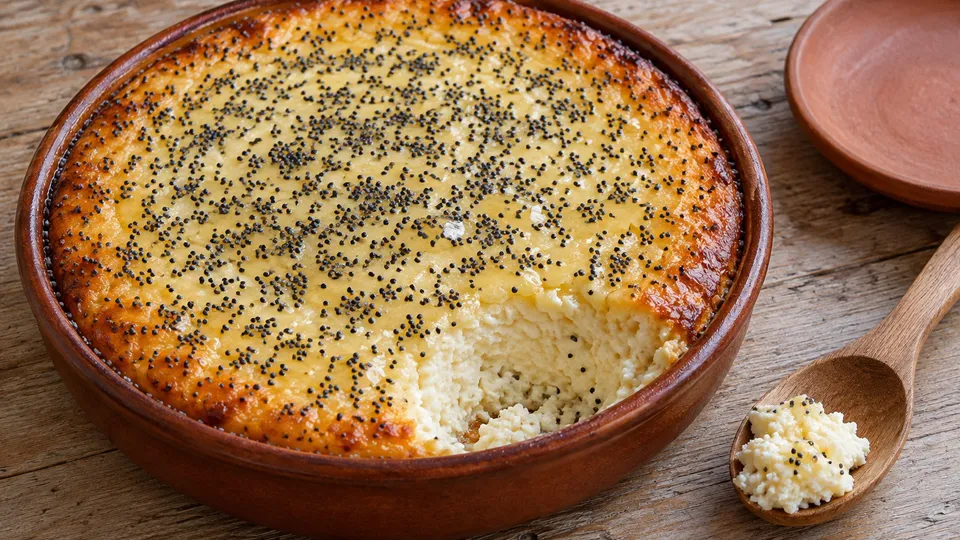
Savillum, Honey Cheesecake (Cato)
Savillum, a honey cheesecake from Cato’s farming manual of the second century BC: fresh cheese, flour, honey and one egg baked in an oiled dish under a cover, then spread with honey and sprinkled with poppy seed.
What Was Actually Served at Trimalchio’s Dinner?
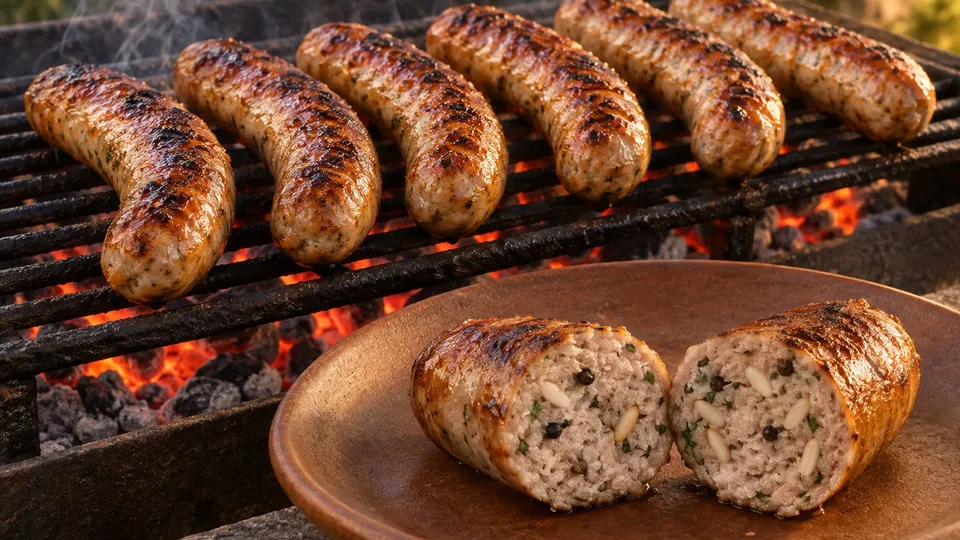
Lucanian Sausages (Apicius)
Lucanian sausages from Apicius: pork and fat pounded with pepper, cumin, savory, parsley and bay, mixed with fish sauce, peppercorns and pine nuts, filled into casings and grilled.
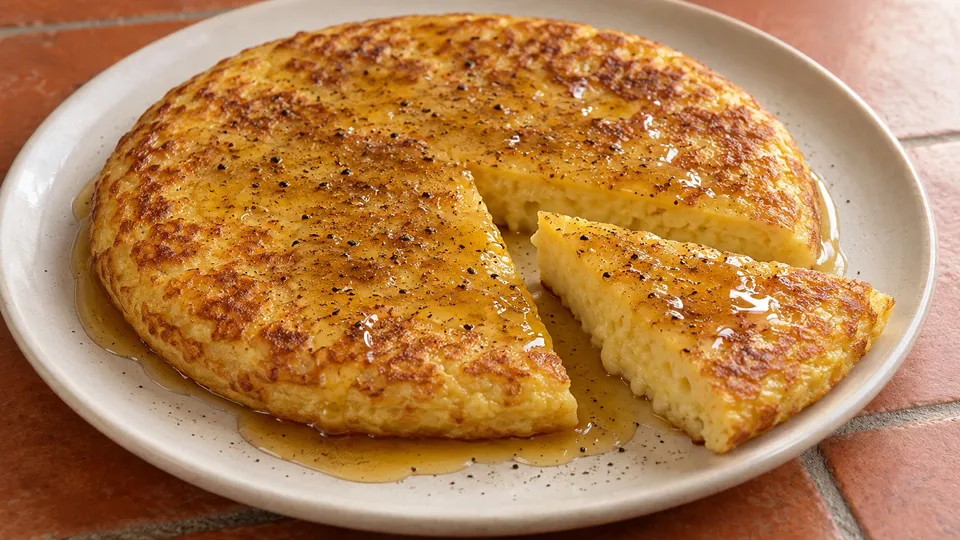
Honey Sponge Eggs (Apicius)
Honey sponge eggs, the ova spongia of Apicius: eggs beaten with milk and a little olive oil, set gently in a pan, turned out onto a plate and soaked with honey and black pepper.
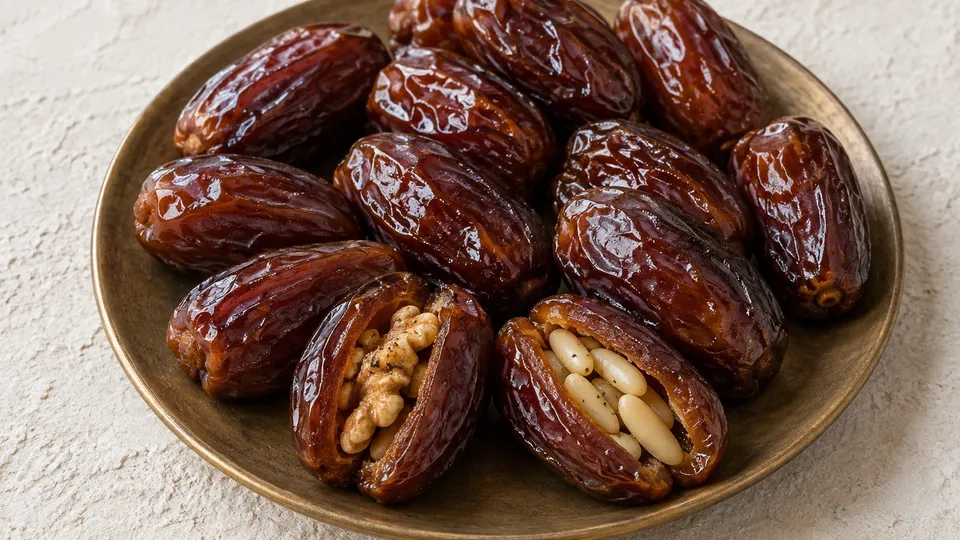
Stuffed Dates in Honey (Apicius)
Stuffed dates in honey, the dulcia domestica of Apicius: dates stoned and filled with walnut, pine nuts or ground pepper, touched with salt and fried in hot honey.
What did Romans eat?
Bread first: our Pompeii Sourdough Loaf follows Cato’s kneaded bread and the scored loaves found in the buried towns. Around it came cheese, olives, beans, pork, poultry and fish, sweetened with honey and seasoned with pepper, cumin, lovage, coriander, vinegar and fish sauce, all of which turn up in the recipes here.
What did Romans eat for dinner?
In town, many people bought hot food at a street counter rather than cooking at home; the Pompeii counter of 2020 held stews of duck, pork, goat, fish and snails. A rich host made dinner a show, which is what Petronius mocked: olives in the panniers of a bronze donkey, dormice in honey and poppy seed, and eggs made of pastry. Our Lucanian Sausages and Stuffed Dates in Honey come from that table.
What did Romans eat before tomatoes?
Tomatoes came to Europe from the Americas long after Rome, so no Roman dish had them. Sauces were built on fish sauce, wine, vinegar, honey and grape syrup, with pepper, cumin, lovage and fresh herbs. Apicius’s Duck with Turnips is sauced with pepper, cumin and vinegar, and his Fava Beans Vitellian Style with lovage, oregano, fennel, fish sauce and wine.
What did Pompeii’s street counters sell?
Hot food and drink from jars set into a counter open to the street. Pompeii had about eighty of them, and around them stood bakeries, market stalls and shops selling figs, chestnuts, lentils, loaves and cakes. The fava beans found in one counter’s wine jar are behind our Vitellian fava beans.
What they drank with it
Forgotten Drink, our sister site, keeps the Roman side of the cup: honeyed mulsum, spiced conditum, posca and oxymel, each from Apicius, Columella, Pliny or a later source, in its ancient Roman drinks (opens in a new tab).