18 recipes
Medieval Recipes
Medieval recipes from a Paris household book of 1393 and Henry IV’s coronation feast of 1399, with Viking Age dishes rebuilt from the finds.
These medieval recipes come from two written sources and one buried one. The first is Le Ménagier de Paris, the household book a Paris husband put together about 1393 for his young wife. Its fish-day dinners, for the days when the Church forbade meat, open with pease pottage, herring and a green porée of watercress, then bring a herb omelette with grated cheese, crespes of fried batter and pipefarces, fingers of cheese fried in batter. All four recipes come from the book, and What Did a Paris Household Eat in 1393? sets them on its menus.
The second is a feast. On October 13, 1399, Henry IV was crowned and dined in Westminster Hall on three courses of meat, game and birds, with sweet dishes among them and a showpiece in sugar or paste at the end of each course. The bill of fare survives, and English cookery manuscripts of about 1430 and 1450 give the dishes it names: Viaund Ryal, a rice cream of almond milk; Crustade Lumbard, a custard tart of dates and marrow; Leche Lumbard, slices of spiced date paste; Blaundesorye, an almond and chicken pottage; and quinces boiled down with honey. What Was Served at Henry IV’s Coronation Feast? reads the menu course by course.
The Viking Age left no recipe at all. The three here are reconstructions from what the ground keeps: charred loaves of barley and peas in graves at Birka in Sweden, herring bones in the wet soil of Coppergate in York, and the dairy of Iceland’s farms. What Did the Vikings Actually Eat? explains the evidence. Each recipe names its source and says plainly when it is a reconstruction.
What Did a Paris Household Eat in 1393?
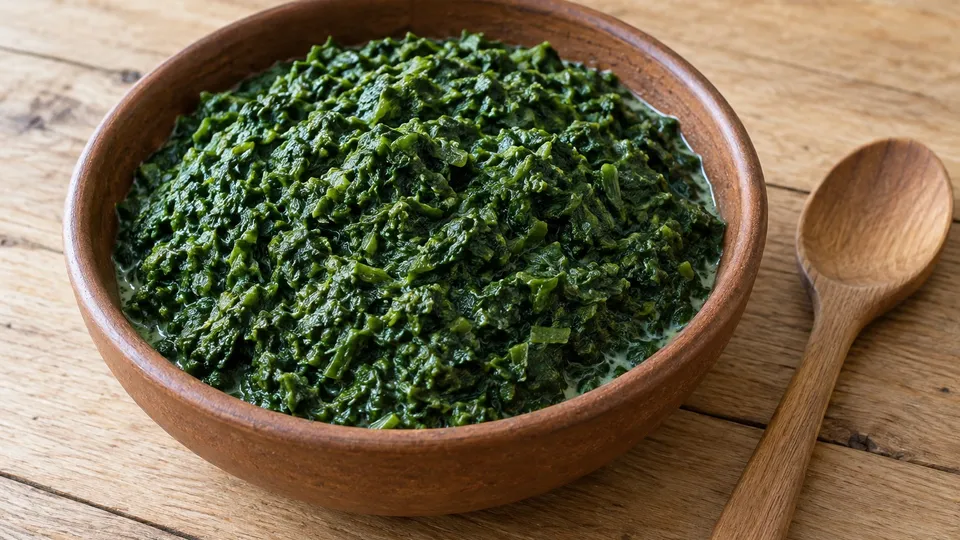
Watercress Porée (1393)
Watercress porée, the green dish of a Paris fish-day dinner in the Ménagier de Paris: watercress and chard parboiled, chopped, fried in olive oil and simmered in almond milk.
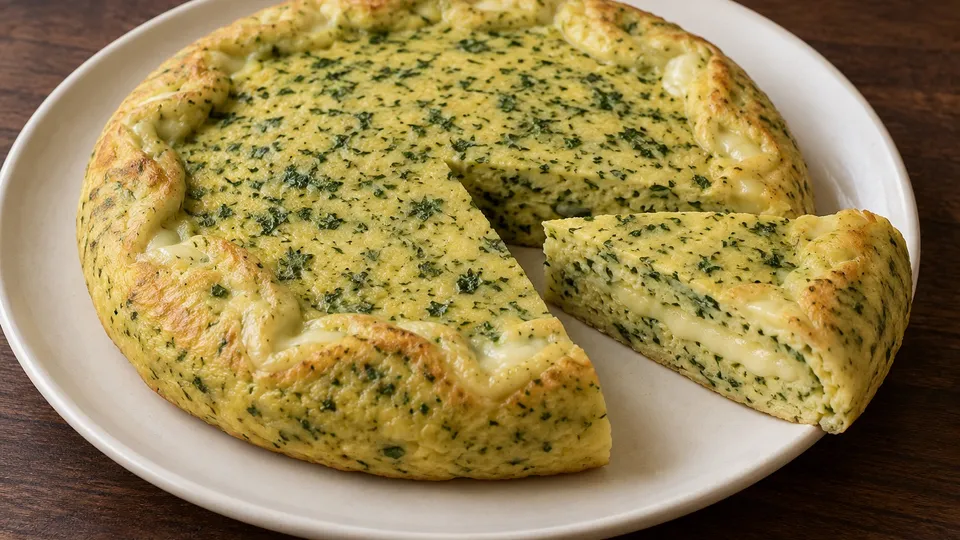
Arboulastre, Herb Omelette (1393)
Eggs beaten with pounded greens, garden herbs and ginger, cooked thick in butter with grated cheese folded in: the arboulastre of the Ménagier de Paris.
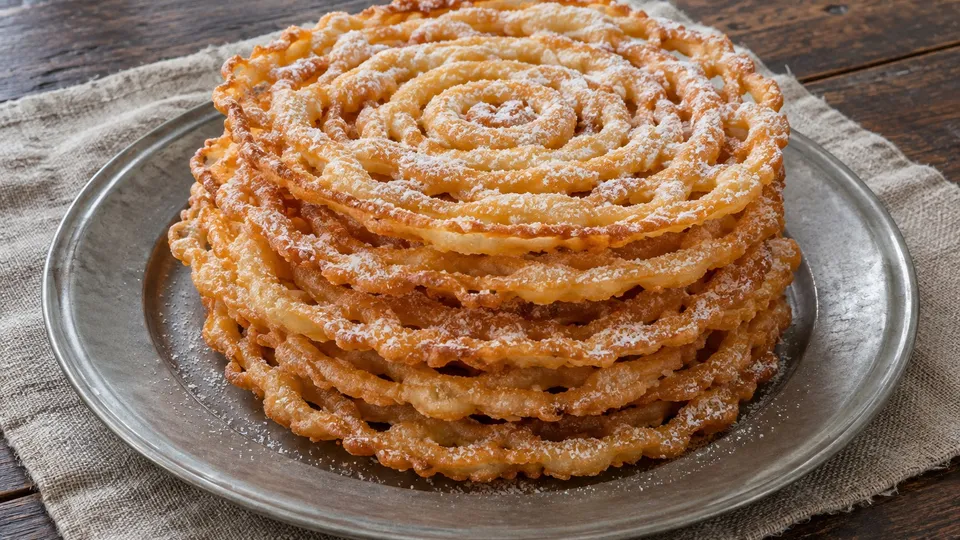
Crespes (1393)
A thin batter of flour, eggs, water, wine and salt poured in a spiral into hot lard and butter, fried crisp and dusted with sugar: the crespes of the Ménagier.

Pipefarces, Fried Cheese Fingers (1393)
Fingers of firm cheese rolled in a batter of egg yolks, flour, salt and white wine and fried in hot lard: the pipefarces of the Ménagier de Paris.
What Was Served at Henry IV’s Coronation Feast?
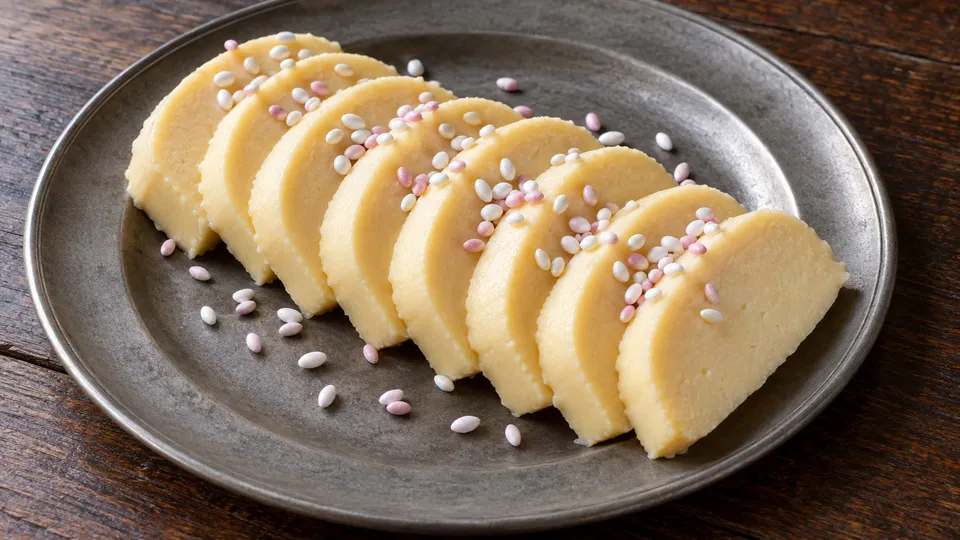
Viaund Ryal, Rice Cream (1430)
Viaund ryal, the royal rice cream of the first course at Henry IV’s coronation: almond milk thickened with rice flour, set firm, sliced and strewn with aniseed comfits.
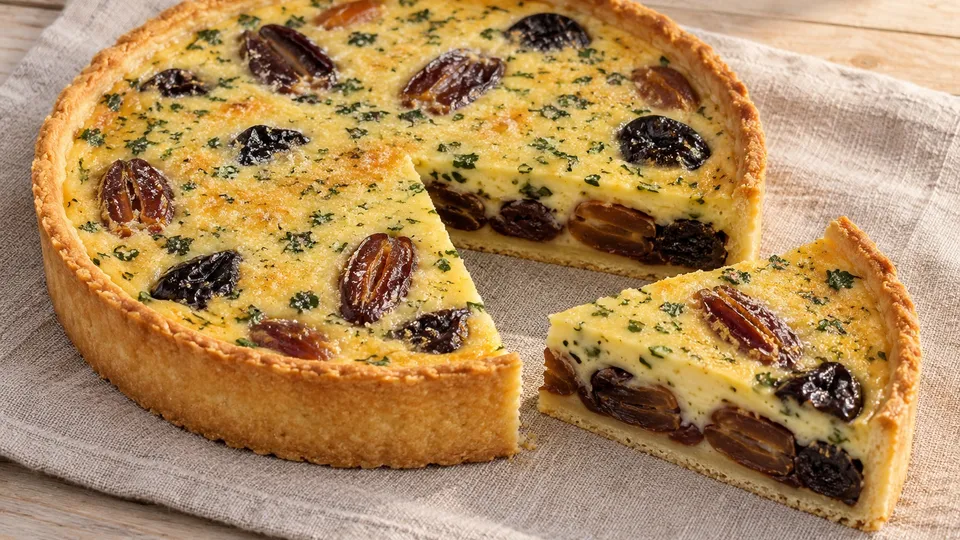
Crustade Lumbard, Custard Tart (1430)
Crustade lumbard, a custard tart from Henry IV’s first course: dates, prunes and beef marrow in a part-baked pastry case under a custard of cream, eggs and parsley.
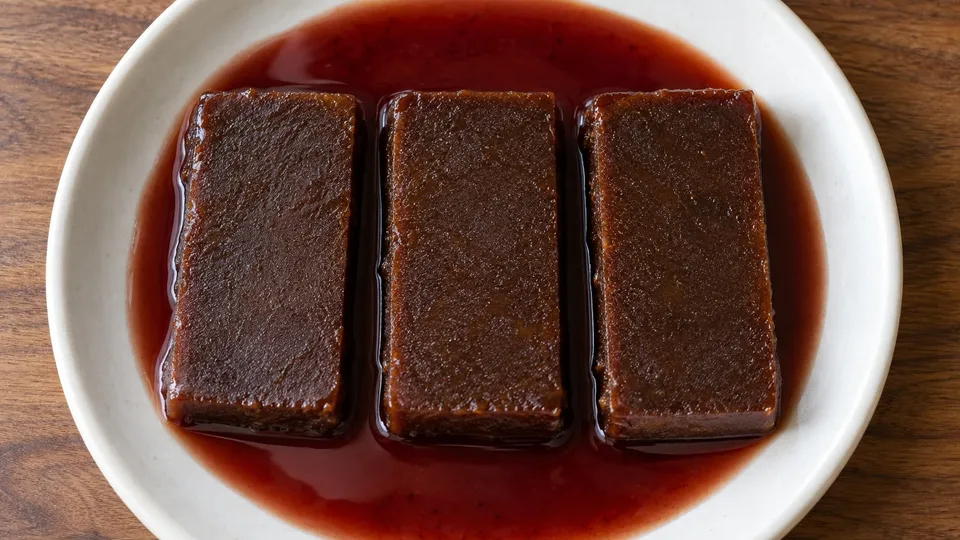
Leche Lumbard, Spiced Date Slices (1430)
Leche lumbard, spiced date slices: dates simmered in sweet wine, boiled stiff with sugar, kneaded with ginger, cinnamon and breadcrumbs, sliced and served with a spiced wine syrup.
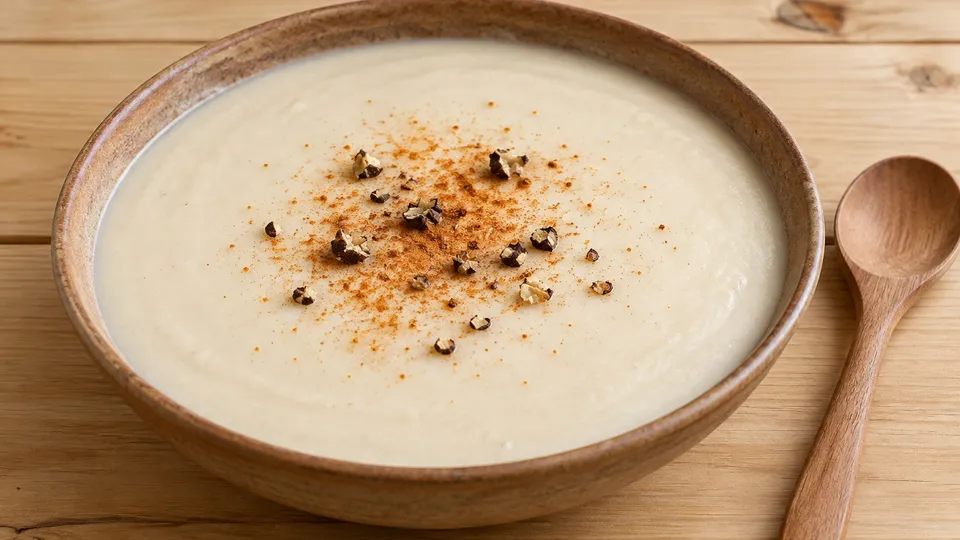
Blaundesorye, Almond Chicken Pottage (1430)
Blaundesorye, the white pottage of Henry IV’s third course: poached chicken pounded and simmered in almond milk with rice flour and ginger, strewn with mace and cubebs.
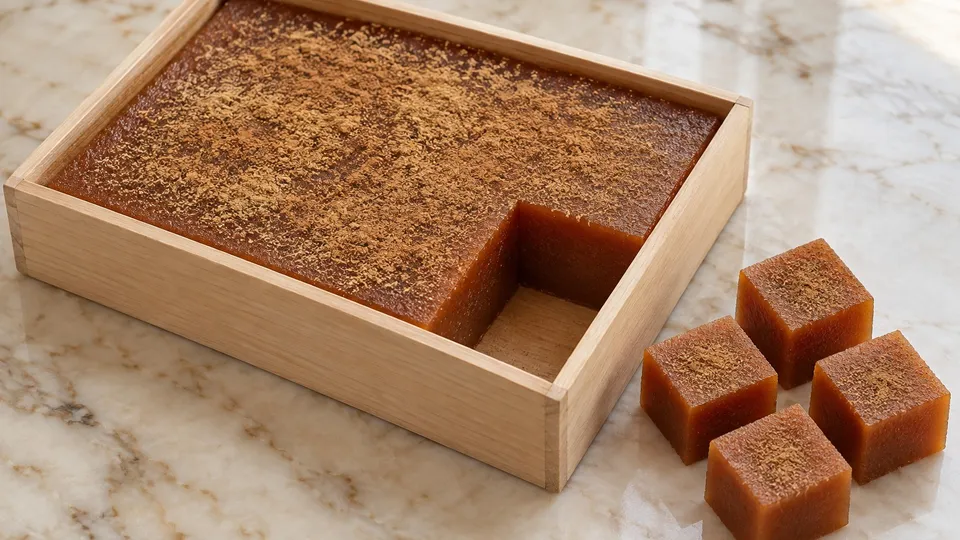
Quince Paste with Honey (1450)
Quince paste with honey, the chared coneys of about 1450: quinces boiled soft in malt wort, cooked down with honey and pepper, spiced with ginger, galingale and cinnamon and boxed.
What Did the Vikings Actually Eat?
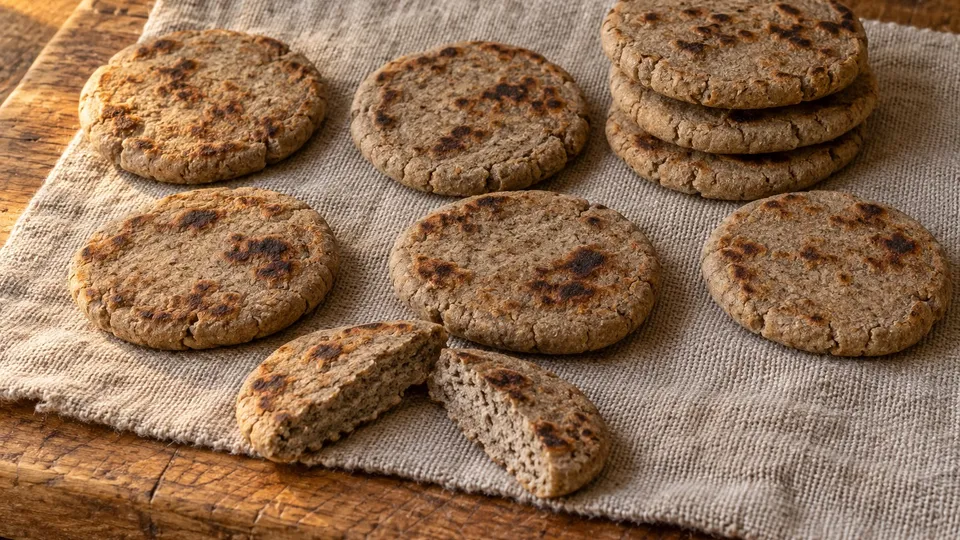
Birka Barley and Pea Flatbreads
Birka barley and pea flatbreads: small unleavened rounds cooked on a dry iron pan, after the charred loaves of hulled barley and peas from two Viking graves at Birka.
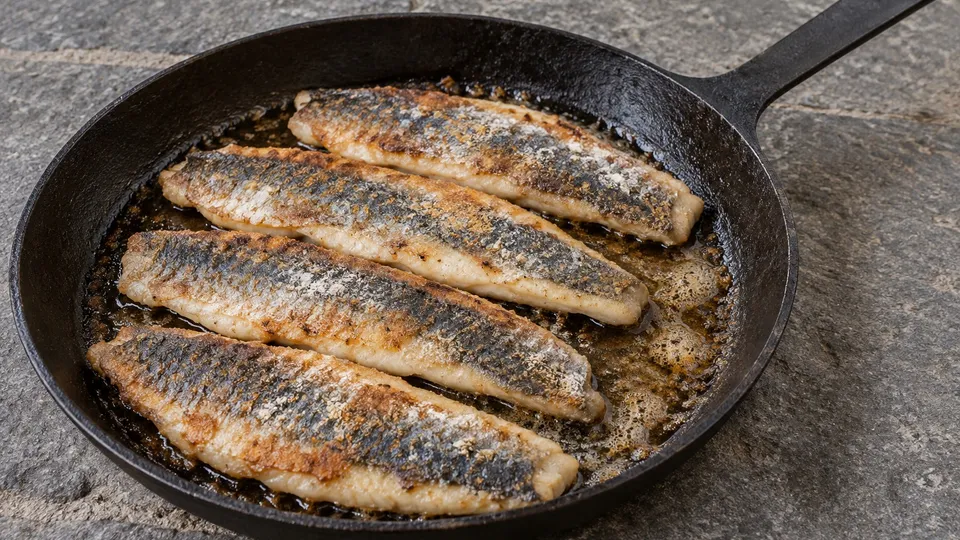
Coppergate Pan-Fried Herring
Coppergate pan-fried herring: fillets dusted with barley flour and fried in butter in an iron pan, after the herring bones of Viking Age York and England’s nearly fish-free pots.
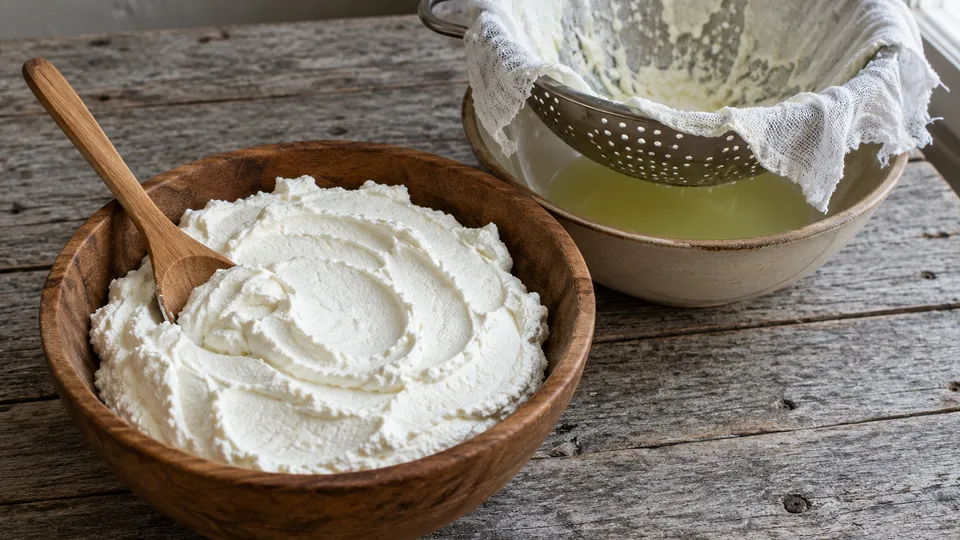
Skyr-Style Fresh Curd
A skyr-style fresh curd after the dairy farms of Viking Age Iceland: skimmed milk set with store-bought skyr and a little rennet, then drained overnight until thick and sour.
What Did a Medieval Countess Give the Poor to Eat?
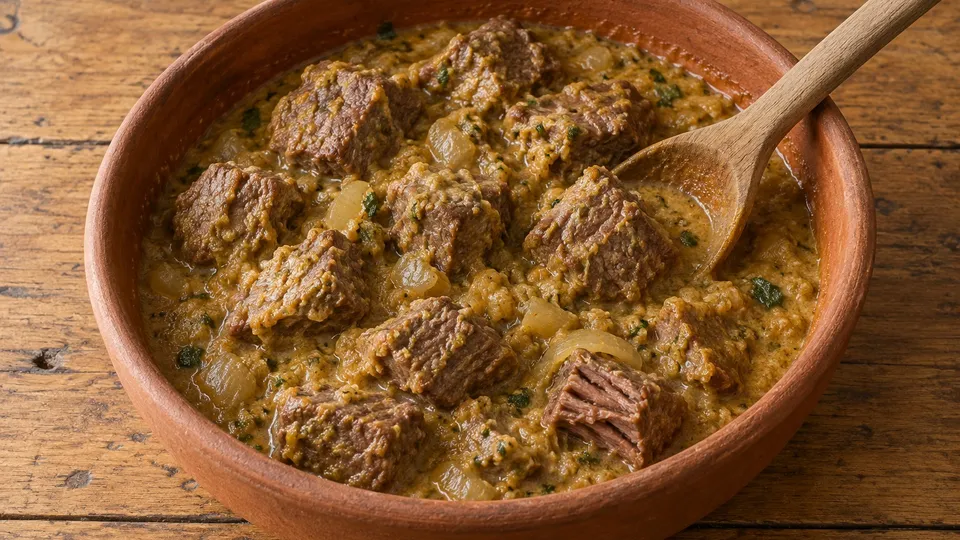
Beef y-Stywyd, Spiced Beef Stew (1430)
Beef y-Stywyd, a medieval spiced beef stew of about 1430: beef simmered in strained broth with cloves, mace, onion and sage, thickened with bread and vinegar.
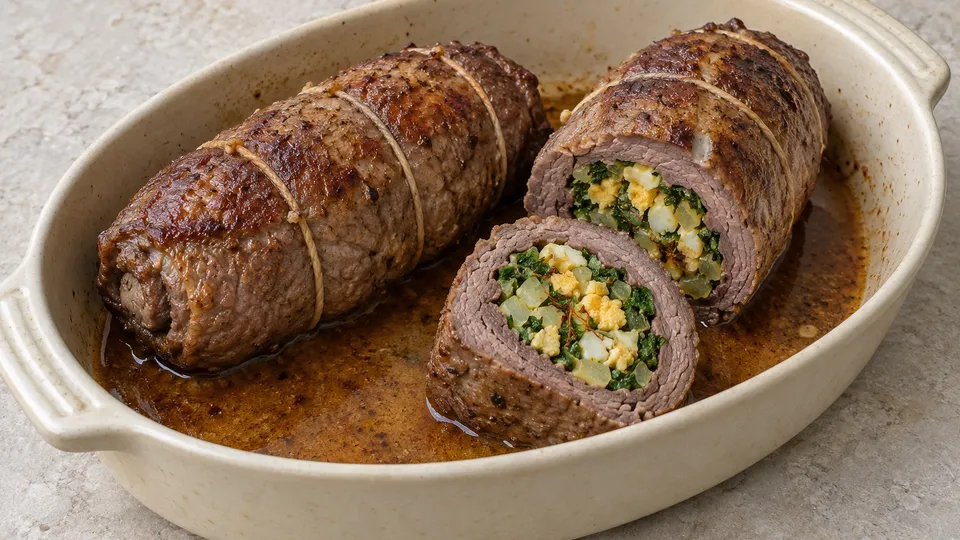
Gos Farced, Stuffed Goose Breast (1430)
Gos farced, a medieval stuffed goose of about 1430, made here as goose breast rolled around parsley, boiled onion, hard egg yolk, ginger, saffron and cloves.
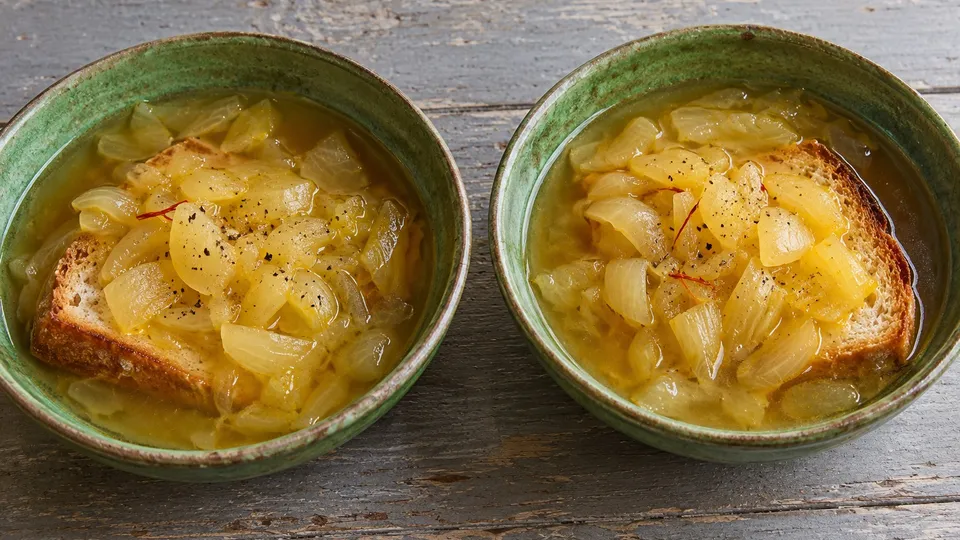
Oyle Soppys, Onions in Ale on Toast (1430)
Oyle soppys, medieval onion and ale sops of about 1430: onions boiled, then simmered in ale with a little oil, saffron, pepper and sugar, served over toast.
What Did a Medieval Bishop Eat at Christmas?
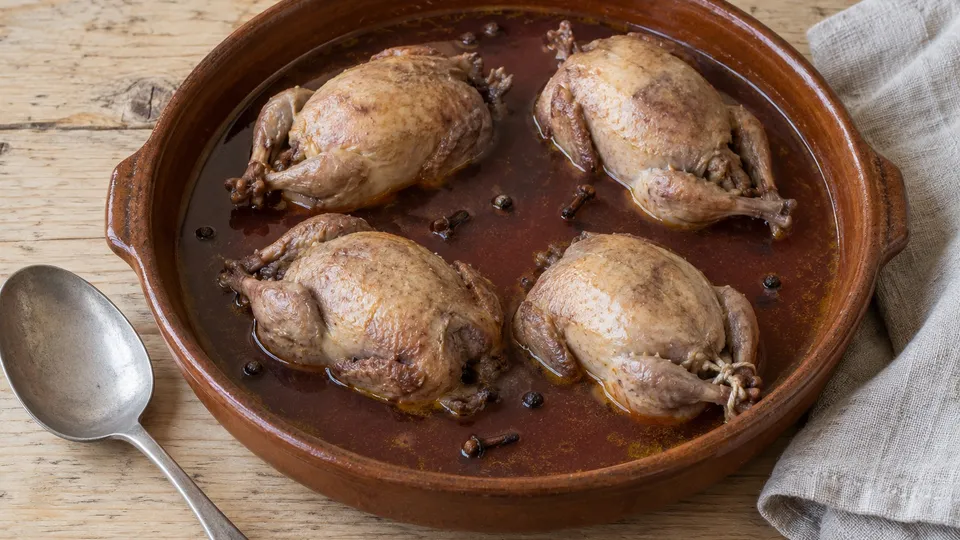
Pertrich Stewyde, Stewed Partridge (1430)
Medieval stewed partridge: whole birds stuffed with peppercorns and marrow, simmered in beef broth and red wine with cloves and mace, finished with saffron.
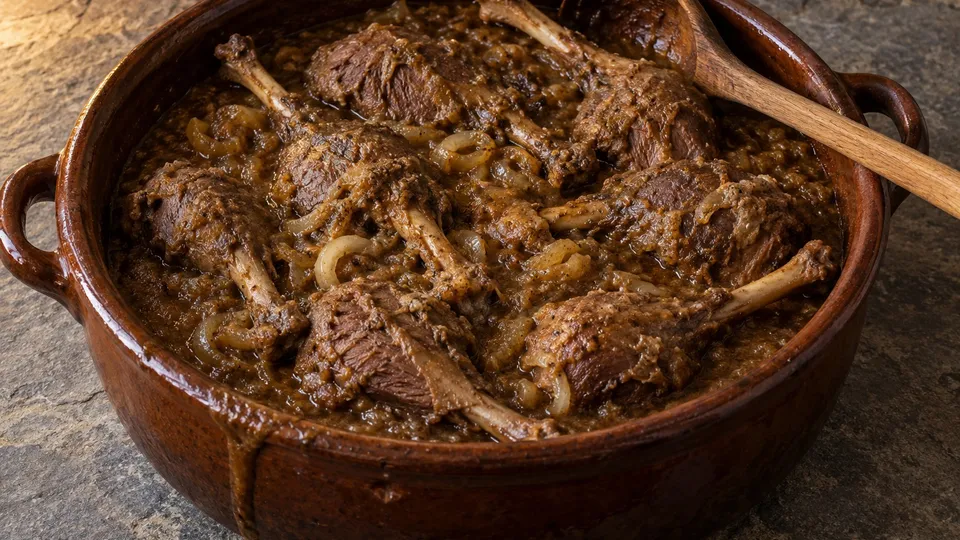
A Goos in Hogepotte, Goose Stewed with Ale (1430)
Medieval goose stew, a goos in hogepotte: goose simmered in pieces, thickened with dark toast, spices and ale, finished with fried onions and red wine.
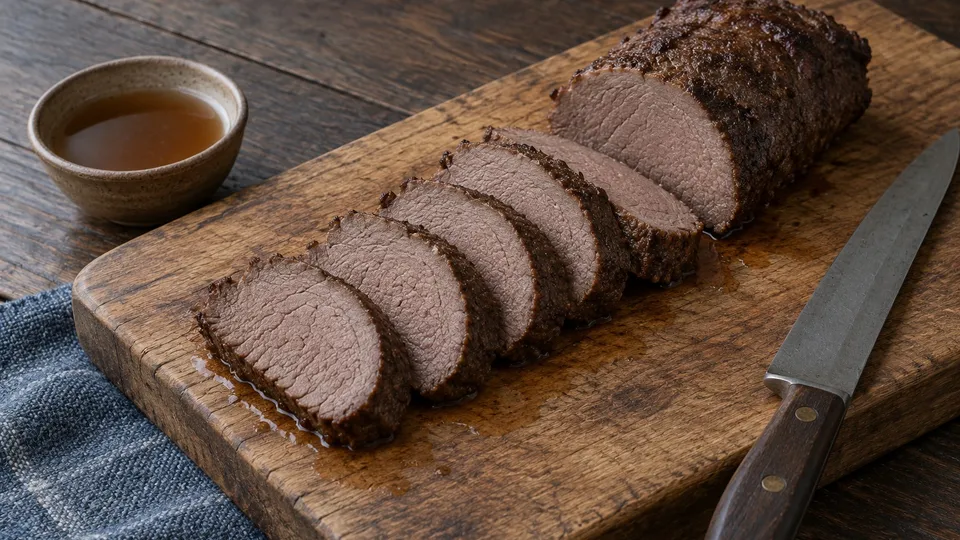
Venysoun Rosted, Parboiled Roast Venison (1450)
Medieval roast venison, venysoun rosted: venison loin boiled for a few minutes, then roasted hot and served sliced with a sharp sauce of vinegar and salt.
What did people eat in medieval times?
It turned on the day as much as on rank. On fish days, when the Church forbade meat, the Paris household of about 1393 ate pease pottage, herring, greens, eggs and cheese: our Watercress Porée and Arboulastre, a herb omelette, come from those menus.
What did rich and poor people eat in medieval times?
The rich left the records. Henry IV’s coronation feast in 1399 served a boar’s head with its tusks, heron, peacocks, cranes, bitterns, sturgeon and venison with frumenty, with spiced sweets among them. The poor wrote few menus, which is why archaeology matters: around the year 900 the finds at Birka, York and Hofstaðir show barley bread, milk and curds, fish from the nearest river and meat when an animal was killed.
What was served at a medieval feast?
Course after course of meat, game and birds, with sweet dishes mixed in rather than saved for the end. The third course at Henry IV’s coronation brought an almond and chicken pottage, quinces in comfit, curlews, quails, fritters and doucets, and each course closed with a sotelte, a showpiece in sugar or paste. Blaundesorye and Crustade Lumbard are two of its dishes.
What did people eat in medieval England?
The English manuscripts of the 1400s cook with almond milk, rice flour, dates, ginger, cinnamon and wine as freely as with meat, which is why the sweet and the savory sit so close on Henry IV’s menu. Four centuries earlier, the people of Viking Age York ate a great deal of herring, and their fish bones show it rarely went into a pot: our Pan-Fried Herring follows that evidence.
What they drank with it
Medieval tables were set with ale and wine, and the wine was often spiced for a feast. Forgotten Drink, our sister site, makes hippocras, ale caudle, posset and the almond milk that runs through these recipes, all from period cookery books, in its Medieval and Tudor drinks (opens in a new tab).