15 recipes
18th-Century Recipes
18th-century recipes from Hannah Glasse’s Art of Cookery of 1747, Amelia Simmons’s American Cookery of 1796 and London’s penny soup house of 1799.
These 18th-century recipes come mostly from one book. Hannah Glasse’s The Art of Cookery Made Plain and Easy was first printed in London in 1747 and sold extremely well in the American colonies, where George Washington and Thomas Jefferson both owned copies. It gives the small cakes and spiced yeast buns of a tea table, and it gives the stores of a ship at sea: a portable soup of beef boiled down until it set like glue, a pease soup to put it in, and a suet pudding boiled in a cloth.
Both ends of that book meet history. In Boston, upwards of 300 “Mistresses of Families” signed an agreement in 1770 to give up tea, and no account says what was eaten with it in the years before the Tea Party; the cookbooks the colonies bought point to wigs, biscuits and small cakes, which is the table in What Was on the American Tea Table Before the Boston Tea Party? At sea, James Cook wrote off Tahiti in April 1769 that his crew had kept healthy “owing in a great measure to the Sour krout, Portable Soup and Malt,” and What Did Captain Cook Feed His Crew to Keep Them Well? shows how Glasse’s soup went into the pease pot.
Two more close the century. Amelia Simmons’s American Cookery of 1796, the first known cookbook written by an American, gives a johnny cake of cornmeal scalded with milk and sweetened with molasses. And in the hungry winters of the late 1790s, a soup house on Brick Lane in Spitalfields sold the poor a meat soup at a penny a quart, printing its receipt in 1799 so other towns could copy it: What Was in London’s Penny Soup in 1799?
What Was on the American Tea Table Before the Boston Tea Party?
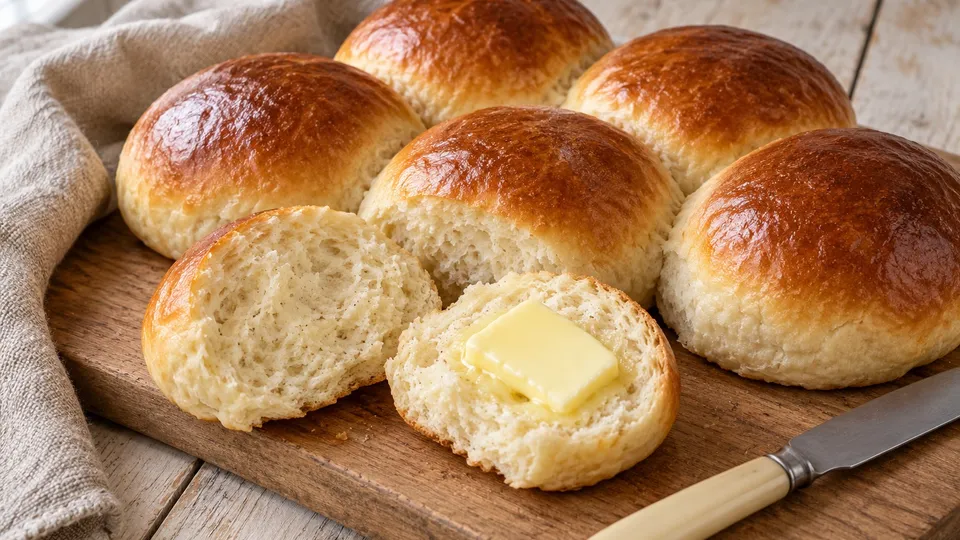
Very Good Wigs (1747)
Very good wigs from Hannah Glasse’s The Art of Cookery Made Plain and Easy of 1747: rich yeast buns of flour rubbed with butter, sweetened and spiced with nutmeg and ginger, wetted with eggs, sherry and warm milk.
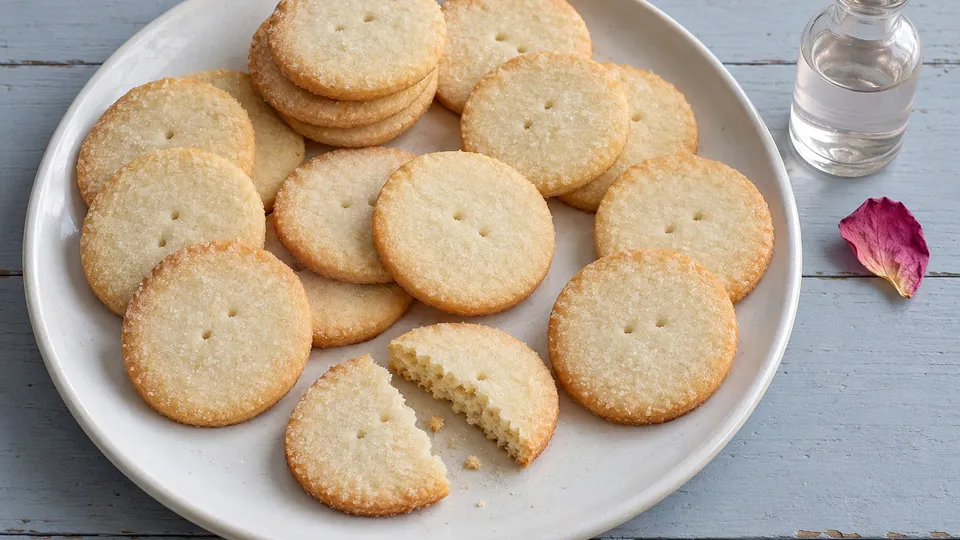
Shrewsbury Cakes (1747)
Shrewsbury cakes from Hannah Glasse’s The Art of Cookery Made Plain and Easy of 1747: thin, crisp biscuits of flour and sugar bound with eggs, cream and rose water, with no butter, rolled out in sugar and baked in a quick oven.
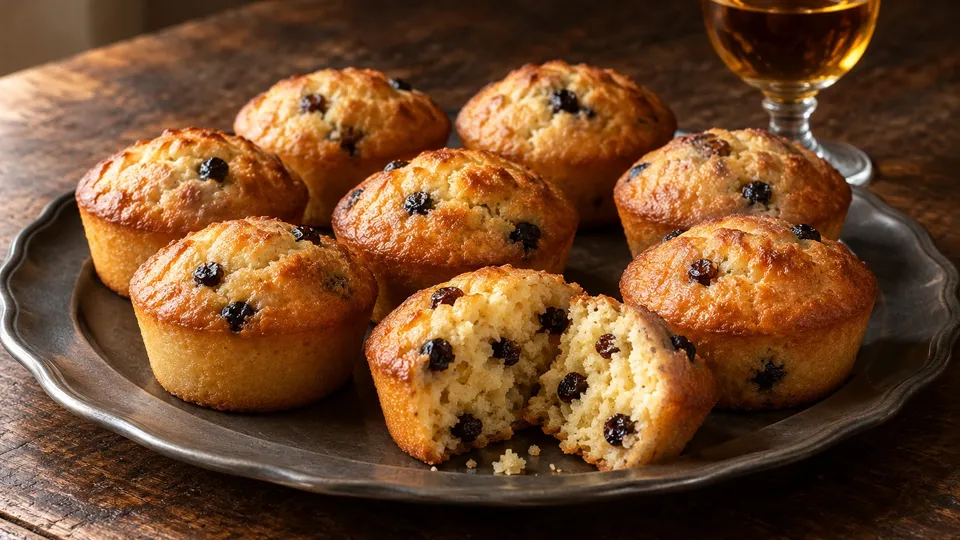
Portugal Cakes (1747)
Portugal cakes from Hannah Glasse’s The Art of Cookery Made Plain and Easy of 1747: small pound cakes of flour, sugar and butter with whisked eggs, rose water, sherry and currants, baked in little tins.
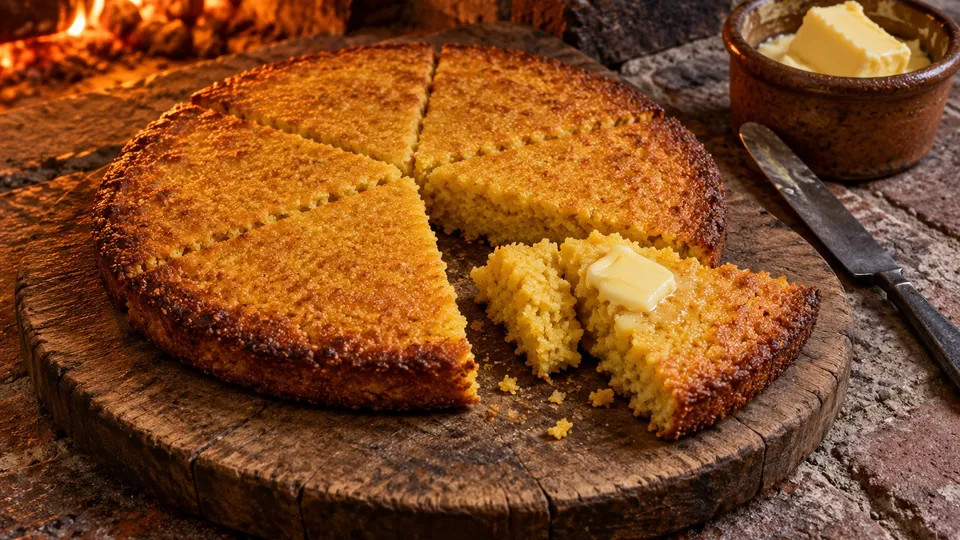
Johnny Cake (1796)
Amelia Simmons’s johnny cake from American Cookery, 1796: a flat, crusty cake of Indian meal scalded with hot milk, seasoned with salt, molasses and a little fat and worked stiff with cold water.
What Did Captain Cook Feed His Crew to Keep Them Well?
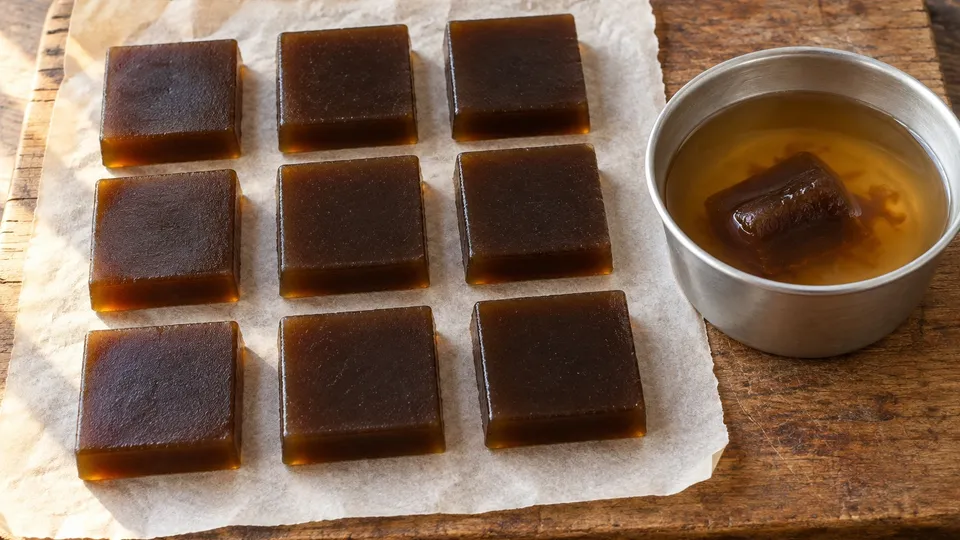
Portable Soup (1747)
Beef shin boiled with anchovies, mace and herbs, then reduced to a firm glaze that melts back into broth: Hannah Glasse’s portable soup of 1747.
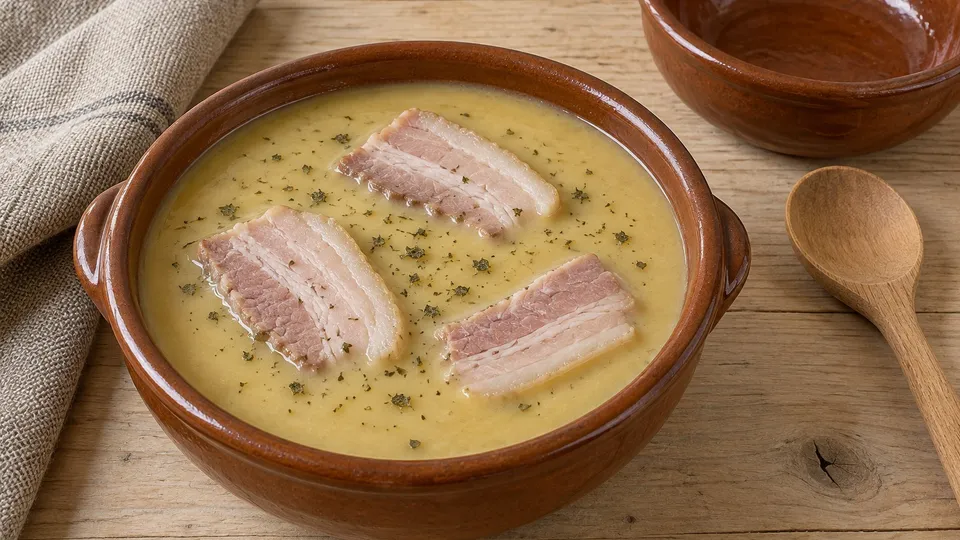
Pease Soup for Sea (1747)
Hannah Glasse’s pease soup for sea, 1747: split peas and salt pork with onion, celery and herbs, sieved and finished with dried mint and portable soup, for ships.
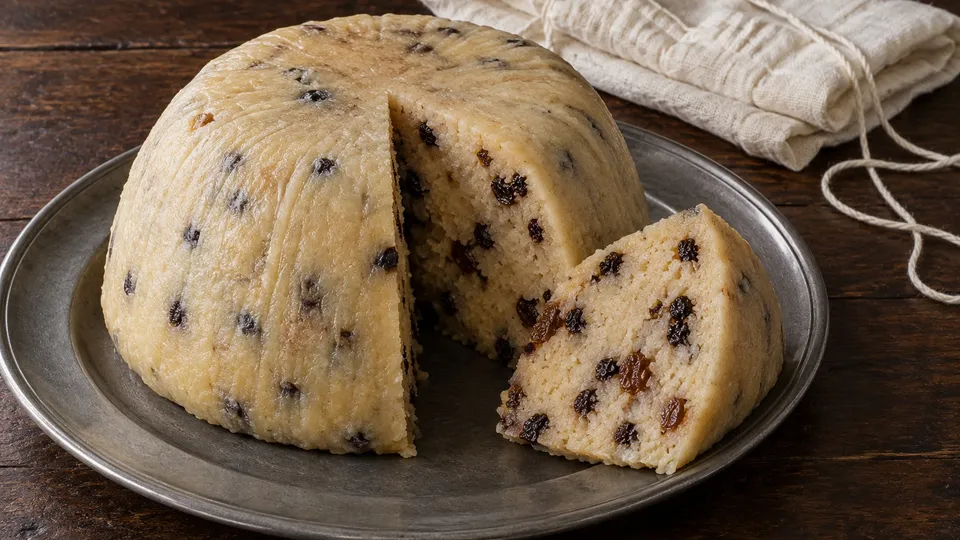
Suet Pudding for Sea (1747)
Hannah Glasse’s suet pudding for sea, 1747: flour, suet, currants and raisins with ginger and saffron, mixed stiff with salted water and boiled in a cloth for ships.
What Was the Soup Meagre John Adams Liked in France?
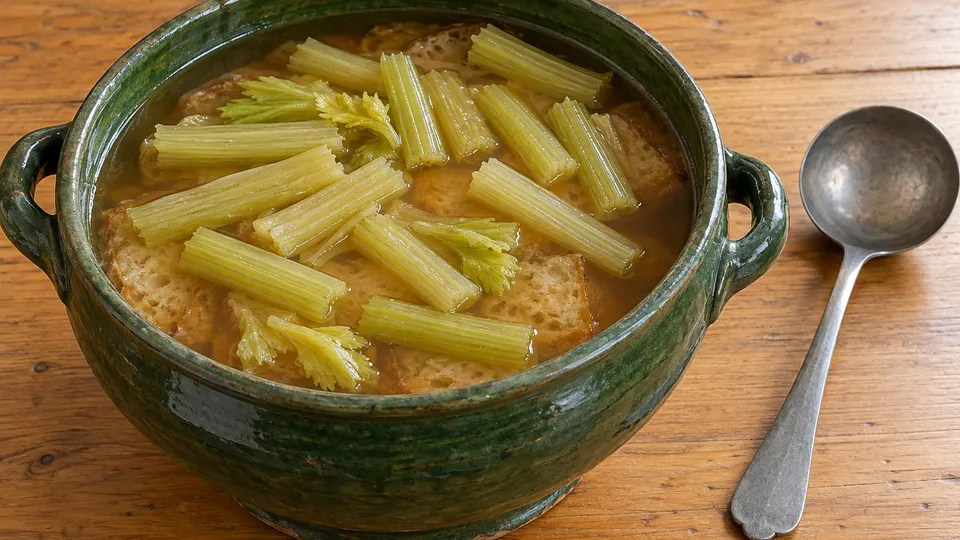
Celery Soup Maigre (1771)
A meatless French soup of 1771: onion, carrots and parsnip browned in butter and boiled into broth, poured over bread, with celery cooked apart on top.
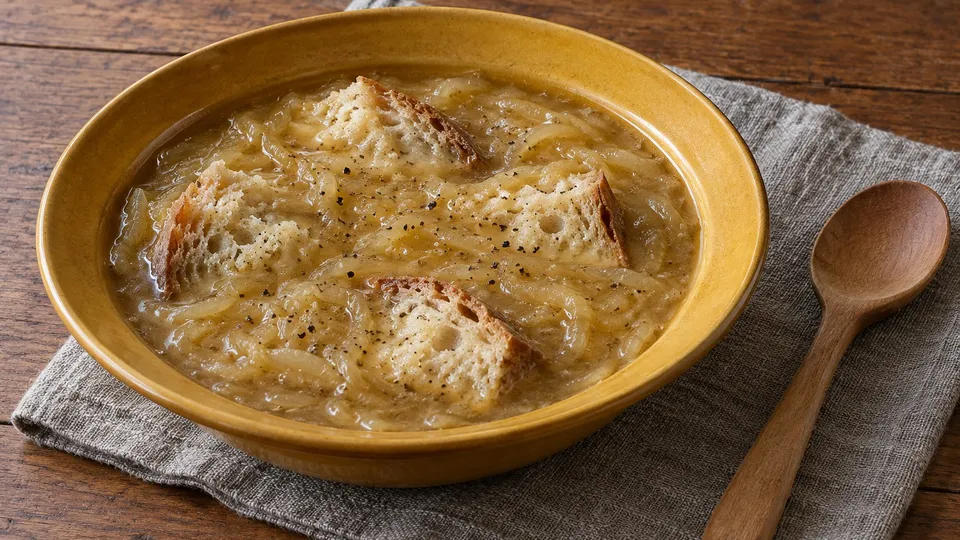
Onion Soup Maigre (1771)
A meatless French onion soup of 1771: sliced onions colored lightly in butter, simmered in water with salt and coarse pepper, and thickened with bread.
What Was in London’s Penny Soup in 1799?
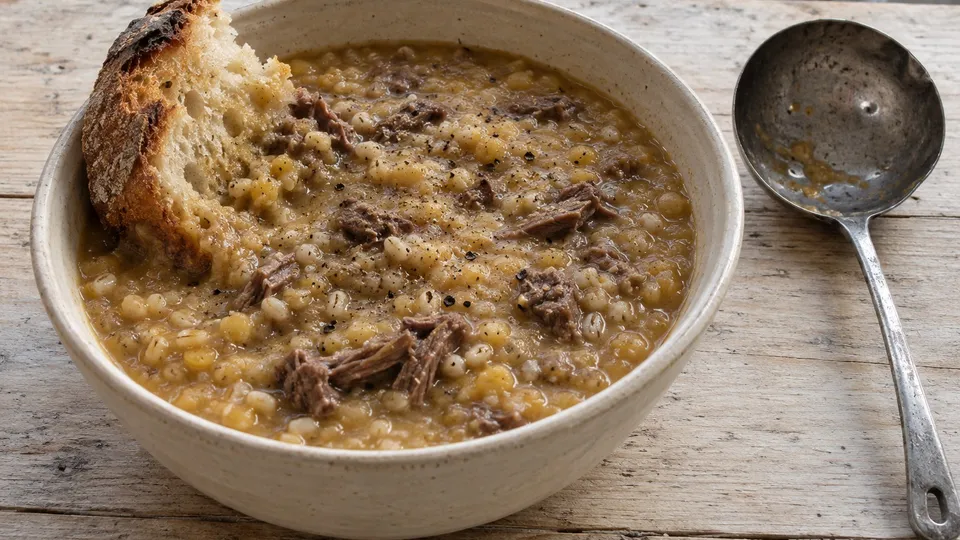
Spitalfields Meat Soup (1799)
Spitalfields meat soup, the penny-a-quart soup of the Spitalfields soup house, 1799: beef and shin simmered for hours with split peas, Scotch barley, onion, salt and black pepper.
More recipes
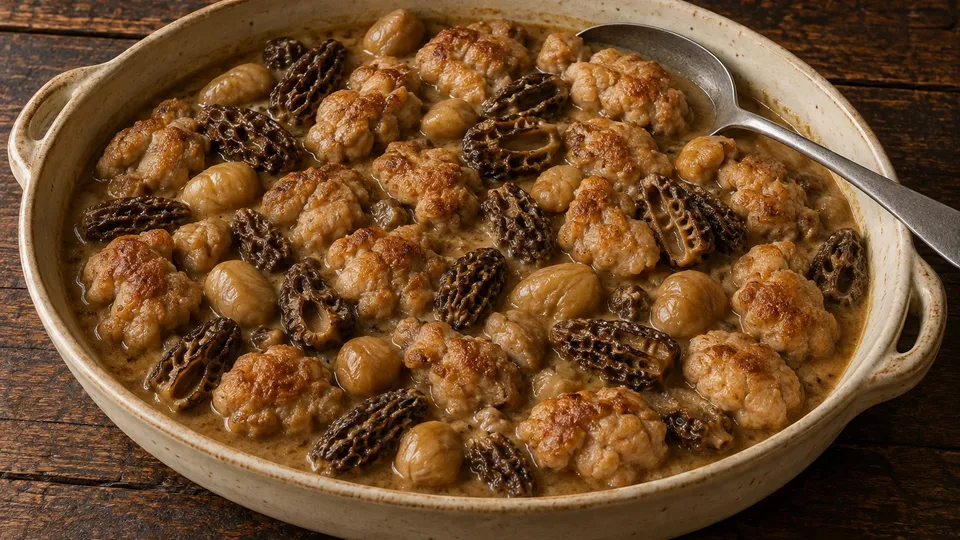
Brown Ragout of Sweetbreads (1769)
A brown ragout from a 1769 Amsterdam cookbook: veal sweetbreads floured, browned in butter and stewed with nutmeg, mace, morels and chestnuts, bound with egg.
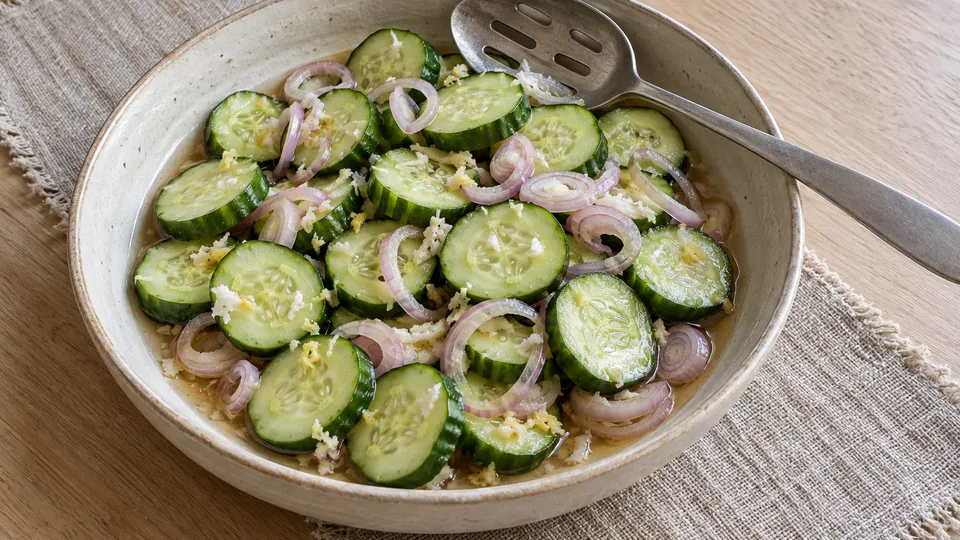
Cucumbers in Slices (1769)
Elizabeth Raffald’s sliced cucumbers, 1769: salted and drained with shallots, then dressed in malt vinegar with ginger, horseradish and mace.
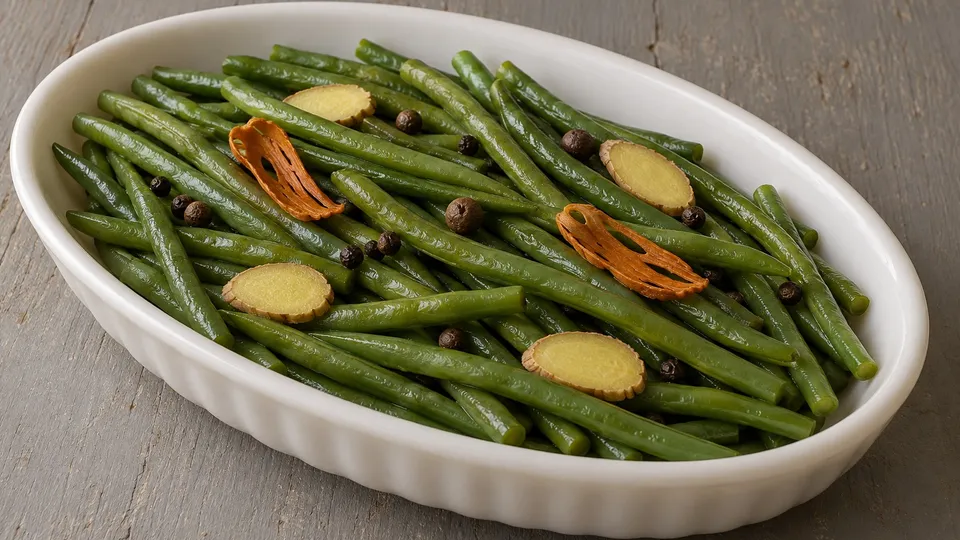
Green Beans in Spiced Vinegar (1769)
Raffald’s 1769 kidney beans made without her brass pan: young green beans boiled green, then dressed in spiced white wine vinegar.
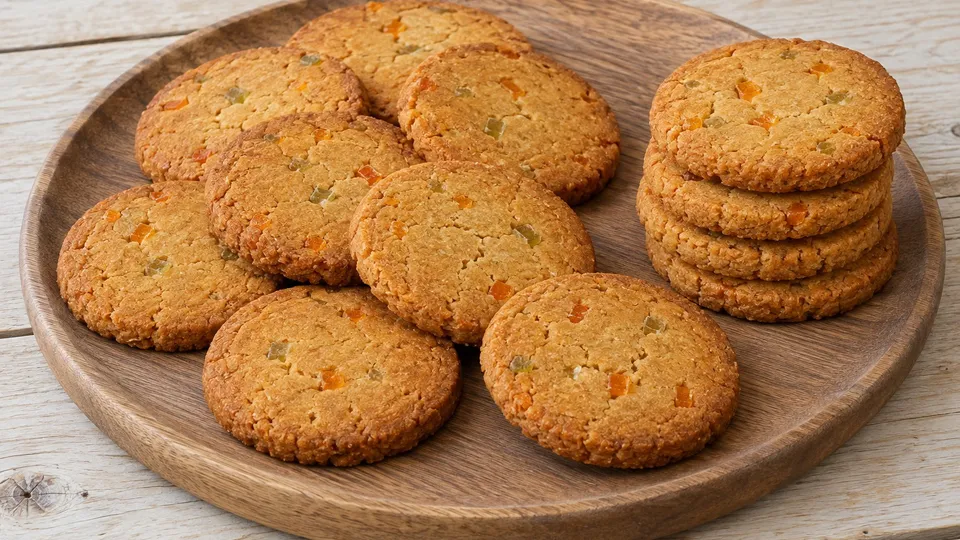
Hylikmaker, Spiced Honey Biscuits (1769)
Hylikmaker from a 1769 Amsterdam cookbook: flour, brown sugar and honey with candied orange and citron, cloves, nutmeg and cinnamon, rolled out and baked.
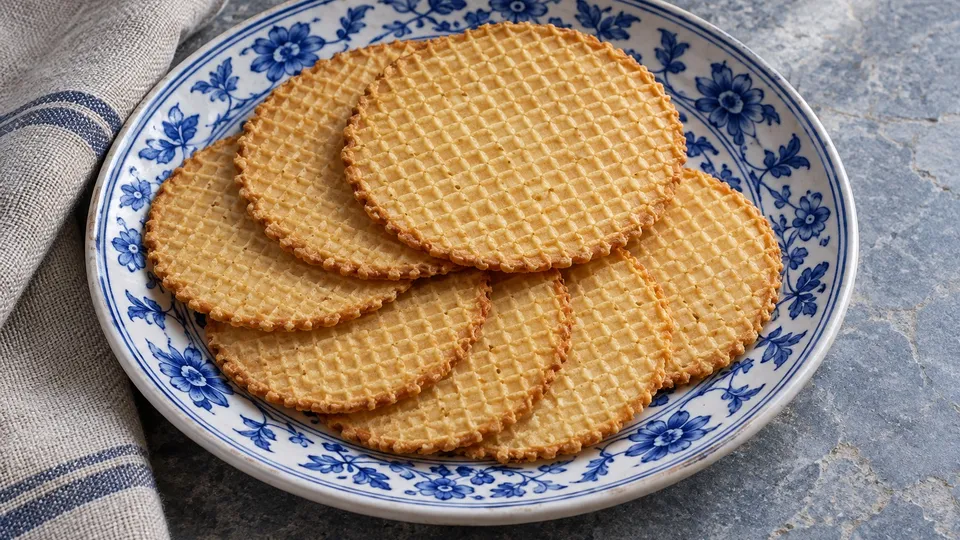
Kaneel Wafeltjes, Cinnamon Wafers (1769)
Cinnamon wafers from a 1769 Amsterdam cookbook: a butter dough of flour, sugar, cinnamon and egg, rolled into balls and pressed thin in a hot wafer iron.
What did people eat in the 18th century?
Bread, meat, peas and grain for most meals, with cakes and buns for company. Glasse’s book has both: plain soups and puddings beside Portugal Cakes with currants and sherry, rose water Shrewsbury Cakes and the spiced yeast buns called wigs.
What did sailors eat in the 18th century?
Salt beef and pork, biscuit, pease and whatever the ship’s stores added. On Cook’s Endeavour the men had sauerkraut on beef days and portable soup on banyan days, the days without meat. Glasse shows how to make the soup and how a ship’s cook put it into a pot of pease: our Portable Soup, Pease Soup for Sea and Suet Pudding for Sea.
What did people eat in colonial America?
What the English cookbooks they bought told them to, with New England’s corn beside it. The Boston tea table had wigs, biscuits and small cakes from books like Glasse’s, and New England had its own flat cakes of Indian meal; Amelia Simmons printed one as Johnny Cake in 1796.
What did poor people eat in the 1700s?
Bread, above all, and in the 1790s bread rose so far that, a London charity wrote, the earnings of many families went on it alone. That charity chose to sell ready-cooked soup instead of giving out food or fuel. Its Spitalfields Meat Soup of beef, shin, split peas, Scotch barley and onion went for a penny a quart, and buyers took more than 150,000 quarts in one winter.
What they drank with it
Forgotten Drink, our sister site, pours what the colonists drank beside these dishes, from beer, small beer and cider to punch, Dutch kandeel and French spruce beer, in its colonial drinks (opens in a new tab).