25 recipes
Gilded Age Recipes
Gilded Age recipes, 1868 to 1898: Dickens at Delmonico’s, the Waldorf’s breakfast, chafing-dish suppers, the Klondike trail and the army’s beef.
The Gilded Age takes its name from Mark Twain and Charles Dudley Warner’s novel of 1873, and these recipes run from 1868 to the war with Spain in 1898. At Delmonico’s in New York on April 18, 1868, the press gave Charles Dickens a dinner of oysters, asparagus cream à la Dumas and a fish named for Queen Victoria. The guest who wrote about it and the chef who printed the menu years later do not agree on that fish, as What Was Served When Dickens Dined at Delmonico’s in 1868? shows.
In New York the Waldorf’s breakfast card of April 22, 1896, priced fruit, cereal with cream, eggs, chops, hot breads and coffee line by line, and much of it was plain home food. What Did People Eat for Breakfast in the 1890s? reads the card. At home, one hot dish cooked at the table beside a cold salad made ahead was a chafing-dish supper. And in an 1889 novel written for a real New York charity, schoolgirls swore off bought candy to pay for a poor boy’s keep, which is the story of the Total Abstinence Candy Society.
Further west, Vicenta Labadie de Chaves of New Mexico sent her tamales, in Spanish, to the Chicago World’s Fair cookbook of 1893, where half the method landed 118 pages from the rest (What Did the Southwest’s Tamales Look Like in Print?). In 1897 a trail meal of beans and bacon cost 75 cents on the way to the Klondike and $3.50 in Dawson: What Did Klondike Stampeders Eat on the Trail? The period ends with a general’s charge that the army’s beef was embalmed, which the Dodge Commission answered in February 1899: What Was the ‘Embalmed Beef’ Scandal of 1898?
What Was Served When Dickens Dined at Delmonico’s in 1868?
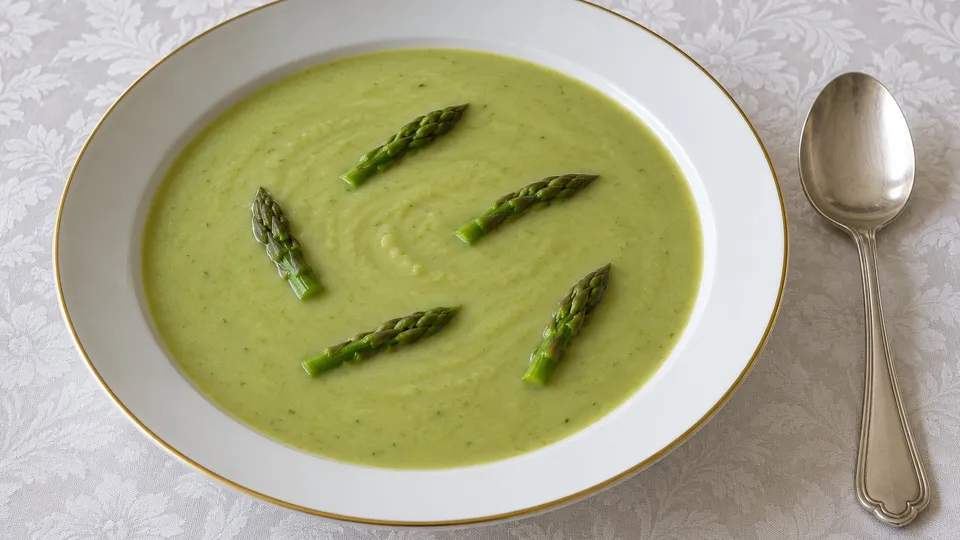
Cream of Asparagus Soup (1894)
Delmonico’s cream of asparagus from Ranhofer’s Epicurean (1894): asparagus fried in butter, sieved with broth and velouté, finished with egg yolks and cream.
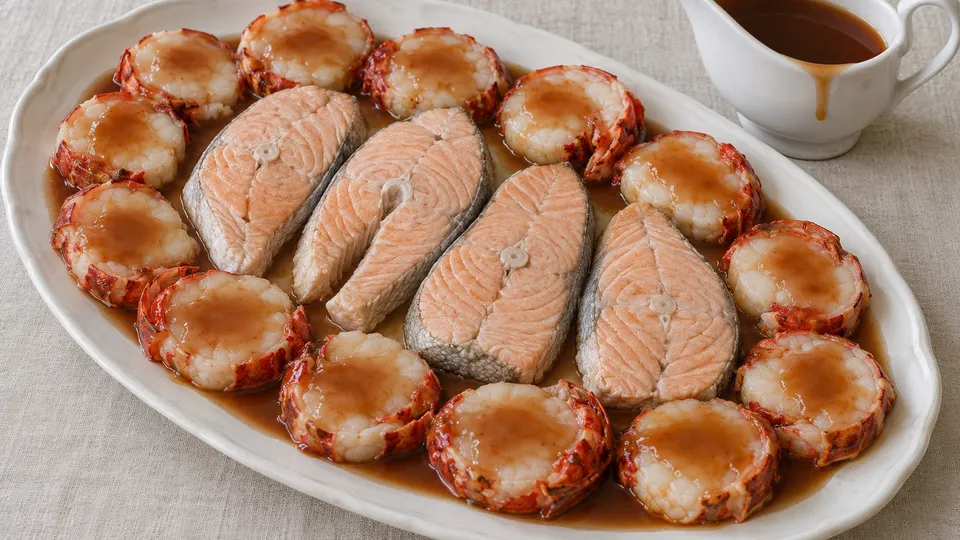
Salmon à la Victoria (1894)
Salmon slices cooked in a ham and vegetable stock with red wine, the stock reduced to a buttered sauce, served with lobster: Ranhofer’s Epicurean, 1894.
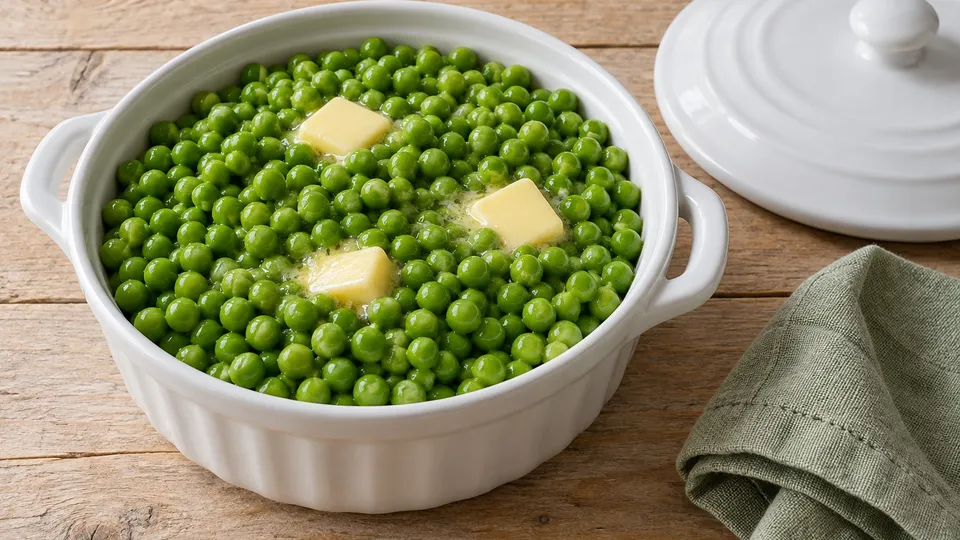
Green Peas, English Style (1894)
Green peas boiled with a few mint leaves, then tossed with salt, sugar and pats of butter: Ranhofer’s petits pois à l’Anglaise from The Epicurean, 1894.
What Did a Total Abstinence Candy Society Eat Instead?
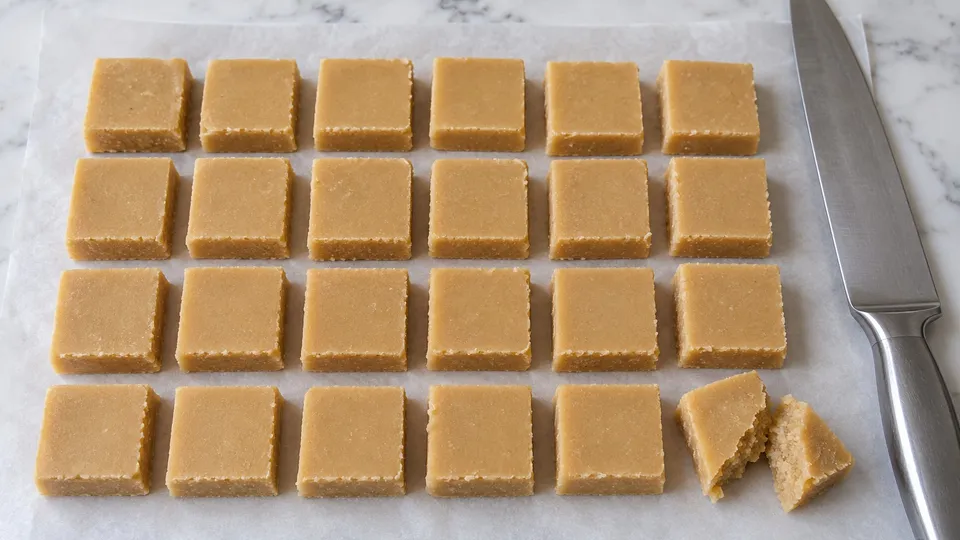
Maple Cream Candy (1884)
Maple cream candy after the one a Chicago candy maker sold over the counter in 1884: maple syrup boiled to a soft ball, cooled and stirred until pale and creamy, then set in a pan and cut into squares.
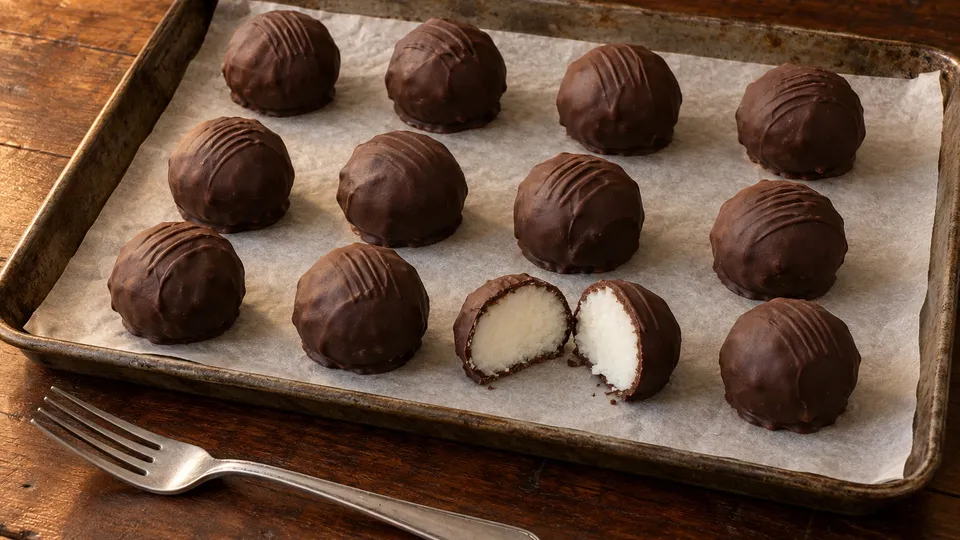
Chocolate Cream Drops (1884)
Balls of soft white fondant dipped in sweet chocolate melted with a little ground cinnamon, after the chocolate cream drops in an 1884 Chicago candy maker’s trade manual.
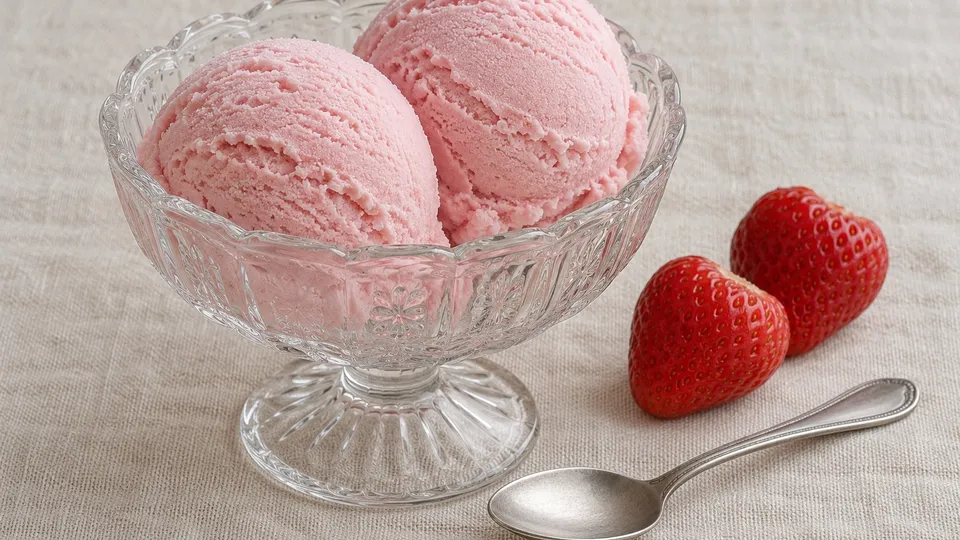
Strawberry Ice Cream (1896)
Fannie Merritt Farmer’s strawberry ice cream, from her Boston Cooking-School Cook Book of 1896: fresh berries sugared, mashed and sieved, folded into a light cream base thickened with a little arrowroot.
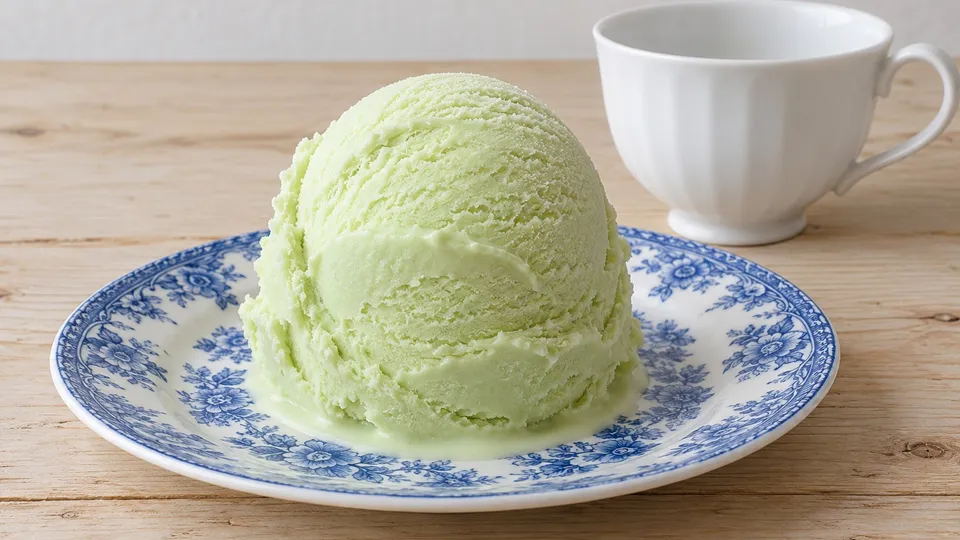
Pistachio Ice Cream (1896)
Pistachio ice cream with no pistachios in it: a pale green custard ice cream flavored with vanilla and almond, after Fannie Merritt Farmer’s Boston Cooking-School Cook Book of 1896.
What Did the Southwest’s Tamales Look Like in Print?
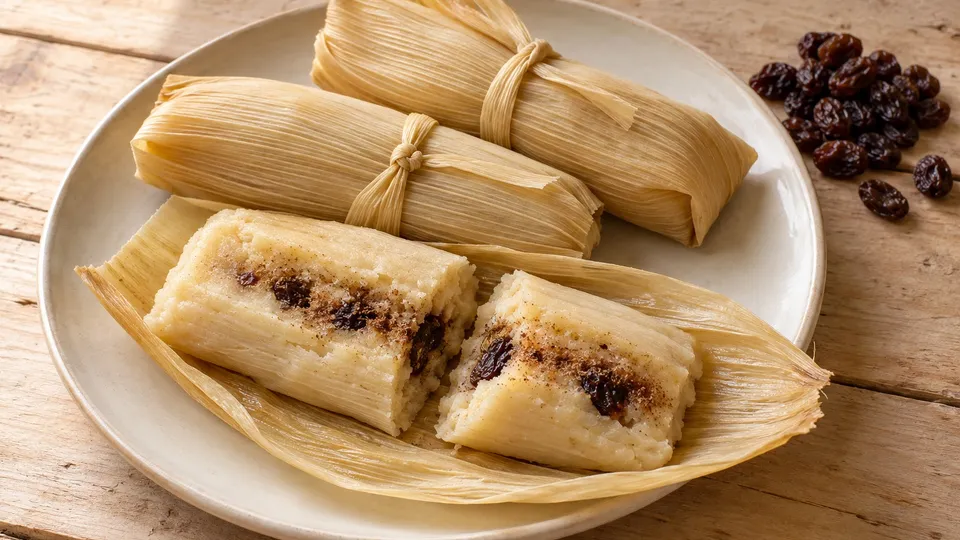
Tamales de Dulce (1893)
Tamales de dulce, sweet corn tamales from New Mexico: masa beaten until it floats, enriched with lard and sugar, filled with ground cinnamon and raisins, tied in husks and steamed, from Vicenta Labadie de Chaves’s recipe of 1893.
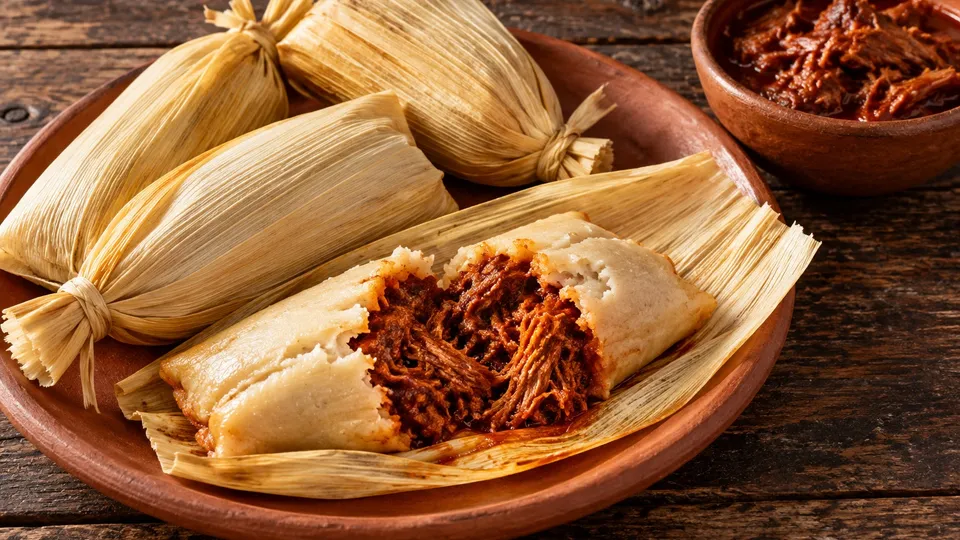
Tamales de Chile (1893)
Tamales de chile from Vicenta Labadie de Chaves’s New Mexican recipes of 1893: pork cooked in red chile and salt, on the same beaten masa as the sweet tamales they refer back to.
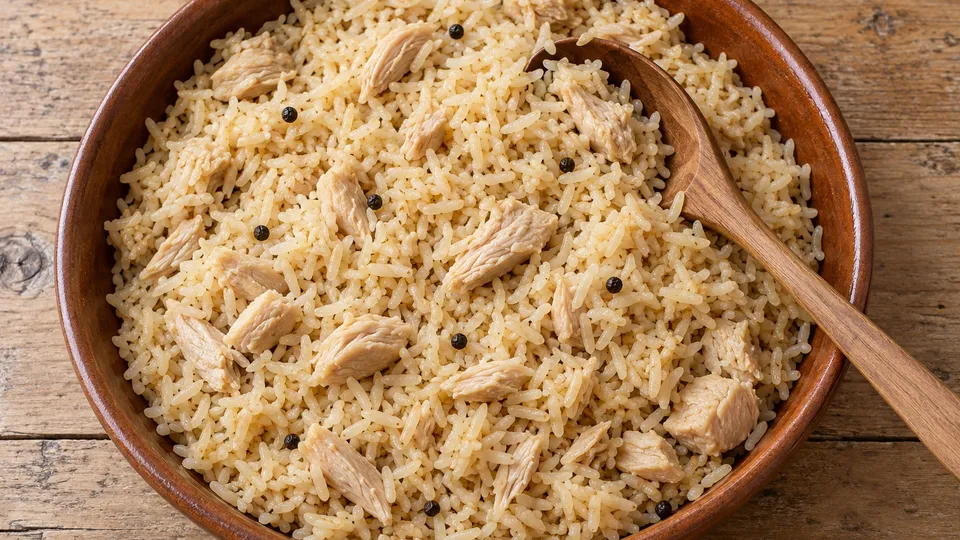
Pollo con Arroz (1893)
Pollo con arroz from Vicenta Labadie de Chaves’s New Mexican recipe of 1893: chicken boiled until tender, folded into rice fried with onion in lard and cooked in the strained broth with whole peppercorns.
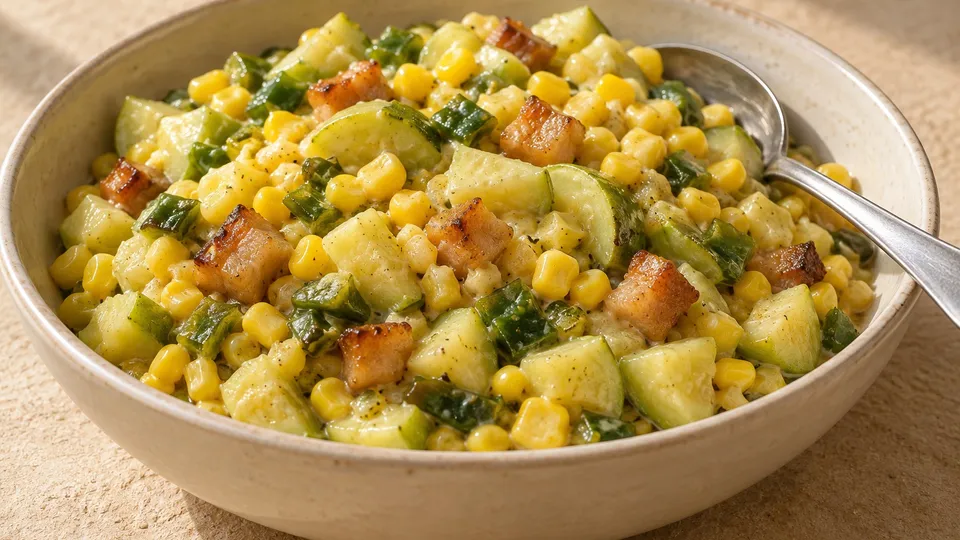
Calabacitos con Chile Verde (1903)
Calabacitos con chile verde from the Spanish-American chapter of the 1903 Landmarks Club Cook Book: summer squash, corn and fresh green chile fried with salt pork and onion, cooked down dry and finished with a little cream.
What Did a Chafing-Dish Supper Serve?
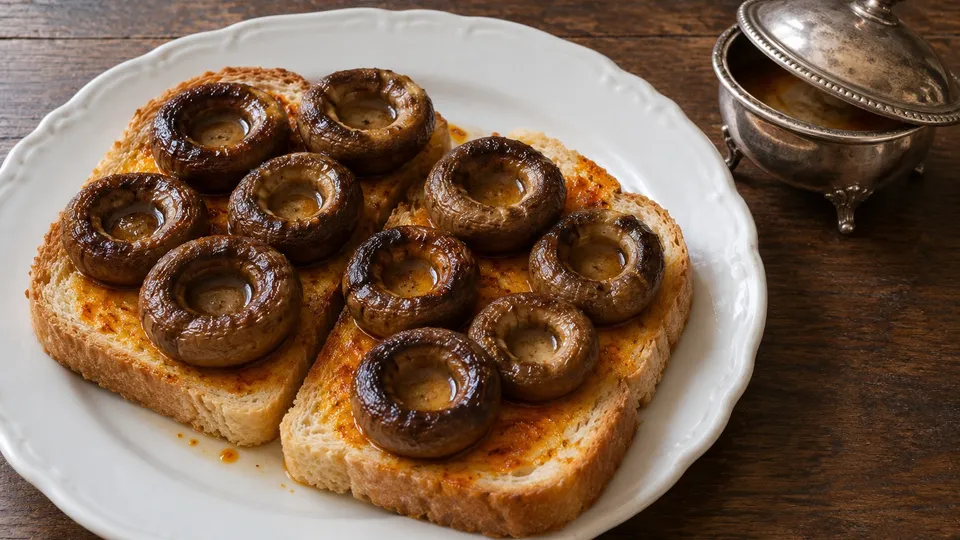
Mushrooms on Toast (1896)
Mushrooms on toast, the bachelor’s chafing-dish supper from Deshler Welch, 1896: caps browned under a lid in olive oil with paprika, on bread warmed in the same pan.
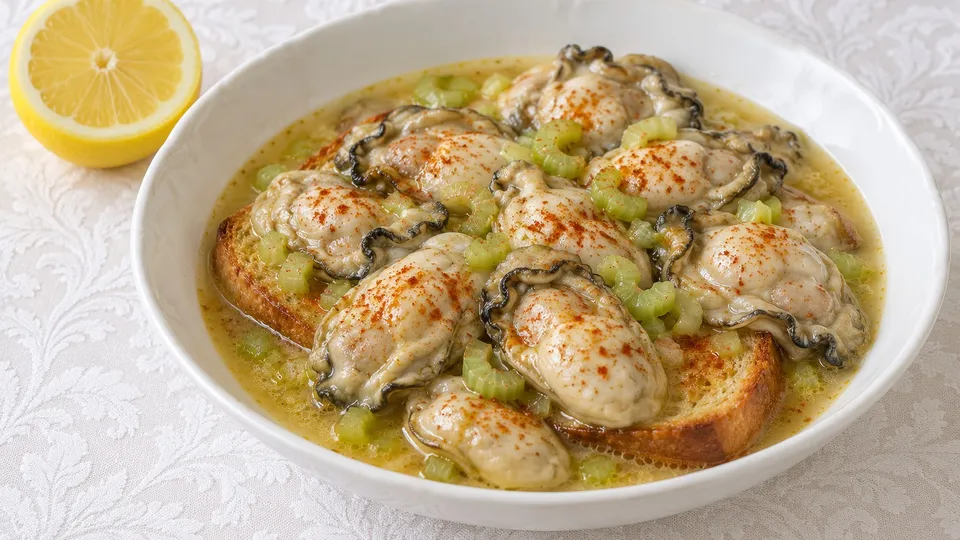
Chafing-Dish Oysters (1896)
Chafing-dish oysters à la George Trimble Davidson, 1896: oysters warmed in butter and their liquor with celery, paprika, Tabasco, lemon and sherry, poured over hot toast.
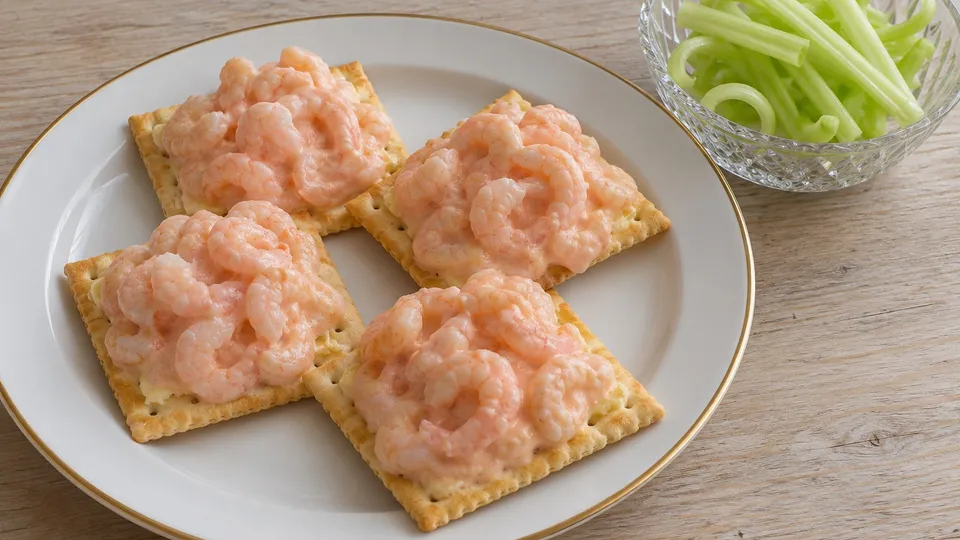
Cosmos Club Shrimps (1914)
Cosmos Club shrimps, a Midnight Feasts spread of 1914: cooked shrimps heated in a cream sauce tinted pink with tomato and sharpened with cayenne and lemon, on hot buttered crackers.
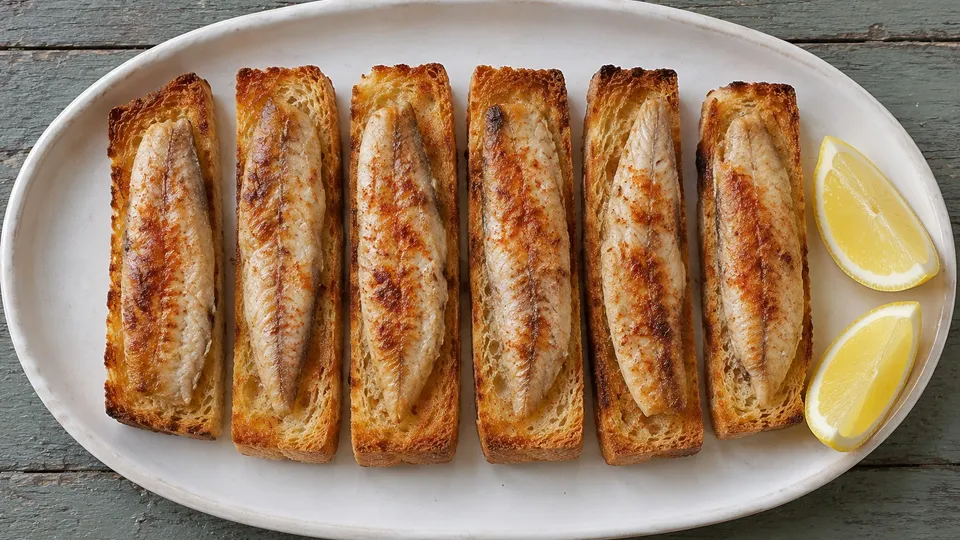
Grilled Sardines on Toast (1914)
Grilled sardines on toast, a Midnight Feasts chafing-dish spread of 1914: boneless sardines turned once in hot olive oil, seasoned with salt, cayenne and lemon, on narrow strips of toast.
What Did People Eat for Breakfast in the 1890s?
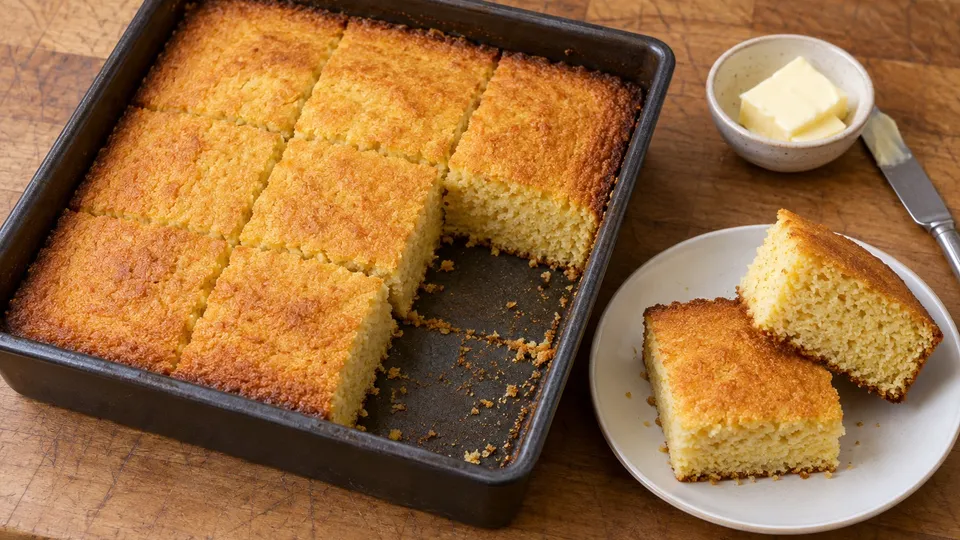
Golden Corn Cake (1896)
Golden corn cake, Fannie Farmer’s sweetened cornbread of 1896: yellow cornmeal, wheat flour, milk and one egg, baked in a shallow pan in twenty minutes.
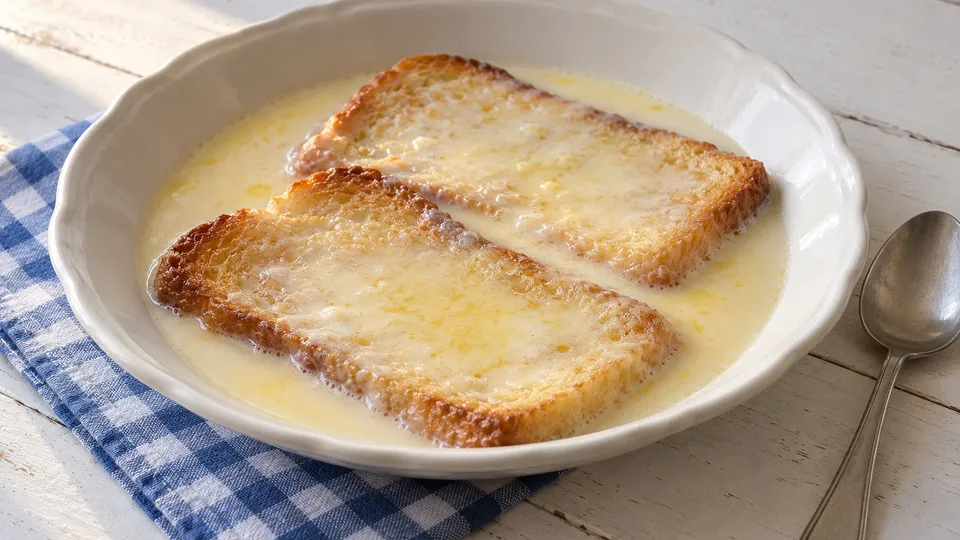
Milk Toast (1896)
Milk toast as Fannie Farmer made it in 1896: dry toast dipped slice by slice in a milk sauce cooked for twenty minutes, then covered with the rest of the sauce.
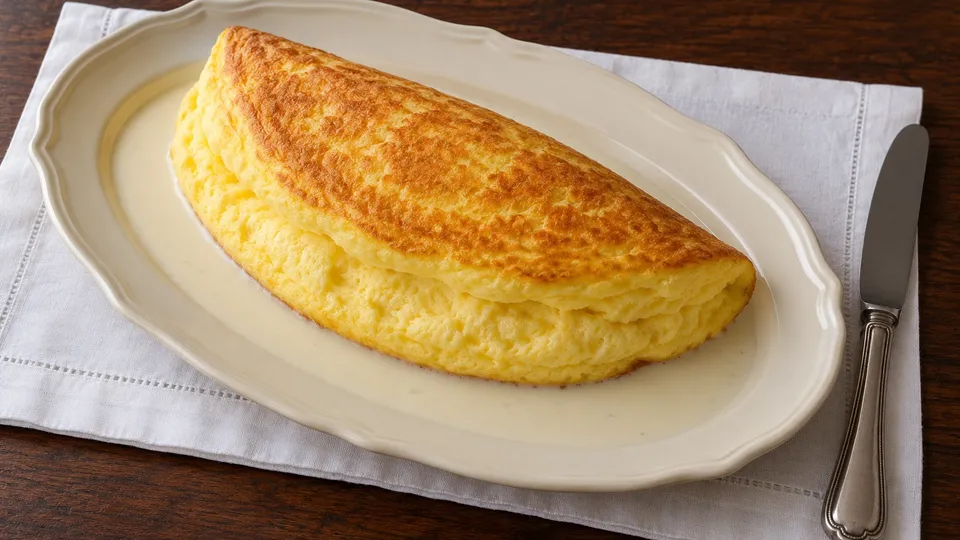
Plain Omelet with White Sauce (1896)
Plain omelet the 1896 way: Fannie Farmer’s puffed omelet of separately beaten eggs, browned slowly, finished in the oven and folded onto a thin white sauce.
What Did Klondike Stampeders Eat on the Trail?
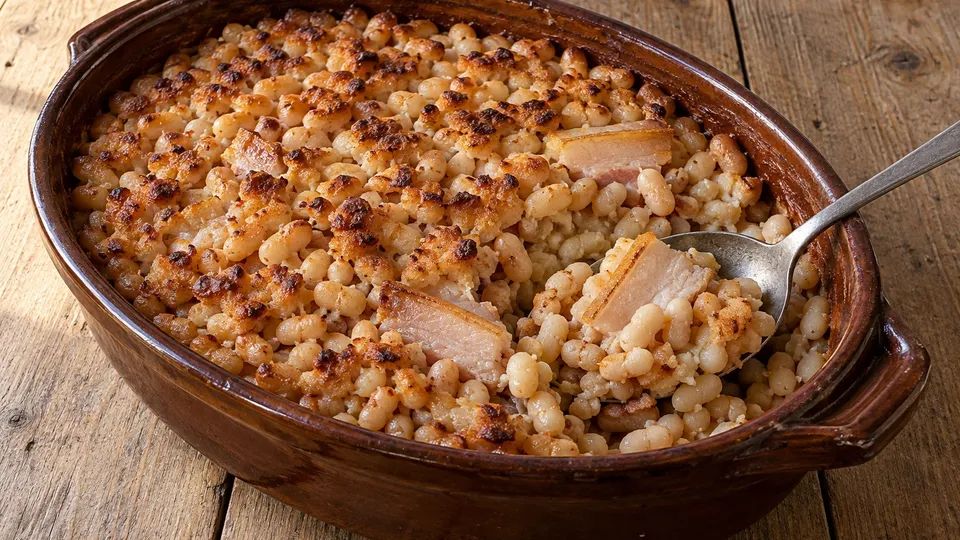
Baked Pork and Beans (1896)
Baked pork and beans after the War Department’s Manual for Army Cooks, 1896: navy beans soaked overnight, boiled, layered with parboiled salt pork and baked slowly until nearly dry.
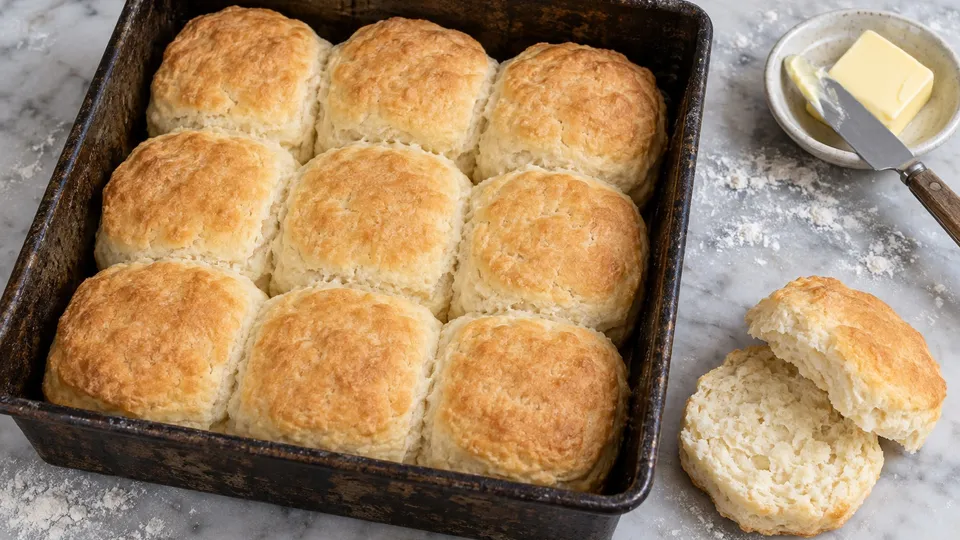
Baking-Powder Biscuits (1896)
Plain baking-powder biscuits of flour, salt and a little lard, rolled thick and baked close together, from the War Department’s Manual for Army Cooks, 1896.
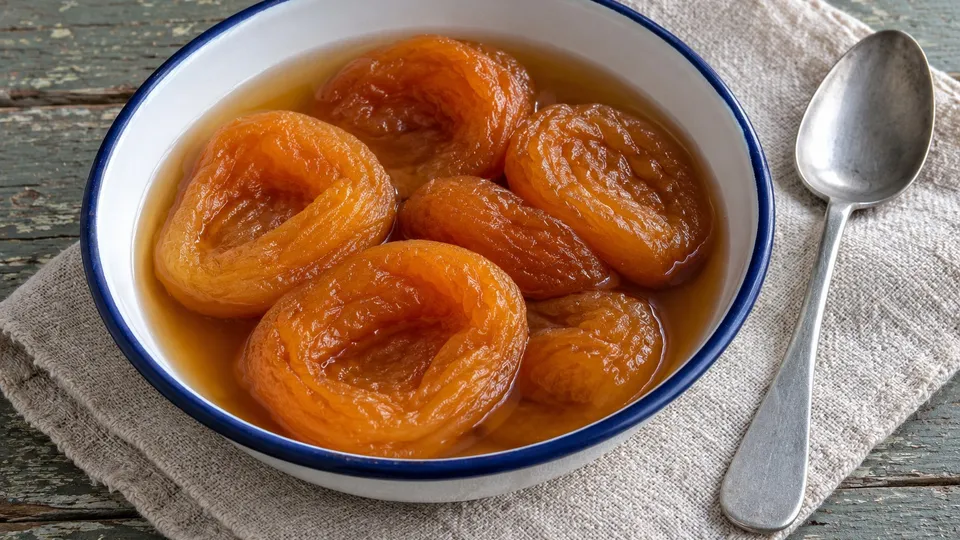
Stewed Dried Peaches (1896)
Stewed dried peaches from the War Department’s Manual for Army Cooks, 1896: soaked overnight, simmered under a lid, sweetened at the end and served cold.
What Was the ‘Embalmed Beef’ Scandal of 1898?
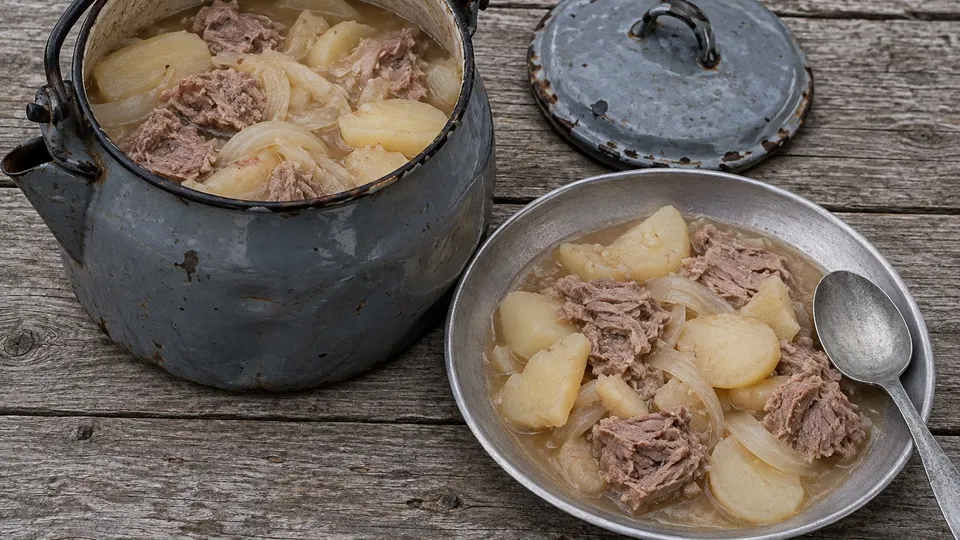
Stew with Canned Meat (1896)
A stew with canned meat from the 1896 Manual for Army Cooks: sliced potatoes and onions stewed soft in a covered pot, then canned beef cut up and simmered in for ten minutes.
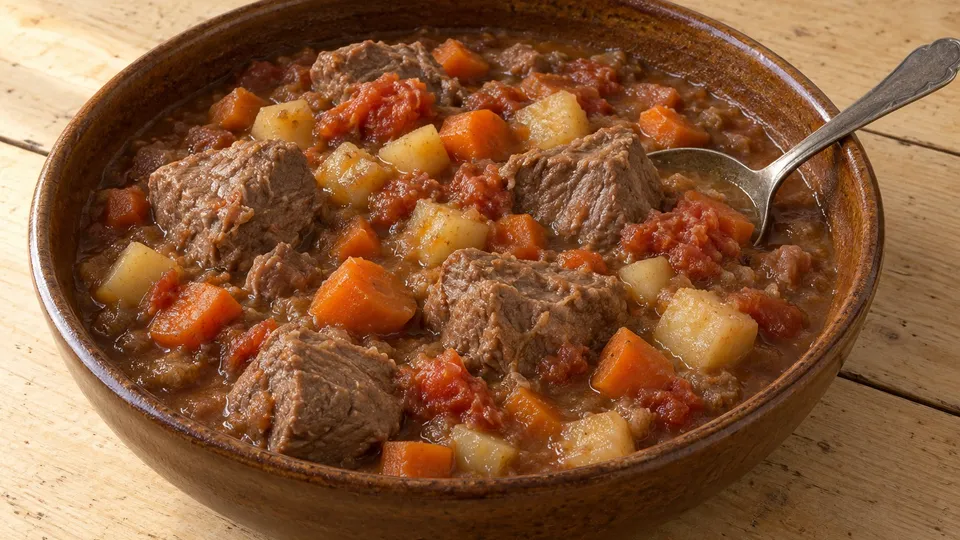
Fresh Beef Stew (1896)
A fresh beef stew from the 1896 Manual for Army Cooks: stewing beef simmered two hours with bay, then an hour more with potatoes, tomatoes, onions and carrots, kept thick.
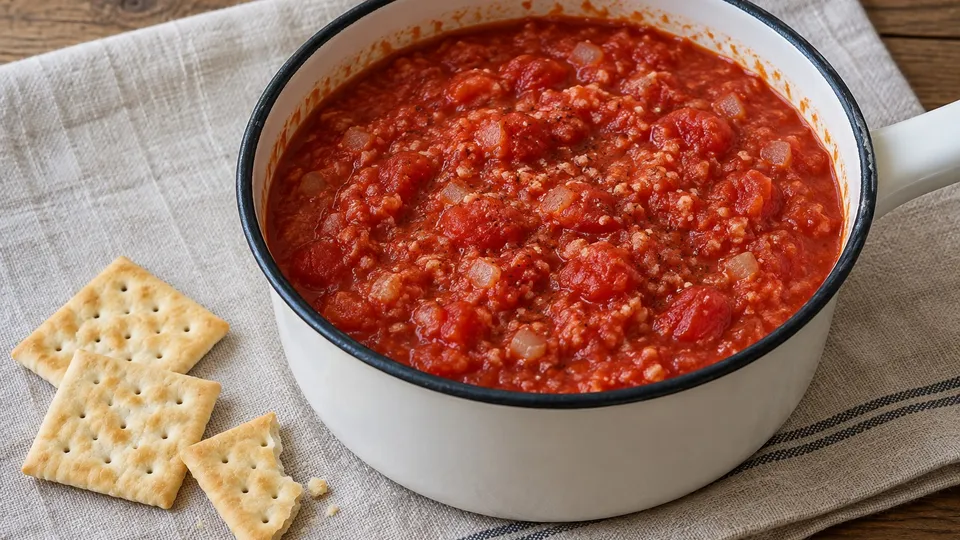
Stewed Tomatoes (1896)
Stewed tomatoes from the army’s 1896 Manual for Army Cooks: peeled ripe tomatoes stewed gently with butter, salt, pepper and a little onion, then thickened with rolled cracker.
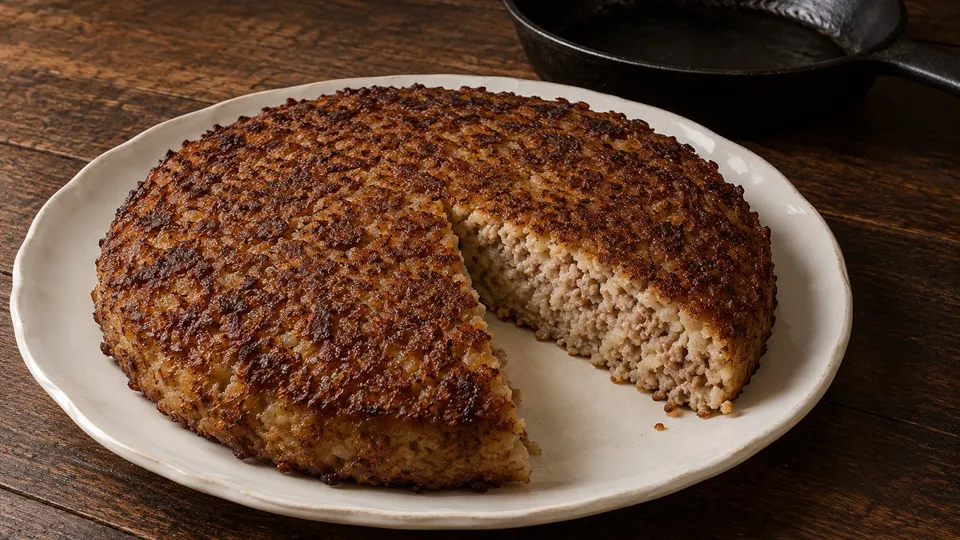
Dry Beef Hash (1896)
Dry beef hash from the 1896 Manual for Army Cooks: cold cooked beef, potato and parboiled onion minced, moistened with stock and fried in dripping until brown underneath.