16 recipes
Regency-Era Recipes
Recipes from 1800 to 1837: Paris restaurants after Waterloo, Grimod’s tasting jury, the first Burns supper and Accum’s warning about poisoned pickles.
Between Marengo in 1800 and Victoria’s accession in 1837, much of the cooking on this page is French. Antoine Beauvilliers printed his suprême of chicken and his Soubise cutlets in 1814, and in July 1815, three weeks after Waterloo, John Cam Hobhouse found Véry’s restaurant “very full of red coats”. None of that records what anyone ate, and Where Did the Victors Dine in Paris After Waterloo? keeps the dinners and the recipes apart.
A decade earlier Grimod de la Reynière had the food trades send him samples carriage paid, judged them before a weekly jury and printed the verdicts. That is the subject of What Did Grimod’s Tasting Jury Judge in 1805? The battle of Marengo lent its name to a chicken dish, though no record from 1800 says Bonaparte’s cook invented it, and the recipes under the name are later: Was Chicken Marengo Really Cooked on the Battlefield?
In Scotland in the summer of 1801, nine men dined in the Alloway cottage where Robert Burns had been born. No full menu of the first Burns supper survives, and later accounts name a haggis and a sheep’s head. And in London in 1820 Fredrick Accum warned of poisons cooks added at home, cherry-laurel leaves in custards and copper or brass to turn pickles green. What Was in the Pot Accum Warned About in 1820? pairs his warnings with safe custards and pickles of the time. Several recipes come from books printed later in the century, and their pages say so.
Was Chicken Marengo Really Cooked on the Battlefield?
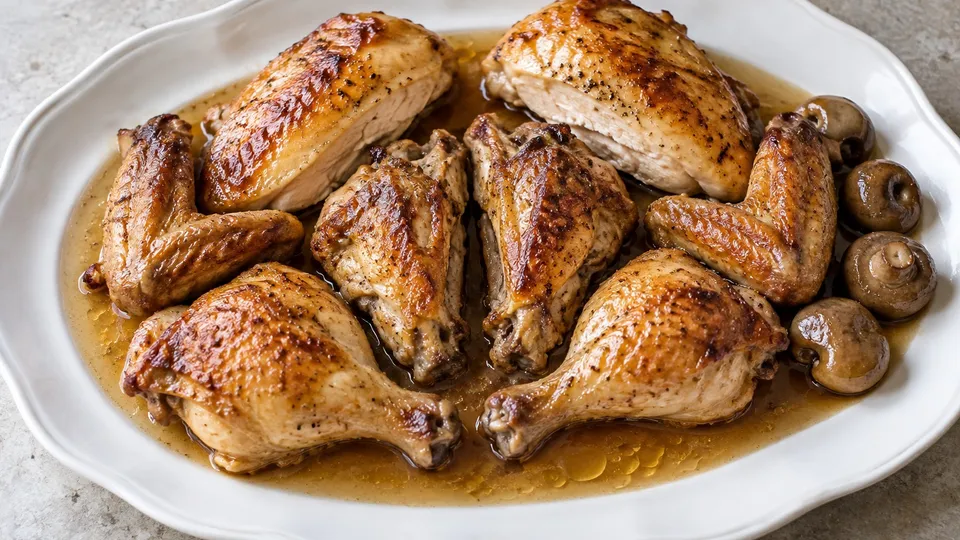
Chicken à la Marengo (1868)
Gouffé’s 1868 chicken à la Marengo: chicken fried in oil with shallots, garlic and herbs, with a glossy pan sauce of flour and broth.
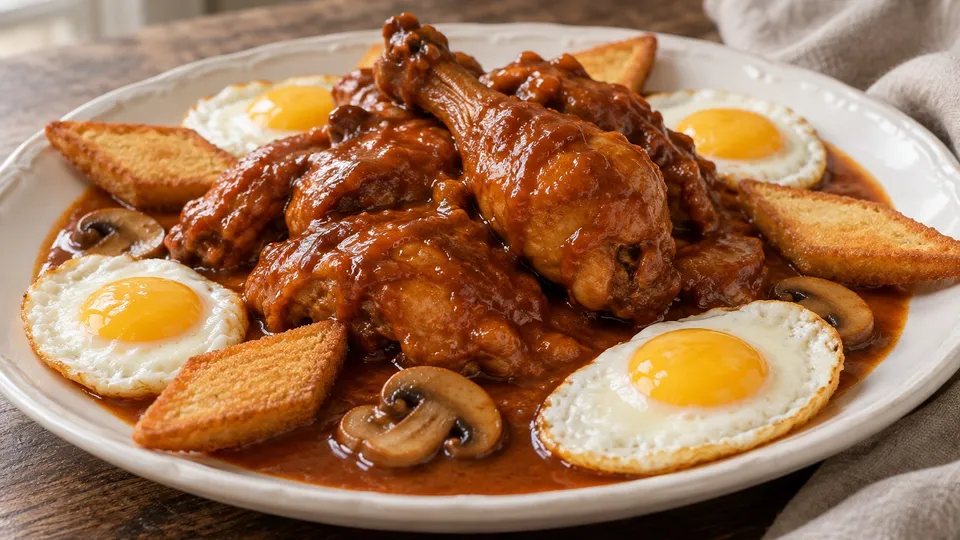
Chicken Marengo with Fried Eggs (1890)
Agnes Marshall’s 1890 chicken Marengo with fried eggs: chicken with onions, bacon, tomatoes, sherry and brown sauce, served with the eggs and kite-shaped croûtons.
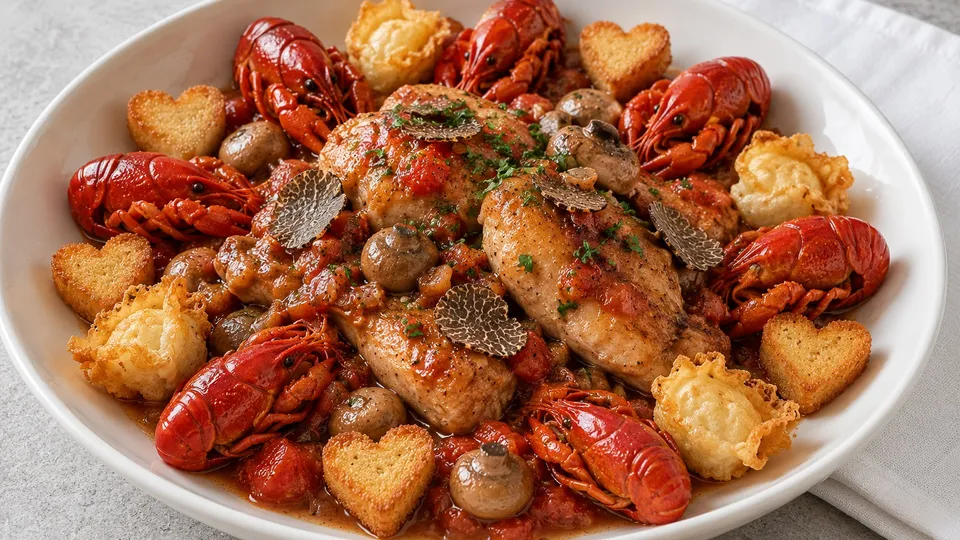
Chicken Marengo with Crayfish (1907)
Escoffier’s 1907 chicken Marengo with crayfish: chicken sautéed in oil with white wine, tomato and mushrooms, garnished with croûtons, fried eggs and the crayfish.
What Was Served at the First Burns Supper?
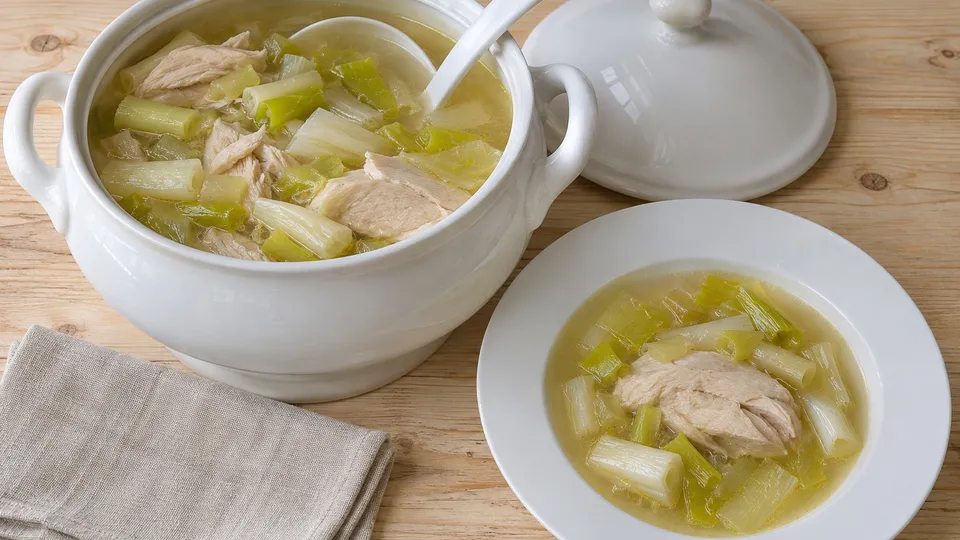
Cock-a-Leekie (1861)
Isabella Beeton’s 1861 cock-a-leekie: a whole fowl simmered in beef stock with leeks added in two lots, carved into the tureen,, the soup very thick of leeks.
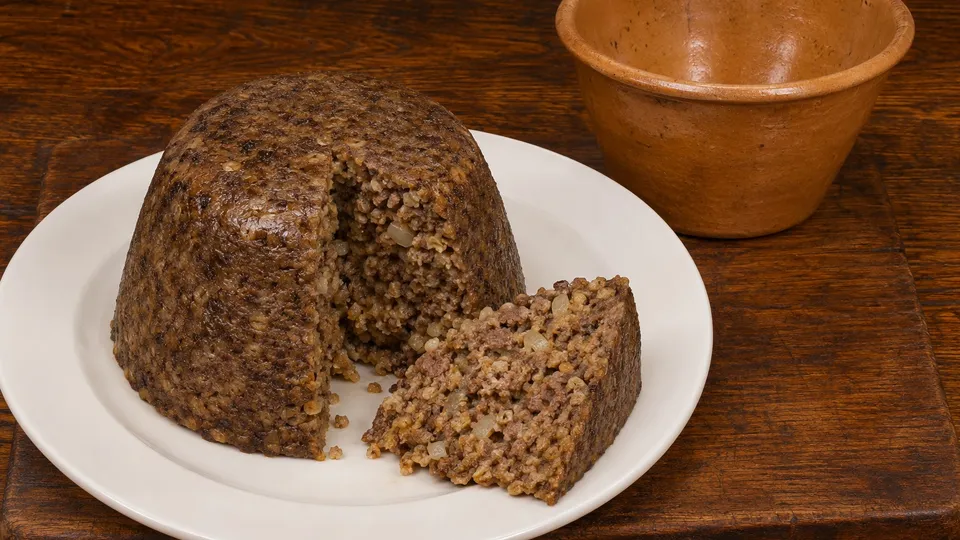
Scotch Haggis Pudding (1822)
Mrs. Maciver’s 1787 haggis as William Kitchiner printed it in 1822: heart, liver, beef, suet, onion and toasted oatmeal with a little stock, steamed in a basin.
What Did Grimod’s Tasting Jury Judge in 1805?
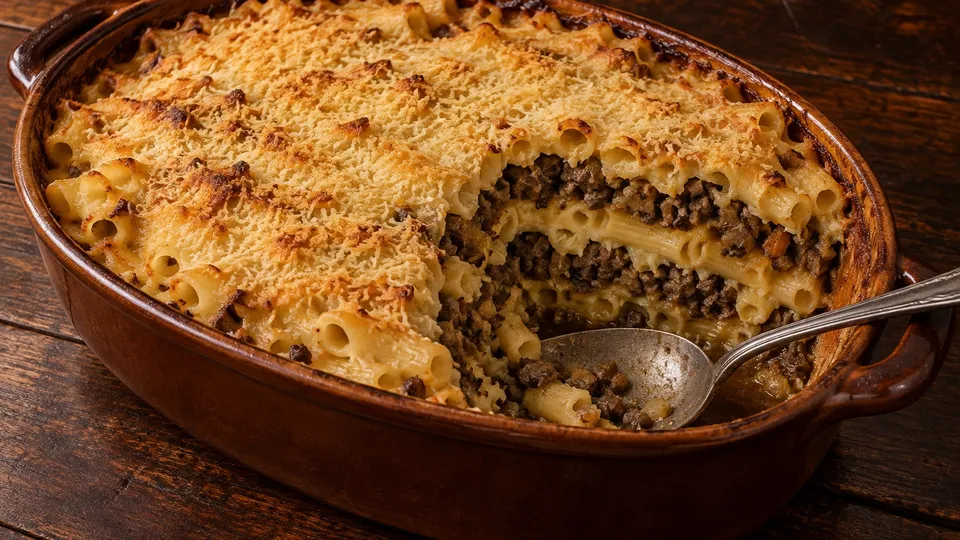
Potage à la Camerani (1805)
Potage à la Camerani, 1805: macaroni, chopped chicken livers cooked in butter with celery and pot vegetables, and grated Parmesan, layered in the dish and simmered.
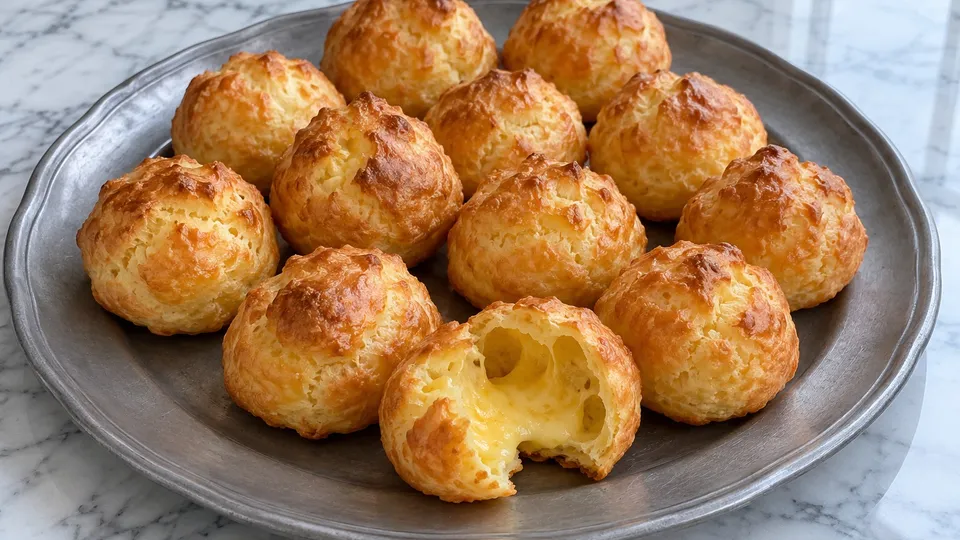
Cheese Ramequins (1827)
Louis Eustache Ude’s cheese ramequins: choux paste beaten with eggs, a spoonful of Parmesan and diced Swiss cheese, dropped in small mounds and baked until puffed.
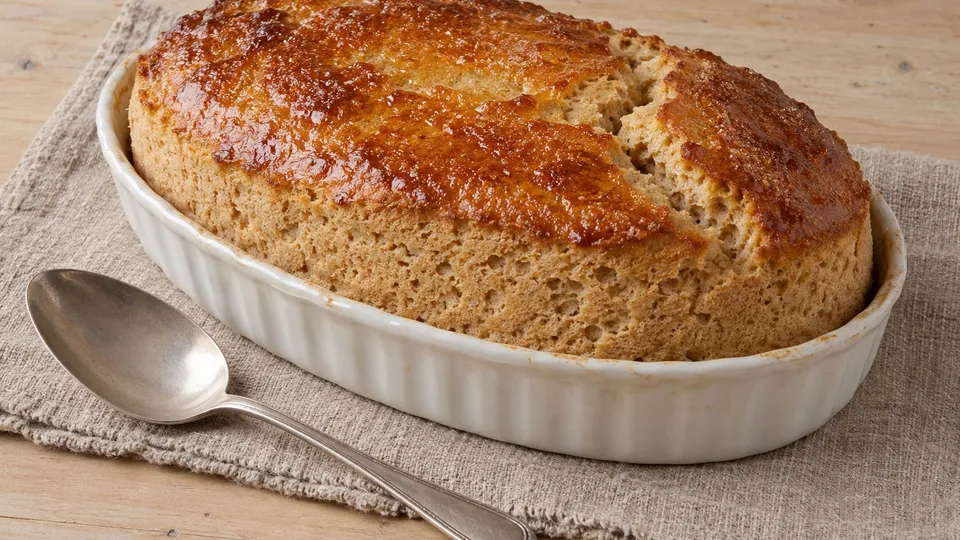
Chestnut Soufflé Omelette (1805)
Grimod’s chestnut soufflé omelette, 1805: a sweet cream of chestnut flour, egg yolks, milk, butter and sugar, cooked thick, folded into beaten whites and baked until risen.
Where Did the Victors Dine in Paris After Waterloo?
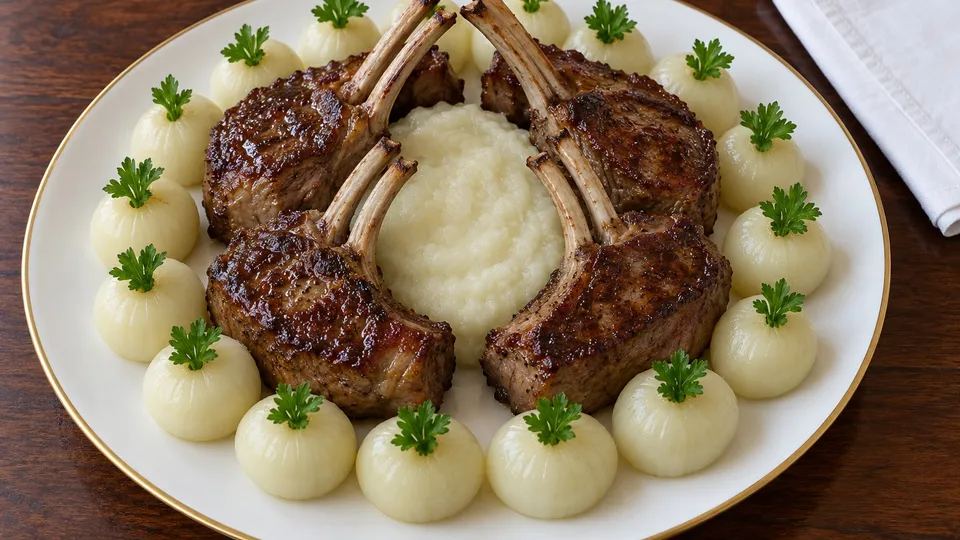
Lamb Cutlets à la Soubise (1814)
Lamb cutlets à la Soubise from Beauvilliers’s L’Art du cuisinier, 1814: double-rib cutlets larded with ham, braised, glazed in their own reduced liquor and ringed around a white onion purée.
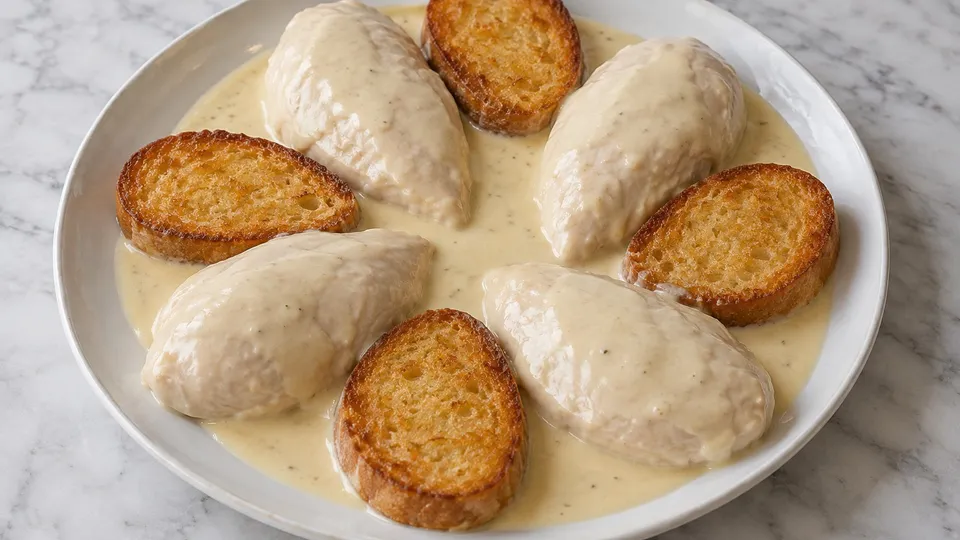
Chicken Suprême (1814)
Beauvilliers’s chicken suprême, 1814: breasts cooked white in butter and set in a crown with fried croûtons, under a sauce of reduced stock, velouté and butter.
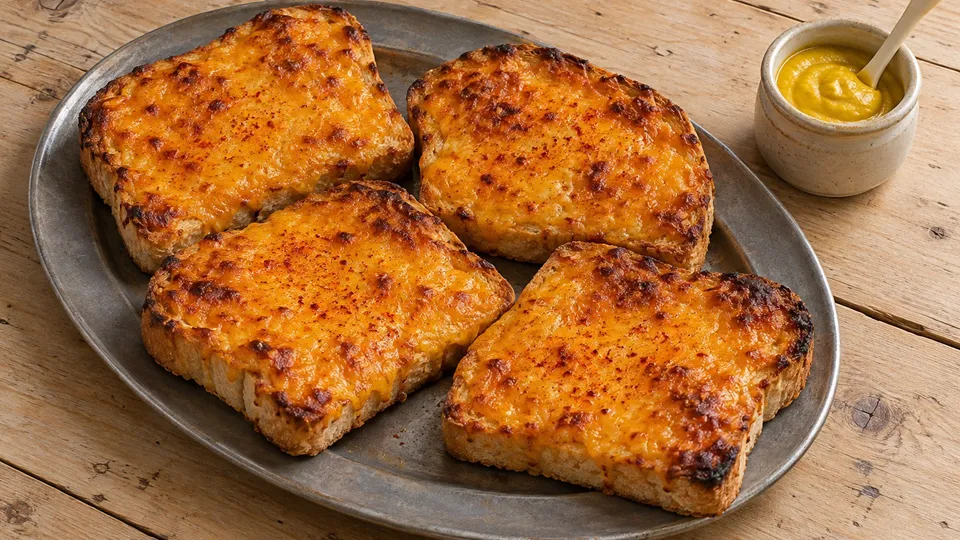
Welsh Rabbit (1814)
Gloucester cheese melted with a little water and Cayenne, spread on toast, browned and served with English mustard: a Paris restaurateur’s Welsh rabbit, 1814.
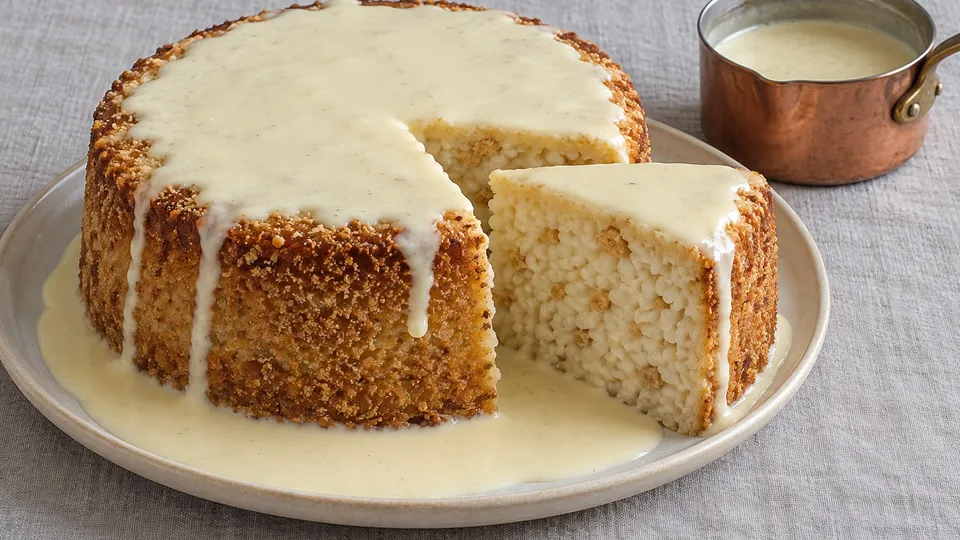
Rice Pudding with Macaroons (1814)
Beauvilliers’s rice pudding with macaroons, 1814: rice cooked firm in lemon milk, mixed with crushed bitter macaroons and eggs, baked in a mold and masked with an orange-flower cream sauce.
What Was in the Pot Accum Warned About in 1820?
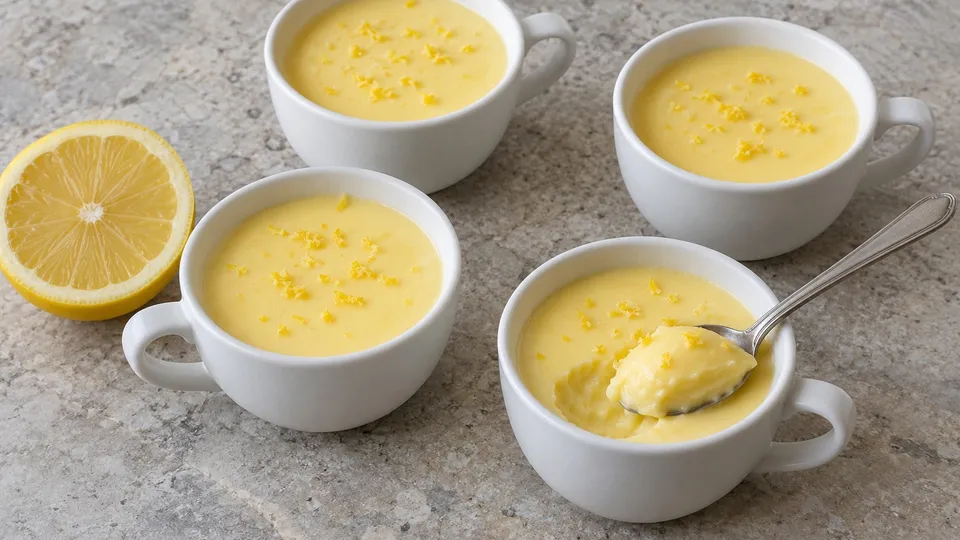
Lemon Custards (1806)
Maria Rundell’s lemon custards, 1806: egg yolks thickened with boiling water, grated lemon rind and sweetened juice, set in cups and eaten cold.
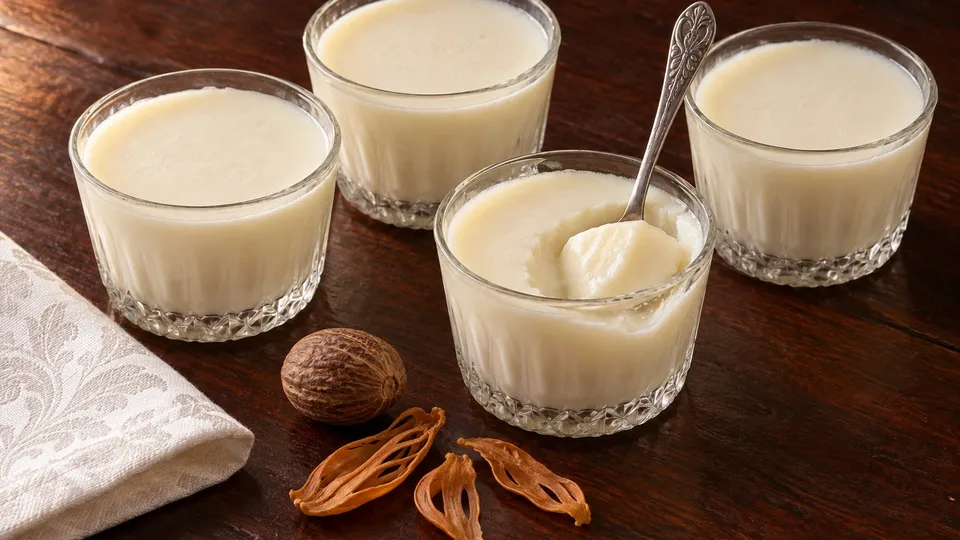
Arrowroot Blancmange (1837)
Eliza Leslie’s arrow root blanc-mange, Philadelphia, 1837: milk steeped with lemon, nutmeg and mace, strained, sweetened and set with arrowroot.
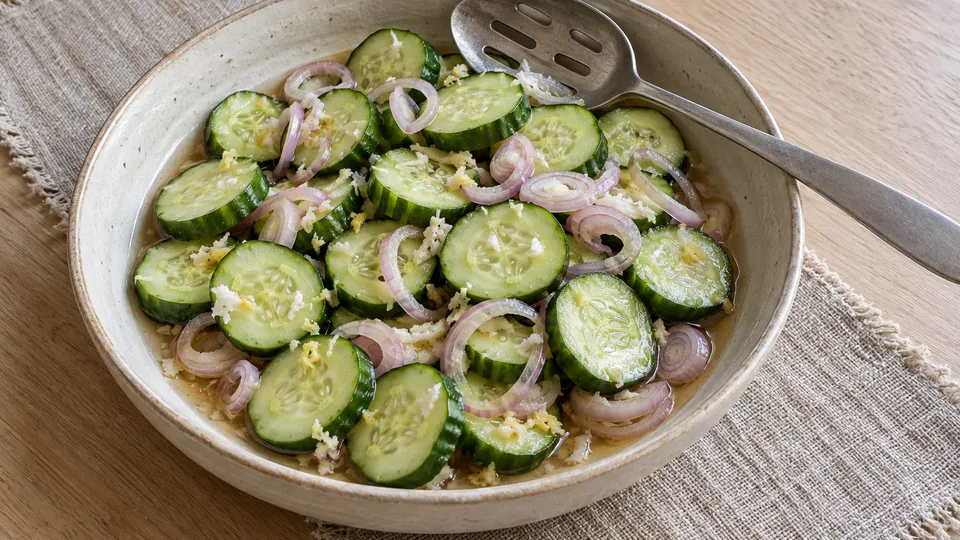
Cucumbers in Slices (1769)
Elizabeth Raffald’s sliced cucumbers, 1769: salted and drained with shallots, then dressed in malt vinegar with ginger, horseradish and mace.
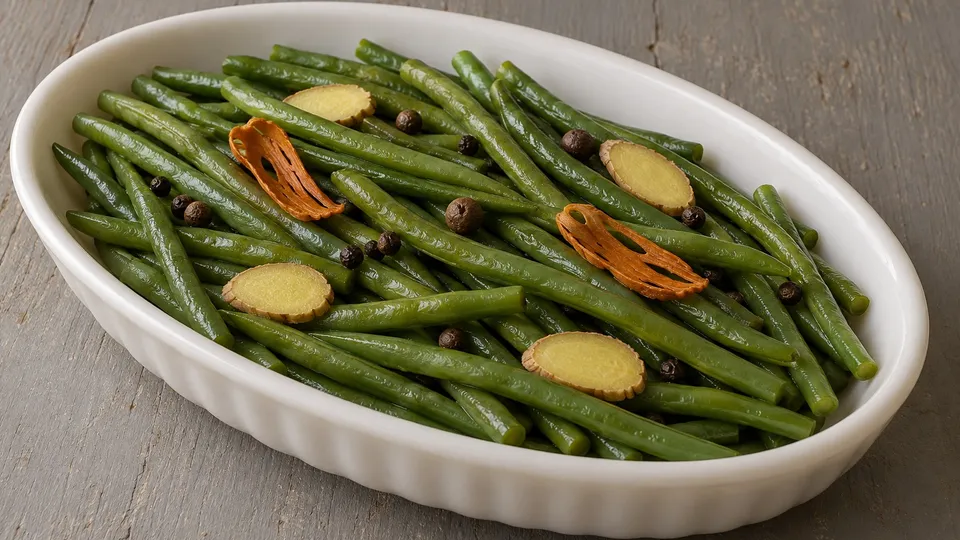
Green Beans in Spiced Vinegar (1769)
Raffald’s 1769 kidney beans made without her brass pan: young green beans boiled green, then dressed in spiced white wine vinegar.