Recipes
Dishes from history’s famous tables, from the old menus and cookbooks. Each one names its source and scales to the size of your table.
Dishes from history’s famous tables.
61–72 of 213 recipes
Matching articles:
Try a different ingredient or recipe name, or use Clear filters above to see the full collection.
Recipes could not be loaded. or browse this collection page without filters.
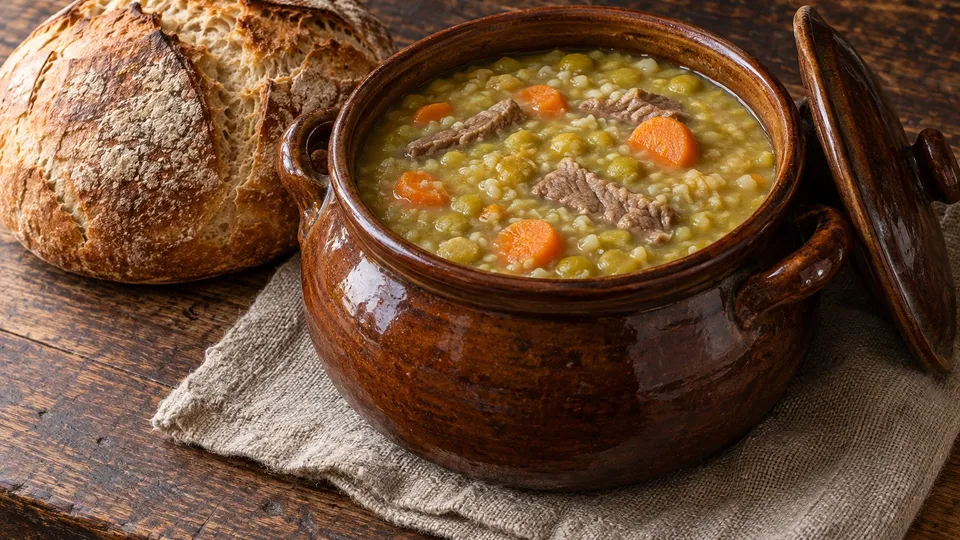
Baked Soup for the Poor (1806)
Maria Rundell’s baked soup for the poor, 1806: sliced meat, split peas, a little rice, onions and carrots, covered close in an earthen pot and baked slowly, made to give away.
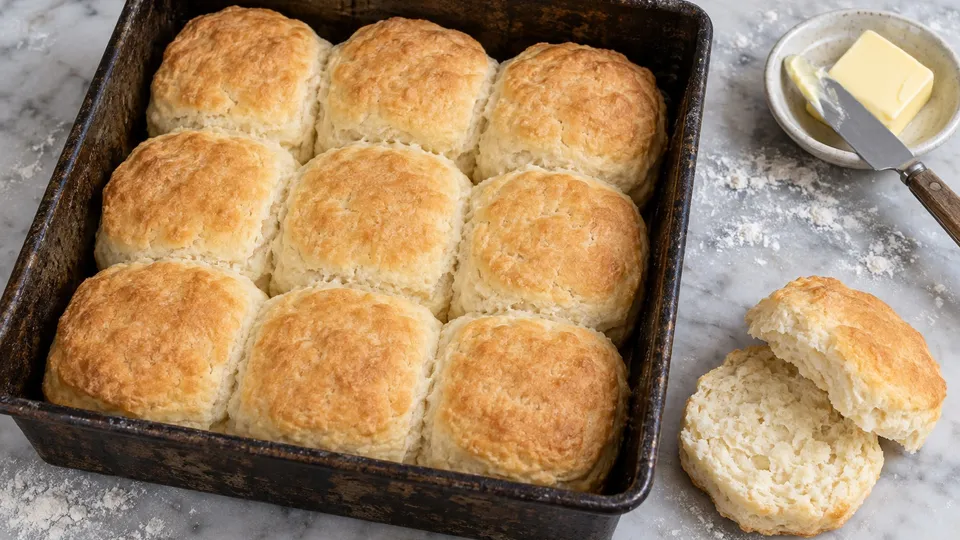
Baking-Powder Biscuits (1896)
Plain baking-powder biscuits of flour, salt and a little lard, rolled thick and baked close together, from the War Department’s Manual for Army Cooks, 1896.
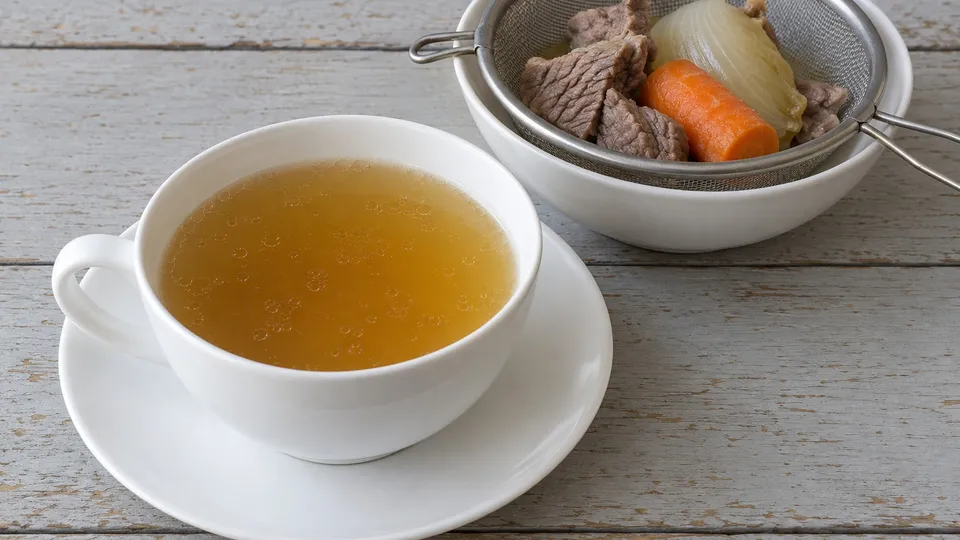
Beef Tea (1857)
Beef cooked down with butter, onion and carrot to a pale gravy, then simmered an hour in water and strained: Alexis Soyer’s beef tea from the Scutari hospitals.
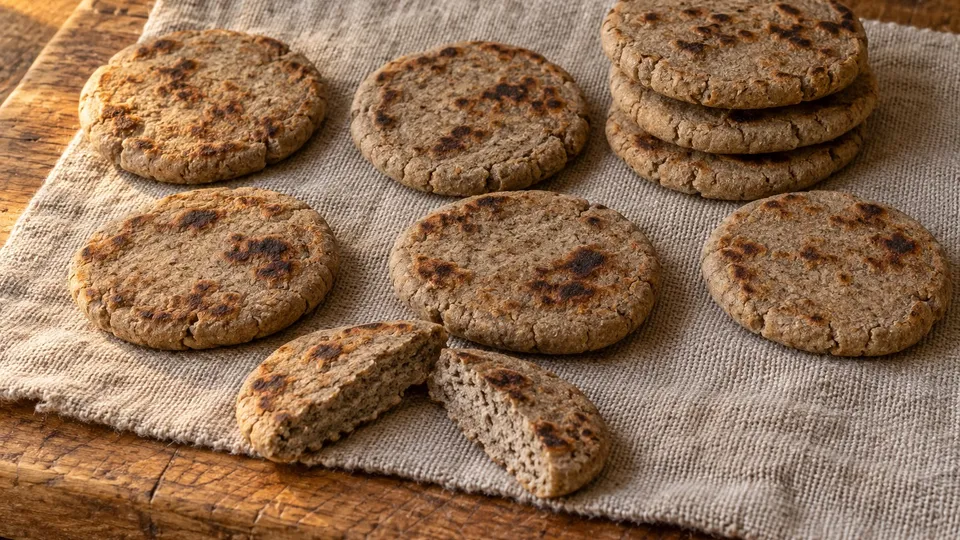
Birka Barley and Pea Flatbreads
Birka barley and pea flatbreads: small unleavened rounds cooked on a dry iron pan, after the charred loaves of hulled barley and peas from two Viking graves at Birka.
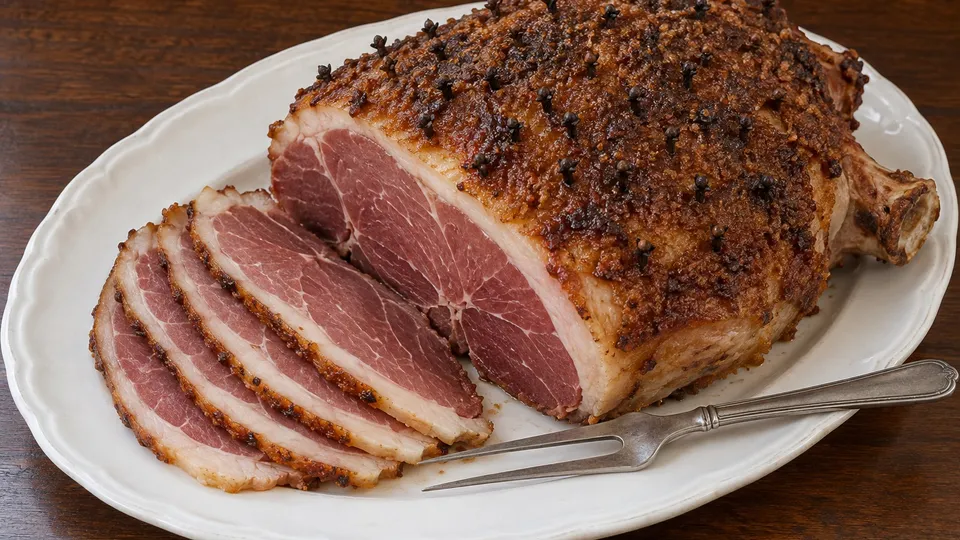
Boiled Ham with a Brown Sugar Crust (1931)
Aunt Sammy’s boiled ham with a brown sugar crust, 1931: a cured ham soaked overnight, simmered with vegetables and vinegar, then skinned, sugared, studded with cloves and browned.
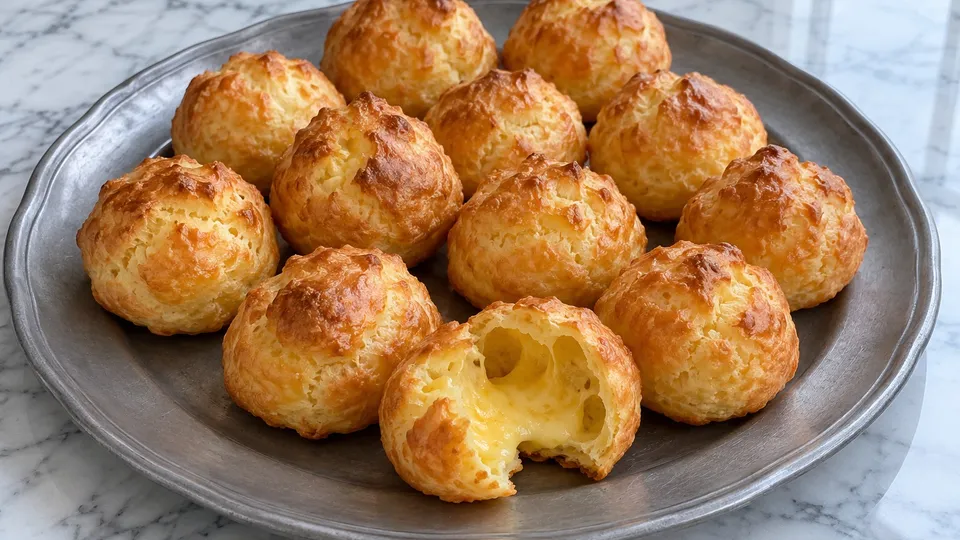
Cheese Ramequins (1827)
Louis Eustache Ude’s cheese ramequins: choux paste beaten with eggs, a spoonful of Parmesan and diced Swiss cheese, dropped in small mounds and baked until puffed.
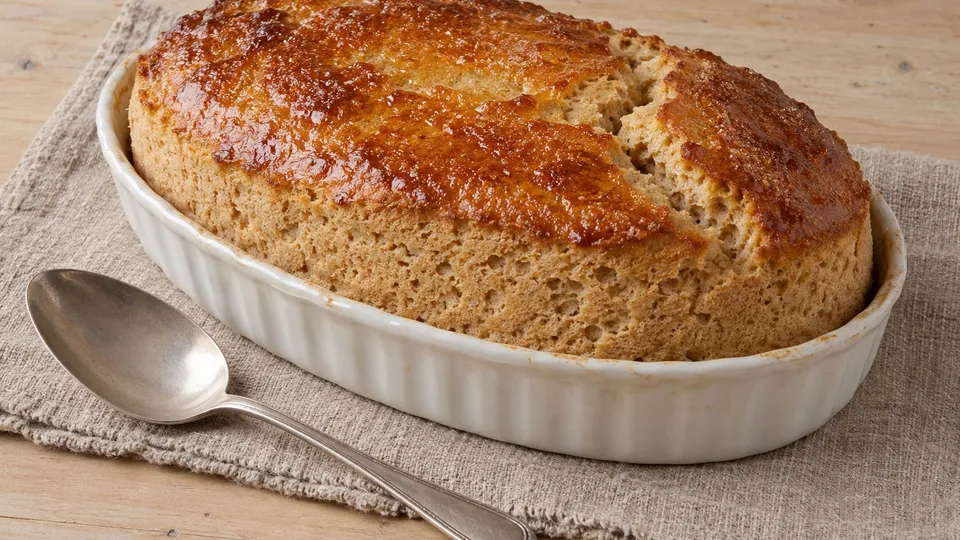
Chestnut Soufflé Omelette (1805)
Grimod’s chestnut soufflé omelette, 1805: a sweet cream of chestnut flour, egg yolks, milk, butter and sugar, cooked thick, folded into beaten whites and baked until risen.
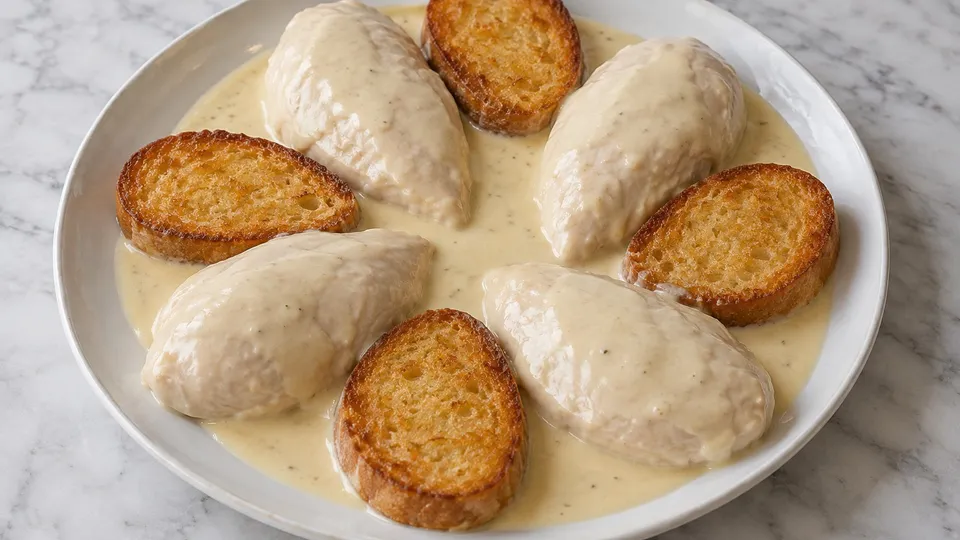
Chicken Suprême (1814)
Beauvilliers’s chicken suprême, 1814: breasts cooked white in butter and set in a crown with fried croûtons, under a sauce of reduced stock, velouté and butter.
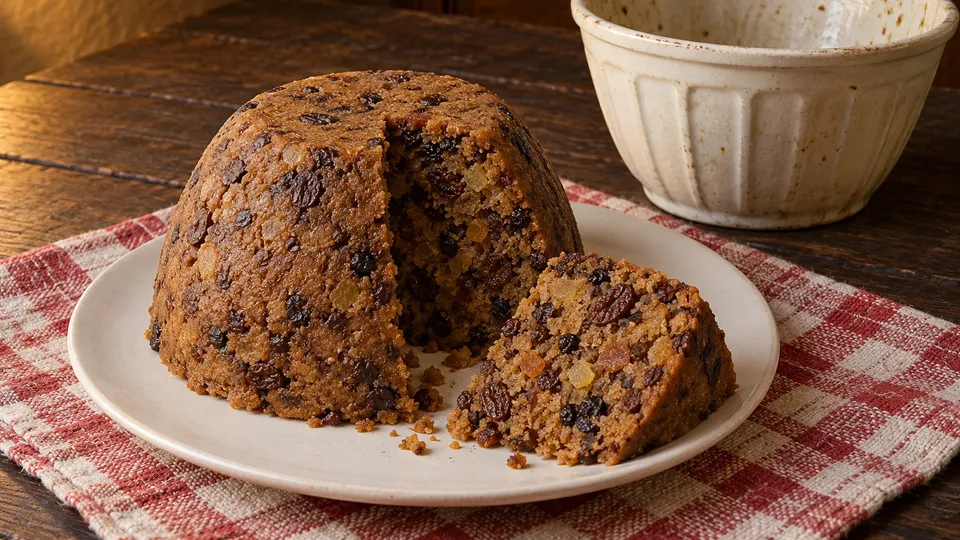
Christmas Plum Pudding (1861)
Isabella Beeton’s Christmas plum pudding of raisins, currants, peel, breadcrumbs, suet and eggs, with no sugar or flour, steamed in a basin. Brandy optional.
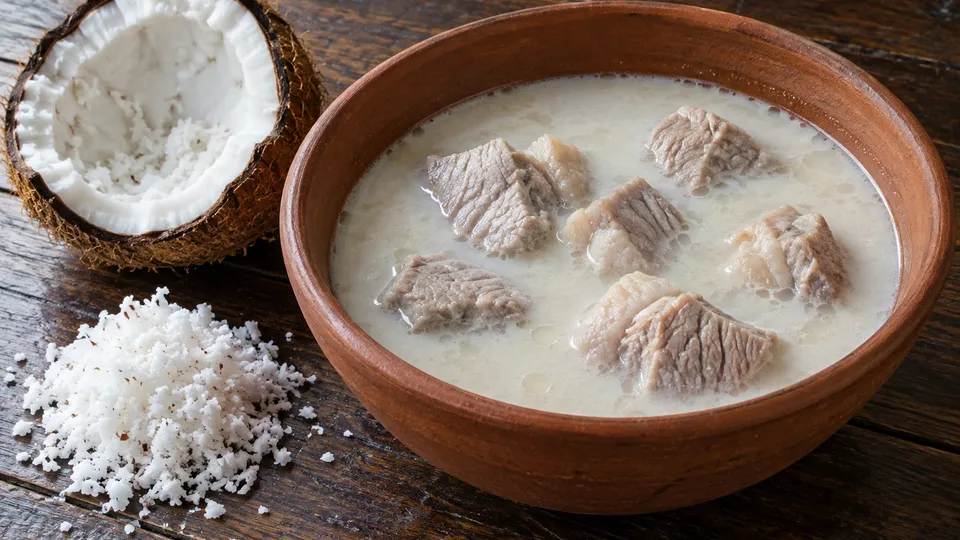
Coconut Milk Pork Broth (1697)
A coconut milk pork broth after William Dampier’s 1697 account of meat boiled in coconut milk: pork simmered gently in milk pressed from freshly grated coconut.
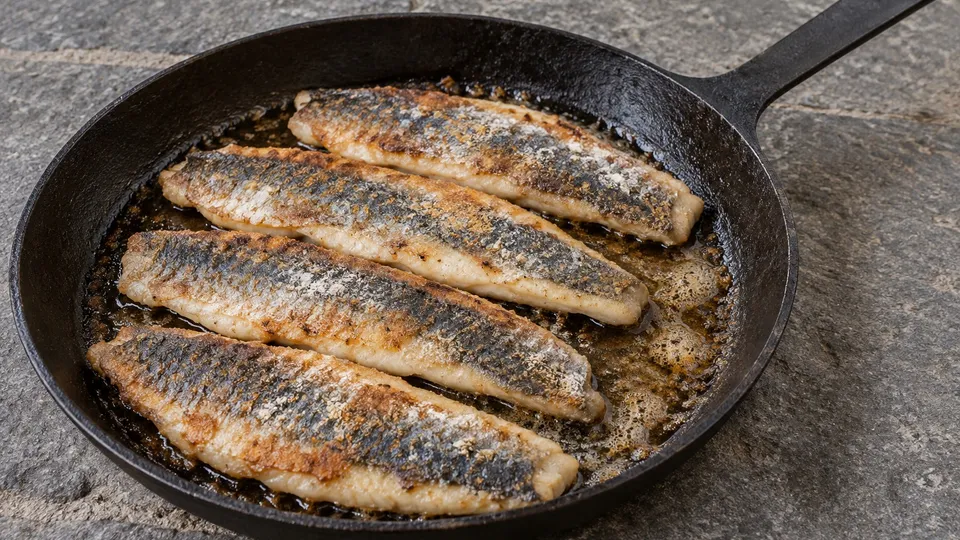
Coppergate Pan-Fried Herring
Coppergate pan-fried herring: fillets dusted with barley flour and fried in butter in an iron pan, after the herring bones of Viking Age York and England’s nearly fish-free pots.
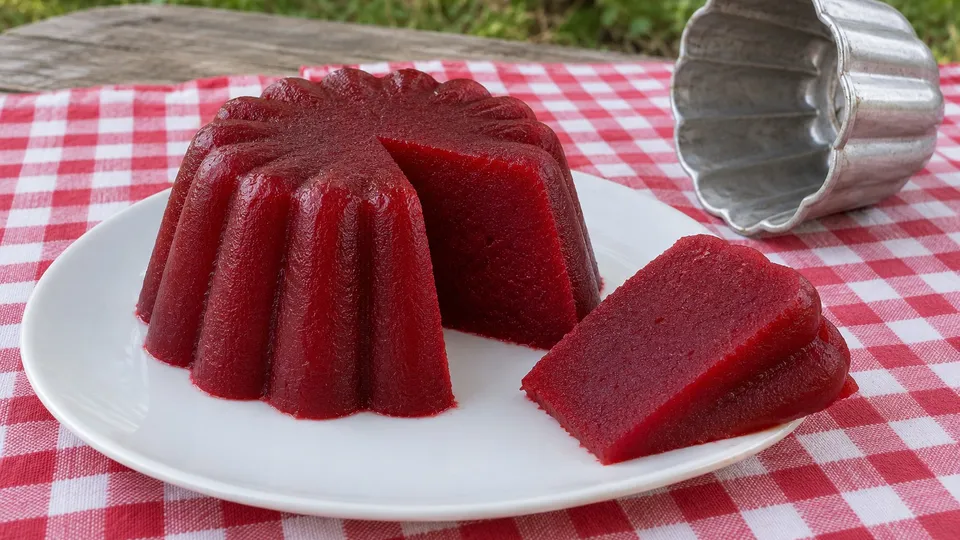
Cranberry Jelly (1931)
Aunt Sammy’s cranberry jelly, 1931: cranberries cooked soft, pressed through a sieve, boiled briefly with sugar to the jelly point and set in a mold.
Try one of these recipes
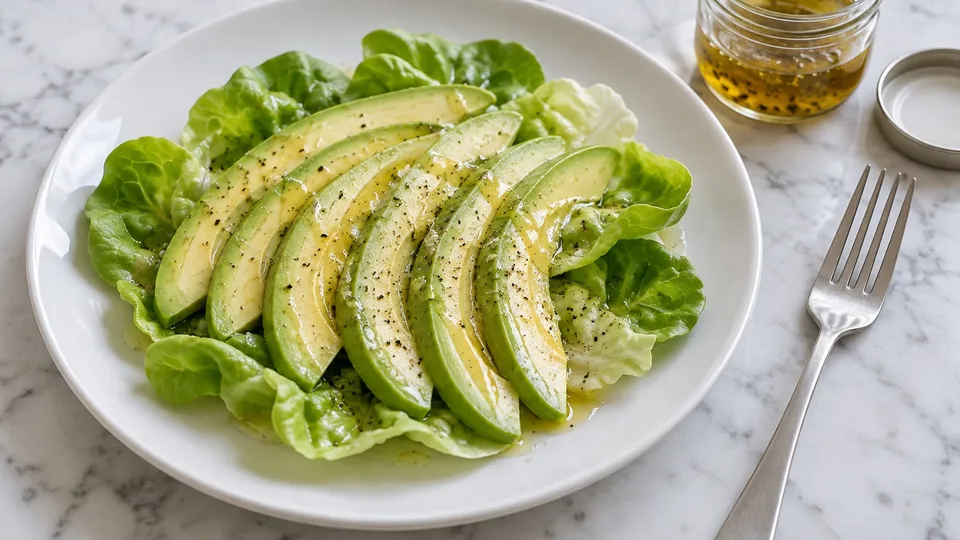
Alligator Pear Salad (1899)
Alligator pear salad, the 1899 name for avocado: long thin strips served very cold with French dressing and a few drops of onion juice, after De Loup (1899) and Farmer (1910).
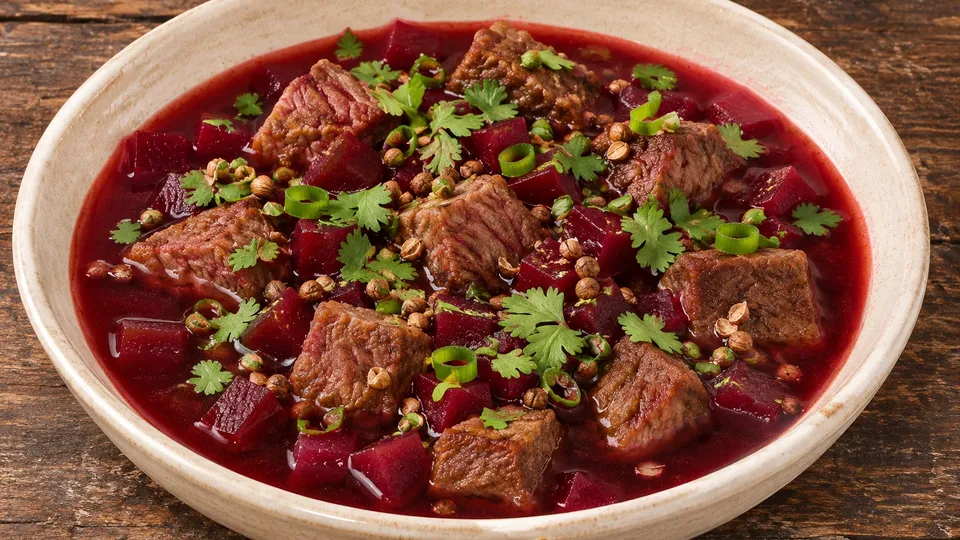
Ancient Babylonian Lamb and Beet Stew (Tuh’u)
Seared lamb leg simmered with beer, red beet, onion, arugula, shallot and cumin, finished with coriander seed and fresh greens, after tuh’u on the Yale culinary tablet of about 1730 BC.
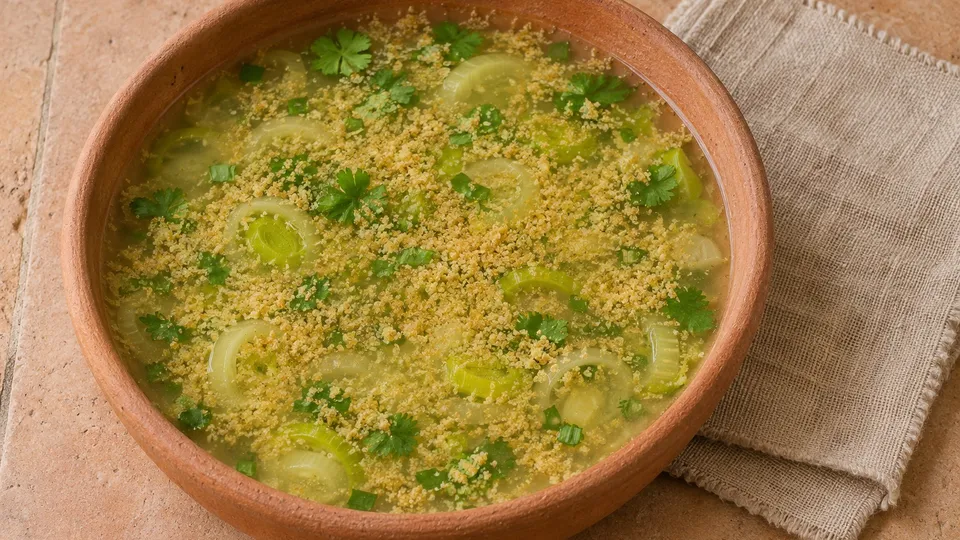
Ancient Babylonian Leek Broth with Sourdough Crumbs (Pašrūtum)
A meatless Babylonian broth of leek, garlic, kurrat and cilantro from the Yale culinary tablet of about 1730 BC, finished with dried sourdough pounded, sifted and scattered over the pot.