Recipes
Dishes from history’s famous tables, from the old menus and cookbooks. Each one names its source and scales to the size of your table.
Dishes from history’s famous tables.
133–144 of 226 recipes
Matching articles:
Try a different ingredient or recipe name, or use Clear filters above to see the full collection.
Recipes could not be loaded. or browse this collection page without filters.
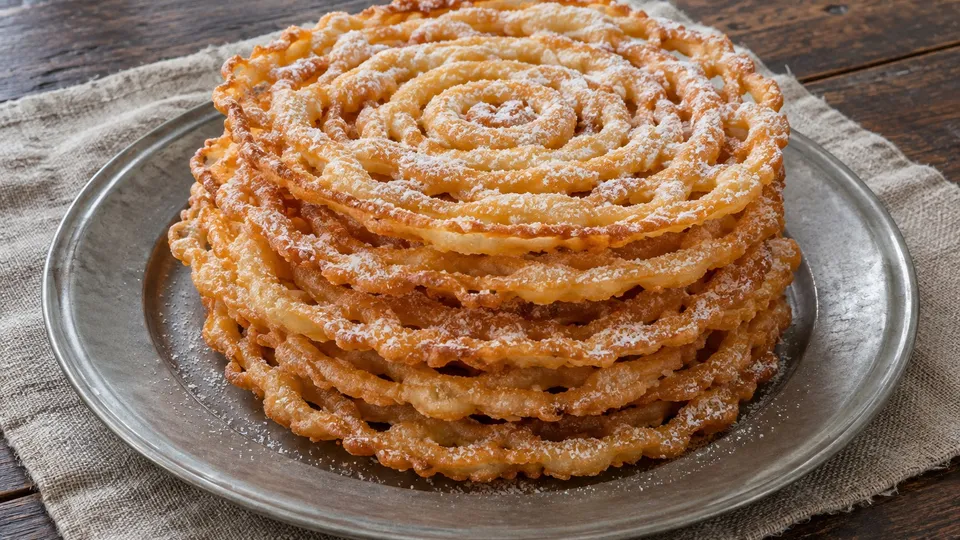
Crespes (1393)
A thin batter of flour, eggs, water, wine and salt poured in a spiral into hot lard and butter, fried crisp and dusted with sugar: the crespes of the Ménagier.
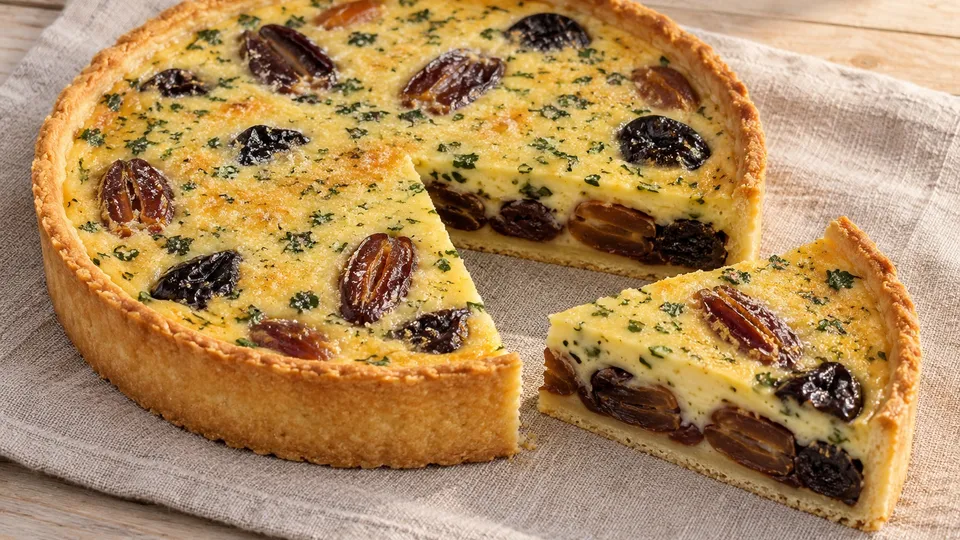
Crustade Lumbard, Custard Tart (1430)
Crustade lumbard, a custard tart from Henry IV’s first course: dates, prunes and beef marrow in a part-baked pastry case under a custard of cream, eggs and parsley.
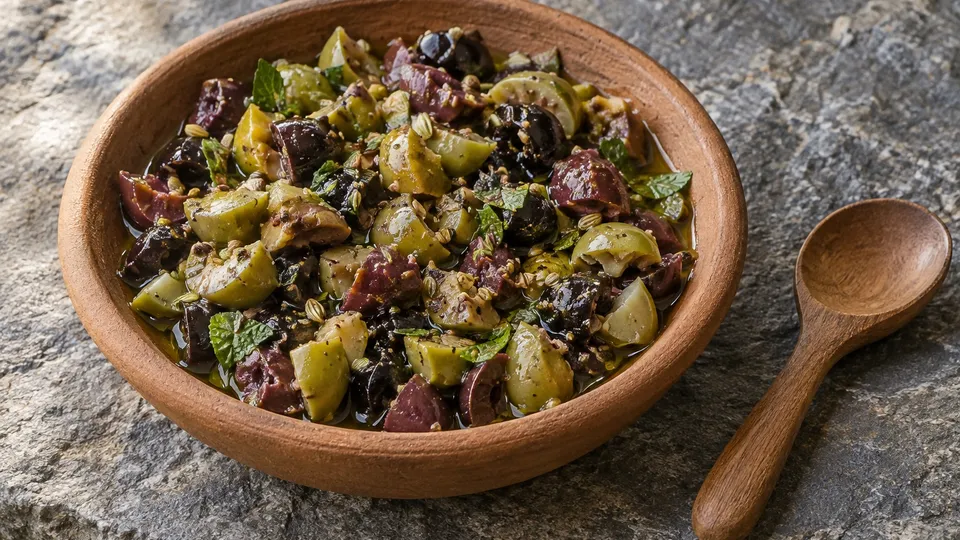
Epityrum, Olive Relish (Cato)
Epityrum, Cato’s farm relish: green, black and purple olives, stoned and chopped with oil, vinegar, coriander, cumin, fennel, mint and a little rue, kept under oil.
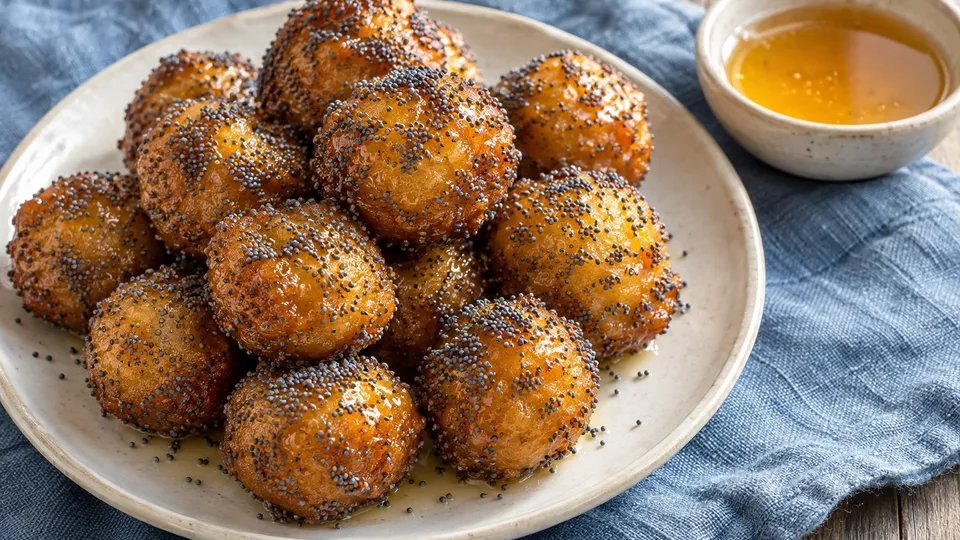
Globi, Honeyed Cheese Fritters (Cato)
Balls of fresh cheese and semolina fried golden in olive oil, then spread with honey and sprinkled with poppy seed, after Cato’s globi of the second century BC.
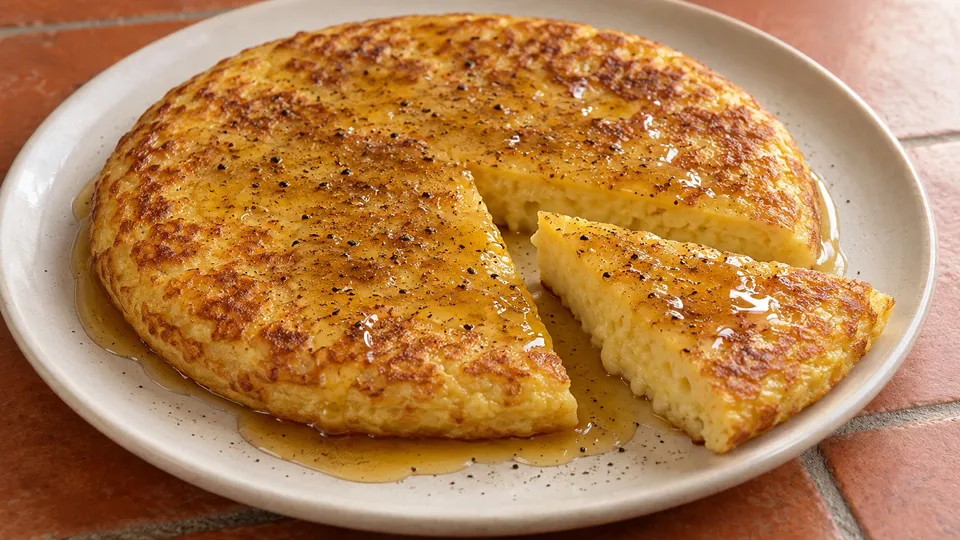
Honey Sponge Eggs (Apicius)
Honey sponge eggs, the ova spongia of Apicius: eggs beaten with milk and a little olive oil, set gently in a pan, turned out onto a plate and soaked with honey and black pepper.
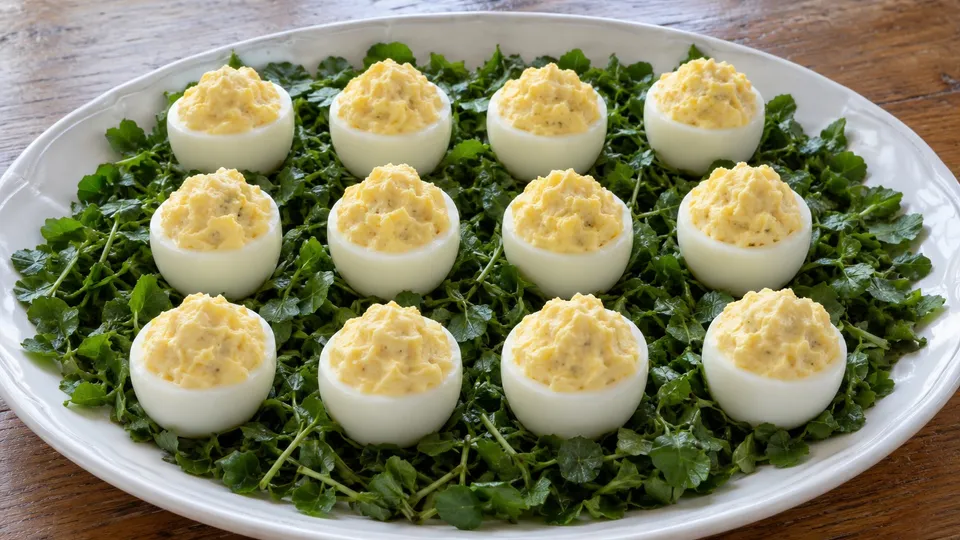
Houdini’s Deviled Eggs (1922)
Houdini’s deviled eggs: hard-boiled halves trimmed to stand upright, filled with yolk rubbed smooth with melted butter, cayenne, mustard and vinegar, and set on dressed watercress.
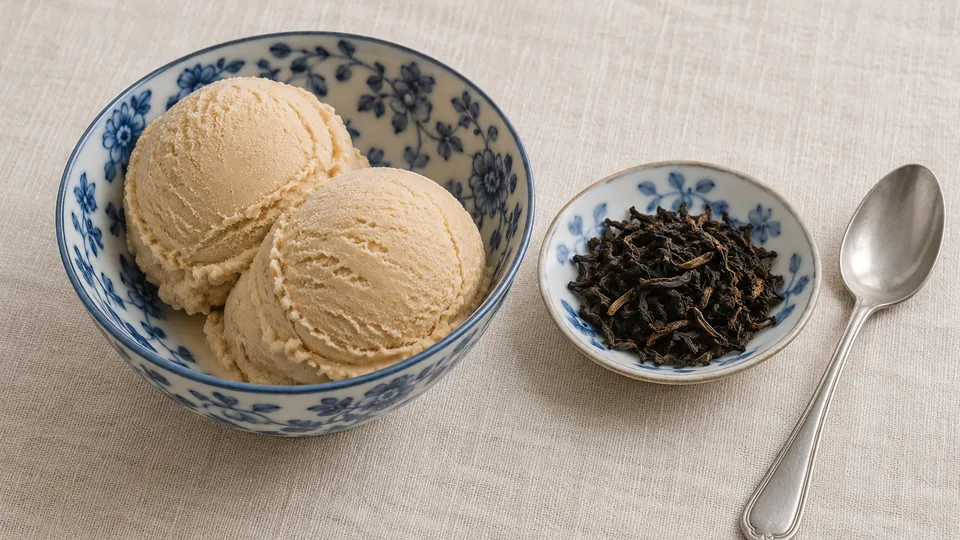
Howqua’s-Tea Ice Cream (1844)
Howqua’s-tea ice cream from Thomas Masters’s Ice Book of 1844: cream and sugar mixed with a cup of strong black tea and frozen. Howqua was the Western name of a great Canton tea merchant.
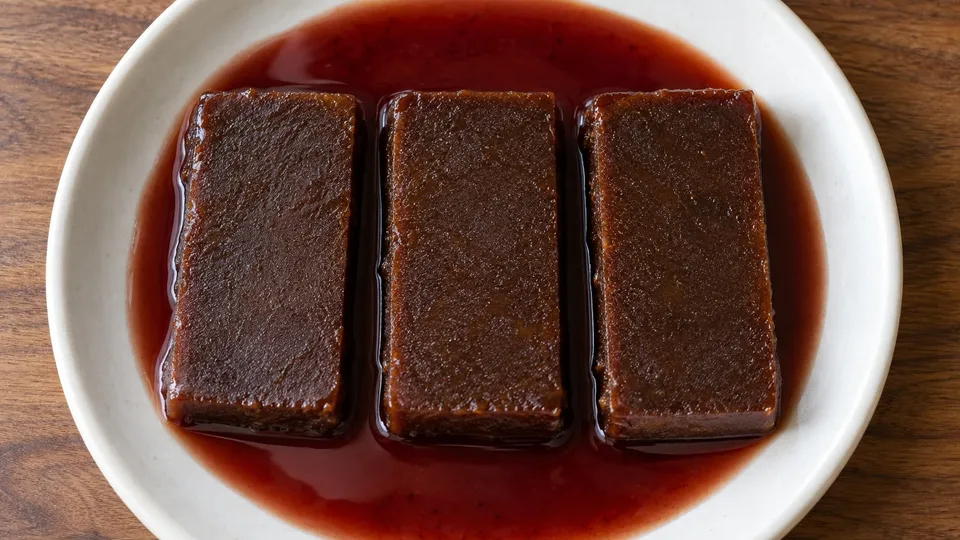
Leche Lumbard, Spiced Date Slices (1430)
Leche lumbard, spiced date slices: dates simmered in sweet wine, boiled stiff with sugar, kneaded with ginger, cinnamon and breadcrumbs, sliced and served with a spiced wine syrup.
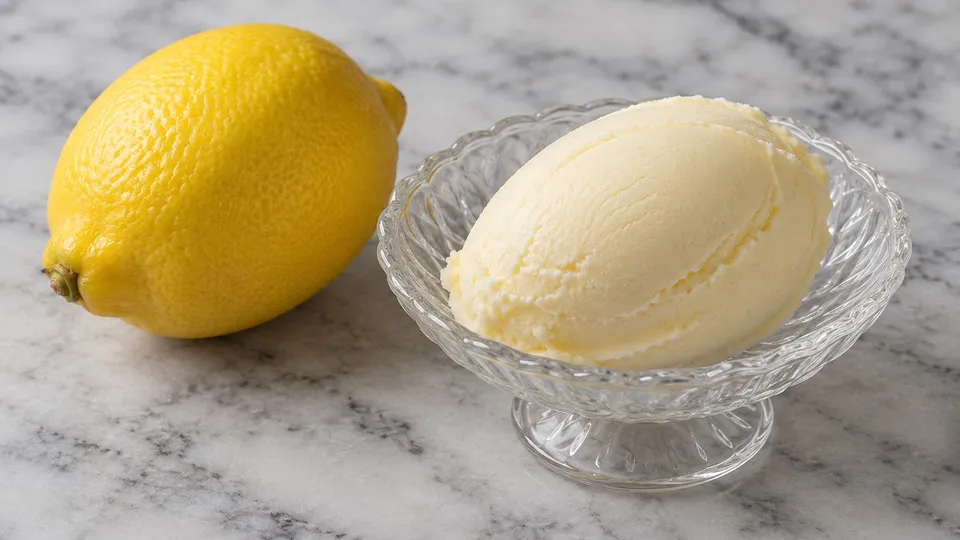
Lemon Ice Cream (1844)
Thomas Masters’s lemon ice cream of 1844: cream, sugar rubbed with lemon peel and the juice of two lemons, mixed cold and frozen.
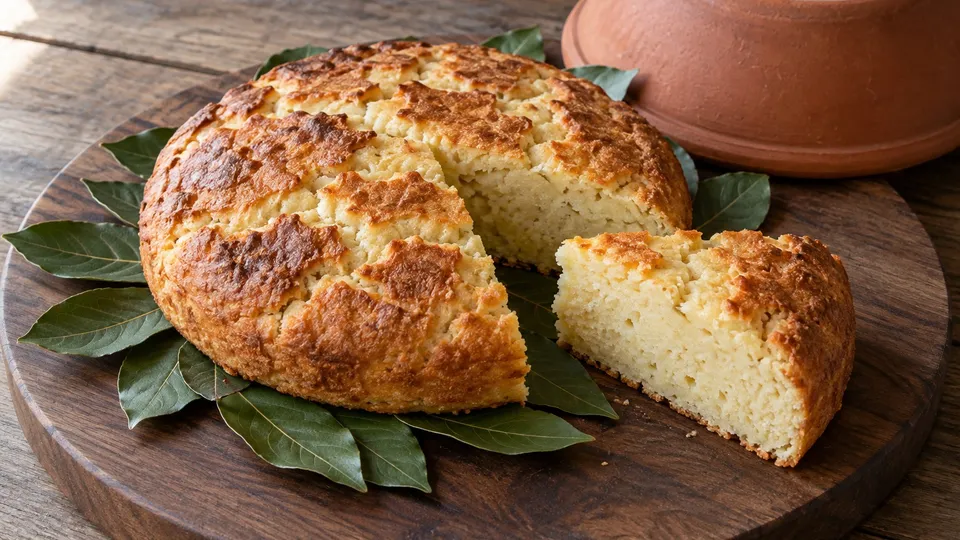
Libum, Cheese Bread (Cato)
Libum, the cheese bread of Cato’s farm manual: fresh cheese pounded with fine wheat flour and one egg, shaped into a round loaf and baked slowly on bay leaves under a covering dish.
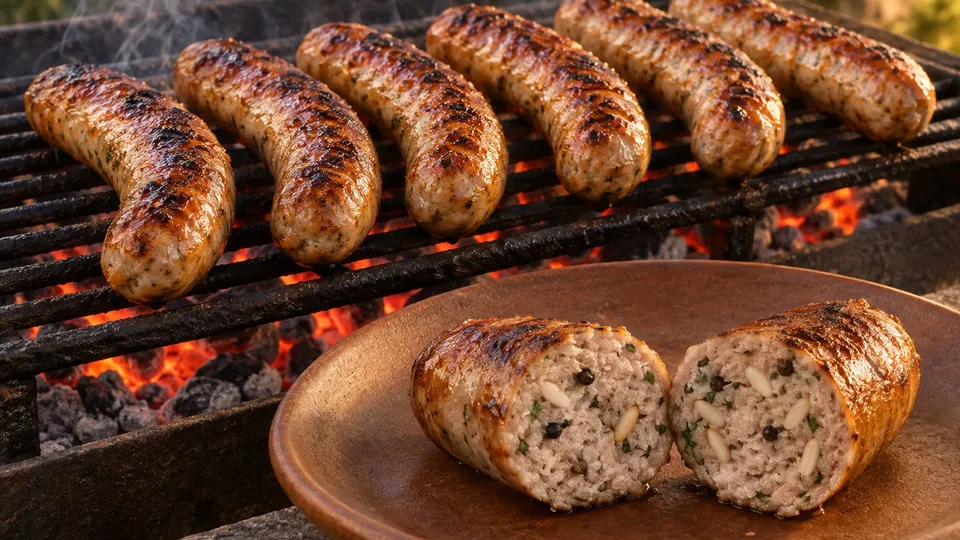
Lucanian Sausages (Apicius)
Lucanian sausages from Apicius: pork and fat pounded with pepper, cumin, savory, parsley and bay, mixed with fish sauce, peppercorns and pine nuts, filled into casings and grilled.
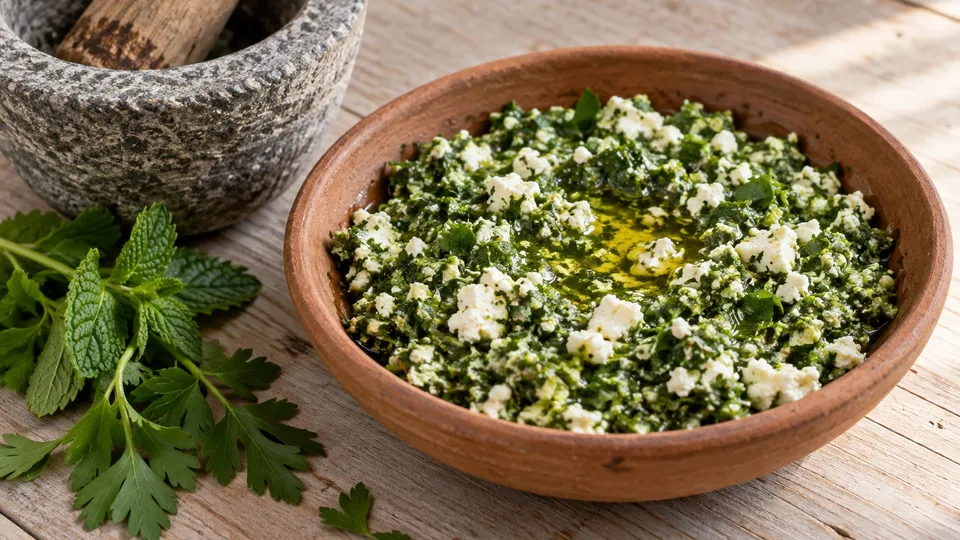
Moretum, Herb and Cheese Spread (Columella)
Moretum, a herb and cheese spread after Columella: mint, coriander, parsley, green onion, lettuce and arugula pounded with salted fresh cheese, dressed with peppered vinegar and olive oil.
Try one of these recipes
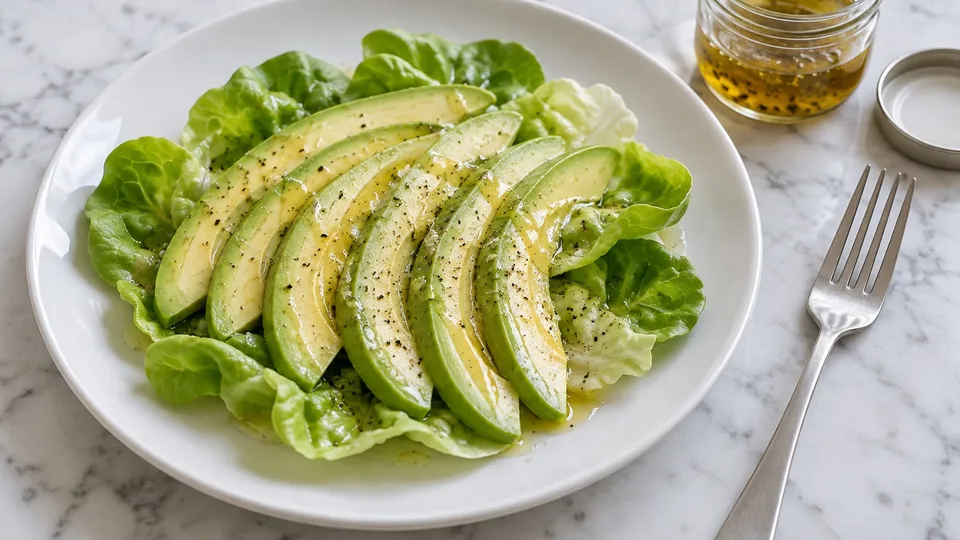
Alligator Pear Salad (1899)
Alligator pear salad, the 1899 name for avocado: long thin strips served very cold with French dressing and a few drops of onion juice, after De Loup (1899) and Farmer (1910).
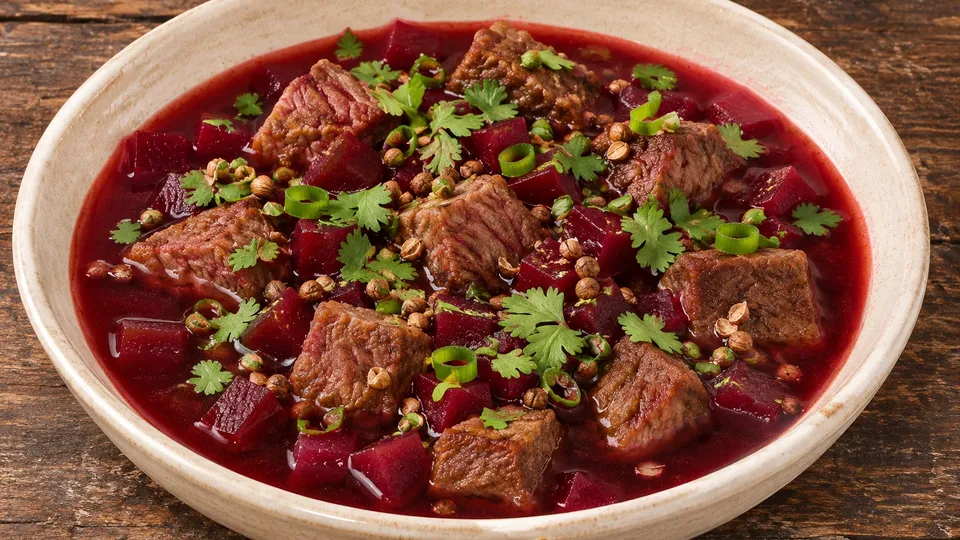
Ancient Babylonian Lamb and Beet Stew (Tuh’u)
Seared lamb leg simmered with beer, red beet, onion, arugula, shallot and cumin, finished with coriander seed and fresh greens, after tuh’u on the Yale culinary tablet of about 1730 BC.
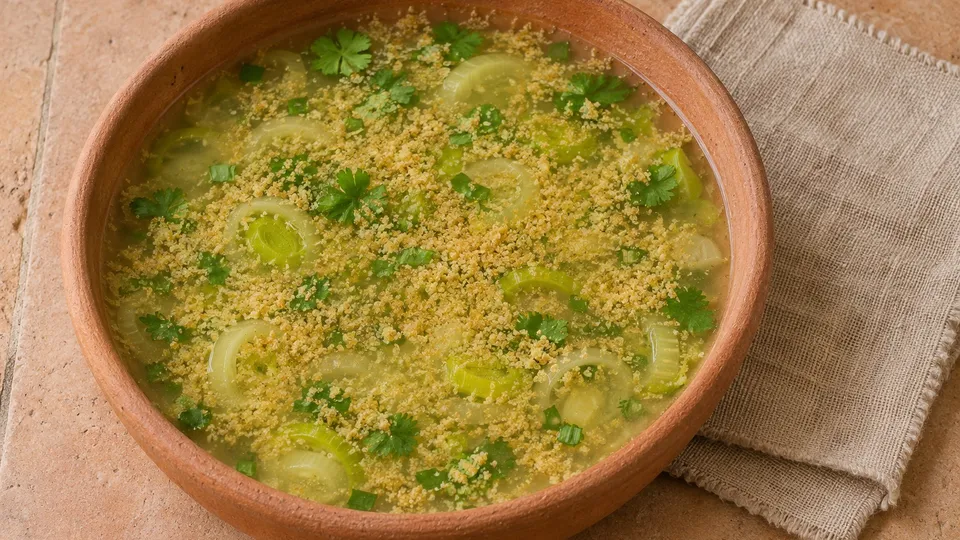
Ancient Babylonian Leek Broth with Sourdough Crumbs (Pašrūtum)
A meatless Babylonian broth of leek, garlic, kurrat and cilantro from the Yale culinary tablet of about 1730 BC, finished with dried sourdough pounded, sifted and scattered over the pot.