Recipes
Dishes from history’s famous tables, from the old menus and cookbooks. Each one names its source and scales to the size of your table.
Dishes from history’s famous tables.
157–168 of 213 recipes
Matching articles:
Try a different ingredient or recipe name, or use Clear filters above to see the full collection.
Recipes could not be loaded. or browse this collection page without filters.
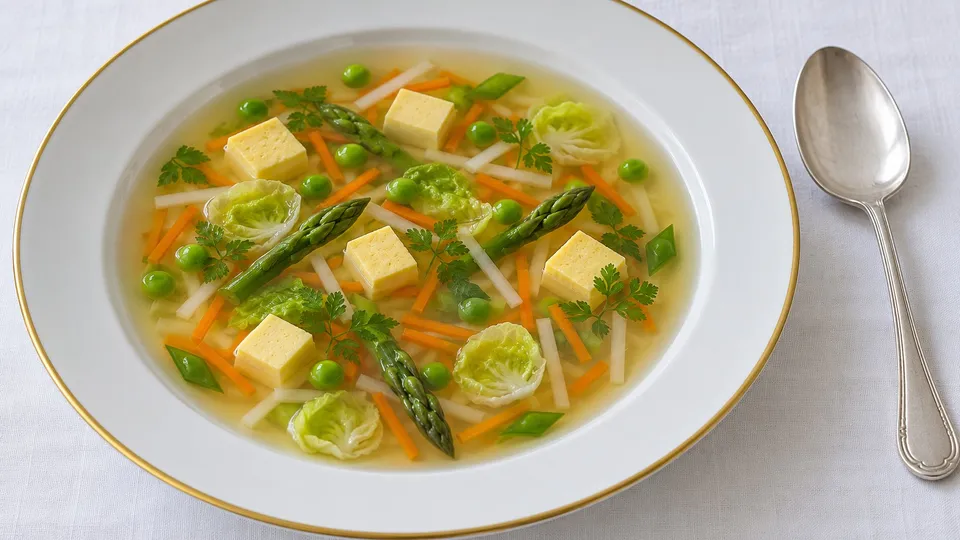
Consommé Printanier Royal (1907)
Consommé printanier royal after Escoffier (1907): clear chicken consommé with tiny rods of carrot and turnip, peas, green beans, asparagus tips and squares of chervil royale custard.
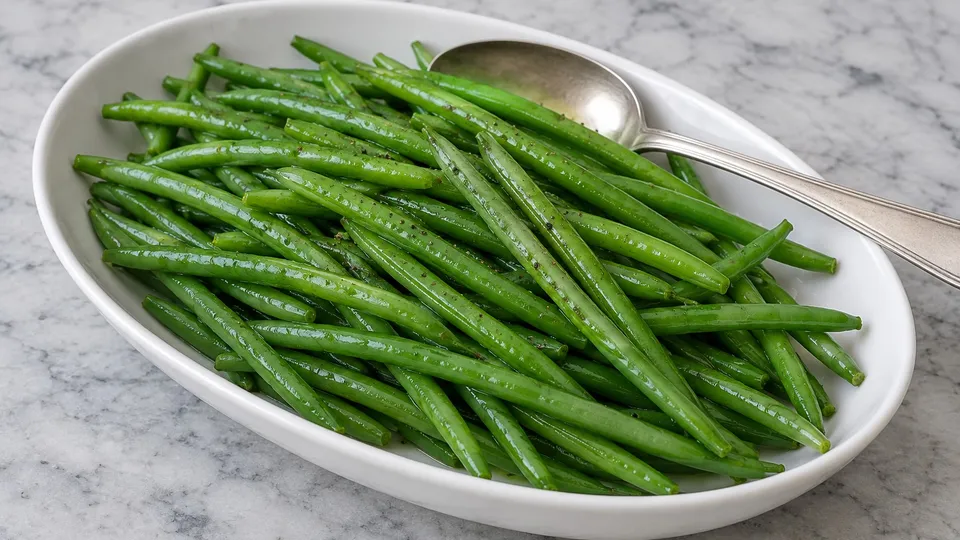
French Beans (1907)
French beans as Escoffier wrote them in 1907: thin green beans boiled until just firm, tossed over the heat to dry, then finished with fresh butter, salt and pepper.
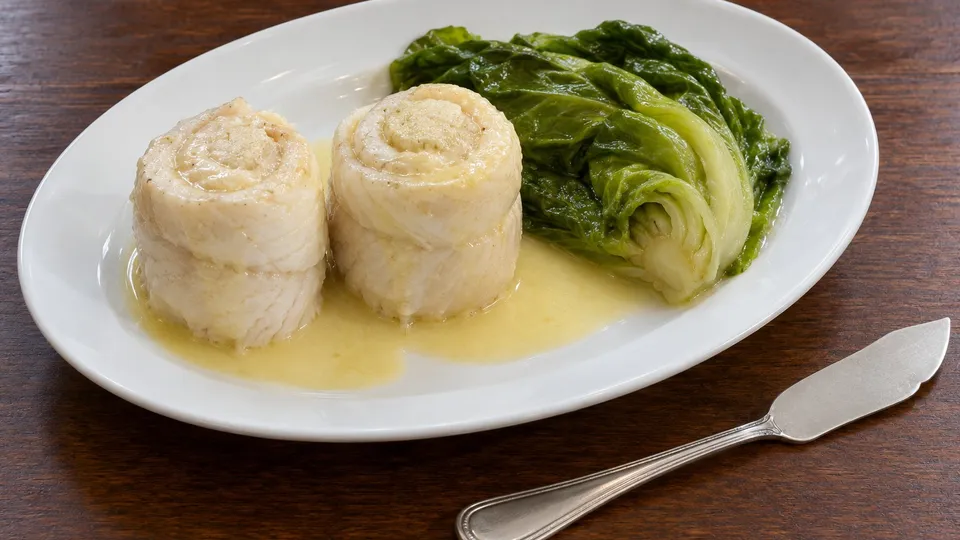
Paupiettes of Sole Choisy (1907)
Paupiettes of sole Choisy after Escoffier (1907): fillets spread with fish mousseline, rolled, stood upright and poached in fish stock, with braised lettuce for the Choisy garnish.
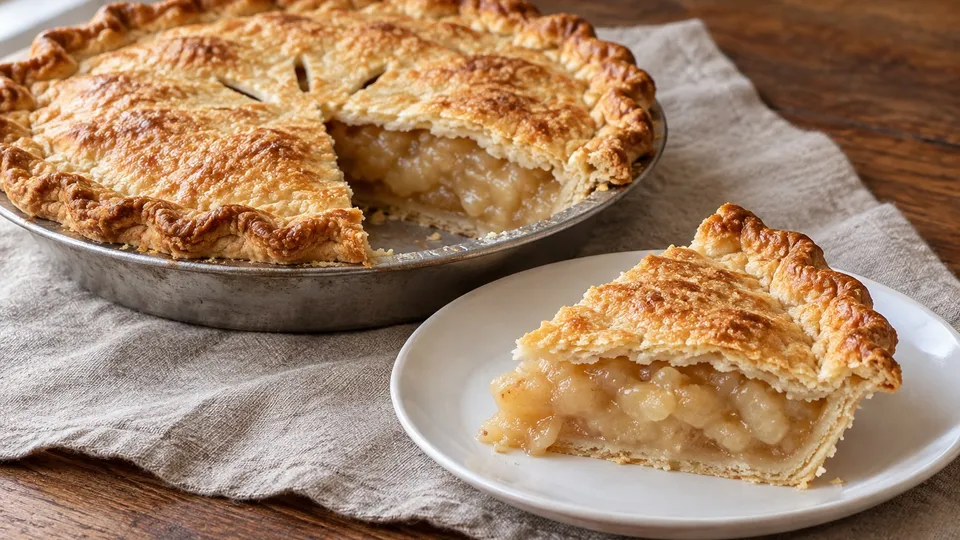
Apple Pie without Apples (1863)
An apple pie without apples from the Confederate Receipt Book of 1863: soaked crackers sharpened with tartaric acid, butter and nutmeg, in the same book’s potato pastry.
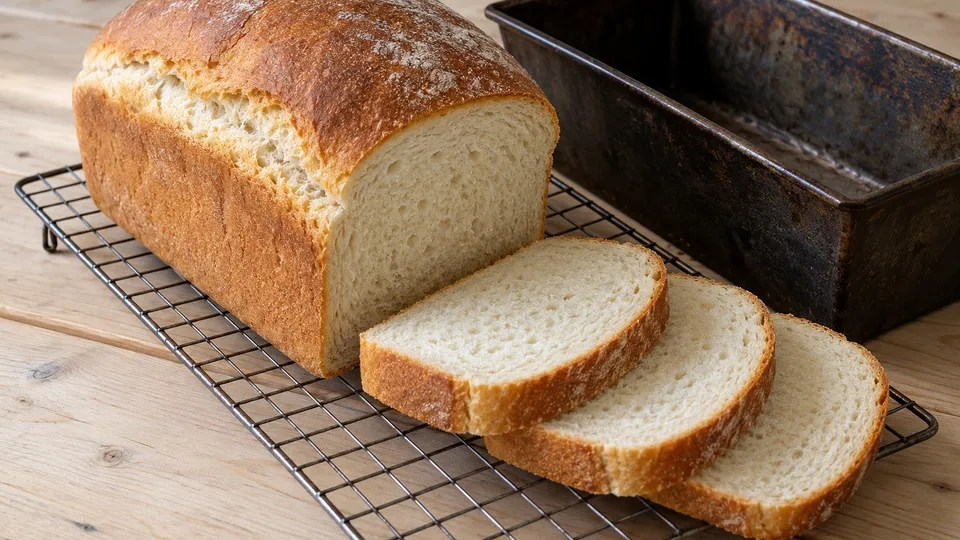
Army Potato Bread (1862)
Army potato bread from Captain Sanderson’s 1862 handbook for the troops: a one-pound loaf raised on an overnight ferment of potatoes, flour and yeast, cut down from an army baker’s method.
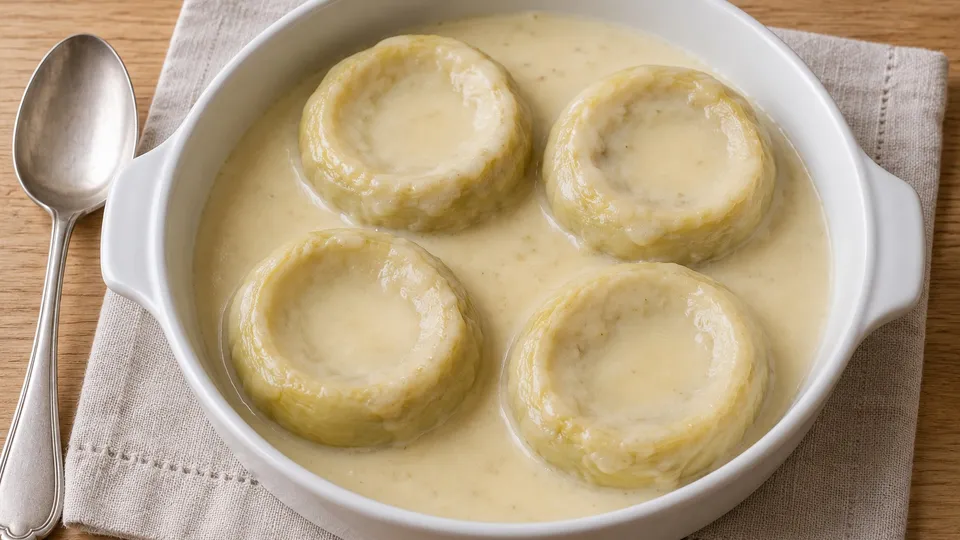
Artichoke Bottoms with Velouté (1907)
Artichoke bottoms with velouté, after Escoffier’s 1907 method: globe artichoke bottoms simmered white in a lemon and flour court-bouillon, finished in butter and coated with a simple velouté sauce.
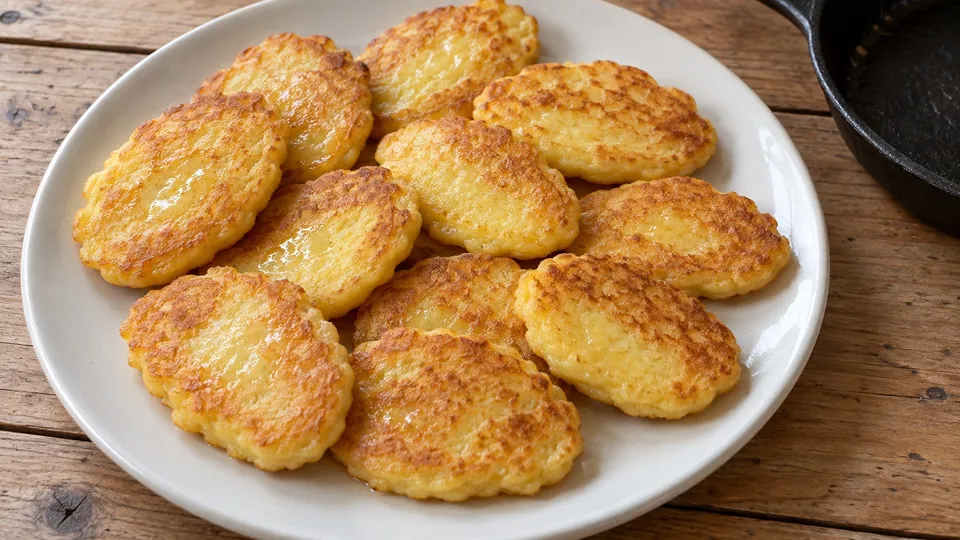
Artificial Oysters (1863)
Artificial oysters from the Confederate Receipt Book, printed in Richmond in 1863: grated green corn fritters, fried a spoonful at a time to the size of an oyster.
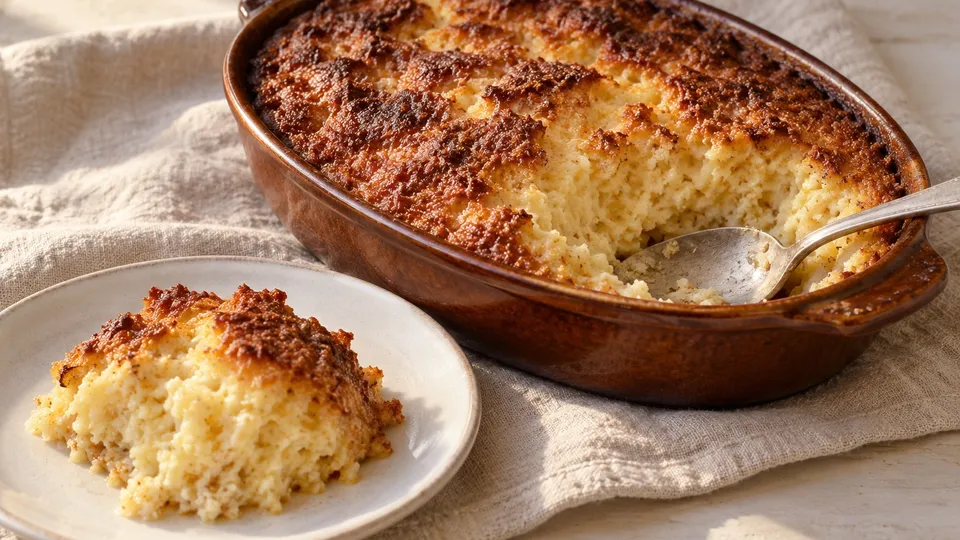
Baked Bread Pudding (1896)
A baked bread pudding from the War Department’s 1896 Manual for Army Cooks: dry crumbs soaked in boiling milk, enriched with egg yolks, butter and a little sugar, lightened with beaten whites and baked brown.
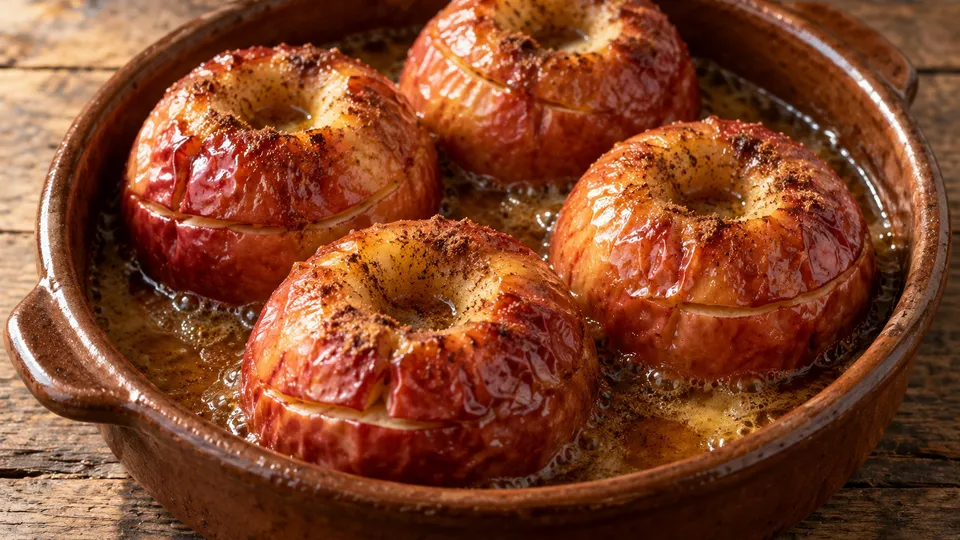
Baked Honey Apples (1918)
Baked honey apples from a Pittsburgh club’s cookbook of the First World War: whole apples scored and cored, baked in honey syrup thickened with a little flour, dotted with oleomargarine and dusted with cinnamon.
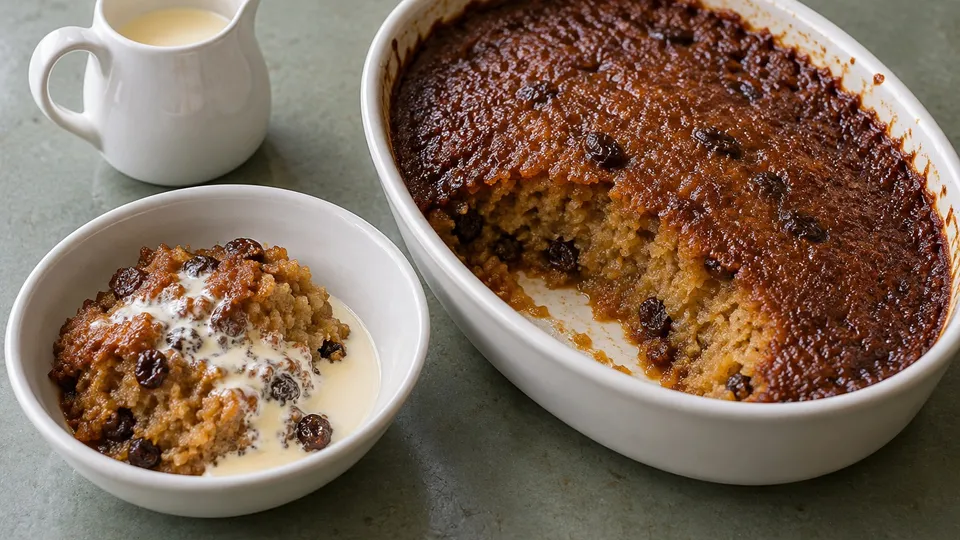
Baked Indian Pudding (1918)
Baked Indian pudding from a 1918 lunch-room book of wheatless recipes: cornmeal and molasses with suet and raisins, baked slowly for hours, with no egg.
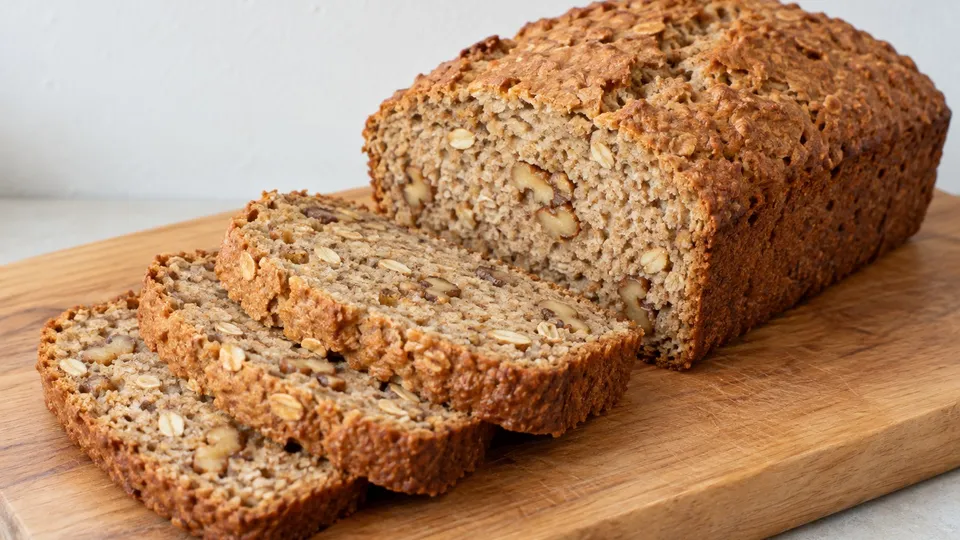
Barley Nut Bread (1918)
Barley nut bread from a 1918 lunch-room book: a wheatless, yeastless loaf of barley flour, rolled oats and walnuts, raised with baking powder, with no added fat.
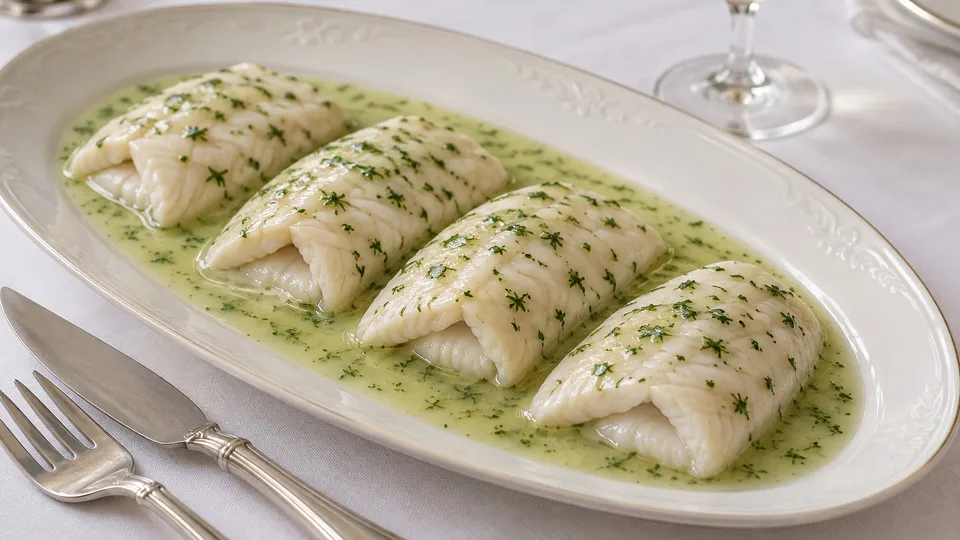
Bass with Venetian Sauce (1907)
Bass with Venetian sauce, after Escoffier: sea bass fillets poached in white wine and fish stock under a white wine fish sauce sharpened with tarragon vinegar and turned green with herb juice.
Try one of these recipes
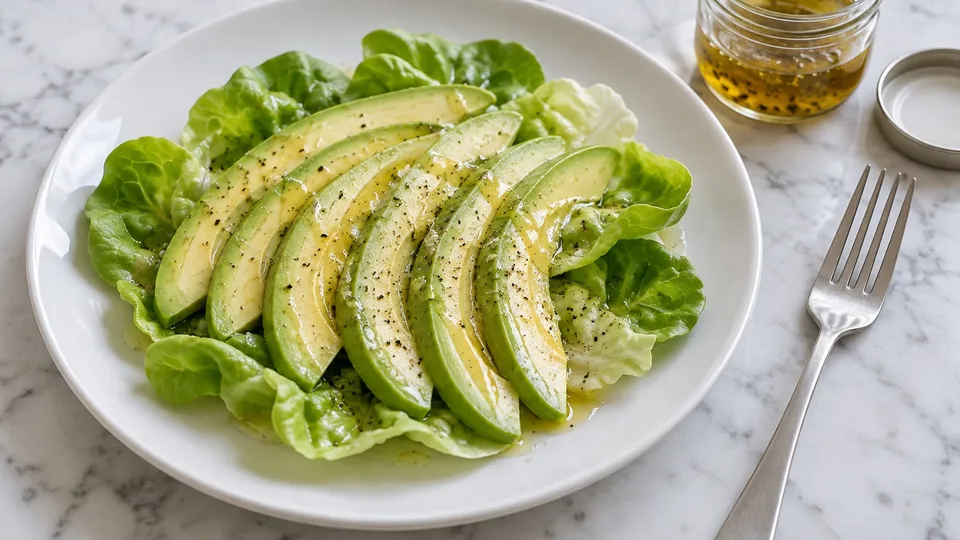
Alligator Pear Salad (1899)
Alligator pear salad, the 1899 name for avocado: long thin strips served very cold with French dressing and a few drops of onion juice, after De Loup (1899) and Farmer (1910).
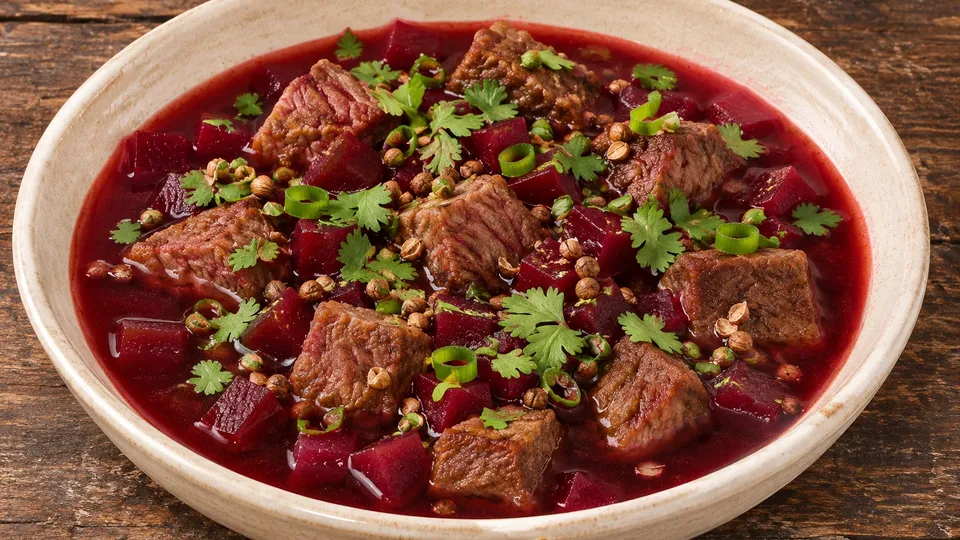
Ancient Babylonian Lamb and Beet Stew (Tuh’u)
Seared lamb leg simmered with beer, red beet, onion, arugula, shallot and cumin, finished with coriander seed and fresh greens, after tuh’u on the Yale culinary tablet of about 1730 BC.
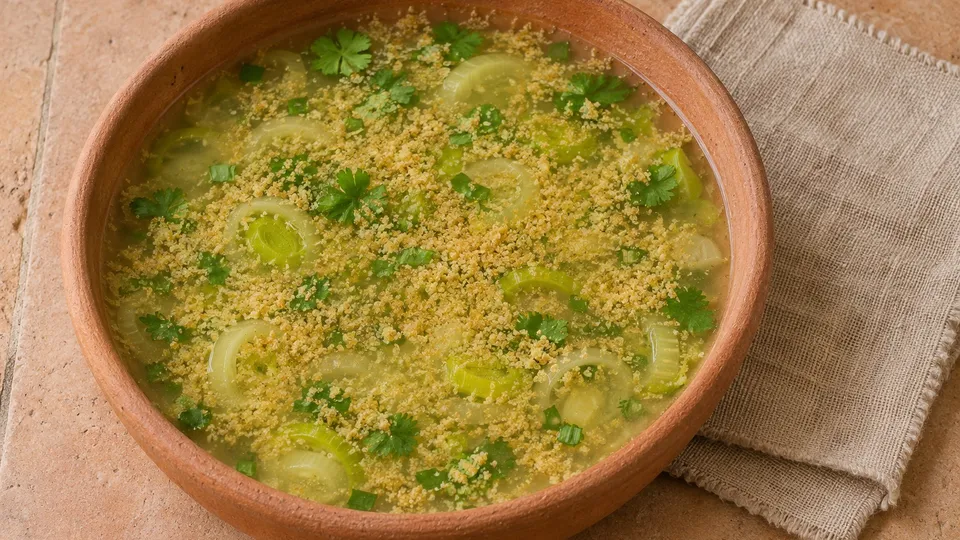
Ancient Babylonian Leek Broth with Sourdough Crumbs (Pašrūtum)
A meatless Babylonian broth of leek, garlic, kurrat and cilantro from the Yale culinary tablet of about 1730 BC, finished with dried sourdough pounded, sifted and scattered over the pot.