Historic Recipes Worth Cooking Again
Nine historic recipes worth cooking again, from Cato’s honey cheesecake and Hannah Glasse’s spiced buns to Civil War corn fritters, pot-au-feu and maple cream.
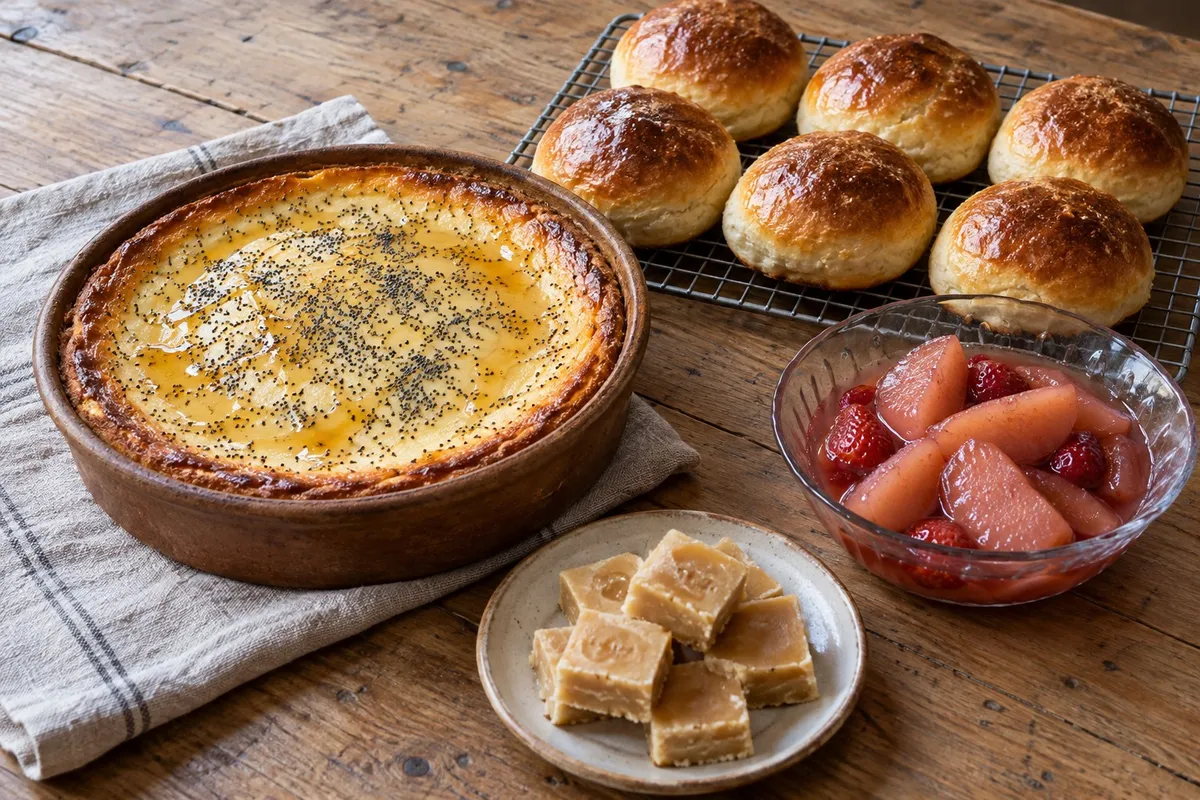
The historic recipes worth cooking again are the ones a home kitchen can still make from a printed page. Nine of them follow: a Paris chef’s pot-au-feu, corn fritters from a Richmond cookbook of 1863, a chicken roasted in a bag, a Roman honey cheesecake, spiced yeast buns from 1747, a chocolate cake made with mashed potato, maple cream candy, apples that pass for quince and a charlotte russe. Each comes with the story it belongs to, from the Pompeii shops to Lincoln’s inaugural ball, and most of what they need is in an ordinary supermarket. The rarer things are barley flour, fresh rhubarb and sweet corn in their seasons, a chicken that still has its liver and, for the charlotte russe, a springform pan.
For supper
Pot-au-feu gives two meals from one pot: beef and a bone simmered for hours with carrot, onion, leeks, turnip, parsnip and celery make a clear broth, and the boiled beef keeps for the next day. “Beef Broth is the soul of domestic cookery,” Jules Gouffé wrote in 1868, and although he was chef de cuisine of the Paris Jockey Club, he opened his book with this everyday pot for “persons of very moderate incomes.” He advised against garlic. His small pot is our Pot-au-Feu (1868). Two years later, with the city under siege, Paris canteens sold a soup of vegetables and a little meat for five centimes a bowl, about a quarter of a euro today by the French statistics office’s franc-to-euro converter, and What Did Paris Eat Under Siege in 1870? follows that soup and the horse tariff.
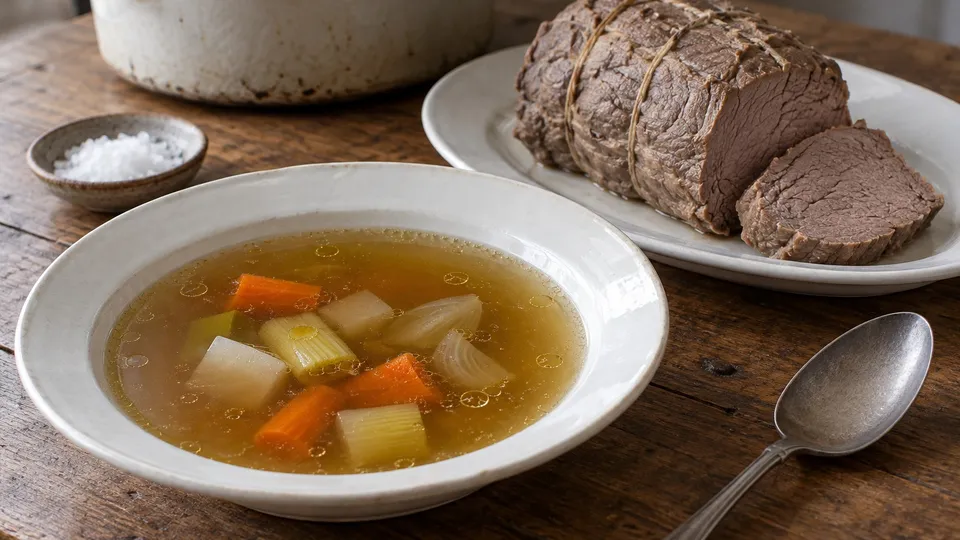 Cook it todayPot-au-Feu (1868)
Artificial oysters have no shellfish in them at all. The name is about size: “A tablespoonful of the batter will make the size of an oyster,” says the Confederate Receipt Book, printed in Richmond in 1863, and the batter is grated young corn, an egg, a little flour, butter, salt and pepper, fried light brown. Make Artificial Oysters (1863) while sweet corn is in season. What Richmond was paying for food that spring is in What Was Richmond Cooking in the Year of the Bread Riot?
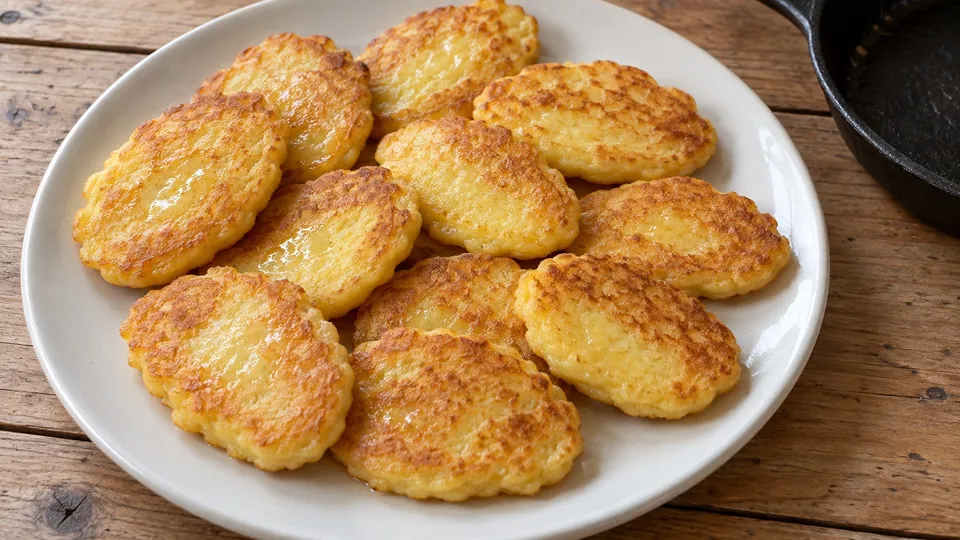 Cook it todayArtificial Oysters (1863)
For roast fowl with savory crumbs, a whole chicken goes into a closed bag with its liver, a shallot and loose buttered crumbs with chives and tarragon, and the crumbs cook in the juices that collect around the bird. Soyer’s Paper-Bag Cookery of 1911 gave it one line for the oven: “Cook gently for 65 minutes.” An oven bag takes the place of the greased paper in Roast Fowl with Savory Crumbs (1911), and Why Did London Cook Dinner in Paper Bags in 1911? follows the craze that summer.
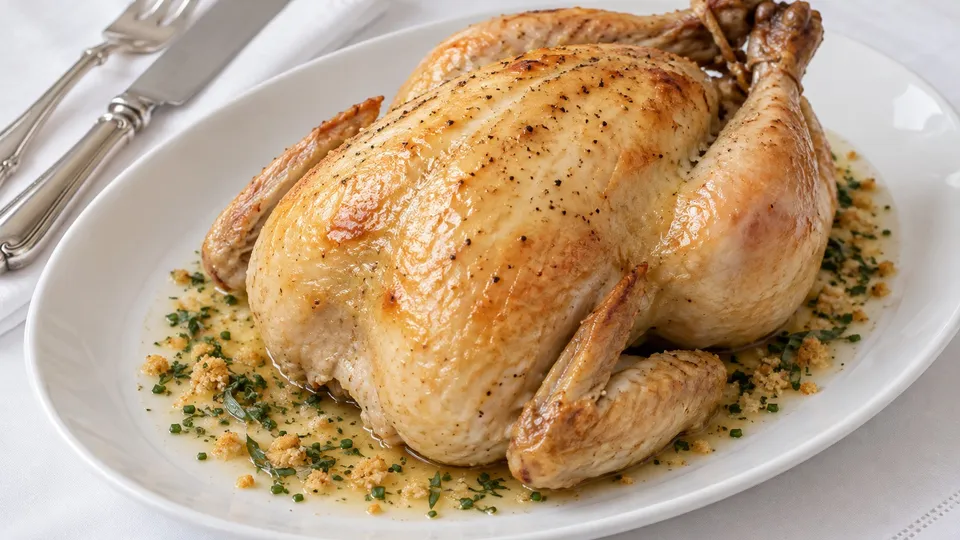 Cook it todayRoast Fowl with Savory Crumbs (1911)
From the oven
Cato’s savillum is cheese and a little flour, sweetened with honey and bound with a single egg, baked under a cover and then spread with more honey and scattered with poppy seed: something like a baked sweet ricotta, with no crust. He set it down in his farming manual in the second century BC with weights a cook can follow, half a pound of flour to two and a half pounds of cheese and a quarter pound of honey. Bake it as Savillum, Honey Cheesecake (Cato). Excavators found loaves and cakes in the shops beside the forum at Pompeii, and What Did Pompeii Buy at the Street Counter? follows what those counters sold.
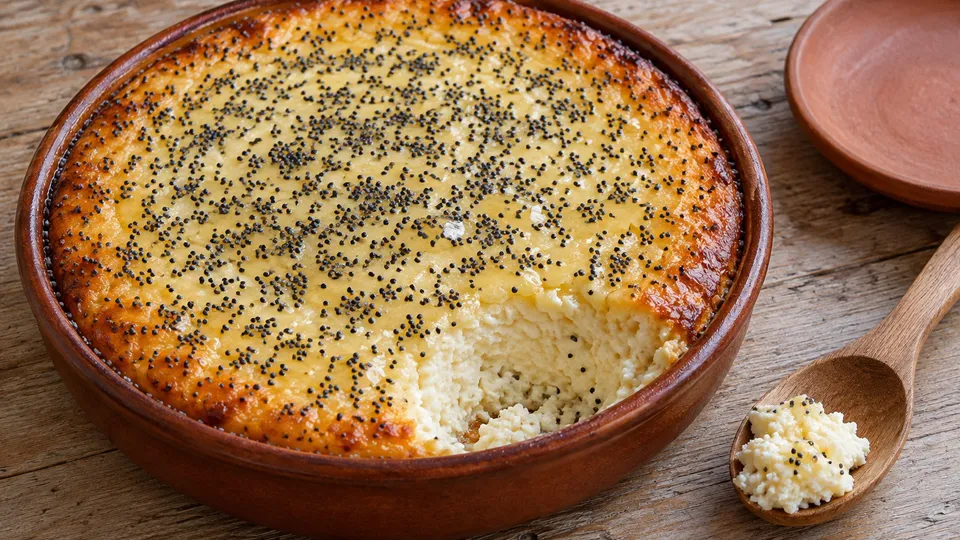 Cook it todaySavillum, Honey Cheesecake (Cato)
Hannah Glasse called her wigs “very good” in 1747: buns of a rich yeast dough with butter rubbed into the flour, sweetened, spiced with nutmeg and ginger and wetted with eggs, sack and warm milk. She printed them almost word for word as Eliza Smith’s Compleat Housewife had them in 1739, and both books crossed the Atlantic. Dry sherry stands in for the sack in Very Good Wigs (1747), one of the bakes in What Was on the American Tea Table Before the Boston Tea Party?
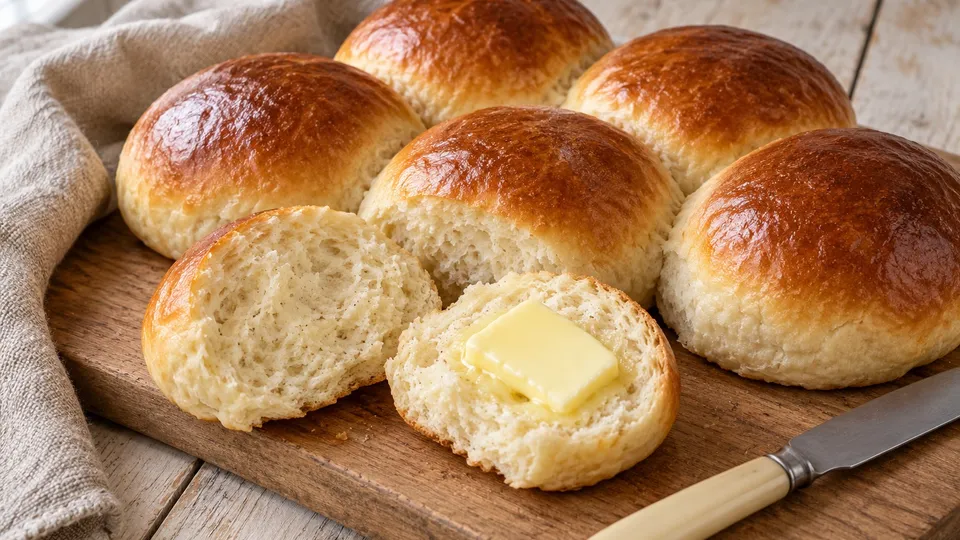 Cook it todayVery Good Wigs (1747)
Chocolate potato cake hides a cup of mashed potato in a chocolate loaf. Carolyn Putnam Webber, a cookery teacher in Bedford, Massachusetts, printed it in 1918 with barley flour for wheat, corn syrup for half the sugar and oleomargarine for butter. She gave ten ingredients and two short sentences, with no method, so the method is ours in Chocolate Potato Cake (1918). The margarine has a history of its own: Why Did Butter Make Margarine Expensive?
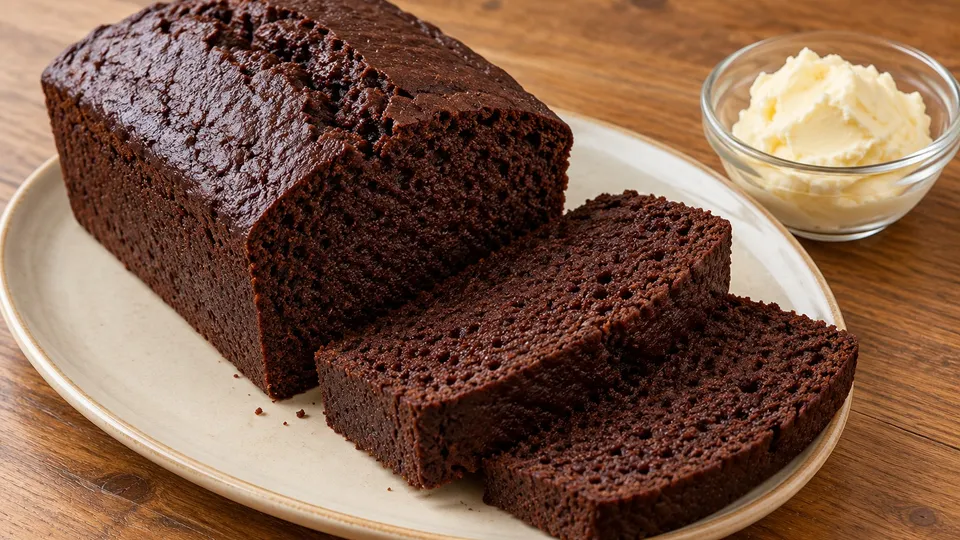 Cook it todayChocolate Potato Cake (1918)
Sweets
To make maple cream, maple sugar is boiled to a soft ball, left to cool and then worked until it turns pale and creamy and sets. G. V. Frye’s Chicago candy manual of 1884 gives it ten pounds at a time, as “Maple Cream for Counter.” Ours starts from maple syrup and needs a thermometer: Maple Cream Candy (1884). In Elizabeth W. Champney’s novel Witch Winnie (1889), a schoolgirl who gives up shop candy is rewarded with a cake of maple sugar a day, and her pledge is the subject of What Did a Total Abstinence Candy Society Eat Instead?
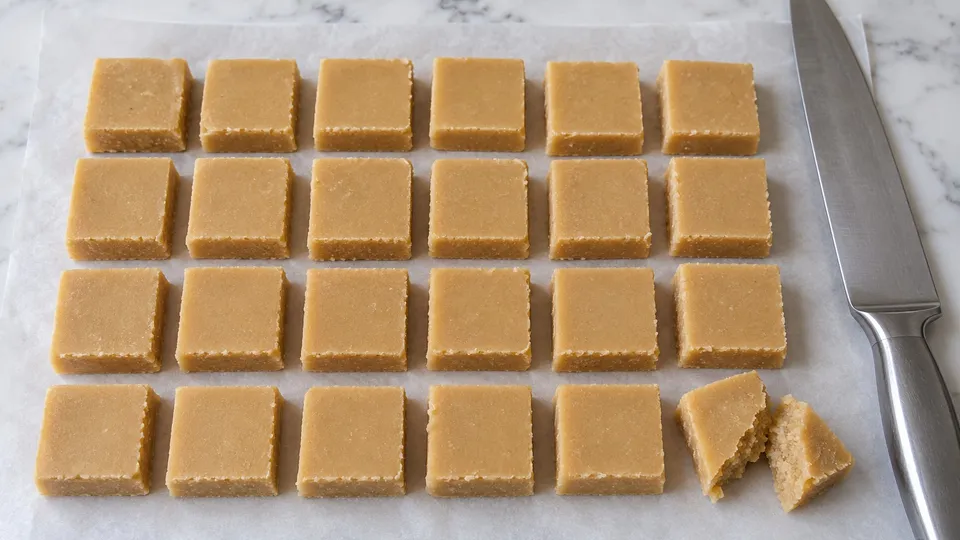 Cook it todayMaple Cream Candy (1884)
Synthetic quince began as a mistake, and Charlotte Perkins Gilman said so. She sent it to The Suffrage Cook Book in 1915 under the heading “An Accidental Discovery”: a pot of rhubarb with too much water, apples cooked in the pink juice, a saucerful of leftover strawberries, and a result that “looked and tasted exactly like quince, except that the apple was a little softer.” Hers is Synthetic Quince (1915), and her case for handing cooking to trained experts sits beside it in What Did the Suffragists Cook?
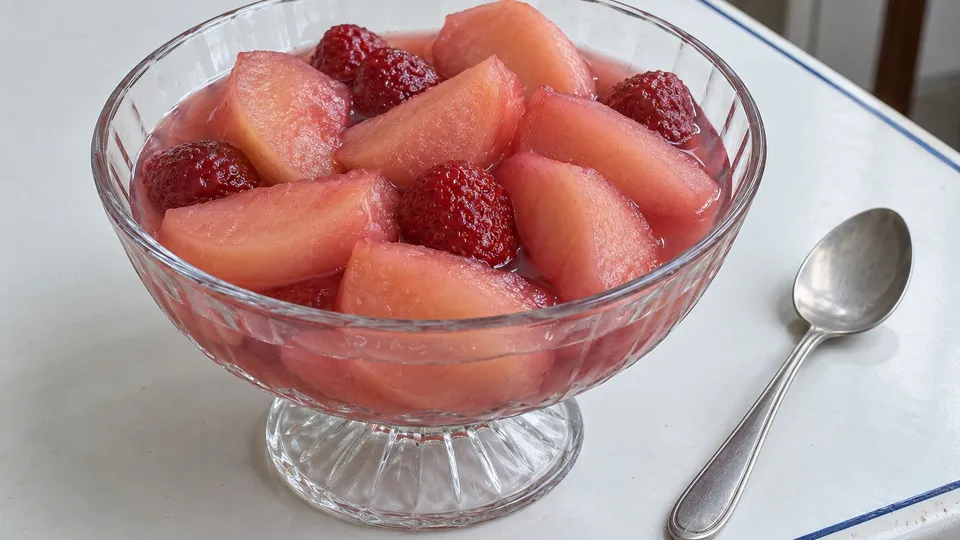 Cook it todaySynthetic Quince (1915)
Charlotte russe comes out of its mold as a drum of sponge cake with a cold vanilla cream inside, custard and whipped cream set together. The bill of fare for Lincoln’s inaugural ball in 1865 lists “Charlotte à la Russe” twice, though the confectioner’s own recipe isn’t recorded. Eliza Leslie’s household version of 1840 needed isinglass and a tub of pounded ice with salt. Gelatin and a refrigerator do that work in Charlotte Russe (1840). What Was on the Sweets Table at Lincoln’s Inaugural Ball? sets it among the jellies and creams on Balzer’s bill of fare.
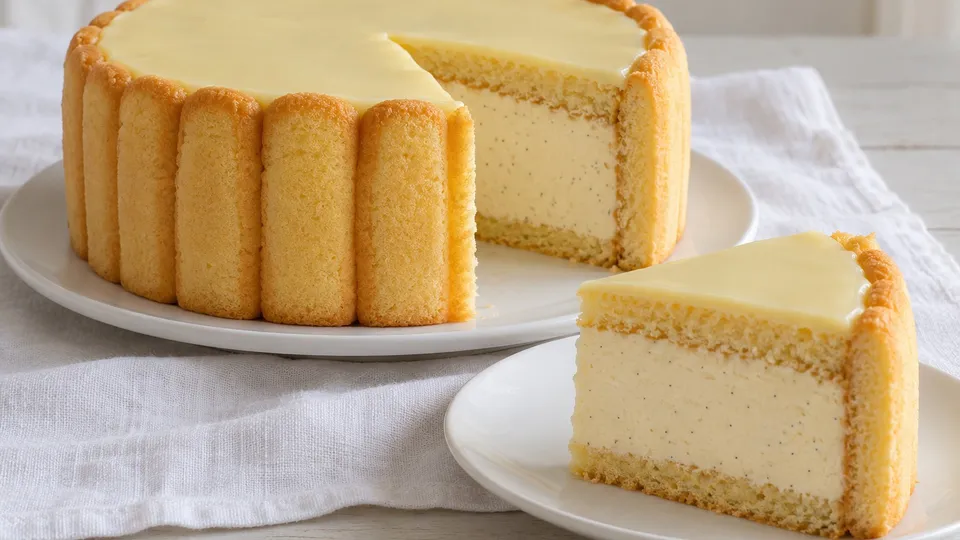 Cook it todayCharlotte Russe (1840)
What changes in a modern kitchen
Each recipe page labels its own changes. Some are forced: the thick ale-yeast Glasse used came from brewing and isn’t sold, so instant yeast raises the wigs, and Soyer’s book tells the cook to wash the bird out with cold water, which food-safety advice today says not to do. Some are readings of a short page. Cato names no cheese, so drained whole-milk ricotta is our choice, and the Confederate Receipt Book measures its flour by “a small teacup,” which we read as half a cup. And some are matters of taste: Gouffé’s broth gets half his salt at the start and more to taste at the end, and Gilman’s apples get a little sugar she never mentions.
Forgotten Drink, our sister site, does the same for the glass in Forgotten Drinks Worth Making Again (opens in a new tab), from switchel to Roman mulsum.
Two cups of maple syrup and a pinch of cream of tartar are the whole shopping list for the Maple Cream Candy (1884); the thermometer does the rest, and the candy sets in minutes once it turns.
Sources
- Jules Gouffé, The Royal Cookery Book (London: Sampson Low, 1868), pp. 31–35.
- Henry Labouchere, Diary of the Besieged Resident in Paris (London: Hurst and Blackett, 1871).
- Confederate Receipt Book (Richmond: West & Johnston, 1863), pp. 7–8.
- Nicolas Soyer, Soyer’s Paper-Bag Cookery (New York: Sturgis & Walton, 1911), pp. 96–97.
- Cato, De agri cultura, ch. 84, in Les agronomes latins, ed. Charles Nisard (Paris: Dubochet, 1844), p. 27.
- August Mau, Pompeii: Its Life and Art, trans. Francis W. Kelsey (New York: Macmillan, 1899).
- Hannah Glasse, The Art of Cookery Made Plain and Easy (London, 1747), p. 141.
- Eliza Smith, The Compleat Housewife, 9th ed. (London, 1739).
- Carolyn Putnam Webber, Two Hundred and Seventy-Five War-Time Recipes (Bedford, Massachusetts, 1918), p. 51.
- G. V. Frye, Frye’s Practical Candy Maker (Chicago, copyright 1884), pp. 62–63.
- Elizabeth W. Champney, Witch Winnie: The Story of a “King’s Daughter” (Edinburgh and London: Oliphant, Anderson and Ferrier, 1890; first published New York, 1889).
- Mrs. L. O. Kleber, comp., The Suffrage Cook Book (Pittsburgh: The Equal Franchise Federation of Western Pennsylvania, 1915), p. 200.
- Eliza Leslie, Directions for Cookery, in Its Various Branches, 11th ed. (Philadelphia: Carey & Hart, 1840), pp. 452–453.
- Bill of fare of the Presidential Inauguration Ball, Washington, March 6, 1865, furnished by G. A. Balzer, Confectioner.