23 recipes
Interwar Recipes
Recipes from between the wars, 1919 to 1939: Prohibition party food, the USDA’s 1931 radio cookbook and the Roosevelts’ 1939 picnic for the King and Queen.
These recipes come from the twenty years between the end of the First World War and the start of the Second. The first half of them belongs to Prohibition, which began in the United States on January 17, 1920, and to the cookbooks that told hostesses what to serve once the bars had closed. Those have a hub of their own, 1920s Recipes, and they are listed here too.
The 1930s recipes come from the United States Department of Agriculture. Its Bureau of Home Economics gave America a radio aunt, Aunt Sammy, who first came on the air on October 4, 1926, and in May 1931 it printed her book, Aunt Sammy’s Radio Recipes Revised, with 400 recipes and 90 menus. One of its July dinners runs from broiled chicken to strawberry ice cream and vanilla wafers: What Did Aunt Sammy Tell Listeners to Cook in July 1931?
The period ends at a picnic. On Sunday, June 11, 1939, the Roosevelts gave King George VI and Queen Elizabeth lunch at Hyde Park, and the typed menu lists Virginia ham, hot dogs, cold turkey, hot sausages, cranberry jelly, green salad, rolls and strawberry shortcake. Our ham, jelly and rolls follow the department’s own books of 1931: What Did the King and Queen Eat at the Roosevelts’ 1939 Picnic?
What Did You Eat on the Last New Year’s Eve Before Prohibition?
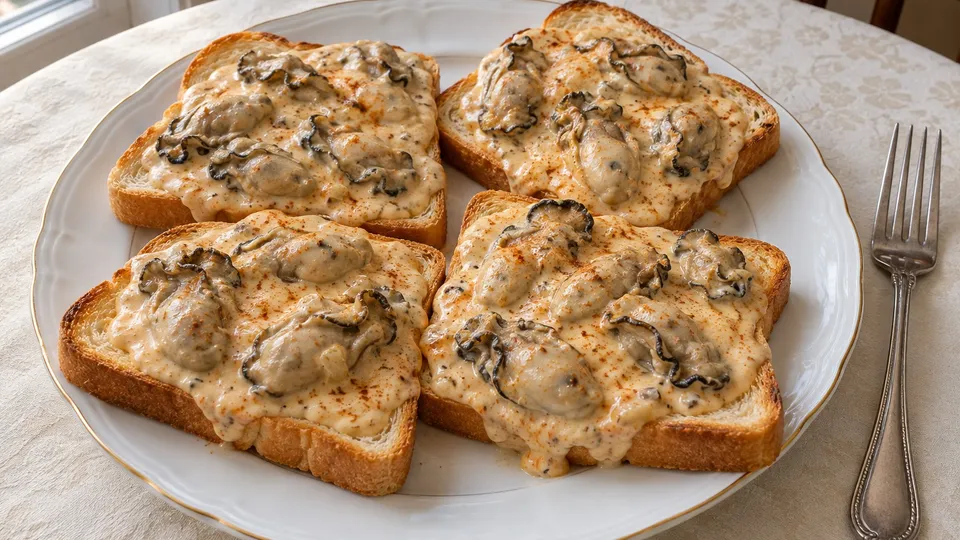
Oysters à la Newburg (1920)
Oysters heated in a thick cream sauce with egg yolks, lemon juice and paprika: the smaller oysters à la Newburg of Mrs. Wilson’s Cook Book of 1920, a cousin of the Newburg on her New Year’s midnight menu.
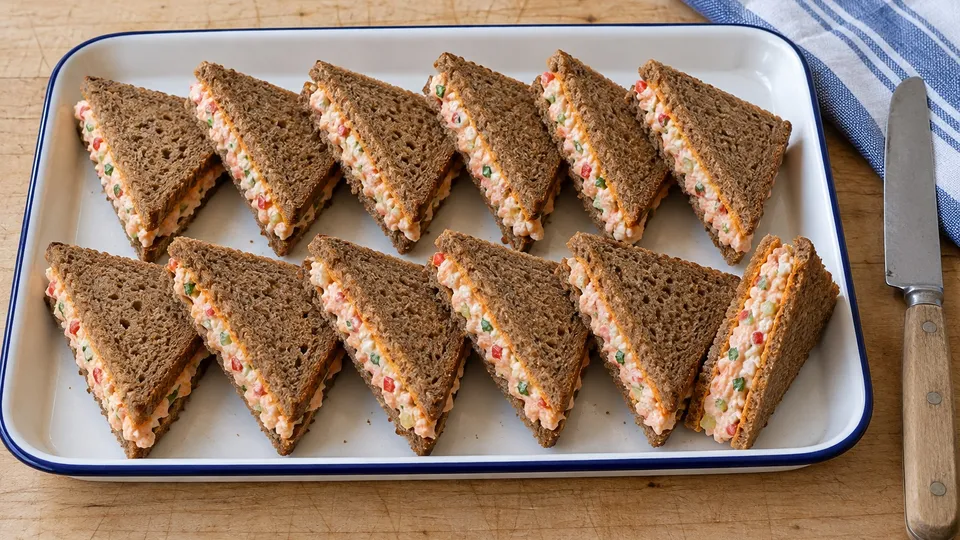
Pimento Sandwiches (1920)
Rye bread spread with seasoned butter and a filling of pimentos, celery, onion, parsley and cottage cheese, cut in triangles: the pimento sandwiches of a 1920 New Year’s midnight menu.
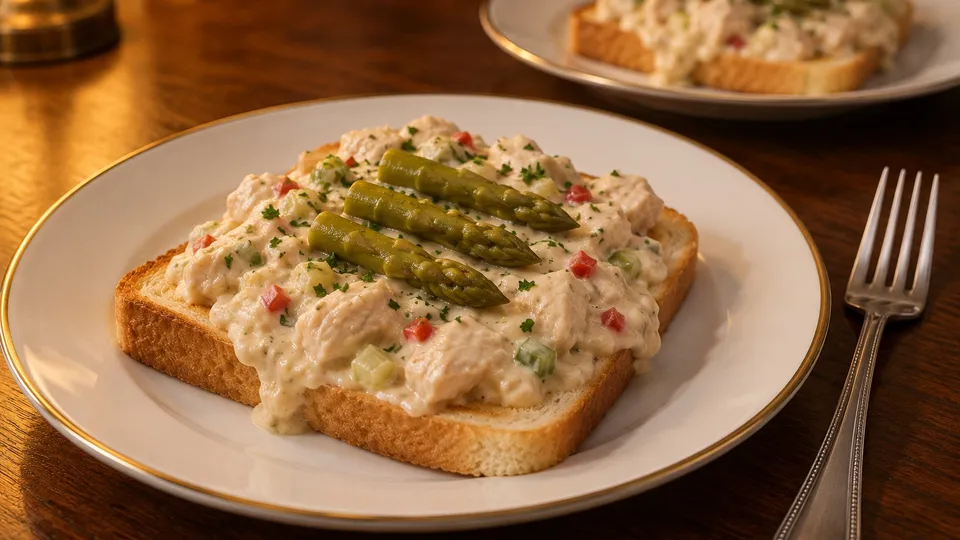
Creamed Chicken Delmonte (1920)
Poached chicken in a thick chicken-stock sauce with pimentos, celery, eggs and lemon, served on toast with asparagus tips: Creamed Chicken Delmonte, the second menu in Mrs. Wilson’s New Year’s Midnight Repast of 1920.
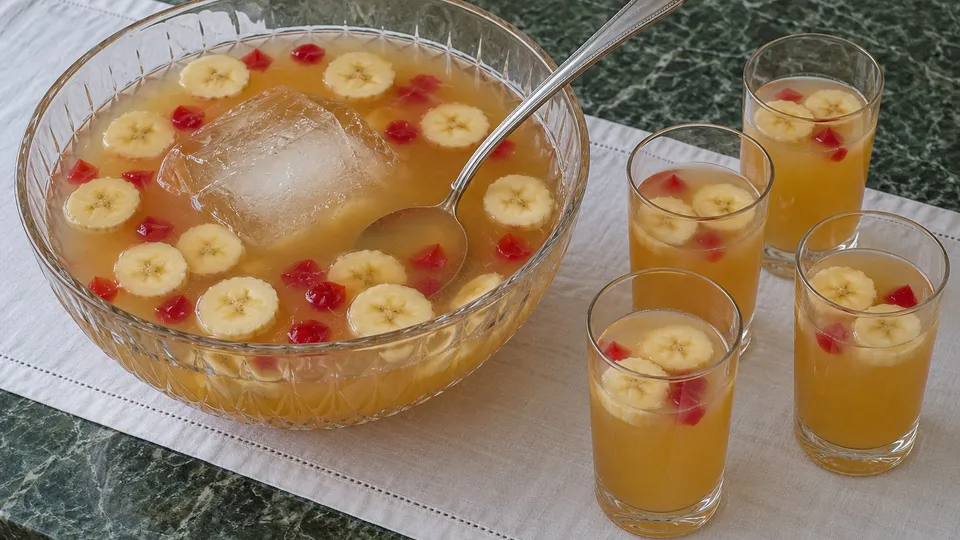
New Year’s Punch (1920)
Fresh cider with sliced bananas and cut cherries, served in tall glasses from a bowl with a lump of ice: the loving-cup New Year’s punch of Mrs. Wilson’s Cook Book of 1920.
What Did Americans Cook When the Bars Closed in 1920?
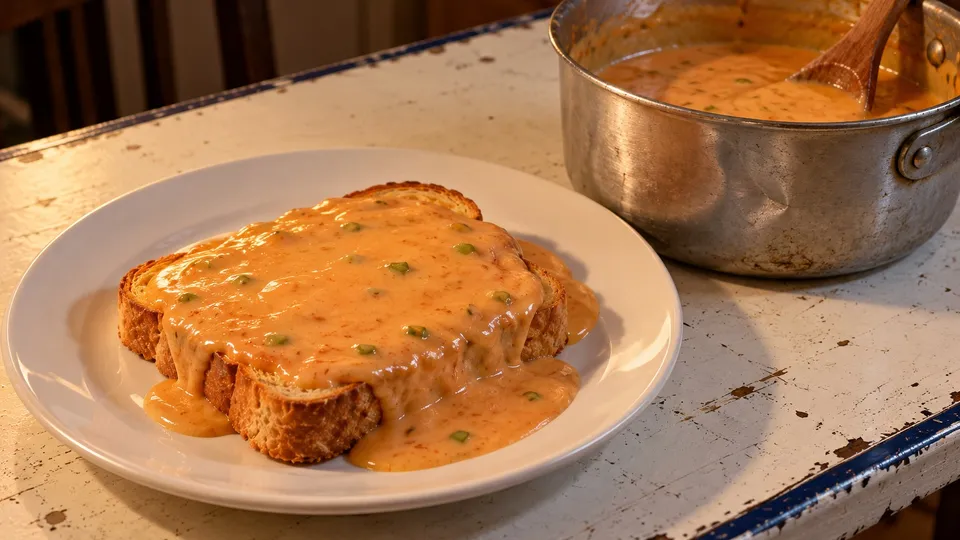
Rum-Tum-Tiddy (1922)
Rum-tum-tiddy, Frank Ward O’Malley’s kitchen supper for unexpected guests from The Stag Cook Book of 1922: American cheese melted with tomato soup, eggs, green pepper and a splash of beer, poured hot over toast.
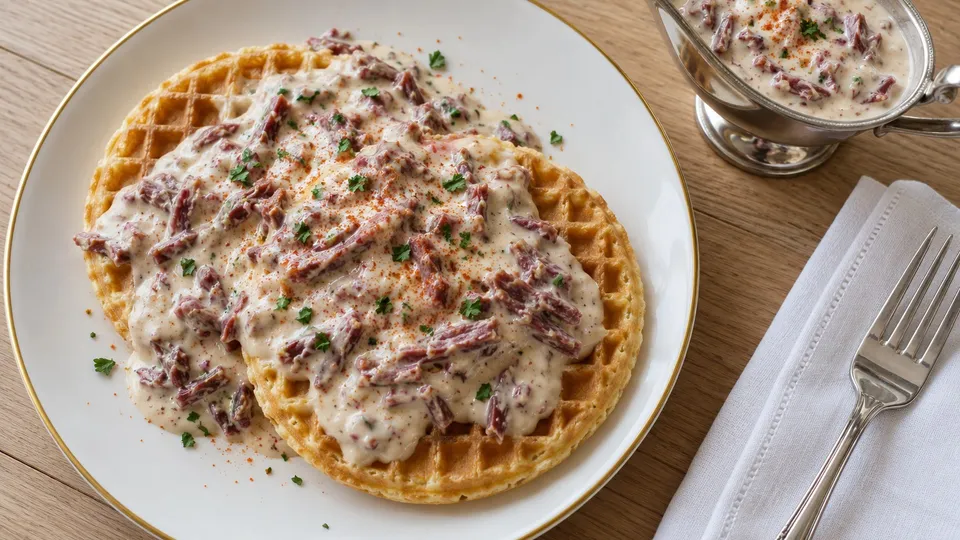
President Harding’s Waffles with Creamed Chipped Beef (1922)
President Harding’s waffles with creamed chipped beef: light waffles from The Stag Cook Book of 1922 under the beef, as the editor says Harding liked them, the beef made after Mrs. Wilson’s 1920 recipe.
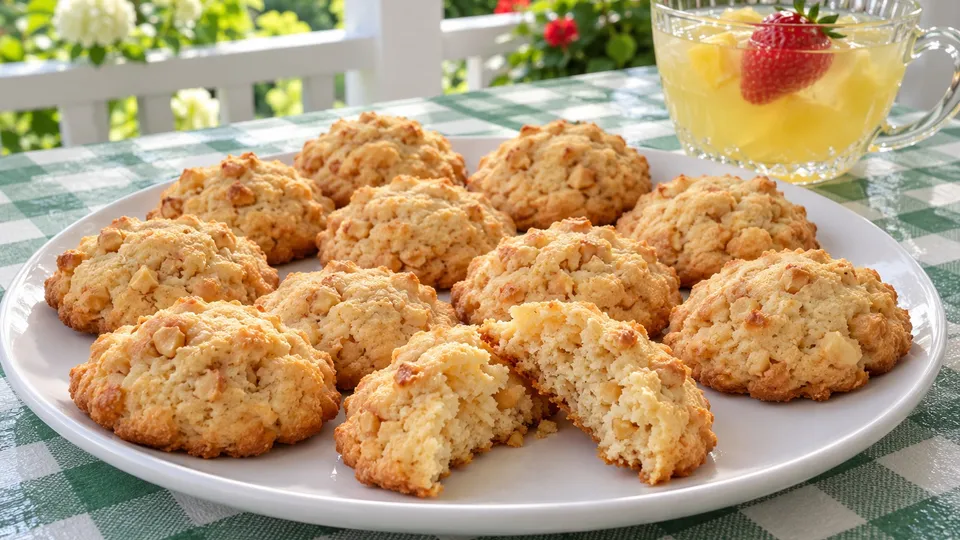
Peanut Cookies (1924)
Peanut cookies from a Woman’s World summer menu of 1924, served with coffee and fruit punch: small drops of butter, sugar and chopped raw peanuts, sharpened with lemon juice.
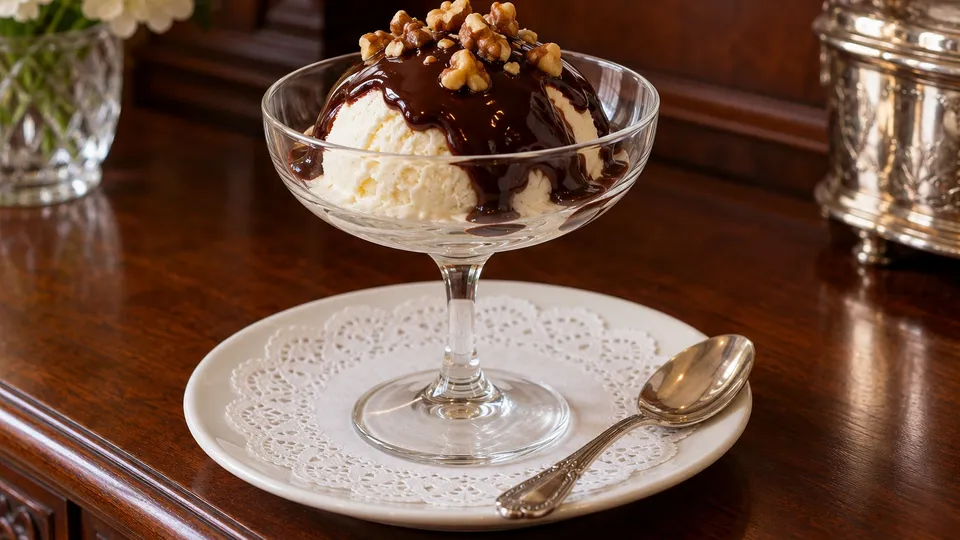
Hot Fudge Sundae (1920)
A hot fudge sundae from What to Drink, Bertha Stockbridge’s 1920 book for the hostess of the dry years: vanilla ice cream under her heavy fudge sauce, kept hot in a double boiler and finished with nuts.
What Did You Nibble With a Cocktail in the 1920s?
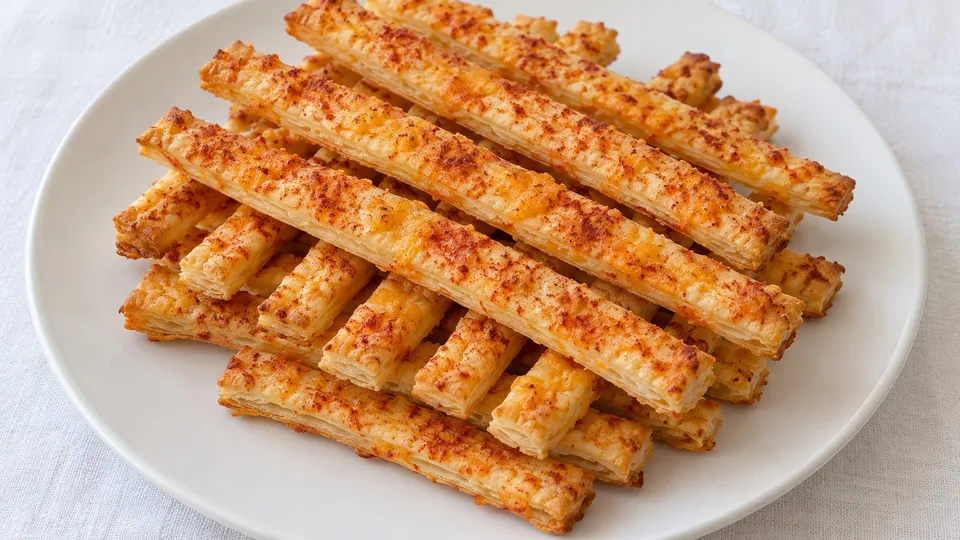
Cheese Straws (1924)
Pie pastry rolled thin with grated cheese and paprika, folded and rolled three times, then cut in long strips and baked light brown: cheese straws from 1924.
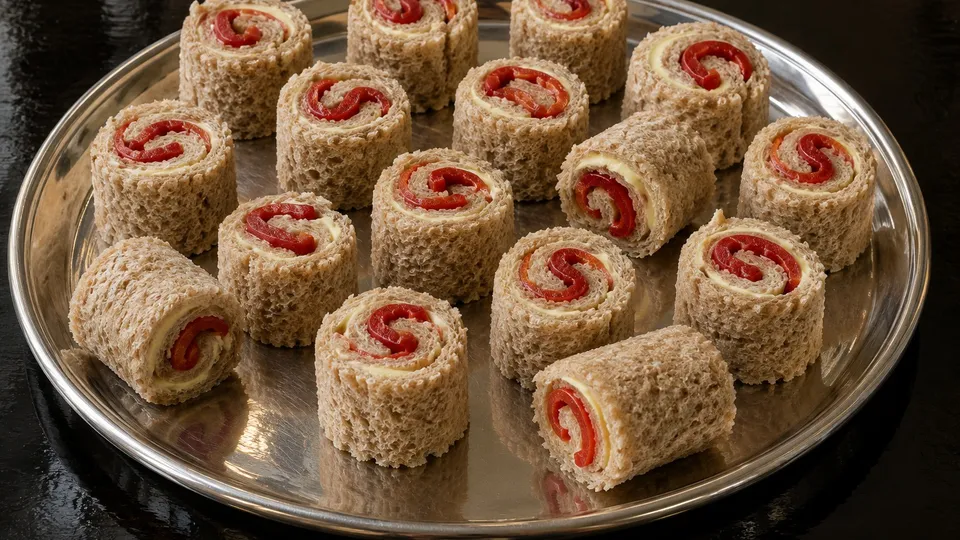
Brown Bread-and-Butter Rolls with Pimento (1925)
Brown bread-and-butter rolls with pimento, cocktail fare from a London book of 1925: thin slices, crusts off, buttered and rolled around a strip of red pimento, then cut small.
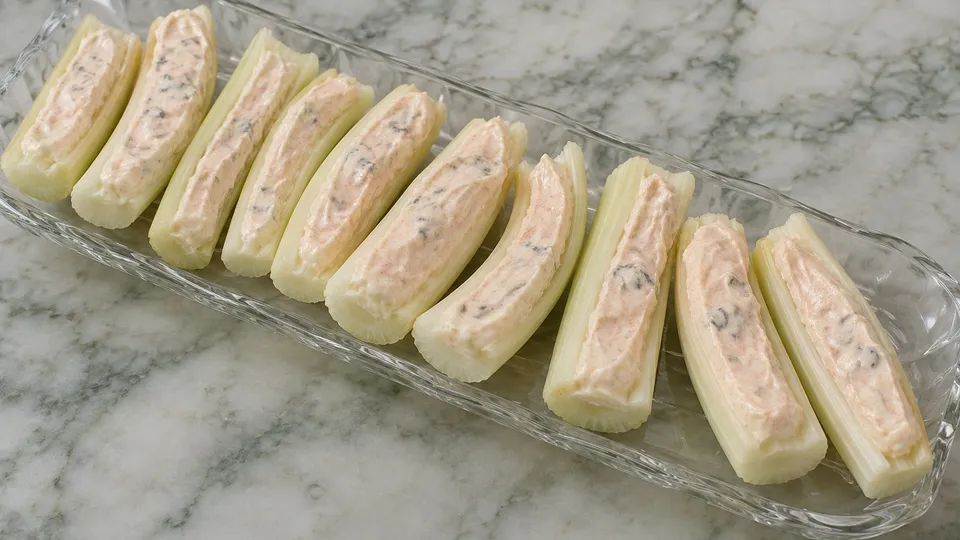
Stuffed Celery with Roquefort (1922)
Stuffed celery with Roquefort, Frazier Hunt’s favorite from The Stag Cook Book of 1922: the cheese creamed with butter, Worcestershire sauce and paprika, pressed into crisp stalks.
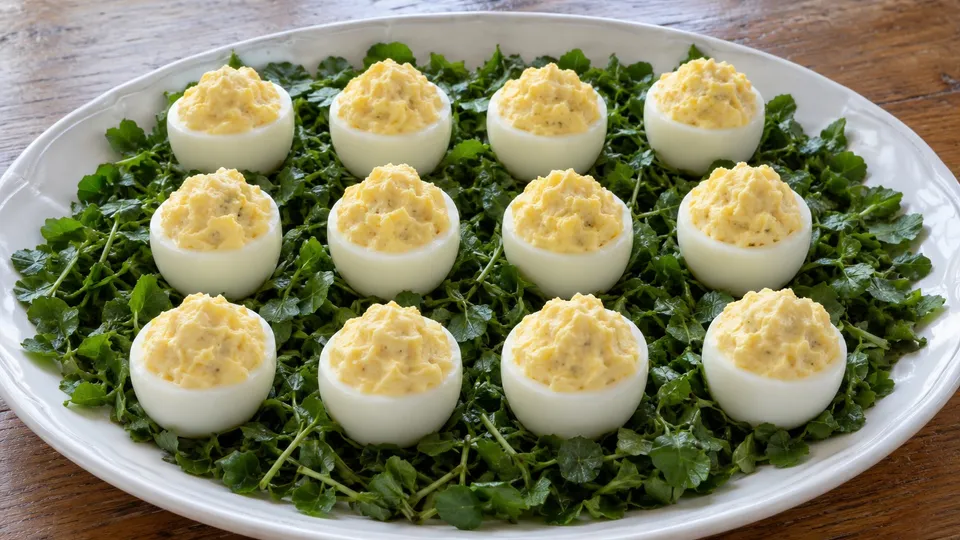
Houdini’s Deviled Eggs (1922)
Houdini’s deviled eggs: hard-boiled halves trimmed to stand upright, filled with yolk rubbed smooth with melted butter, cayenne, mustard and vinegar, and set on dressed watercress.
What Did Aunt Sammy Tell Listeners to Cook in July 1931?
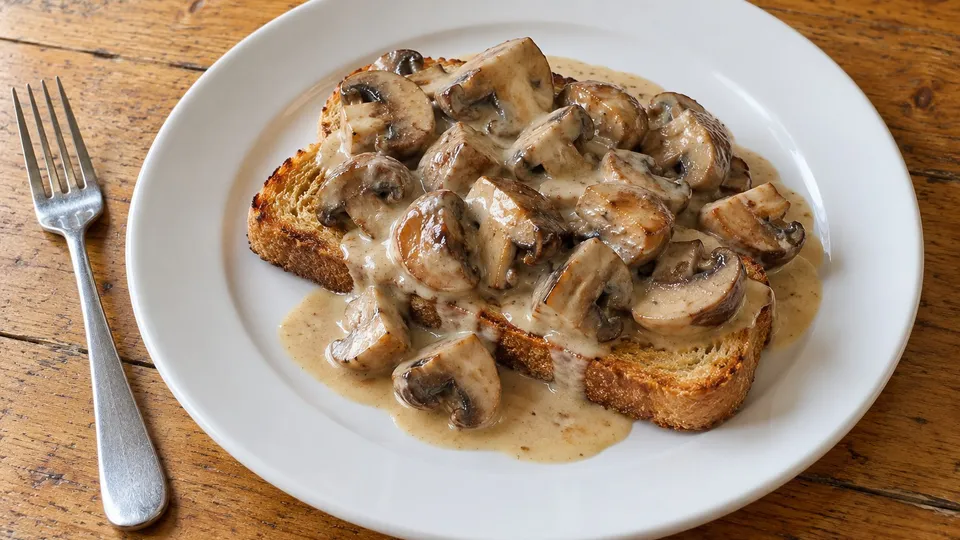
Creamed Mushrooms (1931)
Creamed mushrooms as read out on the USDA’s radio chat in July 1931: sliced mushrooms floured, browned in butter and simmered in cream with their saved juices, on crisp toast.
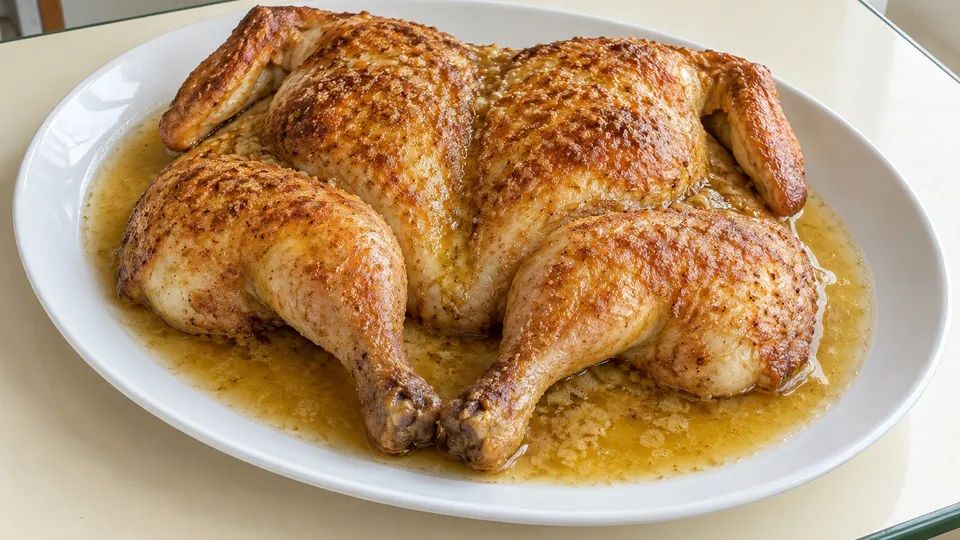
Broiled Chicken (1931)
Broiled chicken from Aunt Sammy’s Radio Recipes Revised, 1931: a young bird split down the back, buttered, floured, broiled on both sides and finished in a moderate oven.
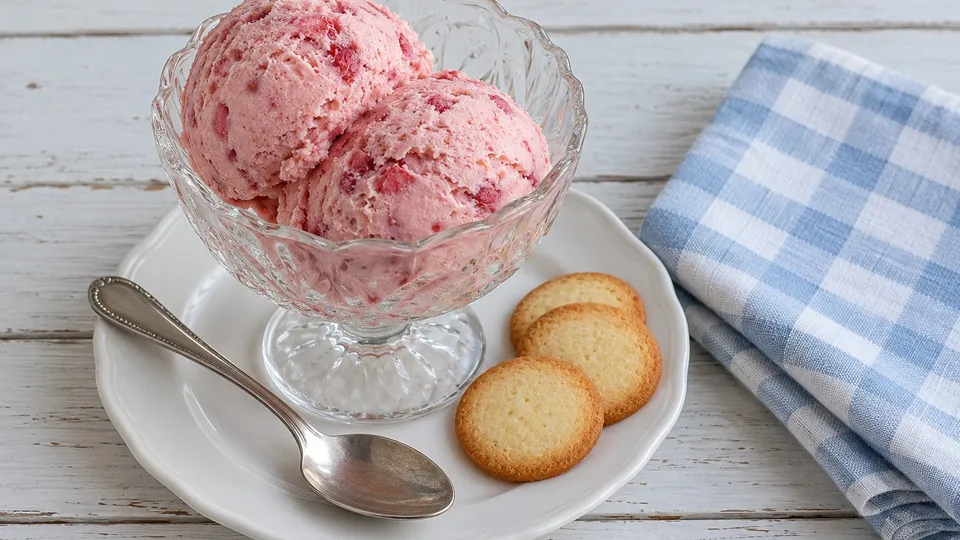
Strawberry Ice Cream (1931)
Strawberry ice cream from Aunt Sammy’s Radio Recipes Revised, 1931: fresh berries stood in sugar, pressed through a colander and churned with light cream and lemon juice.
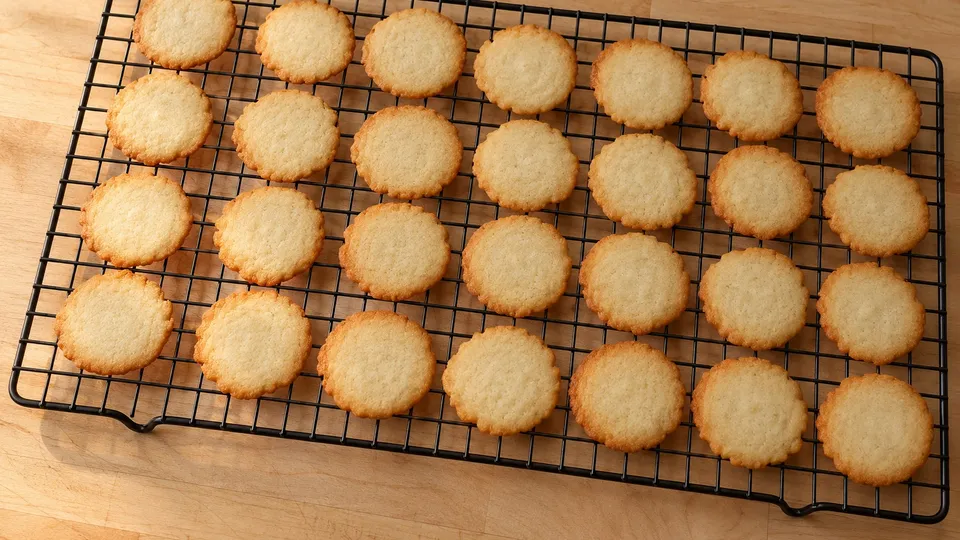
Vanilla Wafers (1931)
Vanilla wafers from a July dinner menu in Aunt Sammy’s Radio Recipes Revised, 1931: tiny crisp butter cookies dropped from a half teaspoon and baked until golden at the edges.
What Did the King and Queen Eat at the Roosevelts’ 1939 Picnic?
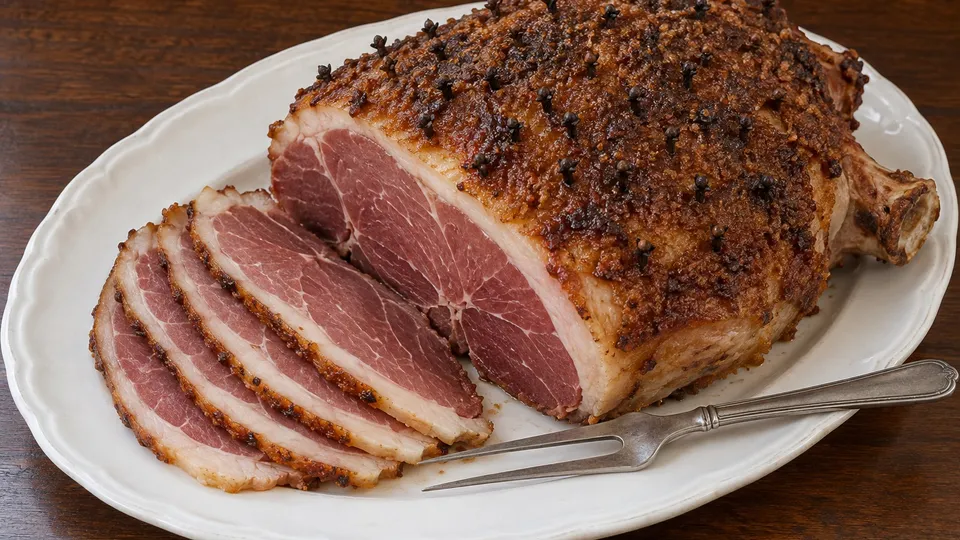
Boiled Ham with a Brown Sugar Crust (1931)
Aunt Sammy’s boiled ham with a brown sugar crust, 1931: a cured ham soaked overnight, simmered with vegetables and vinegar, then skinned, sugared, studded with cloves and browned.
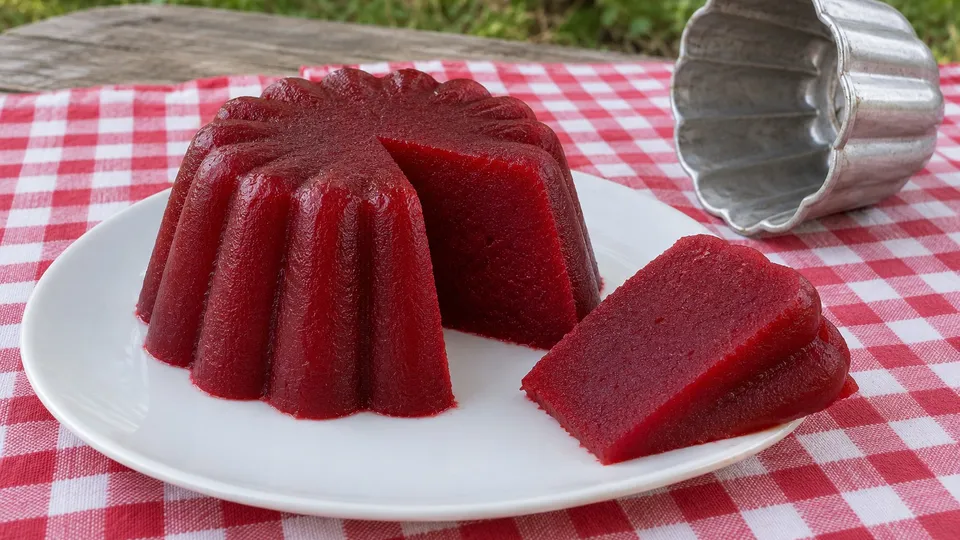
Cranberry Jelly (1931)
Aunt Sammy’s cranberry jelly, 1931: cranberries cooked soft, pressed through a sieve, boiled briefly with sugar to the jelly point and set in a mold.
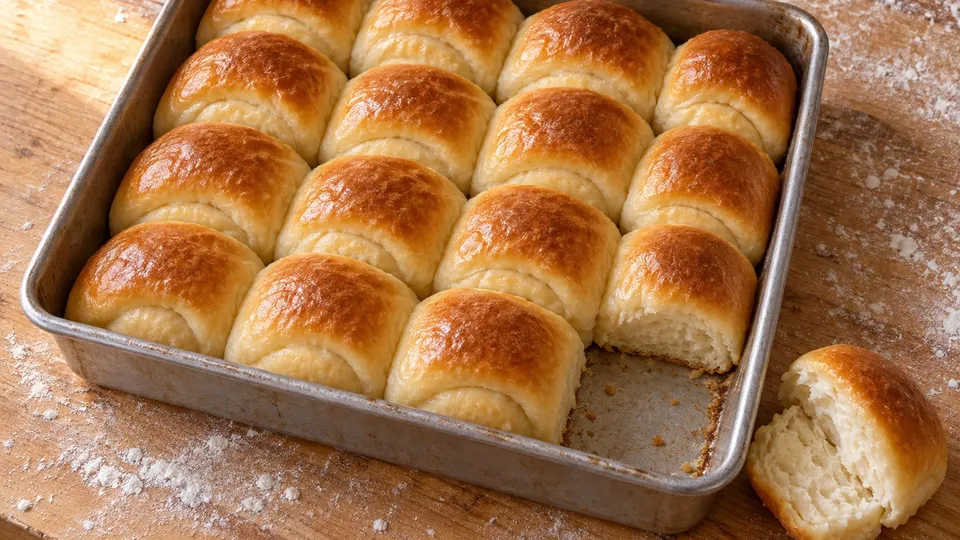
Parker House Rolls (1931)
Parker House rolls from the 1931 USDA bulletin Home Baking: soft milk-and-butter yeast rolls cut in rounds, buttered, creased and folded over, then baked hot.
More recipes
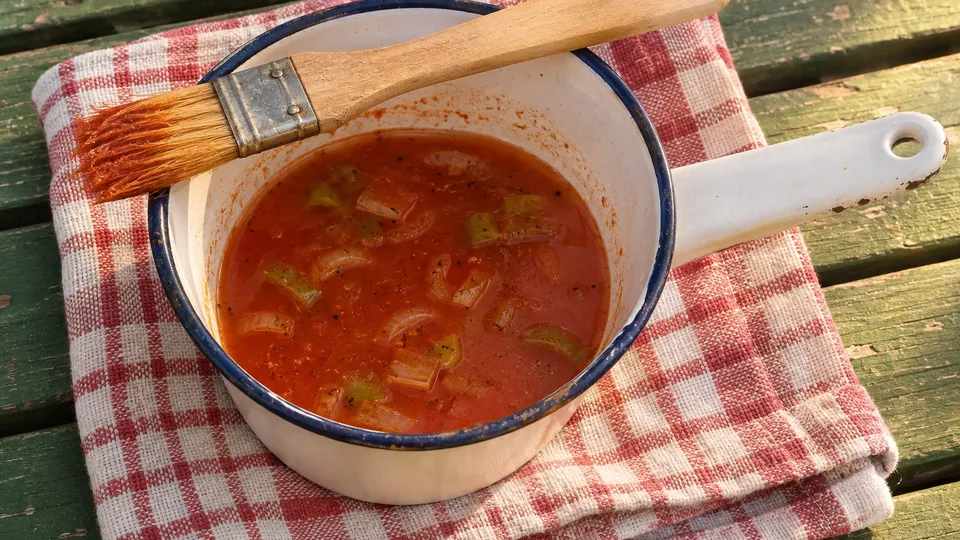
Cowboy Barbecue Sauce (1931)
The USDA’s Cowboy Barbecue Sauce from a September 1931 radio script: vinegar and tomatoes boiled with red pepper, dry mustard, cloves, green pepper and onions browned in bacon drippings, for basting meat over coals.
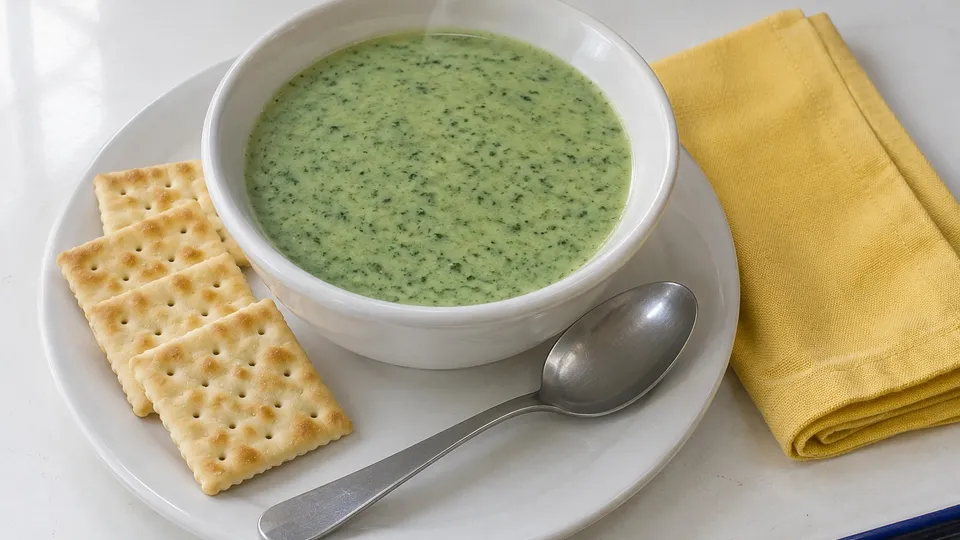
Cream of Raw Spinach Soup (1933)
A five-ingredient milk soup from a 1933 USDA radio script on low-cost meals: raw spinach, ground fine, cooked in milk thickened with butter and flour.
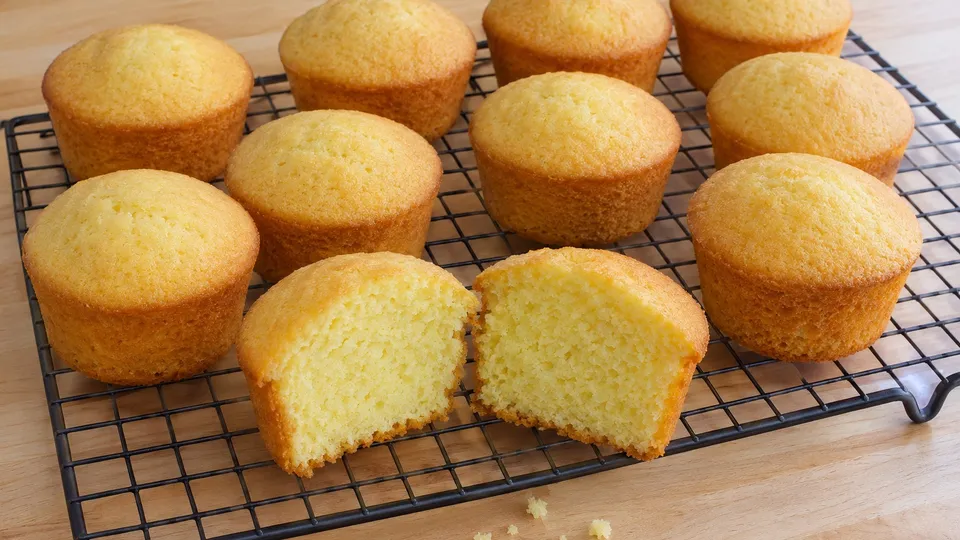
Foundation Cake (1927)
The plain butter cake of Aunt Sammy’s 1927 radio cookbook, baked as cup cakes at 375°F (190°C) for the plain cake on its first school lunch-box menu.
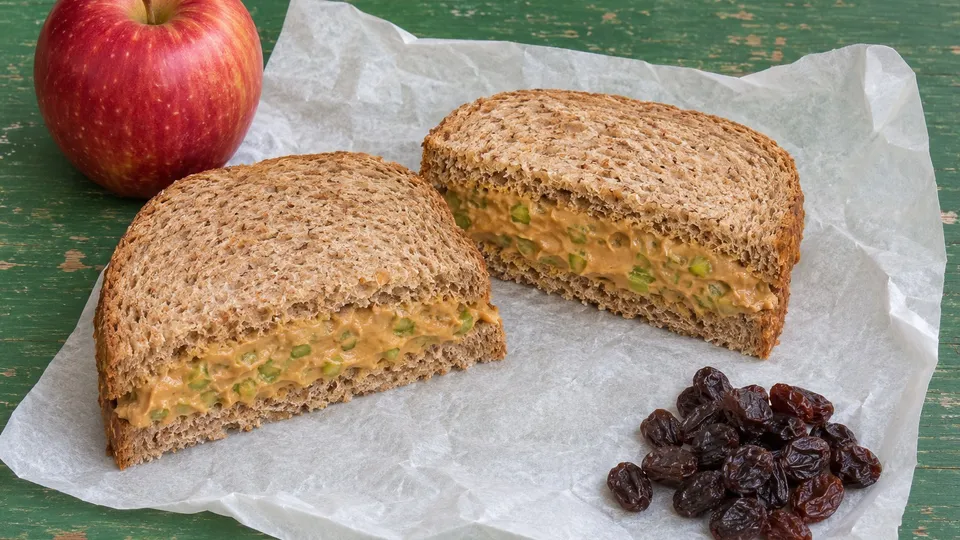
Peanut Butter and Celery Sandwich (1927)
The first filling on Aunt Sammy’s 1927 page of school lunch-box sandwiches: finely chopped celery beaten into peanut butter, spread on whole-wheat bread.
What did people eat for dinner in the 1930s?
In the USDA’s 1931 radio cookbook, a July dinner is fried or broiled chicken with new potatoes, peas and currant jelly, then strawberry ice cream and vanilla wafers. Our Broiled Chicken, Strawberry Ice Cream and Vanilla Wafers come from that book.
Who was Aunt Sammy?
A radio character of the US Department of Agriculture, created by its Bureau of Home Economics as the wife of Uncle Sam. From 1926, women at local stations read the department’s scripts under her name. On July 7, 1931, she gave two ways with mushrooms, one of them our Creamed Mushrooms on crisp toast.
What was on the menu at the King’s hot dog picnic in 1939?
Virginia ham, hot dogs, cold turkey, hot sausages, cranberry jelly, green salad, rolls and strawberry shortcake, with coffee, beer and soft drinks. Our Boiled Ham with a Brown Sugar Crust, Cranberry Jelly and Parker House Rolls are period recipes for three of those dishes.